
How to Find and Purify Water When Taps Stop Running

Home About Us Blog Mental Health Decoded Worse Case Scenario Technology Financial Freedom Self Defense featured Podcast Videos Shorts Self Defense Survival Motivation Herbal Remedies Videos Self Defense Survival Motivation Videos Conspiracy Videos Meditation & Relaxation Digital Dojo Digital Dojo Live Shop Self Defense Gear Prepper Gear Ebooks Mugs and Tunblers Stickers and Decals Apparel Phone Cases Contact Memberships Donations Privacy Policy X Popular How to Start a Survival Garden in the City (Even with Limited Space) Step-by-Step Guide to Locating and Making Water Safe in an Emergency Water is the most essential resource for survival, yet it is often taken for granted. In a worst-case scenario where municipal water systems fail, knowing how to find and purify water can mean the difference between life and death. This guide will walk you through practical steps to locate and make water safe for consumption. Step 1: Identifying Potential Water Sources When the taps stop running, your first priority is to find a reliable water source. Here are some options: Natural Sources: Rivers, lakes, ponds, and streams are primary options. Look for moving water whenever possible, as stagnant water is more likely to be contaminated. Rainwater Collection: Setting up tarps, buckets, or containers to collect rainwater is one of the safest and most effective methods of obtaining clean water. Underground Sources: Wells and underground springs are excellent, though accessing them without a pump may be challenging. Man-Made Sources: Water heaters, toilet tanks (not the bowl), and pipes still contain residual water that can be used in an emergency. Urban Water Sources: Public fountains, swimming pools (for non-drinking purposes unless properly purified), and even large plant leaves can provide some moisture. Step 2: Filtering Out Debris and Contaminants Water collected from any natural or unconventional source will likely contain dirt, debris, or harmful microorganisms. Before purification, filter the water to remove visible contaminants. Cloth Filtration: Pour the water through a clean cloth, coffee filter, or bandana to remove large particles. Homemade Sand and Charcoal Filter: Layer sand, gravel, and charcoal in a container and pour the water through it for additional filtering. Commercial Water Filters: If available, use portable water filtration systems like the LifeStraw or Sawyer Mini for an effective first layer of filtration. Step 3: Purifying the Water Even if the water looks clean, it can still contain bacteria, viruses, and parasites. Here are the best methods to purify it: Boiling: Bring water to a rolling boil for at least one minute (or three minutes at high altitudes). This is the most reliable way to kill harmful pathogens. Chemical Treatment: Bleach: Use unscented household bleach (5-6% sodium hypochlorite). Add 8 drops per gallon of clear water or 16 drops per gallon if the water is cloudy. Let it sit for 30 minutes before drinking. Iodine Tablets: Follow the manufacturer’s instructions. Iodine-treated water should be used temporarily, as long-term consumption can affect thyroid health. Solar Disinfection (SODIS): Fill a clear plastic or glass bottle with water and leave it in direct sunlight for at least six hours. The UV rays will kill most pathogens. Portable Water Purifiers: Devices like UV sterilization pens and pump filters with built-in purifiers are great for emergency use. Step 4: Storing and Preserving Clean Water Once water has been purified, it needs to be stored safely to prevent recontamination. Use Clean Containers: Store water in clean, food-grade containers with tight-sealing lids. Keep It in a Cool, Dark Place: Direct sunlight and heat can encourage bacterial growth in stored water. Label and Rotate Supply: If storing water for long-term use, label the containers with purification dates and rotate them every six months to maintain freshness. Step 5: Conserving and Maximizing Water Use When water is scarce, it is crucial to use it efficiently. Prioritize Drinking Water: Stay hydrated before using water for hygiene or cooking. Reuse When Possible: Water used for rinsing food can be repurposed for cleaning or watering plants. Minimize Waste: Use a damp cloth instead of running water for cleaning hands and face. Conclusion In an emergency situation where tap water is no longer available, knowing how to find and purify water is a critical survival skill. By identifying reliable water sources, filtering out debris, purifying effectively, and storing it properly, you can ensure a steady supply of safe drinking water. Preparedness is key—start practicing these techniques today to be ready for any situation. Listen to this article in audio format. Blog 18 Decoded 6 EDC 2 featured 0 Financial Freedom 3 Gardening 2 Follow on Spotify LEARN MORE ON YOUTUBE! ADVERTISEMENT Click here ADVERTISEMENT Learn More ADVERTISEMENT Learn More ADVERTISEMENT Learn More RELATED POST urbanwarriorsurvival.com 26 March 2025 Blog Worse Case Scenario How to Find and Purify Water When Taps Stop Running urbanwarriorsurvival.com 25 March 2025 Blog Mental Health How to Train Your Mind for Long-Term Isolation urbanwarriorsurvival.com 24 March 2025 Blog Gardening Reasons You’re Not as Independent as You Think urbanwarriorsurvival.com 20 March 2025 Blog EDC Why the SABANI 35000mAh Power Bank is the Ultimate EDC Essential urbanwarriorsurvival.com 14 March 2025 Blog Gardening How to Start a Survival Garden in the City (Even with Limited Space) urbanwarriorsurvival.com 13 March 2025 Blog EDC 5 Reasons Why Pepper Spray Is the Ultimate Self-Defense Tool Address List 123, Any Street NorthYour City NameCountry Name. P.O 3554 +1 234 567 8902 Urban Warrior Survival Social Networks Facebook Twitter Instagram B.Roc Survival Podcast Discord Patreon Pinterest Youtube Links List Help Center Community Forums Blog Meetups B.Roc Survival Inc. All rights reserved
How to Train Your Mind for Long-Term Isolation

Home About Us Blog Mental Health Decoded Worse Case Scenario Technology Financial Freedom Self Defense featured Podcast Videos Shorts Self Defense Survival Motivation Herbal Remedies Videos Self Defense Survival Motivation Videos Conspiracy Videos Meditation & Relaxation Digital Dojo Digital Dojo Live Shop Self Defense Gear Prepper Gear Ebooks Mugs and Tunblers Stickers and Decals Apparel Phone Cases Contact Memberships Donations Privacy Policy X Popular How to Start a Survival Garden in the City (Even with Limited Space) Grow Your Own Food, No Matter Where You Live! In today’s world, isolation is often seen as a challenge, whether it’s due to a survival situation, extreme weather, or even societal collapse. Long-term solitude can take a significant toll on mental health, leading to anxiety, depression, and even cognitive decline. However, with the right mental training and preparation, you can build resilience and thrive even in prolonged isolation. Here are key strategies to train your mind for long-term solitude and self-reliance. 1. Develop a Strong Sense of Purpose When isolated for long periods, having a clear purpose is crucial for maintaining motivation and mental stability. Your purpose could be as simple as staying alive, honing a skill, or documenting your experiences. Without a sense of direction, isolation can quickly lead to despair and apathy. How to Cultivate Purpose: Set daily or weekly goals, no matter how small. Engage in self-improvement activities, such as learning survival skills, reading, or journaling. Establish personal missions, like growing your own food or mastering a craft. 2. Create a Daily Routine Structure is vital for mental health, especially when external obligations disappear. A well-structured routine can help you maintain control over your environment and prevent the days from blurring together. Tips for Building a Routine: Set consistent wake-up and sleep times to regulate your circadian rhythm. Allocate time for physical activity, skill-building, and relaxation. Include creative activities like drawing, writing, or problem-solving challenges. 3. Strengthen Your Mental Toughness Enduring long-term isolation requires mental fortitude. Training your mind to withstand solitude involves conditioning yourself to tolerate discomfort and maintain self-discipline. Techniques to Build Mental Toughness: Mindfulness Meditation: Practicing mindfulness can help you stay present and reduce feelings of loneliness. Exposure Training: Spend intentional time alone, gradually increasing the duration to build comfort with solitude. Positive Self-Talk: Reframe negative thoughts into empowering statements. 4. Stay Physically Active Physical health is closely tied to mental well-being. Regular movement releases endorphins, reduces stress, and maintains your physical preparedness for survival. Ways to Stay Active: Engage in bodyweight exercises such as push-ups, squats, and planks. Practice mobility drills and stretching to prevent stiffness. Find ways to challenge yourself physically, like hiking or crafting tools. 5. Maintain Social Connection (Even in Isolation) Humans are social creatures, and prolonged solitude can lead to a decline in mental health. While you may not have direct contact with others, there are still ways to maintain a sense of connection. How to Combat Loneliness: Talk to yourself aloud to process thoughts and emotions. Keep a journal or record voice memos as a way of ‘communicating’ your experiences. If possible, use technology (radio, satellite communication, or letters) to stay in touch with the outside world. 6. Train Your Mind to Handle Uncertainty Uncertainty is a major psychological stressor in long-term isolation. Training your mind to embrace the unknown can help you stay resilient and adaptable. Methods to Manage Uncertainty: Practice visualization exercises where you imagine different survival scenarios and your responses to them. Learn to accept that not all factors are within your control and focus on what you can influence. Cultivate gratitude by recognizing small victories and the positives in your situation. 7. Cultivate Inner Dialogue and Reflection When left alone for extended periods, your mind can become your best ally or worst enemy. Developing a healthy inner dialogue and self-awareness is key to maintaining mental stability. Practices for Self-Reflection: Keep a gratitude journal to focus on the positives. Engage in self-inquiry by asking yourself deep questions about life and purpose. Use storytelling or visualization to create narratives that reinforce resilience. Conclusion Training your mind for long-term isolation isn’t just about survival—it’s about thriving despite the circumstances. By developing a strong sense of purpose, creating structure, maintaining physical and mental resilience, and fostering social connection in alternative ways, you can endure solitude with strength and clarity. These techniques will not only help in survival scenarios but also in any situation where you find yourself alone for extended periods. Remember, your mind is your most powerful tool—sharpen it, and you’ll never be truly alone. Listen to this article in audio format. Blog 17 Decoded 6 EDC 2 featured 0 Financial Freedom 3 Gardening 2 Follow on Spotify LEARN MORE ON YOUTUBE! ADVERTISEMENT Click here ADVERTISEMENT Learn More ADVERTISEMENT Learn More ADVERTISEMENT Learn More RELATED POST urbanwarriorsurvival.com 25 March 2025 Blog Mental Health How to Train Your Mind for Long-Term Isolation urbanwarriorsurvival.com 24 March 2025 Blog Gardening Reasons You’re Not as Independent as You Think urbanwarriorsurvival.com 20 March 2025 Blog EDC Why the SABANI 35000mAh Power Bank is the Ultimate EDC Essential urbanwarriorsurvival.com 14 March 2025 Blog Gardening How to Start a Survival Garden in the City (Even with Limited Space) urbanwarriorsurvival.com 13 March 2025 Blog EDC 5 Reasons Why Pepper Spray Is the Ultimate Self-Defense Tool urbanwarriorsurvival.com 10 March 2025 Blog Mental Health 7 Powerful Ways to Stay Mentally Strong in a Crisis and Avoid a Breakdown Address List 123, Any Street NorthYour City NameCountry Name. P.O 3554 +1 234 567 8902 Urban Warrior Survival Social Networks Facebook Twitter Instagram B.Roc Survival Podcast Discord Patreon Pinterest Youtube Links List Help Center Community Forums Blog Meetups B.Roc Survival Inc. All rights reserved
Reasons You’re Not as Independent as You Think

Home About Us Blog Mental Health Decoded Worse Case Scenario Technology Financial Freedom Self Defense featured Podcast Videos Shorts Self Defense Survival Motivation Herbal Remedies Videos Self Defense Survival Motivation Videos Conspiracy Videos Meditation & Relaxation Digital Dojo Digital Dojo Live Shop Self Defense Gear Prepper Gear Ebooks Mugs and Tunblers Stickers and Decals Apparel Phone Cases Contact Memberships Donations Privacy Policy X Popular Reasons You’re Not as Independent as You Think Discover the hidden ways you’re still dependent and how to break free. Many people believe they are independent, self-sufficient, and in control of their lives. But in reality, modern society has conditioned us to rely on external systems more than we realize. True independence isn’t just about feeling free—it’s about actually being able to survive and thrive without depending on the very systems that can control or limit your life. If you truly want to break free and live on your own terms, you need to recognize these hidden dependencies and take steps to eliminate them. 1. You Rely on a Paycheck Most people trade their time for money, depending on an employer to meet their basic needs. If you have to wake up and clock in every day just to keep a roof over your head and food on the table, you’re not truly independent—you’re just a well-paid servant. A single source of income, especially one that depends on someone else’s business, leaves you vulnerable. If your boss decides to fire you, the economy crashes, or your industry collapses, what happens then? True independence means having multiple income streams—investments, side businesses, passive income, or even bartering skills that allow you to survive and thrive without being at the mercy of an employer. 2. You Need Grocery Stores for Food Walk into any supermarket, and you’ll find shelves lined with neatly packaged food from all over the world. But if those shelves were empty tomorrow, how long would you last? If you’re dependent on grocery stores for your next meal, you’re not truly independent. Learning to grow your own food, forage, hunt, or fish is crucial for self-reliance. Even if you live in an urban area, you can start with container gardening, hydroponics, or community farming. Stockpiling food is a short-term solution, but the real answer is knowing how to sustain yourself when the system fails. 3. You Depend on the Grid for Power and Water Electricity, water, and gas are so easy to take for granted—until they’re gone. A simple blackout or water main break can quickly remind you just how dependent you are on infrastructure controlled by corporations and governments. Without power, how would you cook, stay warm, or even communicate? Without running water, could you purify water from natural sources or collect rainwater? Learning off-grid living skills, investing in solar power, and setting up water filtration systems can move you one step closer to real independence. The more self-sufficient you are in providing your own basic utilities, the less control the system has over you. 4. You Rely on the Internet and Social Media for Information In an age where most people get their news and knowledge from Google, YouTube, and social media, the illusion of independence is stronger than ever. But here’s the reality: what you see online is filtered, censored, and manipulated to shape your beliefs and behaviors. If you rely on Big Tech for all your information, you’re not thinking for yourself—you’re consuming pre-approved narratives. To break free, start reading books, engaging with real-world mentors, and developing your own critical thinking skills. Learn from first-hand experience rather than just watching others do it. The more you disconnect from algorithm-driven content, the closer you get to real mental and intellectual independence. 5. You Follow Society’s Rules Without Question From childhood, you’ve been taught to obey rules—go to school, get a job, pay taxes, stay in line. But have you ever stopped to question who benefits from these rules? Are they truly in your best interest, or do they keep you in a controlled system? Independent thinkers don’t blindly follow what they’re told. They question authority, seek out alternative ways of living, and create their own paths. This doesn’t mean being reckless, but it does mean evaluating whether the “normal” way of living is really the best way for you. Whether it’s how you make money, where you live, or what you believe, breaking free means thinking critically and making choices based on what truly benefits you—not what society expects. 6. You Lack Survival Skills Many people assume that survival skills are only for extreme situations—like being lost in the woods. But survival isn’t just about nature; it’s about handling unexpected crises in everyday life. If a disaster struck tomorrow—a blackout, a food shortage, or a financial collapse—would you know what to do? Could you start a fire, find clean water, build a shelter, or defend yourself? True independence isn’t just about mindset—it’s about capability. Learning basic survival skills, from first aid to self-defense, ensures that you don’t have to rely on emergency services or external help to keep yourself safe. 7. You Are Emotionally Dependent on Validation Independence isn’t just about physical survival—it’s also about emotional resilience. If you constantly seek approval from friends, family, or social media, you’re not truly free. Many people live their lives trying to fit in, afraid to make decisions that might upset others. But real independence means standing firm in your choices, even when they’re unpopular. It means having confidence in your path without needing constant reassurance. Learning to trust yourself and detach from the opinions of others is one of the most powerful steps toward true freedom. 8. You Don’t Own Land or Property Renting may seem convenient, but it also means that someone else controls where you live. If your landlord raises the rent, sells the property, or evicts you, you have no say in the matter. Owning land—even a small plot—gives you the ability to create your own independent lifestyle. But it’s
Why the SABANI 35000mAh Power Bank is the Ultimate EDC Essential
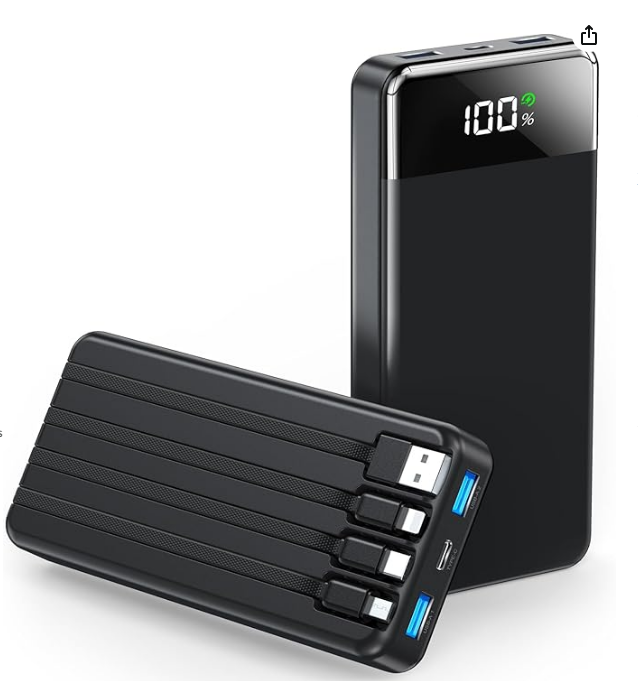
Home About Us Blog Mental Health Decoded Worse Case Scenario Technology Financial Freedom Self Defense featured Podcast Videos Shorts Self Defense Survival Motivation Herbal Remedies Videos Self Defense Survival Motivation Videos Conspiracy Videos Meditation & Relaxation Digital Dojo Digital Dojo Live Shop Self Defense Gear Prepper Gear Ebooks Mugs and Tunblers Stickers and Decals Apparel Phone Cases Contact Memberships Donations Privacy Policy X Popular Why the SABANI 35000mAh Power Bank is the Ultimate EDC Essential Stay Powered, Stay Prepared – The Best Power Bank for Everyday Carry In today’s world, staying connected is essential, and the last thing you want is for your phone or other devices to die when you need them most. Whether you’re an urban survivalist, an outdoor adventurer, or just someone who values preparedness, a reliable power bank is a crucial part of your everyday carry (EDC). The SABANI Portable Charger 35000mAh Power Bank is one of the best options available, offering long-lasting power, fast charging, and durability. Here’s why you should add it to your EDC gear. 1. Massive Battery Capacity With 35,000mAh, this power bank can charge most smartphones 8-10 times before needing a recharge. That means if you’re traveling, stuck in an emergency, or simply away from an outlet for extended periods, you won’t have to worry about running out of battery. 2. Multiple Charging Ports The SABANI power bank comes equipped with multiple USB ports, allowing you to charge several devices at once. Whether it’s your smartphone, tablet, smartwatch, or even a small laptop, this power bank ensures all your tech stays powered up. 3. Fast Charging Capabilities Time is valuable, and nobody wants to wait hours for their devices to charge. This power bank features fast-charging technology, which significantly reduces charge times. You can get your devices back to full power quickly and efficiently. 4. Durable & Rugged Design Designed for everyday carry, the SABANI power bank is built to withstand rough conditions. Whether you’re carrying it in your backpack, pocket, or survival kit, its sturdy build ensures longevity and reliability. 5. Essential for Emergency Preparedness A dead phone can mean no communication, no navigation, and no access to crucial information during an emergency. Having a reliable power source ensures you’re always connected, whether you’re dealing with a power outage, a natural disaster, or a survival situation. 6. Perfect for Travel & Outdoor Adventures For those who camp, hike, or travel frequently, this power bank is a game changer. You won’t have to worry about finding an outlet in remote areas, making it perfect for keeping your GPS, flashlight, and communication devices fully charged. Final Thoughts A solid power bank is an EDC essential, and the SABANI Portable Charger 35000mAh Power Bank is one of the best investments you can make. Its massive capacity, fast charging, durability, and multiple ports make it the perfect companion for daily life, emergencies, and adventures. If you’re serious about preparedness, this power bank should be in your gear lineup. Would you add this to your EDC? Let me know in the comments! Listen to this article in audio format. Blog 15 Decoded 6 EDC 2 featured 0 Financial Freedom 3 Gardening 1 Follow on Spotify LEARN MORE ON YOUTUBE! ADVERTISEMENT Click here ADVERTISEMENT Learn More ADVERTISEMENT Learn More ADVERTISEMENT Learn More RELATED POST urbanwarriorsurvival.com 20 March 2025 Blog EDC Why the SABANI 35000mAh Power Bank is the Ultimate EDC Essential urbanwarriorsurvival.com 14 March 2025 Blog Gardening How to Start a Survival Garden in the City (Even with Limited Space) urbanwarriorsurvival.com 13 March 2025 Blog EDC 5 Reasons Why Pepper Spray Is the Ultimate Self-Defense Tool urbanwarriorsurvival.com 10 March 2025 Blog Mental Health 7 Powerful Ways to Stay Mentally Strong in a Crisis and Avoid a Breakdown urbanwarriorsurvival.com 7 March 2025 Blog Survival Fitness Fighting Fit Friday: Why Survival Fitness is Different & Essential for Off-Grid Living urbanwarriorsurvival.com 6 March 2025 Blog Self Defense Top 5 Self-Defense Tools on Amazon: Enhance Your Personal Safety Address List 123, Any Street NorthYour City NameCountry Name. P.O 3554 +1 234 567 8902 Urban Warrior Survival Social Networks Facebook Twitter Instagram B.Roc Survival Podcast Discord Patreon Pinterest Youtube Links List Help Center Community Forums Blog Meetups B.Roc Survival Inc. All rights reserved
How to Start a Survival Garden in the City (Even with Limited Space)

Home About Us Blog Mental Health Decoded Worse Case Scenario Technology Financial Freedom Self Defense featured Podcast Videos Shorts Self Defense Survival Motivation Herbal Remedies Videos Self Defense Survival Motivation Videos Conspiracy Videos Meditation & Relaxation Digital Dojo Digital Dojo Live Shop Now Ebooks Urban Warrior Wall Art Health Apparel Prepper Gear Self Defense Gear Contact Memberships Donations Privacy Policy X Popular How to Start a Survival Garden in the City (Even with Limited Space) Grow Your Own Food, No Matter Where You Live! I know what you’re thinking—starting a survival garden in the city sounds like a challenge. I’ve been there too. Between the lack of space, unpredictable weather, and city regulations, it feels like an uphill battle. But let me tell you something: it’s completely possible and with the way things are going it’s very necessary. Even if you’re in an apartment with nothing but a small balcony or a few windowsills, you can still grow food. And if you have access to a rooftop, a backyard, or even a community garden, you can take it to the next level. The goal of a survival garden is simple: to provide you with fresh, nutrient-rich food, no matter what happens. Whether you’re preparing for emergencies, want to save money on groceries, or just want to become more self-sufficient, a survival garden is a game-changer. Here’s exactly how to start one, step by step. 1. Find Your Growing Space The first step is to assess where you can grow your food. In an urban environment, you have to get creative. But trust me—there’s always a way. Apartment Gardening If you live in an apartment, don’t worry—you still have options. Balconies are prime real estate for container gardening. Even a small 3×3 ft balcony can produce a surprising amount of food if you use vertical space wisely. If you don’t have a balcony, windowsills can be transformed into mini-gardens, especially for herbs and leafy greens. Backyards & Shared Spaces If you have a small backyard, congratulations—you’ve got prime gardening space! Even if it’s just a tiny patch of dirt, you can grow a ton of food. And if your yard is mostly concrete? No problem. Raised garden beds or large containers work just as well. If you don’t have access to a private yard, check out community gardens. Many cities have shared spaces where you can rent a plot for a small fee. This is a great way to get access to more space while connecting with other like-minded people. Rooftop Gardens If you have access to a rooftop, consider turning it into a survival garden. Many buildings have unused rooftop space that can be transformed into a thriving garden with the right setup. Just make sure to check with your landlord or building management before hauling up a bunch of soil and planters! 2. Choose the Right Crops Not all plants are suited for urban survival gardening. You want to focus on high-yield, low-maintenance crops that will actually provide real nutrition. Best Crops for Urban Survival Gardening Leafy Greens – Lettuce, spinach, kale, and Swiss chard grow fast and can be harvested multiple times. They’re also packed with vitamins and require very little space. Tomatoes – One of the most rewarding plants to grow in a container. A single tomato plant can yield pounds of fruit throughout the season. Peppers – Peppers thrive in pots and produce a ton of fruit per plant. Plus, they store well by drying or pickling. Herbs – Basil, mint, rosemary, thyme, and oregano are easy to grow and perfect for adding flavor to meals. Root Vegetables – Carrots, radishes, and potatoes can be grown in deep containers or grow bags. They don’t take up much space and are easy to store. Beans & Peas – These grow vertically, making them perfect for small spaces. Plus, they’re a great source of protein. The key is to choose plants that grow well in containers or small garden beds. The more compact and productive, the better. 3. Pick the Right Containers If you’re working with limited space, containers are going to be your best friend. But not all containers are created equal! Best Containers for Urban Gardening 5-Gallon Buckets – These are cheap, durable, and perfect for growing tomatoes, peppers, and potatoes. Just drill drainage holes at the bottom. Grow Bags – These fabric pots allow for great airflow and prevent overwatering. They work well for root vegetables and leafy greens. Vertical Planters – If you’re really tight on space, stacked planters or hanging baskets let you grow more in a small footprint. Recycled Containers – Old crates, bins, and even milk jugs can be repurposed into planters. Just make sure they have good drainage. The great thing about container gardening is that it allows you to move plants around, which is especially useful in unpredictable urban environments. 4. Get the Right Soil Urban soil isn’t always the best for gardening. It might be contaminated or lack nutrients. If you’re growing in containers, you can bypass this problem by using high-quality potting mix. DIY Potting Mix Recipe To create your own soil mix, combine: Compost (for nutrients) Coconut coir or peat moss (for water retention) Perlite or sand (for better drainage) Good soil is the foundation of a productive garden, so don’t skimp on this step! 5. Maximize Your Space with Smart Planting Since space is limited, you need to think vertically and use companion planting to get the most out of your garden. Trellises – Train vining plants like cucumbers, beans, and peas to grow upward instead of spreading out. Stacked Planters – Grow multiple layers of crops in tiered systems. Companion Planting – Some plants grow better together. For example, basil helps tomatoes thrive by repelling pests. The goal is to use every inch of available space to grow as much food as possible. 6. Water Wisely One challenge with urban gardening is keeping plants hydrated—especially in hot weather. Smart Watering Tips Self-Watering
5 Reasons Why Pepper Spray Is the Ultimate Self-Defense Tool

Home About Us Blog Mental Health Decoded Worse Case Scenario Technology Financial Freedom Self Defense featured Podcast Videos Shorts Self Defense Survival Motivation Herbal Remedies Videos Self Defense Survival Motivation Videos Conspiracy Videos Meditation & Relaxation Digital Dojo Digital Dojo Live Shop Self Defense Gear Prepper Gear Survival Garden Ebooks Mugs and Tunblers Stickers and Decals Apparel Supplements Contact Memberships Donations Privacy Policy X Popular 5 Reasons Why Pepper Spray Is a Great Self-Defense Tool Affordable, effective, and easy to carry—here’s why pepper spray should be your go-to self-defense weapon. In today’s world, personal safety is more important than ever. Whether you’re walking home late at night, traveling alone, or just want to be prepared, having a reliable self-defense tool can give you peace of mind. One of the best options out there? Pepper spray. It’s affordable, effective, and easy to carry. Here are five solid reasons why pepper spray should be your go-to self-defense tool. 1. It’s Highly Effective Against Attackers Imagine you’re walking through a parking lot at night, and someone suspicious approaches you aggressively. With pepper spray, a quick press of a button can stop them in their tracks. The active ingredient, oleoresin capsicum (OC), causes intense burning in the eyes, difficulty breathing, and temporary blindness—giving you precious seconds to escape. It works on both humans and aggressive animals, making it a versatile defense tool. 2. It’s Easy to Carry and Conceal Unlike a bulky weapon, pepper spray is small enough to fit in your pocket, purse, or attach to your keychain. Let’s say you’re out for a jog or heading to your car alone—having a compact, easily accessible self-defense tool can make all the difference. Many models come with quick-release keychains or belt clips, allowing you to grab and use them in a split second if needed. 3. It’s Legal in Most Places With increasing crime rates and rising concerns about personal safety, many people want a self-defense tool that doesn’t require a permit. Unlike firearms or stun guns, pepper spray is legal in most states (with some restrictions). As long as you follow local laws, you can carry it without worrying about legal trouble. This makes it a great choice for students, travelers, and everyday civilians. 4. It’s Non-Lethal but Still Powerful A major concern with self-defense weapons is the risk of causing permanent harm. Pepper spray is non-lethal, meaning it won’t cause long-term injuries, but it’s still powerful enough to incapacitate an attacker for 15 to 45 minutes. If you ever find yourself in a dangerous situation, using pepper spray allows you to defend yourself without crossing ethical or legal lines. 5. It Gives You Confidence and Peace of Mind Personal safety isn’t just about having a weapon—it’s about feeling safe and prepared. Carrying pepper spray can boost your confidence, knowing that you have a way to defend yourself if necessary. Whether you’re a college student walking to class, a night-shift worker heading home, or someone who just wants an added layer of protection, having pepper spray on hand can make you feel more secure in your daily life. Final Thoughts Pepper spray is one of the best self-defense tools you can carry—it’s effective, affordable, easy to use, and legal in most places. Whether you’re concerned about crime, personal safety, or just want to be prepared, adding pepper spray to your everyday carry (EDC) is a smart move. Stay safe, stay aware, and always be ready to protect yourself when needed! Listen to this article in audio format. Follow on Spotify LEARN MORE ON YOUTUBE! ADVERTISEMENT Click here ADVERTISEMENT Learn More ADVERTISEMENT Learn More ADVERTISEMENT Learn More RELATED POST urbanwarriorsurvival.com 16 April 2025 Blog Self Defense Top 9 Self-Defense Items Every Hiker Should Carry urbanwarriorsurvival.com 16 April 2025 Blog Natural Healing 15 Essential Items Every New Hiker Should Pack urbanwarriorsurvival.com 15 April 2025 Blog Natural Healing Self-Healing for Survival: 10 Essential Techniques to Stay Healthy Off the Grid urbanwarriorsurvival.com 14 April 2025 Blog Self Defense Is Martial Arts Good for Self-Defense and Survival? urbanwarriorsurvival.com 7 April 2025 Blog Decoded How to Survive a Tornado Attack: Preparation, Action, and Aftermath urbanwarriorsurvival.com 1 April 2025 Blog Decoded How to Use Visualization to Overcome Fear For Survival Address List 123, Any Street NorthYour City NameCountry Name. P.O 3554 +1 234 567 8902 Urban Warrior Survival Social Networks Facebook Twitter Instagram B.Roc Survival Podcast Discord Patreon Pinterest Youtube Links List Help Center Community Forums Blog Meetups B.Roc Survival Inc. All rights reserved
7 Powerful Ways to Stay Mentally Strong in a Crisis and Avoid a Breakdown

Home About Us Blog Mental Health Decoded Worse Case Scenario Technology Financial Freedom Self Defense featured Podcast Videos Shorts Self Defense Survival Motivation Herbal Remedies Videos Self Defense Survival Motivation Videos Conspiracy Videos Meditation & Relaxation Digital Dojo Digital Dojo Live Shop Now Ebooks Urban Warrior Wall Art Health Apparel Prepper Gear Self Defense Gear Contact Memberships Donations Privacy Policy X Popular 7 Powerful Ways to Stay Mentally Strong in a Crisis and Avoid a Breakdown Master your mindset, control your fear, and stay resilient when chaos strikes. A crisis situation—whether it’s a natural disaster, a sudden financial collapse, a personal emergency, or even a global catastrophe—can push the human mind to its limits. When chaos unfolds, stress and fear can easily take over, leading to poor decisions, paralysis, or even a total mental breakdown. The key to survival is not just having physical resources but mastering your mental resilience. Your mind is your greatest tool, and if you can keep it sharp, focused, and calm under pressure, you can navigate even the worst situations. Here are seven powerful strategies to keep your mind from breaking down when facing a crisis: 1. Control Your Breathing When panic sets in, your body’s natural response is to breathe faster and shallower, flooding your system with stress hormones like cortisol and adrenaline. This can lead to dizziness, disorientation, and even full-blown panic attacks. To counter this, you must take control of your breathing. One of the best techniques is box breathing, a method used by Navy SEALs to stay calm under extreme pressure: Inhale deeply through your nose for four seconds. Hold your breath for four seconds. Exhale slowly through your mouth for four seconds. Hold again for four seconds before repeating. This controlled breathing technique tricks your nervous system into a state of calm, helping you regain focus and clarity. Practicing this daily—even outside of crisis situations—can make it second nature when you need it most. 2. Assess the Situation Objectively In a crisis, emotions can cloud your judgment. Fear, anger, or sadness can make problems seem bigger than they actually are, leading to panic-driven decisions. The best way to maintain control is to force yourself into an objective mindset—think like an outsider looking at the situation logically. Ask yourself these three questions: What is the immediate threat? Identify the real danger, not just what your mind is exaggerating. What resources do I have? This includes physical supplies (food, water, shelter) and skills (first aid, navigation, self-defense). What is the next logical step? Instead of getting overwhelmed by the entire problem, focus on one action at a time. The key here is breaking the problem into manageable pieces. A chaotic mind leads to paralysis, but a structured approach leads to action. 3. Focus on What You Can Control One of the biggest causes of mental breakdowns is worrying about things outside your control. You cannot change the weather, other people’s actions, or past mistakes. What you can control is your response to the situation. Imagine you’re stranded after a disaster. Wasting time worrying about when help will arrive won’t serve you. But focusing on your immediate needs—finding shelter, securing water, staying warm—will. A simple mindset shift can prevent a spiral into panic: When fear creeps in, redirect your thoughts to what you can do right now. Set small, achievable tasks for yourself to maintain a sense of progress. Repeat a mantra like “I control my actions, not the chaos around me.” By shifting your focus to the controllable, you prevent helplessness from creeping in. 4. Use the 5-4-3-2-1 Grounding Technique When anxiety peaks, your brain can detach from reality, making it difficult to think clearly. Grounding techniques help bring you back to the present moment, reducing panic and improving mental clarity. One of the best ways to do this is through the 5-4-3-2-1 method: 5 things you can see – Look around and name five visible objects (a tree, a backpack, a crack in the wall). 4 things you can touch – Feel four textures (your clothes, the ground, your skin, an object nearby). 3 things you can hear – Listen for three distinct sounds (birds, wind, distant traffic). 2 things you can smell – Identify two scents (earth, food, smoke). 1 thing you can taste – Focus on your saliva, a sip of water, or any lingering taste. This technique forces your brain to focus on the present instead of spiraling into worst-case scenarios. Practicing it in moments of calm makes it easier to use under stress. 5. Adopt a Warrior Mindset Survivors don’t think of themselves as victims; they adopt the mindset of a warrior. When faced with adversity, a warrior does not crumble—they adapt, endure, and overcome. This means: Reframing obstacles as challenges you are meant to conquer. Speaking to yourself with strength, not defeat. Instead of “I can’t handle this,” say “I’ve survived worse, and I will survive this too.” Using past hardships as proof that you can make it through tough times again. Developing mental toughness before a crisis happens—through physical training, stress exposure, and discipline—helps you face real challenges with grit and determination. 6. Stick to a Simple Routine When everything around you is in disarray, creating a small sense of normalcy can keep your mind from spiraling. Even in extreme situations, humans crave structure—it gives us a sense of stability and control. Some simple routines to maintain in a crisis: Eating at consistent times, even if meals are small. Stretching or exercising to relieve tension. Journaling or mentally reviewing what went well each day. Keeping your environment organized (a tidy space helps a tidy mind). It doesn’t have to be elaborate. Even a small sense of control over daily actions can prevent mental breakdowns. 7. Lean on Your Tribe (or Build One Fast) Humans are not meant to survive alone. When facing extreme stress, having even one other person to rely on can make a massive difference in mental stability. If you’re
Fighting Fit Friday: Why Survival Fitness is Different & Essential for Off-Grid Living

Home About Me Blog Mental Health Decoded Worse Case Scenario Technology Financial Freedom Self Defense featured Podcast Videos Shorts Self Defense Survival Motivation Herbal Remedies Videos Self Defense Survival Motivation Videos Conspiracy Videos Meditation & Relaxation Digital Dojo Digital Dojo Live Shop Now Ebooks Urban Warrior Wall Art Health Apparel Prepper Gear Self Defense Gear Car & Van Camping Soaps Contact Memberships Donations Privacy Policy X Popular Fighting Fit Friday: Why Survival Fitness is Different & Essential for Off-Grid Living Get Survival-Strong: Train for Off-Grid Living! Most workout routines focus on aesthetics, weight loss, or general fitness, but survival fitness is an entirely different beast. If you’re planning to live off the grid, you need a body that’s tough, resilient, and capable of handling real-world challenges. Traditional workouts in a gym won’t cut it when you’re hauling wood, climbing obstacles, or defending yourself in unpredictable situations. That’s where Fighting Fit Friday Survival comes in—a workout regimen designed for those who want to build functional strength, endurance, and adaptability for off-grid survival. How Survival Fitness is Different Unlike conventional workouts that emphasize isolated muscle growth or controlled gym movements, survival fitness focuses on practical strength, endurance, and mental resilience. Here’s why it stands out: Full-Body Functional Strength: Instead of machines targeting single muscles, survival workouts use compound movements that train multiple muscle groups at once. Grip & Carrying Strength: You won’t need to bench press a barbell in the wild, but you will need to lift heavy logs, carry water, or drag supplies. Explosive Power & Agility: Quick bursts of energy can mean the difference between escaping a threat or getting caught. Endurance & Stamina: Whether it’s hiking for miles, chopping wood, or foraging, survival fitness builds the stamina necessary to sustain hard labor over long hours. Adaptability & Mental Grit: Unpredictable terrain and real-world situations require you to be strong in dynamic, ever-changing conditions. Why You Need These Workouts for Off-Grid Living Going off the grid means relying on your body every day to perform tough physical tasks. Here’s why you need this type of training: Carrying Heavy Loads: Hauling firewood, water, or supplies over rough terrain requires serious core and back strength. Climbing & Traversing Obstacles: Whether it’s climbing trees, scrambling over rocks, or crossing rivers, mobility and agility are critical. Self-Defense & Combat Readiness: Living off-grid means being prepared to defend yourself and your resources. Long-Term Sustainability: Survival isn’t a one-time event—it’s a lifestyle. Your body needs to stay strong for the long haul. Best Simple Workouts for Survival Fitness You don’t need a gym or fancy equipment to get Fighting Fit. Here are the best simple, effective workouts for survival conditioning: 1. Strength & Functional Training Push-ups & Variations: Builds upper body and core strength. Pull-ups & Hanging Exercises: Develops grip and back strength. Squats & Lunges: Strengthens legs for hiking and carrying loads. Deadlifts (Using Sandbags or Logs): Simulates lifting heavy objects in nature. 2. Endurance & Conditioning Rucking (Hiking with a Weighted Backpack): Builds endurance and simulates carrying supplies. Sprints & Hill Climbs: Trains explosive power and cardiovascular endurance. Jump Rope & Shadowboxing: Enhances coordination and stamina. 3. Survival-Specific Drills Obstacle Course Training: Climbing, crawling, and balancing for real-world agility. Farmer’s Carries (Heavy Object Carries): Strengthens grip and total body endurance. Improvised Weapon Drills: Practicing with sticks or tools for self-defense readiness. 4. Recovery & Mental Resilience Cold Exposure (Cold Showers, Ice Baths): Builds mental toughness and aids recovery. Breathwork & Meditation: Enhances focus, stress management, and endurance under pressure. The Fighting Fit Friday Routine Rotate focus each week for well-rounded survival fitness: Week 1: Strength & endurance Week 2: Agility & speed Week 3: Self-defense & combat Week 4: Survival drills & real-world scenarios By incorporating Fighting Fit Friday into your training, you’ll prepare your body and mind for the unpredictable nature of off-grid living. Survival isn’t just about knowledge—it’s about having the physical ability to put that knowledge into action. Train smart, stay strong, and be ready for whatever comes your way. Listen to this article in audio format. Blog 11 Decoded 7 featured 0 Financial Freedom 5 Mental Health 1 Prepping 1 Follow on Spotify LEARN MORE ON YOUTUBE! ADVERTISEMENT Click here ADVERTISEMENT Learn More ADVERTISEMENT Learn More ADVERTISEMENT Learn More RELATED POST urbanwarriorsurvival.com 7 March 2025 Blog Survival Fitness Fighting Fit Friday: Why Survival Fitness is Different & Essential for Off-Grid Living urbanwarriorsurvival.com 6 March 2025 Blog Self Defense Top 5 Self-Defense Tools on Amazon: Enhance Your Personal Safety urbanwarriorsurvival.com 28 February 2025 Blog Decoded 7 Jobs You Can Start Today to Make Quick Cash urbanwarriorsurvival.com 27 February 2025 Blog Decoded 7 Must-Have Essentials Every Prepper Needs To Survive urbanwarriorsurvival.com 26 February 2025 Blog Decoded How to Avoid AI-Controlled Drones and Robot Police: Stay Off the Radar urbanwarriorsurvival.com 25 February 2025 Blog Decoded Breaking Free from the Matrix: How to Escape the System Controlling Your Life Address List 123, Any Street NorthYour City NameCountry Name. P.O 3554 +1 234 567 8902 Urban Warrior Survival Social Networks Facebook Twitter Instagram B.Roc Survival Podcast Discord Patreon Pinterest Youtube Links List Help Center Community Forums Blog Meetups B.Roc Survival Inc. All rights reserved
Top 5 Self-Defense Tools on Amazon: Enhance Your Personal Safety

Home About Me Blog Mental Health Decoded Worse Case Scenario Technology Financial Freedom Self Defense featured Podcast Videos Shorts Self Defense Survival Motivation Herbal Remedies Videos Self Defense Survival Motivation Videos Conspiracy Videos Meditation & Relaxation Digital Dojo Digital Dojo Live Shop Now Ebooks Urban Warrior Wall Art Health Apparel Prepper Gear Self Defense Gear Car & Van Camping Soaps Contact Memberships Donations Privacy Policy X Popular Top 5 Self-Defense Tools on Amazon: Enhance Your Personal Safety Equip Yourself with the Best: A Guide to Amazon’s Top Self-Defense Products In today’s unpredictable world, personal safety has become a paramount concern. With escalating global tensions and reports of societal unrest, individuals are increasingly seeking reliable self-defense tools. Here are five highly recommended options available on Amazon, each accompanied by a situational scenario reflecting current events: SABRE Pepper Spray with Quick Release Key Ring Amid rising home invasion statistics, imagine returning home late at night to find an unfamiliar figure attempting to break in. Equipped with the SABRE Pepper Spray on your keychain, you can swiftly deter the intruder from a safe distance, providing you precious moments to call for help. This compact spray offers up to 25 bursts and a 10-foot range, ensuring reliable protection when it matters most. View on Amazon FIGHTSENSE Super Heavy Duty Mini Stun Gun with Flashlight In light of recent global conflicts and the looming threat of World War III, societal stability can be unpredictable. Imagine navigating through a city experiencing civil unrest when confronted by a potential threat. The FIGHTSENSE Mini Stun Gun delivers a powerful electric shock to deter aggressors and features a built-in flashlight to navigate dark or chaotic environments. Its compact design ensures it’s discreet yet accessible when needed. View on Amazon Birdie Personal Safety Alarm With societal tensions escalating, public spaces can sometimes become unpredictable. Envision being in a crowded area when a sudden disturbance occurs, and you feel threatened. Activating the Birdie Personal Safety Alarm emits a loud siren and flashing light, drawing immediate attention to your situation and potentially deterring any would-be attackers. It’s lightweight, stylish, and easy to carry on your bag or keychain. View on Amazon CRKT Williams Defense Key In times of societal collapse, everyday items can serve as vital self-defense tools. Suppose you’re navigating through a destabilized urban area, and someone threatens your safety. The CRKT Williams Defense Key, designed to look like a regular key, serves as a discreet yet effective self-defense tool. Its ergonomic design allows you to apply pressure to sensitive areas, helping you escape dangerous situations without attracting unwanted attention. View on Amazon Fenix E35R Rechargeable Flashlight With infrastructure potentially compromised due to global conflicts, power outages may become more frequent. Imagine returning to your residence during a blackout and hearing suspicious noises nearby. The Fenix E35R Flashlight not only illuminates your surroundings with its powerful beam but can also disorient potential threats, providing you with a non-lethal means of protection. Its durable build and rechargeable battery make it a reliable companion in uncertain times. View on Amazon A Few Things to Keep in Mind: Know the Laws: Self-defense tools are subject to local regulations. Before purchasing, ensure the item is legal in your area. Get Comfortable: Familiarize yourself with how to use any self-defense tool you carry. Confidence and proper handling can make all the difference in a tense situation. Use Responsibly: These tools are meant for protection. Always use them ethically and only when necessary. Stay safe out there, and remember that being prepared can help you feel more secure in these uncertain times. Listen to this article in audio format. Blog 10 Decoded 7 featured 0 Financial Freedom 5 Mental Health 1 Prepping 1 Follow on Spotify LEARN MORE ON YOUTUBE! ADVERTISEMENT Click here ADVERTISEMENT Learn More ADVERTISEMENT Learn More ADVERTISEMENT Learn More RELATED POST urbanwarriorsurvival.com 6 March 2025 Blog Self Defense Top 5 Self-Defense Tools on Amazon: Enhance Your Personal Safety urbanwarriorsurvival.com 28 February 2025 Blog Decoded 7 Jobs You Can Start Today to Make Quick Cash urbanwarriorsurvival.com 27 February 2025 Blog Decoded 7 Must-Have Essentials Every Prepper Needs To Survive urbanwarriorsurvival.com 26 February 2025 Blog Decoded How to Avoid AI-Controlled Drones and Robot Police: Stay Off the Radar urbanwarriorsurvival.com 25 February 2025 Blog Decoded Breaking Free from the Matrix: How to Escape the System Controlling Your Life urbanwarriorsurvival.com 24 February 2025 Blog Mental Health How to Identify and Slay Energy Vampires: Protect Your Energy and Peace Address List 123, Any Street NorthYour City NameCountry Name. P.O 3554 +1 234 567 8902 Urban Warrior Survival Social Networks Facebook Twitter Instagram B.Roc Survival Podcast Discord Patreon Pinterest Youtube Links List Help Center Community Forums Blog Meetups B.Roc Survival Inc. All rights reserved
7 Jobs You Can Start Today to Make Quick Cash

Home About Me Blog Feed Blog Mental Health Decoded Worse Case Scenario Technology Financial Freedom Self Defense featured Podcast Programs Fitness Self Defense Nutrition Archery Yoga & Meditation Consultations Off The Grid Videos Shorts Self Defense Survival Motivation Herbal Remedies Videos Self Defense Survival Motivation Videos Conspiracy Videos Meditation & Relaxation Digital Dojo Digital Dojo Live Shop Now Digital Prints Urban Warrior Designs Health Apparel Prepper Gear Self Defense Gear Candles Soaps Contact Memberships Donations Privacy Policy X Popular 7 Jobs You Can Start Today to Make Money Fast No degrees, no waiting—just simple ways to start making money today! Times are tough, and waiting weeks or months to start making money isn’t always an option. Whether you need some extra cash or want to break free from the 9-to-5 grind, there are plenty of jobs you can start right now with little to no upfront investment. No complicated training, no fancy degrees—just hustle and action. Let’s get into it! 1. Freelance Services (Writing, Graphic Design, Virtual Assistance, Etc.) Got a skill? You can start offering it today on platforms like Fiverr or Upwork. Whether it’s writing blog posts, designing logos, or helping busy people with admin work, freelancing is one of the fastest ways to make money online. Set up a profile, list your services, and start pitching! Bonus Tip: If you don’t have experience, offer free or discounted work to build a portfolio fast. 2. Food or Grocery Delivery (Uber Eats, DoorDash, Instacart) If you’ve got a car (or even a bike in some cities), you can start making money today with food delivery apps. Sign up, get approved (usually within hours), and start accepting delivery requests. Easy money, flexible hours, and no boss breathing down your neck! Bonus Tip: Drive during peak meal hours to maximize earnings. 3. Flipping Items for Profit Ever heard the phrase “one man’s trash is another man’s treasure”? Hit up thrift stores, garage sales, or Facebook Marketplace for cheap items and resell them for profit. Look for electronics, furniture, sneakers, or collectibles—things that people are always searching for. Bonus Tip: Check eBay or Facebook Marketplace to see what items are trending before you buy. 4. Pet Sitting or Dog Walking People love their pets, but they don’t always have time to care for them properly. If you enjoy animals, you can start making money as a dog walker or pet sitter using apps like Rover or Wag. You can even find clients the old-school way—by posting on social media or putting up flyers in your neighborhood. Bonus Tip: Offer overnight pet-sitting services for higher payouts. 5. House Cleaning or Odd Jobs If you don’t mind getting your hands dirty, cleaning houses or doing odd jobs like assembling furniture or painting can bring in quick cash. Sign up on TaskRabbit, post in local Facebook groups, or simply knock on doors and offer your services. Bonus Tip: Invest in some basic cleaning supplies and tools to look more professional. 6. Teaching or Tutoring Online If you’re good at math, languages, or even playing the guitar, you can start tutoring online today. Websites like Wyzant, Cambly, or even Zoom let you teach people from anywhere in the world. No formal teaching degree needed—just knowledge and the ability to explain things clearly. Bonus Tip: Specialize in high-demand subjects like SAT prep or ESL (English as a Second Language) to attract more clients. 7. Selling Handmade or Digital Products If you’ve got a creative side, start selling handmade goods on Etsy or digital products like e-books, printables, or templates on Gumroad. Once you upload a digital product, you can make money while you sleep—passive income at its finest! Bonus Tip: Use free tools like Canva to create digital products without spending a dime. Final Thoughts The key to making money fast isn’t waiting for the “perfect” job—it’s taking action now. Pick one of these jobs, dive in, and start making money today. Whether you’re just looking for extra cash or trying to escape the rat race, there’s a way to make it happen. Which of these jobs are you going to try first? Let me know in the comments! #FinancialFriday #MakeMoneyToday #SideHustle Listen to this article in audio format. Blog 9 Decoded 7 featured 0 Financial Freedom 5 Mental Health 1 Prepping 1 Follow on Spotify LEARN MORE ON YOUTUBE! ADVERTISEMENT Learn More ADVERTISEMENT Learn More ADVERTISEMENT Learn More RELATED POST urbanwarriorsurvival.com 28 February 2025 Blog Decoded 7 Jobs You Can Start Today to Make Quick Cash urbanwarriorsurvival.com 27 February 2025 Blog Decoded 7 Must-Have Essentials Every Prepper Needs To Survive urbanwarriorsurvival.com 26 February 2025 Blog Decoded How to Avoid AI-Controlled Drones and Robot Police: Stay Off the Radar urbanwarriorsurvival.com 25 February 2025 Blog Decoded Breaking Free from the Matrix: How to Escape the System Controlling Your Life urbanwarriorsurvival.com 24 February 2025 Blog Mental Health How to Identify and Slay Energy Vampires: Protect Your Energy and Peace urbanwarriorsurvival.com 23 February 2025 Self Defense Worse Case Scenario When Humanoid AI Robots Attack How to Stop Them Address List 123, Any Street NorthYour City NameCountry Name. P.O 3554 +1 234 567 8902 Urban Warrior Survival Social Networks Facebook Twitter Instagram B.Roc Survival Podcast Discord Patreon Pinterest Youtube Links List Help Center Community Forums Blog Meetups B.Roc Survival Inc. All rights reserved