
8 Steps to Survive a Zombie Apocalypse
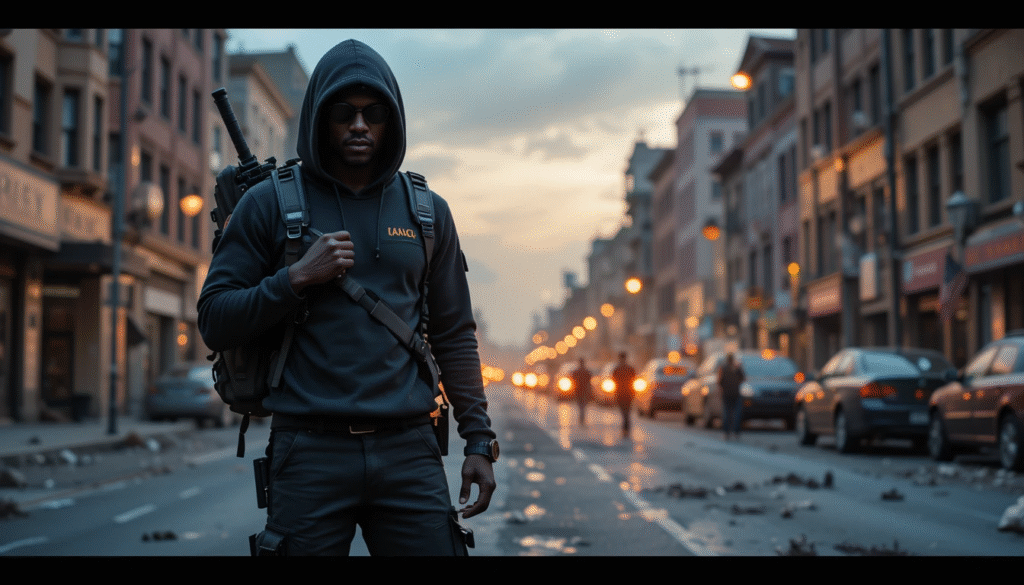
Home About Me Blog Mental Health Nature Decoded Disaster Preparedness Be Your Own Boss Self Defense featured Podcast Videos Shorts Self Defense Survival Motivation Herbal Remedies Live Streams Digital Dojo Mental Health Hacks Meditation & Relaxation Sleep Sounds Self Defense Survival Lessons From Nature Primal Fitness Tech Review: Urban & Wilderness Tech for Survival Shop Recommendations Self Defense Gear Prepper Gear Survival Garden Natural Healing Fitness Equipment Supplements Apparel Mugs and Tunblers Phone Cases Digital Downloads Studio Memberships Donations Calendar Chatroom Forum X Popular 8 Steps to Survive a Zombie Apocalypse 8 Tips to Let You Be the Last Man Standing in a Zombie Apocalypse Everybody jokes about a zombie apocalypse—movies, memes, Halloween costumes. But let’s keep it real: zombies are just the stand-in for collapse. Could be a virus, could be mobs losing their minds, could be something supernatural coming out the dirt—you get the point. Survival is survival. If you’re ready for zombies, you’re ready for anything. So let me walk you through my 8-step plan. (Like I’m talking about if the world flipped upside down tonight, what I’d actually do.) Step One: Lock Down Shelter Before the Dead Lock Onto You First move? Shelter. Forget fancy condos or skyscrapers—they’re glass death traps. You want somewhere solid with limited ways in and at least one way out. Farmhouse, old warehouse, even an abandoned bunker if you’re lucky. (Like I’m talking about a place you can fortify without trapping yourself.) Step Two: Grab Weapons That Keep You Alive, Not Just Loud Movies got y’all twisted. Guns? They’re loud, ammo runs out, and the noise brings more trouble. Your real best friend is steel: machete, hatchet, survival knife. Quiet, doesn’t jam, never runs out of bullets. If you want range, grab a bow or crossbow—silent and deadly. (Like I’m talking about weapons that keep you alive, not weapons that make you look cool.) Step Three: Secure Water and Food Before Your Body Gives Out Here’s the truth—zombies won’t kill you faster than thirst will. Water is priority number one. Filters, purifiers, rain catchers, collapsible canteens—stack all of that. Food comes next: cans, jerky, grains, seeds. Stuff that lasts. Fire is your backup plan—it cooks, it sterilizes, it keeps your head straight when the night gets ugly. Step Four: Control Fire and Light or You’re a Walking Beacon Yeah, fire keeps you alive—but it can also get you spotted. Don’t turn yourself into a lighthouse. Keep fires small, hidden, and low. And don’t get caught standing in front of a window lit up like it’s story time. (Like I’m talking about surviving, not sending zombies and raiders an invitation to dinner.) Step Five: Move Like a Shadow or End Up as Dinner Don’t act like the world is safe—it’s not. You move quiet, you move light, you move smart. Stick to cover, avoid open streets, and keep it low. Travel at dawn or dusk. Why? Because you can see, but you’re harder to spot. (Like I’m talking about moving like you’re hunting ghosts while ghosts are hunting you.) Step Six: Talk Without Talking—Silence Is Survival Noise is your enemy. If you’ve got people with you, you better figure out how to talk without talking. Hand signals, flashes of light, tapping codes—keep it quiet. Radios with earpieces are gold, but don’t count on finding them. (Like I’m talking about making silence your language.) Step Seven: Fortify, Set Watches, and Never Get Caught Sleeping Your shelter doesn’t mean jack if you don’t lock it down. Barricade, reinforce, trap the outside if you can. And don’t slack on watch duty. Rotate shifts, keep eyes open. One slip, one nap, and it’s over. (Like I’m talking about discipline being the difference between breathing tomorrow or becoming part of the horde.) Step Eight: Choose Your Tribe Like Your Life Depends on It (Because It Does) Here’s the hard truth: you won’t last long by yourself. But that doesn’t mean you let just anybody in. Skills matter—fighters, medics, farmers, mechanics. But loyalty? That matters more. Betrayal gets you killed quicker than bites. (Like I’m talking about choosing the people you’d trust to guard your life while you sleep.) Conclusion There it is—8 steps to surviving zombies, or really any kind of collapse. This ain’t about swinging bats at movie monsters—it’s about being ready for chaos when it hits. Keep your shelter tight, your weapons practical, your movements quiet, and your tribe solid. Do that, and you won’t just survive—you’ll own the apocalypse. (Like I’m talking about walking through hell while everyone else is tripping over their own fear.) LISTEN NOW GEAR SHOP TWITCH DISCORD VIEW THIS ARTICLE ON YOUTUBE FOLLOW ON SPOTIFY ADVERTISEMENT Learn More ADVERTISEMENT Learn More ADVERTISEMENT Learn More ADVERTISEMENT Learn More VISIT ME ON TWITCH! Learn More RELATED POST urbanwarriorsurvival.com 13 September 2025 Be Your Own Boss Blog featured 8 Steps to Survive a Zombie Apocalypse urbanwarriorsurvival.com 10 September 2025 Be Your Own Boss Blog featured 8 Ways to Start Making Your Own Money urbanwarriorsurvival.com 8 September 2025 Blog featured Primal Fitness 7 WAYS TO GET YOUR BODY IN DOOMSDAY SURVIVAL SHAPE urbanwarriorsurvival.com 18 August 2025 Blog featured Weapons BOWS VS CROSSBOWS: WHICH IS BETTER FOR SURVIVAL? urbanwarriorsurvival.com 17 August 2025 Blog featured Primal Fitness Top 5 Reasons Relationships in the Western World Are Dead urbanwarriorsurvival.com 15 August 2025 Blog featured Primal Fitness The 15 Best No-Gym Exercises for Preppers & Homesteaders Social Networks Facebook Twitter Instagram B.Roc Survival Podcast Discord Patreon Pinterest Youtube Links List Help Center Community Forums Blog Meetups B.Roc Survival Inc. All rights reserved
8 Ways to Start Making Your Own Money

Home About Me Blog Mental Health Nature Decoded Disaster Preparedness Be Your Own Boss Self Defense featured Podcast Videos Shorts Self Defense Survival Motivation Herbal Remedies Live Streams Digital Dojo Mental Health Hacks Meditation & Relaxation Sleep Sounds Self Defense Survival Lessons From Nature Primal Fitness Tech Review: Urban & Wilderness Tech for Survival Shop Recommendations Self Defense Gear Prepper Gear Survival Garden Natural Healing Fitness Equipment Supplements Apparel Mugs and Tunblers Phone Cases Digital Downloads Studio Memberships Donations Calendar Chatroom Forum X Popular F-the-Matrix Friday: 8 Ways to Start Making Your Own Money Make your own money even if you don’t have much money to start. Hey, it’s Friday, so let’s talk about something practical—making your own money. Not some “get rich quick” scheme, but ways to start building income that isn’t tied to a boss or a 9-to-5. Stuff you can start today, even if you don’t have much to work with. Here are a few ways I’ve seen work and some ideas to get started. 1 Freelancing & Online Services Offering a skill online is one of the fastest ways to start making money. You don’t need a degree or years of experience to get started. Skills like writing, graphic design, coding, or social media management are in demand, and you can offer them immediately. The beauty is that you’re getting paid for your own abilities, not someone else’s business. Why it helps you break free: You’re not relying on someone else’s schedule or decisions. Your skills = your independence. How to start cheap: Fiverr, Upwork, or even social media. A laptop and an internet connection are enough. 2. Sell Digital Products or Prints Creating digital products is a way to make money without holding inventory. You make it once, and people can buy it over and over. It could be ebooks, templates, art, or printables. Once it’s out there, it can earn income passively while you focus on other things. Why it helps you break free: Passive income that keeps coming even when you’re not actively working. How to start cheap: Canva, free AI design tools, Etsy, or Gumroad. You can get started with almost nothing. 3. Flipping Items / Reselling Buying items for cheap and selling them for a profit is a skill that never gets old. It teaches you how to spot value where others don’t see it. You’re building entrepreneurial muscle while creating cash flow outside a corporate job. Even small profits add up quickly if you’re consistent. Why it helps you break free: Builds cash flow and entrepreneurial skills outside a corporate job. How to start cheap: Start with what you already own, garage sales, or thrift stores. You don’t need more than $20 to get rolling. 4. Affiliate Marketing Affiliate marketing is recommending products online and earning a commission when people buy. You don’t make the product; you just connect it to the right audience. With the right approach, it can turn into a steady income stream. It’s a way to get paid for helping people find solutions. Why it helps you break free: Multiple income streams, and once you set it up, it can keep running on its own. How to start cheap: Sign up for Amazon, ClickBank, or ShareASale. Use social media, blogs, or a simple YouTube channel. 5. Microbusiness / Side Hustle Small businesses don’t have to be complicated. Even a simple service can start generating cash and teach you independence. Dog walking, tutoring, lawn care, or cleaning are examples that need almost nothing to start. The key is consistency and building a reputation over time. Why it helps you break free: You’re in control. Skills you build today can turn into income tomorrow. How to start cheap: Service-based stuff like dog walking, tutoring, lawn care, or cleaning. Almost no money upfront. 6. Content Creation (YouTube, TikTok, Podcasting) Sharing your perspective or knowledge online can generate income if you build an audience. You can focus on anything you’re interested in, from tutorials to commentary. Over time, ads, sponsorships, or donations can turn attention into real money. Starting small is enough to see if it works for you. Why it helps you break free: You own your platform and the attention you generate. That’s power outside the system. How to start cheap: Your phone is enough to start. Free platforms are all around: YouTube, TikTok, or Anchor for podcasts. 7. Teaching or Tutoring Online If you know something, someone else probably wants to learn it. Teaching online is a straightforward way to monetize your knowledge. You can do it live, through pre-recorded lessons, or even just answering questions. It’s a skill that stays valuable no matter what else changes around you. Why it helps you break free: Knowledge is portable and earns you money wherever you are. How to start cheap: Platforms like Preply or Tutor.com, or even social media. You don’t need much more than your knowledge. 8. Handmade Crafts or Physical Products Making things with your hands and selling them is a classic way to earn. If you’re creative, this can turn into a solid side income. You learn skills and get independence at the same time. The best part is that you’re creating something tangible that people value. Why it helps you break free: Your skills and products = independent income, plus you’re building real-world value. How to start cheap: Use materials you already have or get low-cost supplies. Sell through Etsy, Instagram, or local markets. Outro:That’s it for this week. None of this is complicated. The goal is to start building income that isn’t tied to a boss or the system. Pick one thing, try it, and just start. You’ll learn more doing than thinking about it, and each step brings you closer to independence. LISTEN NOW GEAR SHOP TWITCH DISCORD VIEW THIS ARTICLE ON YOUTUBE FOLLOW ON SPOTIFY ADVERTISEMENT Learn More ADVERTISEMENT Learn More ADVERTISEMENT Learn More ADVERTISEMENT Learn More VISIT ME ON TWITCH! Learn More RELATED POST urbanwarriorsurvival.com 10 September 2025
7 WAYS TO GET YOUR BODY IN DOOMSDAY SURVIVAL SHAPE
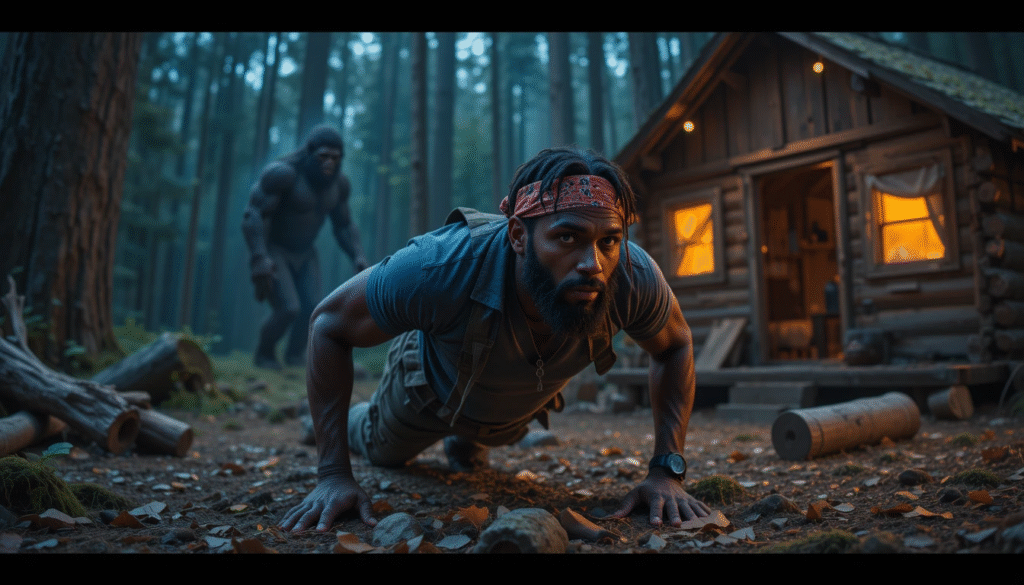
Home About Me Blog Mental Health Nature Decoded Disaster Preparedness Be Your Own Boss Self Defense featured Podcast Videos Shorts Self Defense Survival Motivation Herbal Remedies Live Streams Digital Dojo Mental Health Hacks Meditation & Relaxation Sleep Sounds Self Defense Survival Lessons From Nature Primal Fitness Tech Review: Urban & Wilderness Tech for Survival Shop Recommendations Self Defense Gear Prepper Gear Survival Garden Natural Healing Fitness Equipment Supplements Apparel Mugs and Tunblers Phone Cases Digital Downloads Studio Memberships Donations Calendar Chatroom Forum X Popular 7 WAYS TO GET YOUR BODY IN DOOMSDAY SURVIVAL SHAPE Increase Your Chances To Survive With These 7 Tricks When doomsday hits, your body isn’t just a vessel—it’s your primary weapon, shield, and transport. Strength, endurance, and resilience aren’t optional, they’re survival. Let’s break down the 7 training strategies to get your body ready for the end of the world. 1. Build Functional Strength, Not Just Muscle Forget bodybuilding for looks—train for real-life tasks like carrying supplies, lifting rubble, and dragging someone to safety. Compound lifts and odd-object training prepare your body for chaos. Doomsday Supernatural Survival Scenario: You’re hauling water jugs and makeshift weapons while outrunning a group of mutated creatures through broken streets. Urban Survival Scenario: A collapsed building traps someone, and you have to move concrete slabs with your bare strength to pull them out. “Strength isn’t how much you can lift—it’s how much you can carry when no one else can.” 2. Train for Endurance, Not Just Speed Survival is a marathon, not a sprint. Ruck with weight, run in intervals, and keep your heart conditioned for long battles against exhaustion. Doomsday Supernatural Survival Scenario: You must trek miles across wastelands while avoiding patrols of otherworldly hunters. Urban Survival Scenario: The grid goes down, and you’re forced to walk 15 miles home from work through a city blackout. “The one who keeps moving, survives.” 3. Master Bodyweight Control When gyms don’t exist, your body is your best tool. Pull-ups, push-ups, planks, and burpees prepare you to lift yourself over walls or crawl through tight spaces. Doomsday Supernatural Survival Scenario: You’re hanging from the edge of a broken skyscraper, pulling yourself up before a flying predator spots you. Urban Survival Scenario: A riot blocks your path, and the only escape is climbing a fire escape ladder with just your bodyweight. “If you can’t control your own body, how will you control your survival?” 4. Train Grip Strength for Real Survival Tasks Your grip can save your life—whether holding onto a rope, carrying gear, or wielding a weapon. Dead hangs, rope climbs, and farmer carries build this overlooked skill. Doomsday Supernatural Survival Scenario: You’re dangling from a helicopter skid, gripping tight as it lifts you away from a horde. Urban Survival Scenario: You need to hold onto a rope to cross a flooded alleyway—losing your grip means being swept away. “The world slips away from the weak grip.” 5. Add Combat Fitness Drills You may have to fight for food, safety, or survival. Practice short bursts of explosive training, combat striking, and grappling drills. Doomsday Supernatural Survival Scenario: A demonic creature lunges at you, and you have seconds of explosive strength to strike, evade, and run. Urban Survival Scenario: You’re jumped in an alley and must defend yourself before sprinting to safety. “Train like every fight decides your tomorrow—because one day, it will.” 6. Build Survival Flexibility & Mobility Strong but stiff means broken under pressure. Daily stretching, yoga, and mobility work help you stay agile and injury-resistant. Doomsday Supernatural Survival Scenario: You squeeze through a cracked tunnel to escape collapsing underground chambers. Urban Survival Scenario: You crawl under wreckage to grab your supplies when trapped in a subway car. “The tree that bends in the storm survives the wind.” 7. Condition Your Mind Alongside Your Body Muscles fail when the mind quits. Train mental toughness with fasting, cold exposure, and hard workouts. Survival demands resilience as much as strength. Doomsday Supernatural Survival Scenario: Alone in the wasteland, hunger gnaws at you, but your mind pushes you forward when your body screams to stop. Urban Survival Scenario: Stuck in a week-long blackout, your neighbors panic while you stay focused, calm, and resourceful. “The strongest weapon in survival is an unbreakable mind.” Final Words Doomsday survival shape isn’t about fitness trends—it’s about creating a body and mind that won’t fail when the world does. Train now, so when the test comes, you don’t just survive… you thrive. LISTEN NOW GEAR SHOP TWITCH DISCORD VIEW THIS ARTICLE ON YOUTUBE FOLLOW ON SPOTIFY ADVERTISEMENT Learn More ADVERTISEMENT Learn More ADVERTISEMENT Learn More ADVERTISEMENT Learn More VISIT ME ON TWITCH! Learn More RELATED POST urbanwarriorsurvival.com 8 September 2025 Blog featured Primal Fitness 7 WAYS TO GET YOUR BODY IN DOOMSDAY SURVIVAL SHAPE urbanwarriorsurvival.com 18 August 2025 Blog featured Weapons BOWS VS CROSSBOWS: WHICH IS BETTER FOR SURVIVAL? urbanwarriorsurvival.com 17 August 2025 Blog featured Primal Fitness Top 5 Reasons Relationships in the Western World Are Dead urbanwarriorsurvival.com 15 August 2025 Blog featured Primal Fitness The 15 Best No-Gym Exercises for Preppers & Homesteaders urbanwarriorsurvival.com 14 August 2025 Blog featured Survival Tech 5 EDC Gadgets That Will Save You In A City Emergency urbanwarriorsurvival.com 13 August 2025 Blog Disaster Preparedness featured How to Survive a Flood in Your Area Social Networks Facebook Twitter Instagram B.Roc Survival Podcast Discord Patreon Pinterest Youtube Links List Help Center Community Forums Blog Meetups B.Roc Survival Inc. All rights reserved
BOWS VS CROSSBOWS: WHICH IS BETTER FOR SURVIVAL?
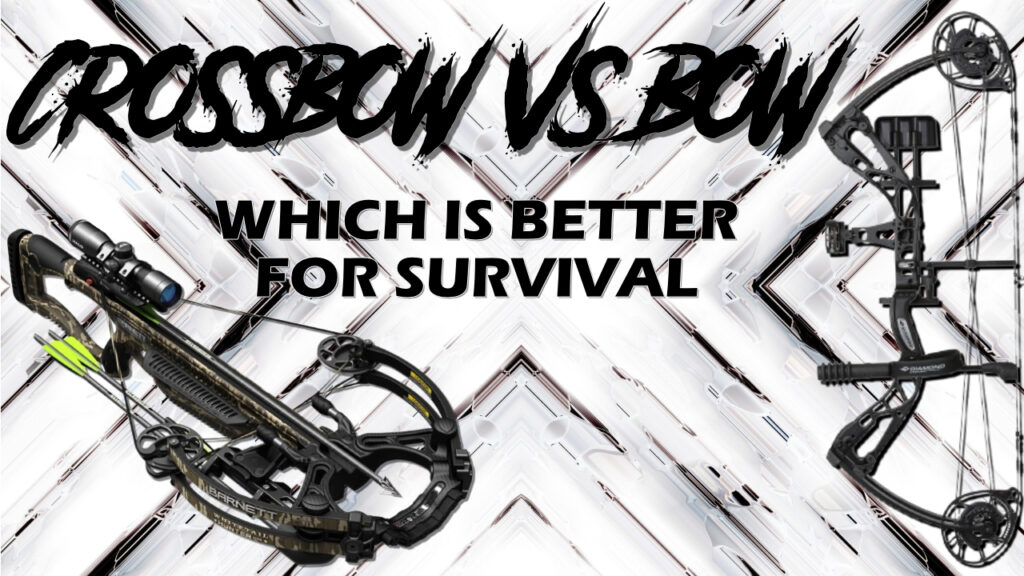
Home About Me Blog Mental Health Nature Decoded Disaster Preparedness Be Your Own Boss Self Defense featured Podcast Videos Shorts Self Defense Survival Motivation Herbal Remedies Live Streams Digital Dojo Mental Health Hacks Meditation & Relaxation Sleep Sounds Self Defense Survival Lessons From Nature Primal Fitness Tech Review: Urban & Wilderness Tech for Survival Shop Recommendations Self Defense Gear Prepper Gear Survival Garden Natural Healing Fitness Equipment Supplements Apparel Mugs and Tunblers Phone Cases Digital Downloads Studio Memberships Donations Calendar Chatroom Forum X Popular BOWS VS CROSSBOWS: WHICH IS BETTER FOR SURVIVAL? Does The Bow or Crossbow Give You A Better Chance For Survival! 1. Portability: Weight, Size, and Stealth in the Wild When you’re on the move—whether bugging out through the woods or navigating an urban collapse—the size and weight of your gear can decide how far you make it. Bow Advantage: Traditional recurve or takedown bows are lighter and easier to sling across your back. They don’t require complex parts, and some models break down into 3 pieces, fitting inside a small pack. That means less fatigue over long treks and more mobility when stealth is your only ally. Crossbow Advantage: Crossbows, especially modern compound models, are heavier and bulkier. You’ll feel it if you’re trekking for miles. However, they can be strapped like a rifle, keeping your hands free. For short-range scouting or defense of a fixed camp, the weight may not matter as much. Survival Bottom Line: If constant movement and stealth are your survival priorities, the bow wins. If you’re holding ground, the crossbow’s bulk becomes less of a problem. 2. Ease of Use: Skill vs. Simplicity When you’re fighting to survive, you may not have weeks to master a craft. Bow Advantage: Archery is an ancient art, but it takes consistent practice. Developing accuracy under stress requires training your muscles, breathing, and form. In return, you gain speed, versatility, and a weapon that feels like an extension of your body. Crossbow Advantage: With a crossbow, you point and shoot. It’s as close to a firearm as a primitive weapon gets. You don’t need years of practice to be effective. Once sighted in, even a beginner can hit targets with surprising accuracy. Survival Bottom Line: If you don’t have time to train and just need raw usability, the crossbow wins. If you’re willing to train long-term for mastery, the bow pays off with speed and adaptability. 3. Reload Speed: One Shot or Many? In a survival fight, getting a second shot off can mean life or death. Bow Advantage: An experienced archer can fire multiple arrows in under a minute. With practice, some can launch 2–3 arrows in 10 seconds, creating a near-constant stream of shots. This makes a bow superior when facing multiple threats. Crossbow Advantage: Even with a cocking device, reloading a crossbow is slow. You may get one accurate, high-powered shot—but after that, you’re vulnerable. Against multiple attackers, this delay can be fatal. Survival Bottom Line: The bow dominates in reload speed. Crossbows are ambush or “first strike” weapons, not sustained combat tools. 4. Power and Penetration: Dropping Game or Stopping Threats The raw stopping power of your weapon determines whether your shot puts down a deer—or just wounds it and forces you to chase. Bow Advantage: Traditional bows have enough power to take down medium game and even larger animals with the right draw weight. Penetration relies on skill and angle. Against human threats, a strong bow can be lethal—but placement matters. Crossbow Advantage: The crossbow is the powerhouse. With higher draw weights (often 150–200 pounds) and shorter, heavier bolts, they deliver devastating penetration. A well-placed shot can pierce modern hunting armor or thick clothing. Survival Bottom Line: For sheer power and “stopping” ability, the crossbow takes the win. It’s more reliable for one-shot kills on both animals and hostile humans. 5. Ammo: Arrows vs. Bolts in a Long-Term Crisis What good is your weapon if you run out of ammunition? Bow Advantage: Arrows are easier to craft with primitive materials. A straight shaft, feathers, and a sharpened tip can become serviceable ammo with enough skill. They’re longer, so easier to retrieve, and they flex instead of breaking as easily. Crossbow Advantage: Bolts are shorter and denser, making them harder to improvise. They break more often, and the shorter shaft means less penetration if made poorly. However, they’re easier to carry in bulk because of their compact size. Survival Bottom Line: In long-term survival where you may need to craft your own ammunition, the bow is the winner. The ability to reproduce arrows from nature gives you independence from factories. 6. Maintenance and Durability: Which Lasts Longer in Harsh Conditions? If your weapon fails in the field, your survival chances drop with it. Bow Advantage: Simple design, fewer moving parts, and no cranks or strings under extreme tension mean bows are easier to maintain. A broken string can be replaced with natural cordage in a pinch, and wood or fiberglass bows last for years. Crossbow Advantage: Crossbows are mechanically complex. They have triggers, rails, and cocking systems that require maintenance. Strings wear out faster due to higher tension, and if a part breaks in the wild, you might not be able to fix it. Survival Bottom Line: The bow is the rugged survivor here. Less complexity equals fewer failures. Crossbows are more like machines, and machines break. 7. Psychological Edge: Fear, Noise, and Intimidation Survival isn’t only about physical power—sometimes psychology wins battles. Bow Advantage: Silent, fast, and repeatable. The sound of arrows slicing through the air is barely detectable, giving you stealth. In combat, multiple arrows flying at an enemy can cause panic, forcing them to retreat rather than advance. Crossbow Advantage: The sheer sight of a crossbow, aimed and cocked like a rifle, carries intimidation. The sound of a bolt slamming into a target is brutal and fear-inducing. Against enemies, one well-placed shot can stop aggression immediately. Survival Bottom Line: For stealth and psychological pressure in group
Top 5 Reasons Relationships in the Western World Are Dead
Home About Me Blog Mental Health Nature Decoded Disaster Preparedness Be Your Own Boss Self Defense featured Podcast Videos Shorts Self Defense Survival Motivation Herbal Remedies Live Streams Digital Dojo Digital Dojo Live Mental Health Hacks Meditation & Relaxation Sleep Sounds Self Defense Survival Lessons From Nature Primal Fitness Tech Review: Urban & Wilderness Tech for Survival Shop Get It On Amazon Self Defense Gear Prepper Gear Survival Garden Natural Healing Fitness Equipment Digital Downloads Stickers and Decals Mugs and Tunblers Apparel Supplements Studio Memberships Donations X Popular Top 5 Reasons Relationships in the Western World Are Dead Decoded: Why Modern Love No Longer Lasts “Love isn’t dead—but relationships in the Western world might be. Here’s why modern connection is collapsing, and what survival psychology can teach us about it.” 1. Hyper-Individualism Over Tribe One of the biggest survival traits that carried humans through history was the ability to form tribes. In a tribe, no one survived alone—you had hunters, gatherers, defenders, healers, and builders. Everyone had a role, and together they thrived. The Western world flipped that script. Now, the cultural message is “You don’t need anyone. Just do you.” On the surface, that sounds empowering. But survival psychology shows us something different: humans who isolate are more vulnerable. Western culture pushes independence over interdependence. People wear isolation as a badge of honor, even though biologically we’re wired for community. “Self over tribe” creates mistrust. Instead of building bonds, people expect betrayal and prepare for it. Relationships become transactional instead of survival bonds. Instead of “we need each other to endure,” the mindset becomes “what can I get from you?” When a culture celebrates selfishness, bonds weaken. When bonds weaken, relationships collapse. 2. The Illusion of Infinite Choice In survival terms, scarcity creates value. If there’s only one source of clean water, you guard it. If you only have one ally, you defend them with your life. But in the West, dating apps and social media create the illusion of endless choice. People now believe there’s always a “better option” one swipe away. This destroys commitment because the survival instinct of “hold onto what you have” gets replaced by “don’t settle, keep shopping.” Dating apps turn people into profiles instead of human beings. The belief in “infinite choice” makes people restless. Instead of watering their own garden, they’re always scanning for greener grass. Commitment feels like “settling” instead of building. Couples give up when challenges come, assuming someone “better” is out there waiting. In reality, this is a trap. Survival teaches us that loyalty and trust are worth more than novelty. But the West has replaced loyalty with an endless scroll of disposable options. 3. Consumer Mentality in Love In survival situations, bonds are about necessity and trust. You know who’s watching your back when you sleep. You know who will share their food when you’re starving. But Western relationships have adopted the consumer mentality. Love is marketed as a product. Jewelry ads, holiday sales, and lifestyle brands sell the feeling of love more than the practice of it. Relationships are treated like smartphones—upgrade when it gets old, replace when it glitches. Problems aren’t solved, they’re traded in. Instead of repairing a bond, people discard it. This mentality is poison to long-term connection. In survival, if your knife chips, you sharpen it. If your shelter leaks, you patch it. Western culture, however, conditions people to throw away the knife and order a new one—often leaving them unarmed when the real storm hits. Mid-Commercial Break “Halfway through, let me remind you—survival isn’t just about food and fire. It’s about building bonds that last when the world collapses. If you want to learn how to prepare mentally, physically, and socially, check out my Urban Warrior Survival coaching—link below.” 4. Breakdown of Gender Roles & Expectations For centuries, tribes and families functioned on clear roles. Men protected and provided. Women nurtured and organized. Whether you agree with traditional roles or not, they offered structure and clarity. In the modern West, those roles have dissolved. The problem isn’t that they disappeared—the problem is nothing solid replaced them. Now, people don’t know what to expect from each other, and that lack of clarity creates conflict. Old roles dissolved but no strong new ones have emerged. Instead, confusion reigns. This confusion creates power struggles. Instead of cooperation, couples compete against each other. Both men and women feel undervalued and unsupported. Nobody knows their true role in the survival unit, and resentment builds. Survival psychology is clear: when a tribe doesn’t know who guards the fire, who gathers the food, or who keeps watch, the tribe collapses. The West is living out that collapse in real time. 5. Technology Over Intimacy Humans need touch, eye contact, and shared hardship to bond deeply. That’s how tribes worked. That’s how soldiers form unbreakable brotherhoods in war. But today, technology has hijacked intimacy. Social media creates comparison instead of connection. People measure their relationships against highlight reels online. Digital dopamine—porn, fantasy, parasocial relationships—replaces real bonding. Many no longer seek intimacy because digital substitutes numb their need. Attention becomes currency, not love. People are chasing likes instead of loyalty. When technology replaces real intimacy, it weakens the survival instinct to bond deeply. If you can’t trust someone with your heart, how will you trust them with your life? Relationship Tip Instead of asking “What can I get?” in a relationship, reframe it as “What can we build together?” Survival psychology teaches that shared goals and cooperation make bonds unbreakable. “In survival, trust is everything. Without it, tribes collapse, and so do relationships. The Western world forgot this truth—and now love is dying because people no longer fight for the bond, only for themselves.” Conclusion Modern relationships in the West aren’t failing by accident—they’re being engineered into weakness. Hyper-individualism, consumerism, and digital distractions erode the survival instinct to form lasting tribes. But here’s the hope: survival psychology reminds us that humans are resilient. When times get hard, people rediscover
The 15 Best No-Gym Exercises for Preppers & Homesteaders
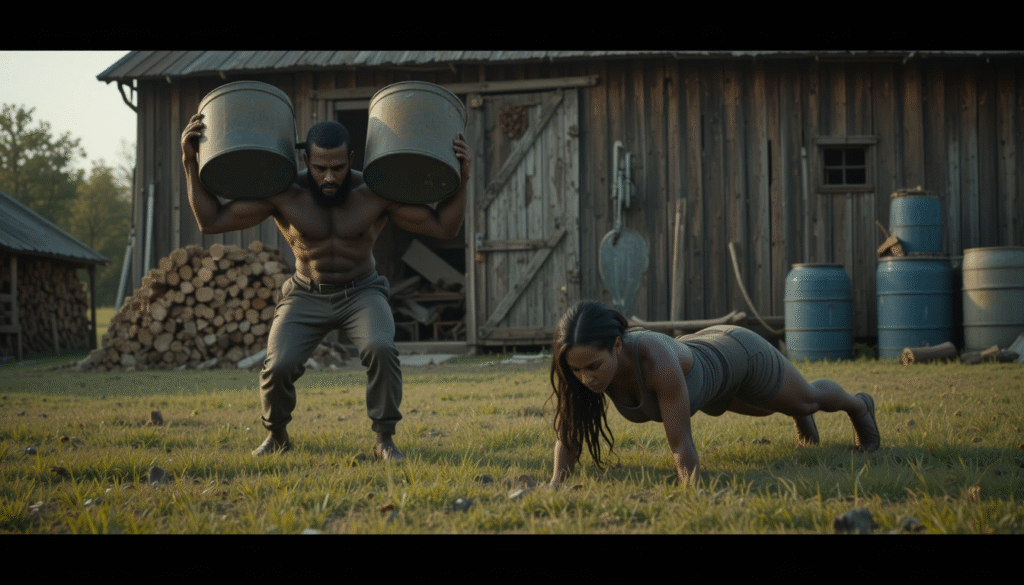
Home About Me Blog Mental Health Nature Decoded Disaster Preparedness Be Your Own Boss Self Defense featured Podcast Videos Shorts Self Defense Survival Motivation Herbal Remedies Live Streams Digital Dojo Digital Dojo Live Mental Health Hacks Meditation & Relaxation Sleep Sounds Self Defense Survival Lessons From Nature Primal Fitness Tech Review: Urban & Wilderness Tech for Survival Shop Get It On Amazon Self Defense Gear Prepper Gear Survival Garden Natural Healing Fitness Equipment Digital Downloads Stickers and Decals Mugs and Tunblers Apparel Supplements Studio Memberships Donations X Popular The 15 Best No-Gym Exercises for Preppers & Homesteaders Training Secrets for Survival (No Gym Necessary) Most people think “getting in shape” means joining a gym, buying overpriced leggings, and taking mirror selfies with a protein shake.Cool — until you’re 20 miles from the nearest Planet Fitness and the only thing chasing you is a pack of coyotes. If you’re a prepper or a homesteader, your body is your survival tool. Not the $300 tactical backpack. Not the shiny AR you saw in a YouTube video. YOU.And if your “fitness plan” is just carrying in the groceries in one trip, good luck when you actually have to run a mile with a water jug on your shoulder. Survival doesn’t care about your bench press PR. It cares if you can sprint to the treeline before anyone spots you, climb a fence without breaking your ankle, or haul 50 pounds of gear uphill without crying. That’s the kind of training we’re talking about today.And the best part? You can do it all without a gym membership, a barbell, or even shoes if you want to go full feral. 1. Farmer Carries (a.k.a. “Get Used to Carrying Heavy Stuff”) You’re going to be hauling water buckets, feed bags, firewood, or maybe your buddy who didn’t listen when you said don’t step there. How to do it: Grab literally anything heavy with a handle — buckets, jugs, bags, logs — and walk it from point A to point B. Why it matters: Builds grip strength, core stability, and stamina for moving real-world loads. In a survival setting, carrying is more useful than curling. Pro tip: Start with moderate weight and longer distances. Progress to heavier weight and rough terrain. Bonus points for doing it barefoot like a true savage. 2. Squats (a.k.a. “Stop Skipping Leg Day”) If your legs give out halfway up the hill, no one’s coming back down for you. Squats build the raw power you need for lifting, climbing, and sprinting. How to do it: Stand with feet shoulder-width apart, lower your hips like you’re sitting on an invisible toilet, and push back up. Keep your heels down and core tight. Why it matters: Strong legs are non-negotiable for hiking with gear, building shelters, or working long days in the field. Survival twist: Try “weighted” squats with a backpack full of canned goods or your least cooperative goat. 3. Push-Ups (a.k.a. “Upper Body for Real Life”) Push-ups train your chest, shoulders, triceps, and core — all crucial for climbing, pushing obstacles, or defending yourself. How to do it: Hands under shoulders, body straight, lower until your chest almost touches the ground, push back up. Why it matters: You can’t pull yourself over a wall if your arms have the tensile strength of spaghetti. Challenge: Try incline push-ups on a log or decline push-ups with your feet on a stump for extra resistance. 4. Pull-Ups (or Row Variations if You Can’t Yet) In a survival situation, you’re going to need to climb — trees, fences, ledges, whatever’s between you and safety. How to do it: Find a sturdy branch, bar, or beam. Grip it, hang, and pull until your chin clears the bar. Lower slowly. No bar? Use a table edge for bodyweight rows, or loop a rope over a tree limb for rope pulls. Why it matters: Pulling strength is pure utility — it’s what gets you out of a ditch or up into a deer stand. 5. Dead Hangs & Grip Work You can have all the muscle in the world, but if you can’t hang onto your gear, tool, or ledge, it’s game over. How to do it: Hang from a branch or bar as long as possible. Try farmer carries with heavier objects for extra grip training. Why it matters: Strong hands keep you alive — from climbing to swinging tools to restraining a door during a storm. 6. Sprints (a.k.a. “Outrun the Problem”) Sometimes survival means moving fast — from incoming storms to incoming trouble. How to do it: Pick a distance (30–100 meters) and go full speed. Rest and repeat. Why it matters: Builds explosive power, lung capacity, and the ability to cover ground in a hurry. Reality check: Jogging 3 miles won’t prepare you for a short, all-out sprint with your life on the line. Do both. 7. Crawls (Bear, Army, Crab — Pick Your Flavor) You might need to move low under smoke, brush, or gunfire. Crawling builds mobility, coordination, and functional strength. How to do it: Bear crawl on all fours with your knees off the ground. Army crawl flat with elbows and forearms. Why it matters: It’s not glamorous, but neither is being visible to a threat. Fun addition: Add weight on your back to simulate carrying gear. 8. Step-Ups & Lunges Hiking hills, climbing into trucks, and stepping over logs all require unilateral leg strength and balance. How to do it: Find a stump, rock, or step. Step up, drive through the heel, step down. Lunges work similarly in place or walking. Why it matters: Prevents knee injuries and improves stability — crucial when terrain gets nasty. 9. Planks & Core Work If your core is weak, your back will pay the price. Planks, side planks, and rotational core work keep you stable under load. How to do it: Forearms down, body straight like a board, hold as long as possible. Why
5 EDC Gadgets That Will Save You In A City Emergency
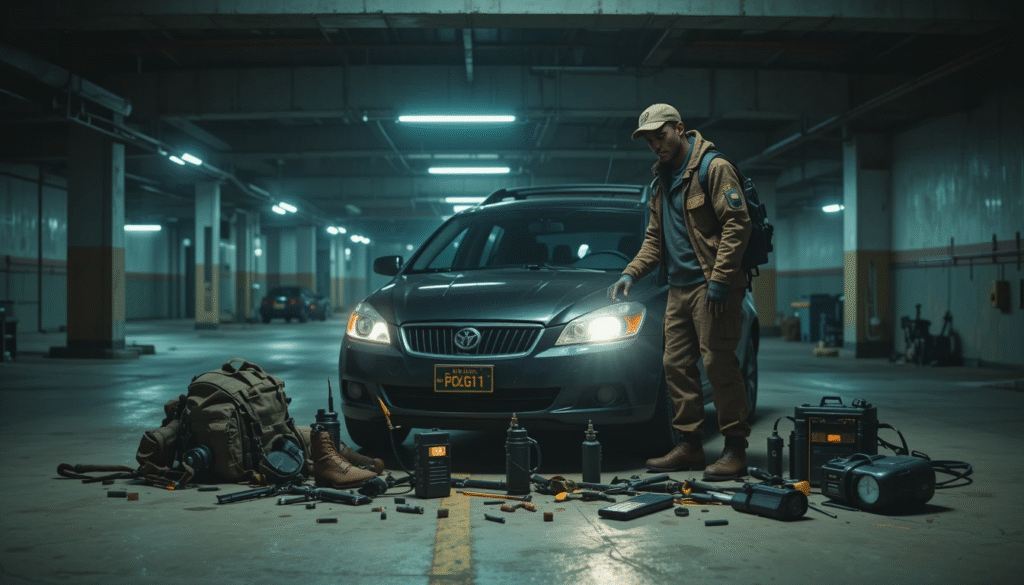
Home About Me Blog Mental Health Nature Decoded Disaster Preparedness Be Your Own Boss Self Defense featured Podcast Videos Shorts Self Defense Survival Motivation Herbal Remedies Live Streams Digital Dojo Digital Dojo Live Mental Health Hacks Meditation & Relaxation Sleep Sounds Self Defense Survival Lessons From Nature Primal Fitness Tech Review: Urban & Wilderness Tech for Survival Shop Get It On Amazon Self Defense Gear Prepper Gear Survival Garden Natural Healing Fitness Equipment Digital Downloads Stickers and Decals Mugs and Tunblers Apparel Supplements Studio Memberships Donations X Popular 5 EDC Gadgets That Will Save You In A City Emergency You’ll Find These 5 Gadgets Valueable Sooner Rather Than Later You ever think about what would happen if the city went dark? No power, no water, no help coming anytime soon? Most people don’t. But that’s the kind of thing I prepare for. Urban survival isn’t about living in fear — it’s about living ready. Today, I’m breaking down five urban survival gadgets that every single person should own. Trust me, when things get real, these tools could mean the difference between being stuck… and getting out alive. 1. Multi-Tool with Locking Blades When you’re walking around day to day, you can’t carry a whole toolbox with you — but a quality multi-tool is basically one in your pocket. I’m talking pliers, screwdrivers, scissors, wire cutters, and a blade you can trust. The locking blades keep you from cutting yourself when you’re applying force, and the more solid the build, the more abuse it can take in an emergency.In an urban setting, this could be the tool that gets you into a locked utility box, cuts through a seatbelt, or fixes a busted strap on your gear. 2. Compact Water Filtration System Clean water is survival 101 — but in a city emergency, the tap might be dry or contaminated. A pocket-sized water filter lets you safely drink from sources you’d never trust otherwise — public fountains, rainwater barrels, even questionable sinks in abandoned buildings.Get one that removes bacteria, parasites, and chemicals, because city water isn’t just about germs — it’s about the stuff leaking from pipes and old infrastructure. 3. Solar Power Bank When the grid is down, your phone isn’t just for TikTok — it’s your map, flashlight, emergency contact device, and survival library. A solar power bank keeps it alive without an outlet.Urban rooftops, balconies, or even sidewalks on a sunny day become your charging station. Get one with multiple USB ports and enough capacity to charge your phone several times over. 4. Tactical Flashlight A cheap flashlight will fail you when you need it most. You want one that’s waterproof, impact-resistant, and blindingly bright. Bonus points if it has a strobe mode for disorienting threats.In urban survival, light is both vision and security. It helps you navigate dark stairwells, basements, or streets, and 5. Portable Emergency Radio When the cell towers go silent, an emergency radio keeps you plugged into reality. Get one that works off multiple power sources — hand crank, solar, and batteries.You’ll get weather alerts, evacuation info, and updates that could save your life. It’s not just about hearing the news — it’s about knowing where the danger is and where the safe zones are. Final Thoughts Survival in the city isn’t about being paranoid — it’s about being prepared. Every one of these gadgets is small enough to carry or stash, but powerful enough to save your life when the streets get unpredictable. The truth is, emergencies don’t wait for you to “get ready.” They hit fast, and the people who make it through are the ones who already have the tools they need.So start building your kit now. Even if you can only add one gadget at a time, each one is another layer of protection between you and disaster. When the lights go out, the water runs dry, or the streets get dangerous… you’ll be glad you took this seriously. LISTEN NOW GEAR SHOP TWITCH DISCORD Follow on Spotify ADVERTISEMENT Learn More ADVERTISEMENT Learn More VISIT ME ON YOUTUBE! ADVERTISEMENT Learn More ADVERTISEMENT Learn More RELATED POST urbanwarriorsurvival.com 14 August 2025 Blog Disaster Preparedness featured 5 EDC Gadgets That Will Save You In A City Emergency urbanwarriorsurvival.com 13 August 2025 Blog Disaster Preparedness featured How to Survive a Flood in Your Area urbanwarriorsurvival.com 12 August 2025 Blog featured Mental Health 6 Reasons People Are Suffering From Mental Health Issues urbanwarriorsurvival.com 11 August 2025 Blog featured Self Defense These 8 reasons will make you consider learning knife combat for self defense. urbanwarriorsurvival.com 8 August 2025 featured Mental Health 7 Ways to Keep Calm in a Crisis urbanwarriorsurvival.com 30 July 2025 Disaster Preparedness featured When the Ground Shakes and the Ocean Roars: How to Survive an Earthquake Tsunami Social Networks Facebook Twitter Instagram B.Roc Survival Podcast Discord Patreon Pinterest Youtube Links List Help Center Community Forums Blog Meetups B.Roc Survival Inc. All rights reserved
How to Survive a Flood in Your Area
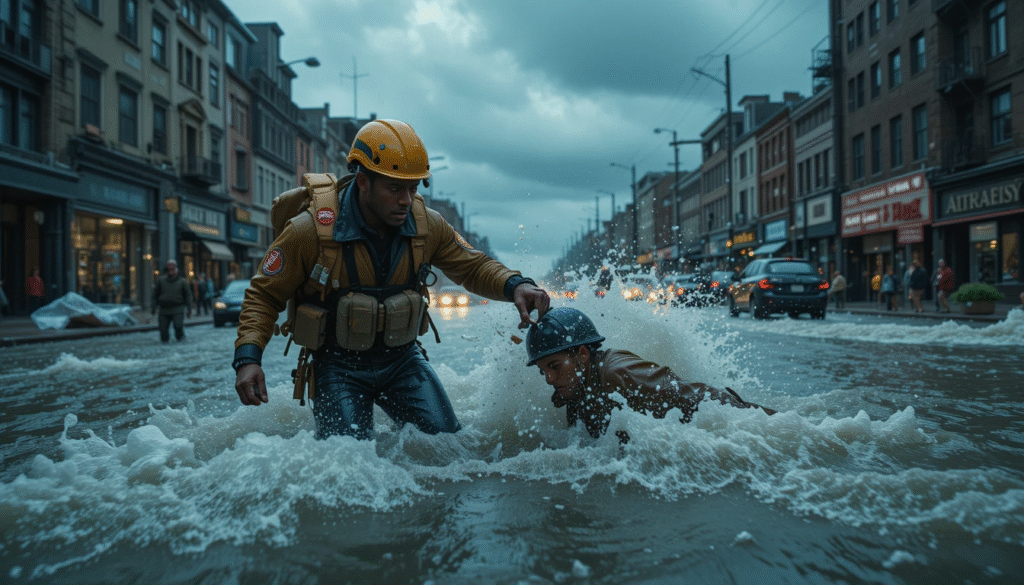
Home About Me Blog Mental Health Nature Decoded Disaster Preparedness Be Your Own Boss Self Defense featured Podcast Videos Shorts Self Defense Survival Motivation Herbal Remedies Live Streams Digital Dojo Digital Dojo Live Mental Health Hacks Meditation & Relaxation Sleep Sounds Self Defense Survival Lessons From Nature Primal Fitness Tech Review: Urban & Wilderness Tech for Survival Shop Get It On Amazon Self Defense Gear Prepper Gear Survival Garden Natural Healing Fitness Equipment Digital Downloads Stickers and Decals Mugs and Tunblers Apparel Supplements Studio Memberships Donations X Popular How to Survive a Flood in Your Area: What to Do When a Flood Warning Is Issued If you’re reading this, you either live somewhere that floods could happen… or they already have. I’m going to be real with you—floods are one of the most underestimated disasters out there. They don’t always come with a lot of warning, and they can turn deadly fast. So, let’s talk about how they work, what you need to watch for, and exactly how you can make it through. How Floods Work (and Why They Can Be So Deadly) Floods aren’t just “a lot of water.” They’re nature’s way of saying, “I’m in charge now.” They happen when more water comes in than the ground, rivers, or drainage systems can handle. That could be from: Heavy rain that doesn’t stop. Hurricanes or tropical storms pushing water inland. Snow melting faster than the rivers can handle. Dams or levees breaking. Here’s the part people forget: floodwater is not clean. It’s full of debris, chemicals, and sometimes sewage. It’s also heavy and powerful—just six inches of moving water can knock you off your feet, and two feet can sweep a car away like it’s a toy. What You Need Before the Flood Comes If you wait until the water’s at your doorstep, you’re already behind. You need your gear ready now. Emergency Go-Bag – Think waterproof backpack with the basics: food, water, flashlight, first aid kit, extra clothes, important documents in waterproof bags, and any meds you need. Portable Water Filter – If tap water gets contaminated, you’ll need a way to make it safe. Battery or Hand-Crank Radio – Floods can knock out cell service, so you’ll need updates the old-fashioned way. Cash – ATMs and card readers might not work. Sturdy Boots & Gloves – Floodwater hides sharp objects and debris. If a Flood Warning Hits – Here’s What to Do This is where a lot of people panic. You’re not going to be one of them. Get to Higher Ground Immediately – Don’t wait. Water rises faster than you think. Never Walk or Drive Through Moving Water – I don’t care if it “doesn’t look deep.” It only takes one wrong step to disappear. Turn Off Utilities – If you have time, shut off gas, electricity, and water to avoid fires and electrocution. Listen to Authorities – Evacuation orders aren’t suggestions. If they say go, you go. Watch for Secondary Hazards – Landslides, sinkholes, or even more flooding can follow. If You’re Caught in It Worst-case scenario—you’re surrounded by water. Here’s how you keep yourself alive. Find Something That Floats – Doors, barrels, even large plastic bins can save you. Avoid Flood Currents – If you’re in moving water, try to angle toward stable ground, not fight the current head-on. Don’t Drink the Water – It’s contaminated. Stay away from it as much as possible. Signal for Help – Bright colors, waving fabric, or a flashlight at night can make the difference. After the Flood – Stay Smart Surviving the flood is only half the battle. Once the water’s gone: Don’t go back inside until it’s declared safe. Avoid downed power lines. Wear gloves and boots for cleanup—floodwater residue is nasty. Throw out any food or drink that touched floodwater. Floods don’t care how tough you are or how long you’ve lived in your area—they can take out entire neighborhoods in hours. But if you understand how they work, prepare now, and stay calm when they hit, you’ll not only survive… you’ll be the one helping others get through it too. LISTEN NOW GEAR SHOP TWITCH DISCORD Follow on Spotify ADVERTISEMENT Learn More ADVERTISEMENT Learn More VISIT ME ON YOUTUBE! ADVERTISEMENT Learn More ADVERTISEMENT Learn More RELATED POST urbanwarriorsurvival.com 13 August 2025 Blog Disaster Preparedness featured How to Survive a Flood in Your Area urbanwarriorsurvival.com 12 August 2025 Blog featured Mental Health 6 Reasons People Are Suffering From Mental Health Issues urbanwarriorsurvival.com 11 August 2025 Blog featured Self Defense These 8 reasons will make you consider learning knife combat for self defense. urbanwarriorsurvival.com 8 August 2025 featured Mental Health 7 Ways to Keep Calm in a Crisis urbanwarriorsurvival.com 30 July 2025 Disaster Preparedness featured When the Ground Shakes and the Ocean Roars: How to Survive an Earthquake Tsunami urbanwarriorsurvival.com 28 July 2025 featured Self Defense 10 Ways Martial Arts Can Transform The Mind, Body, and Spirit For Survival Social Networks Facebook Twitter Instagram B.Roc Survival Podcast Discord Patreon Pinterest Youtube Links List Help Center Community Forums Blog Meetups B.Roc Survival Inc. All rights reserved
6 Reasons People Are Suffering From Mental Health Issues

Home About Me Blog Mental Health Nature Decoded Disaster Preparedness Be Your Own Boss Self Defense featured Podcast Videos Shorts Self Defense Survival Motivation Herbal Remedies Live Streams Digital Dojo Digital Dojo Live Mental Health Hacks Meditation & Relaxation Sleep Sounds Self Defense Survival Lessons From Nature Primal Fitness Tech Review: Urban & Wilderness Tech for Survival Shop Get It On Amazon Self Defense Gear Prepper Gear Survival Garden Natural Healing Fitness Equipment Digital Downloads Stickers and Decals Mugs and Tunblers Apparel Supplements Studio Memberships Donations X Popular 6 Reasons People Are Suffering From Mental Health Issues Here’s Several People Are Having Mental Issues, and How you Can Do Ssmething About It. In today’s fast-paced, hyper-connected world, mental health problems have become more prevalent than ever. Issues like anxiety, depression, and stress seem to be nearly universal, leaving many to wonder why so many are struggling. The truth is that society, as we know it, is not built for our human well-being. Society, expectations and standards lead us far from the natural ways we are meant to thrive. Here’s why most people suffer from mental health issues: 1. Disconnection from Nature In ancient time our ancestors lived in close harmony with nature. They spent their days outdoors, were physically active, and experienced the natural flow of life. In contrast, modern society has pushed us into urban environments, where concrete and artificial lighting dominate, disconnecting us from the natural world. What are the result? A rise in mental health issues like anxiety and depression, which are exacerbated by a lack of exposure to greenery, fresh air, and the grounding presence of nature. 2. Overstimulation and Information Overload Technology, while convenient, is a double-edged sword. We are constantly bombarded with information, social media updates, and a never-ending stream of notifications. This level of overstimulation puts our minds on high alert, contributing to feelings of stress and anxiety. Our brains are not designed to process the constant influx of information, which leads people to mental burnout and emotional exhaustion. People are not meant to be plugged in 24/7. 3. The Pursuit of Perfection In a society that celebrates unattainable standards of beauty, success, and productivity (Instagram cough cough), it’s no wonder so many people struggle with their mental health. Social media amplifies this pressure by showcasing false versions of peoples life that often don’t reflect reality. The constant comparison leaves people feeling inadequate, creating feelings of low self-worth, depression, and anxiety. The pursuit of perfection becomes a toxic cycle, leading people further from their true selves. 4. Lack of Purpose and Connection Humans are social creatures by nature, but modern society often isolates us. The fast-paced nature of work lives, the rise of digital communication over face-to-face interaction, and the breakdown of community have left many feeling disconnected. People no longer have the deep, supportive relationships and community bonds that promote mental well-being. The lack of genuine connection and purpose often leads to feelings of loneliness, which can spiral into severe mental health issues. 5. Chronic Stress from Work and Financial Struggles The modern work culture places high demands on productivity and performance. Most people are expected to work long hours, with little time for rest and relaxation. This chronic stress affects mental health, making individuals more susceptible to burnout, depression, and anxiety. Additionally, the constant pressure to keep up financially, while also meeting societal expectations, creates a state of perpetual worry and insecurity. 6. Lack of Mental Health Education Despite the growing awareness of mental health issues, society has done little to normalize mental health care. People often lack the knowledge or tools to manage their mental well-being effectively. In many cultures, there’s still stigma surrounding seeking help, and self-care practices are often seen as indulgent rather than necessary. Without proper education and resources, people suffer in silence, unable to break free from the destructive cycles that plague their mental health. Conclusion: We’re Not Meant to Live Like This The root cause of mental health issues for many lies in how society has shaped our lives. We have been pushed into an unnatural way of existing—overworked, overstimulated, disconnected, and always striving for an impossible ideal. To heal, we need to reconnect with ourselves, our communities, and the natural world. We need to challenge the systems that creates stress and disconnection, and instead, prioritize mental well-being and a balanced life. It’s time to stop living in a way that is not meant for us and start living authentically, with purpose and peace. LISTEN NOW GEAR SHOP TWITCH DISCORD Follow on Spotify ADVERTISEMENT Learn More ADVERTISEMENT Learn More VISIT ME ON YOUTUBE! ADVERTISEMENT Learn More ADVERTISEMENT Learn More RELATED POST urbanwarriorsurvival.com 12 August 2025 Blog featured Self Defense 6 Reasons People Are Suffering From Mental Health Issues urbanwarriorsurvival.com 11 August 2025 Blog featured Self Defense These 8 reasons will make you consider learning knife combat for self defense. urbanwarriorsurvival.com 8 August 2025 featured Mental Health 7 Ways to Keep Calm in a Crisis urbanwarriorsurvival.com 30 July 2025 Disaster Preparedness featured When the Ground Shakes and the Ocean Roars: How to Survive an Earthquake Tsunami urbanwarriorsurvival.com 28 July 2025 featured Self Defense 10 Ways Martial Arts Can Transform The Mind, Body, and Spirit For Survival urbanwarriorsurvival.com 15 July 2025 featured Mental Health 6 Simple Breathing Practices That Can Helped You Fight Depression Social Networks Facebook Twitter Instagram B.Roc Survival Podcast Discord Patreon Pinterest Youtube Links List Help Center Community Forums Blog Meetups B.Roc Survival Inc. All rights reserved
These 8 reasons will make you consider learning knife combat for self defense.
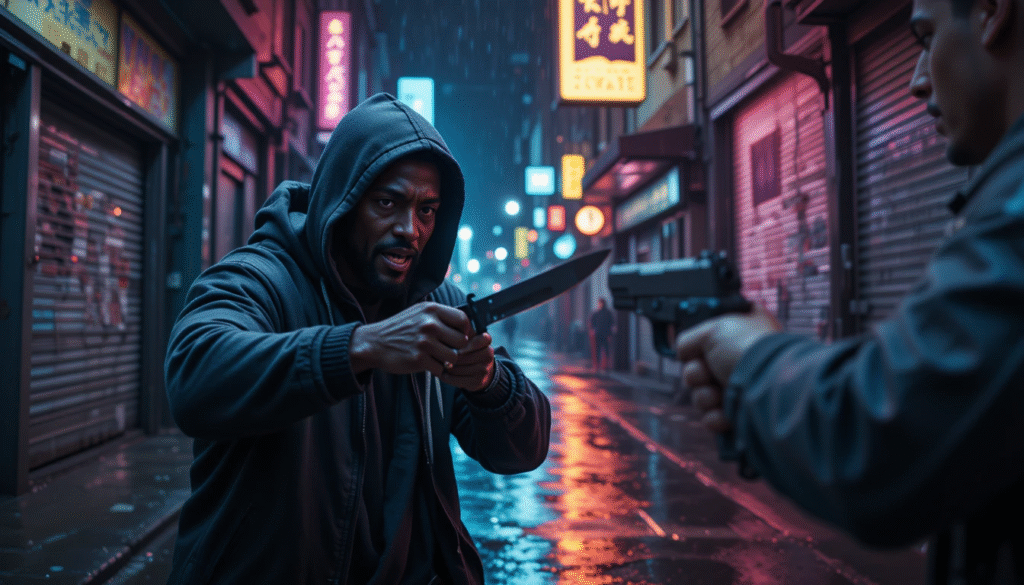
Home About Me Blog Mental Health Nature Decoded Disaster Preparedness Be Your Own Boss Self Defense featured Podcast Videos Shorts Self Defense Survival Motivation Herbal Remedies Live Streams Digital Dojo Digital Dojo Live Mental Health Hacks Meditation & Relaxation Sleep Sounds Self Defense Survival Lessons From Nature Primal Fitness Tech Review: Urban & Wilderness Tech for Survival Shop Get It On Amazon Self Defense Gear Prepper Gear Survival Garden Natural Healing Fitness Equipment Digital Downloads Stickers and Decals Mugs and Tunblers Apparel Supplements Studio Memberships Donations X Popular Knife vs. Gun: 8 Reasons Knives are a Better Option in Close Quarters These 8 reasons will make you consider learning knife combat for self defense. The classic adage, famously uttered by Sean Connery in the film “The Untouchables,” pits guns against knives with the timeless wisdom: “Don’t bring a knife to a gun fight.” Knife vs. Gun While this maxim holds its ground in many situations, it fails to address the nuances of close-quarters combat, where knives often emerge as the more favorable choice. In such confined scenarios, possessing an edged weapon can make all the difference between self-preservation and vulnerability. Let’s delve into eight compelling reasons why knives outshine guns when the battlefield narrows, potentially settling the age-old debate of knives versus guns once and for all. The 21-Foot Rule Law enforcement has long relied on the 21-foot rule, which posits that an assailant wielding a knife can cover 21 feet in the time it takes to draw and fire a gun. This rule underscores the immense pressure on someone trying to draw a firearm in such situations. Recent research from Minnesota State University-Mankato suggests that the actual distance covered can exceed 21 feet, making it essential to equip officers with edge tools as viable alternatives. No Line of Fire Firearms require a clear line of fire to be effective, a luxury seldom found in close quarters. In contrast, knives can be tactically deployed with precision in various ways, minimizing the risk of missing the target. If You Miss…: In cinematic depictions, individuals miraculously manage to draw and fire a gun in the nick of time to thwart an attack. Real-life encounters, however, often feature fast-moving adversaries who close in too rapidly for a drawn gun to be effective. Even if you do manage to fire, there’s no guarantee of hitting your assailant, rendering you defenseless as they encroach. Ammunition Not Needed Unlike firearms, knives are always “loaded,” ready for action no matter how many times they’re used. Fast Learner Almost anyone can wield a knife effectively with minimal training, as slashing and cutting with a blade are instinctive actions. In contrast, mastering the use of a firearm demands a steeper learning curve. No Warning, Just Action A knife’s deployment is swift and silent, lacking the need to load, manipulate safeties, or squeeze a trigger. This immediacy proves invaluable in high-stress crises, where time is limited, and maneuvering space is constrained. Knife vs. Gun: The Lethal Force Question Responding to an attacker with a firearm often leaves you with one stark option: employing maximum, sometimes lethal, force. A knife, while also lethal, offers a more versatile weapon capable of diverse defensive strategies. Better Defense: Effective self-defense starts with situational awareness. If confronted by a knife-wielding assailant, prioritizing your safety over drawing a weapon is paramount. Assess the distance between you and your attacker and focus on creating space while avoiding the initial assault. Attempting to draw a weapon without these precautions can lead to injury. As you evade the initial attack, prepare to draw your knife or defensive tool for tactical defense. These reasons collectively emphasize the effectiveness of knives in close quarters. While no one disputes the value of guns for security, the possession and mastery of a knife provide a broader range of options when your primary goal is self-preservation. Achieving the best chance of survival involves diligent practice until knife usage becomes second nature and muscle memory. Seek a proficient instructor, obtain practice knives, and commit to rigorous training. Versatile Utility: Knives in Close Quarters In close-quarters confrontations, knives offer a distinctive advantage beyond their immediate lethality. They can double as versatile tools for non-lethal purposes, such as cutting restraints or crafting improvised barriers. This adaptability, combined with their swift deployment and minimal reliance on ammunition, underscores the value of knives as not just weapons but multi-functional instruments in situations where quick decision-making can spell the difference between life and death. LISTEN NOW GEAR SHOP TWITCH DISCORD Follow on Spotify ADVERTISEMENT Learn More ADVERTISEMENT Learn More VISIT ME ON YOUTUBE! ADVERTISEMENT Learn More ADVERTISEMENT Learn More RELATED POST urbanwarriorsurvival.com 11 August 2025 featured Mental Health These 8 reasons will make you consider learning knife combat for self defense. urbanwarriorsurvival.com 8 August 2025 featured Mental Health 7 Ways to Keep Calm in a Crisis urbanwarriorsurvival.com 30 July 2025 Disaster Preparedness featured When the Ground Shakes and the Ocean Roars: How to Survive an Earthquake Tsunami urbanwarriorsurvival.com 28 July 2025 featured Self Defense 10 Ways Martial Arts Can Transform The Mind, Body, and Spirit For Survival urbanwarriorsurvival.com 15 July 2025 featured Mental Health 6 Simple Breathing Practices That Can Helped You Fight Depression urbanwarriorsurvival.com 13 July 2025 featured Nature Decoded The World Is Fair. Society Isn’t. And It’s Killing Civilization. Social Networks Facebook Twitter Instagram B.Roc Survival Podcast Discord Patreon Pinterest Youtube Links List Help Center Community Forums Blog Meetups B.Roc Survival Inc. All rights reserved