
Fitness and Nutrition Secrets for Survivalists You Need To Know
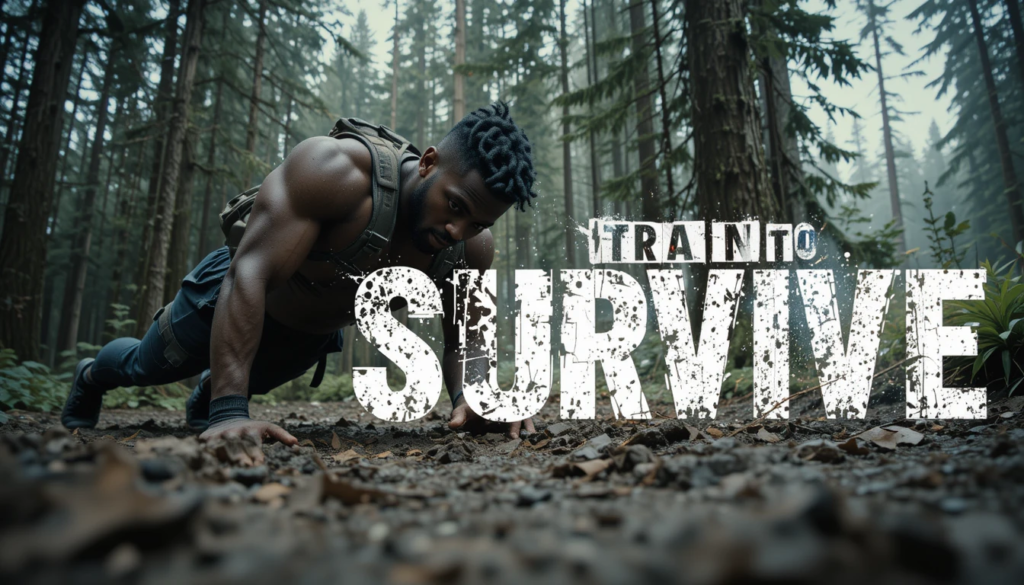
Home About Me Tactical Feed Blog Mental Health Decoded Disaster Preparedness Living Off the Grid Be Your Own Boss Self Defense featured Podcast Videos Shorts Self Defense Survival Motivation Herbal Remedies Videos Self Defense Survival Motivation Videos Conspiracy Videos Meditation & Relaxation Digital Dojo Digital Dojo Live Tactical Wealth Shop Self Defense Gear Prepper Gear Survival Garden Ebooks Mugs and Tunblers Stickers and Decals Apparel Natural Healing Supplements Memberships Donations X Facebook Instapaper Twitter Popular Fitness and Nutrition Secrets for Survivalists That You Need To Know Train like your life depends on it—because one day, it might. When the grid goes down, it won’t matter how many pushups you can do in an air-conditioned gym or how clean your diet looks on Instagram. Survival demands real-world strength, functional endurance, and resilient nutrition. This is where primal fitness steps in—training and fueling your body like our ancestors did: for utility, agility, and adaptability. 1. Train for Function, Not Aesthetics Forget the mirror muscles. When it comes to survival you need to be able to climb, carry, drag, jump, crawl, and fight. Your fitness should mimic real-world tasks. Primal Training Tips: Carry Heavy Loads: Mimic bug-out bag hauls or fireman carries. Crawl & Climb: Use bear crawls, rope climbs, or tree branches. Sprint Intervals: Short bursts simulate fleeing or chasing in a real-world scenario. Uneven Terrain Workouts: Hike or run off-trail to train ankles, knees, and reflexes. 2. Build a Survival Core When it comes to survival training your core is your engine. A strong core stabilizes you when carrying weight or reacting under pressure. Exercises to Master: Plank variations (forearm, side, and dynamic) Hanging leg raises (bonus grip strength) Russian twists with logs or rocks 3. Get Wild with Your Workouts Nature is your gym. Don’t only rely on fancy gym equipment—use what’s around you. Try This Primal Circuit (No Gym Needed): 10 log presses 20 rock squats 30-meter sprint 10 pushups with feet on a tree 1-minute plank on uneven groundRepeat 3–5 rounds. 4. Eat Like a Hunter-Gatherer If you had to forage or hunt your food, what would you eat, how often could you eat and how much would you be allowed to eat? That’s the mentality and thought process you need. Keep it clean, dense, and efficient. Primal Nutrition Secrets: Prioritize Protein: Wild-caught fish, game meat, eggs, or dried jerky. Fat for Fuel: Nuts, seeds, animal fat, and coconut oil sustain energy. Root Vegetables & Berries: High in nutrients, easy to find in many different terrains. Fermented Foods: Kimchi, sauerkraut, and pickles preserve well and support gut health. 5. Intermittent Fasting = Survival Conditioning Your ancestors didn’t eat every 2 hours. Training your body to go without food helps you become metabolically flexible. How to Start: Fast for 12–16 hours a few times a week. Use bone broth or herbal teas to sustain energy during fasts. Break fasts with fat + protein, not sugar or starch. 6. Hydration & Electrolytes Matter More Than You Think In survival scenarios, dehydration kills faster than hunger. Train your body to hydrate smart. Hydration Hacks: Always carry water purification tablets or a filter straw. Add pink salt or electrolyte tablets to your water. Coconut water is a great natural electrolyte source if available. 7. Mental Conditioning = Physical Edge Training under mild discomfort—cold showers, fasting, hiking in the rain—toughens your mental edge. That’s the difference between a survivor and a statistic. Final Thoughts: The Body is the First Weapon Forget all that expensive gear fitness gear. The most important survival tool is your body—and how you train and fuel it. Primal fitness isn’t about looking good. It’s about lasting longer, moving better, and thriving in chaos. Train like the grid is already down. Eat like you’ve earned every bite. Move like your tribe depends on it. Follow on Spotify ADVERTISEMENT Learn More ADVERTISEMENT Learn More VISIT ME ON YOUTUBE! ADVERTISEMENT Learn More ADVERTISEMENT Learn More RELATED POST urbanwarriorsurvival.com 2 May 2025 Blog Primal Fitness Fitness and Nutrition Secrets for Survivalists You Need To Know urbanwarriorsurvival.com 26 April 2025 Blog Supernatural Survival What to Do If Alien Disclosure Happens: Stay Calm, Stay Ready urbanwarriorsurvival.com 25 April 2025 Blog Self Defense How To Train Like a Predator, Not Prey urbanwarriorsurvival.com 24 April 2025 Blog Self Defense The Urban Survival Tool You Didn’t Know You Needed urbanwarriorsurvival.com 23 April 2025 Blog Primal Fitness How To Survive a Full-Blown Recession urbanwarriorsurvival.com 18 April 2025 Blog Primal Fitness 7 Best Workout Styles for Adventurous People Focused on Weight Loss Address List 123, Any Street NorthYour City NameCountry Name. P.O 3554 +1 234 567 8902 Urban Warrior Survival Social Networks Facebook Twitter Instagram B.Roc Survival Podcast Discord Patreon Pinterest Youtube Links List Help Center Community Forums Blog Meetups B.Roc Survival Inc. All rights reserved
What to Do If Alien Disclosure Happens: Stay Calm, Stay Ready

Home About Us Blog Mental Health Decoded Disaster Preparedness Living Off the Grid Be Your Own Boss Self Defense featured Podcast Videos Shorts Self Defense Survival Motivation Herbal Remedies Videos Self Defense Survival Motivation Videos Conspiracy Videos Meditation & Relaxation Digital Dojo Digital Dojo Live Shop Self Defense Gear Prepper Gear Survival Garden Ebooks Mugs and Tunblers Stickers and Decals Apparel Supplements Contact Memberships Donations Privacy Policy X Facebook Instapaper Twitter Popular What to Do If Alien Disclosure Happens: Stay Calm, Stay Ready Prepare Your Mind, Body, and Spirit for the Ultimate Revelation The world is changing faster than ever — and when full alien disclosure hits, only those who are mentally, physically, and spiritually prepared will navigate the storm without fear. This isn’t sci-fi anymore. This is real. And survival starts now. Here’s what do to do if alien disclosure were to happen today. Stay Calm and Centered First reactions will range from awe to terror.Remaining calm will be your greatest survival tool. Tips to stay grounded: Deep Breathing: Practice controlled breathing (inhale for 4, hold for 4, exhale for 6) to calm your nervous system. Grounding Techniques: Walk barefoot on natural ground, touch trees, or visualize roots connecting you to the earth. Mantra for Calm: Repeat affirmations like “I am safe, I am guided, I am strong.” Vet Your Information Sources Misinformation will explode after disclosure.Not every video, news story, or “expert” will be trustworthy. How to protect your mind: Cross-Reference: Double-check everything. Look at independent sources, not just mainstream media. Limit Doomscrolling: Set time limits on news and social media intake. Discernment Practice: Trust your intuition. If something feels off, it probably is. Strengthen Your Spiritual Shields Disclosure won’t just rattle governments — it will shake spiritual foundations. Boost your energy defenses: Daily Energy Clearing: Visualize a white light surrounding your body, pushing out fear and negativity. Protective Crystals: Carry stones like black tourmaline, obsidian, or selenite. Sacred Symbols: Wear or draw symbols of protection like the Ankh, Eye of Horus, or pentagram. Build a “Disclosure Survival Kit” Prepare like you would for any other major world event. What to include: Water, Food, Essentials: Always have at least 72 hours’ worth. Communication Devices: Radios, solar chargers, old-school maps. Protective Talismans: Items of personal spiritual power. Knowledge Library: Download important PDFs on survival, spiritual protection, and natural medicine to offline storage. Find or Build Your Soul Tribe You won’t want to go through disclosure alone.Finding the right people — those who stay grounded and aligned — will be crucial. Ways to connect: Spiritual Groups: Look for meditation, mysticism, or survival communities (online or local). Survival Networks: Team up with people who have practical and spiritual skills. Family Meetings: Talk about the possibilities ahead of time to create a family plan. Prepare for Conscious Contact Not all encounters (if they happen) will be hostile. Some may be spiritual in nature. Practices to stay open but protected: Meditation: Set clear boundaries — ask for contact only with beings aligned to your highest good. Dreamwork: Keep a dream journal; many first contacts are reported through dreams. Signal of Readiness: Visualize a protective light, then project love, respect, and caution outward. Closing Thoughts: Survive and Thrive Disclosure could be the most chaotic — and transformative — event in human history.But with preparation, you can not only survive it — you can thrive during it. Remember:Stay Calm. Stay Sharp. Stay Spiritually Armed. Follow on Spotify ADVERTISEMENT Learn More ADVERTISEMENT Learn More VISIT ME ON YOUTUBE! ADVERTISEMENT Learn More ADVERTISEMENT Learn More RELATED POST urbanwarriorsurvival.com 26 April 2025 Blog Supernatural Survival What to Do If Alien Disclosure Happens: Stay Calm, Stay Ready urbanwarriorsurvival.com 25 April 2025 Blog Self Defense How To Train Like a Predator, Not Prey urbanwarriorsurvival.com 24 April 2025 Blog Self Defense The Urban Survival Tool You Didn’t Know You Needed urbanwarriorsurvival.com 23 April 2025 Blog Primal Fitness How To Survive a Full-Blown Recession urbanwarriorsurvival.com 18 April 2025 Blog Primal Fitness 7 Best Workout Styles for Adventurous People Focused on Weight Loss urbanwarriorsurvival.com 16 April 2025 Blog Self Defense Top 9 Self-Defense Items Every Hiker Should Carry Address List 123, Any Street NorthYour City NameCountry Name. P.O 3554 +1 234 567 8902 Urban Warrior Survival Social Networks Facebook Twitter Instagram B.Roc Survival Podcast Discord Patreon Pinterest Youtube Links List Help Center Community Forums Blog Meetups B.Roc Survival Inc. All rights reserved
How To Train Like a Predator, Not Prey

Home About Us Blog Mental Health Decoded Worse Case Scenario Living Off the Grid Be Your Own Boss Self Defense featured Podcast Videos Shorts Self Defense Survival Motivation Herbal Remedies Videos Self Defense Survival Motivation Videos Conspiracy Videos Meditation & Relaxation Digital Dojo Digital Dojo Live Shop Self Defense Gear Prepper Gear Survival Garden Ebooks Mugs and Tunblers Stickers and Decals Apparel Supplements Contact Memberships Donations Privacy Policy X Facebook Instapaper Twitter Popular Train Like a Predator, Not Prey: Unlocking the Animal Within Unleash Your Inner Beast: Train Like a Predator, Not Prey. In the wild, the difference between a predator and prey isn’t just speed or strength—it’s mindset, movement, and presence. In today’s modern world, most people train like prey. They run on treadmills, zone out with headphones, and isolate muscles that were never meant to work alone. But you’re not like most people. You’re an Urban Warrior. A primal force. And to survive what’s coming, you need to move, think, and train like a predator. This is your guide to unlocking the animal within. 1. The Predator Mindset: Intent Over Instinct A predator doesn’t wander aimlessly—it stalks, plans, and strikes. This isn’t just about workouts; it’s about mental focus and purpose-driven movement. Train Your Mind Like a Hunter: Start every session with a mission: agility, power, endurance, or stealth Practice visualization before you move—see the hunt, feel the strike Train in silence sometimes to sharpen your internal awareness 2. Ditch the Gym Rat Routine: Move Like Nature Intended Predators don’t use machines. They climb, crawl, leap, drag, and strike. You need compound, functional movement that mimics real-world survival—not cable curls and crunches. Predator Movement Patterns: Crawl: bear crawl, lizard crawl, panther walk (engages core and coordination) Jump: broad jumps, single-leg bounds, box jumps (build explosive power) Climb & Hang: monkey bar work, rope climbs, tree climbs (develop grip + upper body) Strike & Evade: shadowboxing, heavy bag work, footwork drills 3. Train in Nature, Not Just the Gym The wild is your true training ground. Uneven terrain, weather, and real obstacles activate muscles and instincts machines can’t touch. Take It Outside: Trail runs over treadmill jogs Tree branches instead of pull-up bars River rock carries instead of kettlebells Sand, dirt, wind, and sweat—embrace the raw 4. Sprint Like You Hunt Forget long, slow cardio. Predators use short, violent bursts of energy to chase, strike, or escape. This builds fast-twitch muscle fibers, burns fat, and hardens your nervous system for action. Sprint Workouts: 6 x 40-yard sprints with 30 sec rest Hill or stair sprints (add weight once mastered) Shuttle runs with direction changes 5. Tap Into Your Inner Beast with Breath & Awareness Predators don’t panic—they breathe, observe, and control their energy. Use breathwork to anchor yourself, increase endurance, and recover faster. Breath Practices: Box breathing (inhale 4, hold 4, exhale 4, hold 4) before training Power breathing (Wim Hof style) to boost energy Nasal breathing during movement to stay centered and efficient 6. Lift With Purpose: Survival Strength Over Aesthetics It’s not about beach muscles—it’s about functional, primal power. You’re training to lift, drag, carry, and survive, not just flex. Primal Lifting Examples: Log or stone carries Sandbag shouldering and slams Farmer’s walks with heavy implements One-arm push-ups and pistol squats Unlock the Animal Within The truth is—you were never meant to live or move like prey. Inside your DNA is the memory of hunters, warriors, and wild souls. Training like a predator isn’t just a workout plan—it’s a way of life. It’s time to awaken that primal force. The streets may look civilized, but survival still favors the strong, the fast, and the focused. Your Next Move: Try this Predator Circuit:3 Rounds: 20-yard bear crawl 10 broad jumps 5 sandbag shouldering (each side) 3 pull-ups + 10-second dead hang 1-minute shadowbox finisher Cool down with: nasal breathing + 5-minute barefoot walk on natural ground. You’re not here to survive—you’re here to dominate.Train like a predator. Unlock the animal within. Follow on Spotify ADVERTISEMENT Learn More ADVERTISEMENT Learn More VISIT ME ON YOUTUBE! ADVERTISEMENT Learn More ADVERTISEMENT Learn More RELATED POST urbanwarriorsurvival.com 25 April 2025 Blog Self Defense How To Train Like a Predator, Not Prey urbanwarriorsurvival.com 24 April 2025 Blog Self Defense The Urban Survival Tool You Didn’t Know You Needed urbanwarriorsurvival.com 23 April 2025 Blog Primal Fitness How To Survive a Full-Blown Recession urbanwarriorsurvival.com 18 April 2025 Blog Primal Fitness 7 Best Workout Styles for Adventurous People Focused on Weight Loss urbanwarriorsurvival.com 16 April 2025 Blog Self Defense Top 9 Self-Defense Items Every Hiker Should Carry urbanwarriorsurvival.com 16 April 2025 Blog Natural Healing 15 Essential Items Every New Hiker Should Pack Address List 123, Any Street NorthYour City NameCountry Name. P.O 3554 +1 234 567 8902 Urban Warrior Survival Social Networks Facebook Twitter Instagram B.Roc Survival Podcast Discord Patreon Pinterest Youtube Links List Help Center Community Forums Blog Meetups B.Roc Survival Inc. All rights reserved
The Urban Survival Tool You Didn’t Know You Needed

Home About Us Blog Mental Health Decoded Worse Case Scenario Technology Financial Freedom Self Defense featured Podcast Videos Shorts Self Defense Survival Motivation Herbal Remedies Videos Self Defense Survival Motivation Videos Conspiracy Videos Meditation & Relaxation Digital Dojo Digital Dojo Live Shop Self Defense Gear Prepper Gear Survival Garden Ebooks Mugs and Tunblers Stickers and Decals Apparel Supplements Contact Memberships Donations Privacy Policy X Popular The Urban Survival Tool You Didn’t Know You Needed More than just light—this tool could save your life. Why a Tactical Flashlight Belongs in Every Urban Survival Kit In the world of survival, visibility is power. But in the urban jungle, it’s not enough to just see—you need to intimidate, escape, defend, and adapt. That’s where the tactical flashlight shines. This isn’t your average household flashlight. It’s a compact, rugged, multi-functional tool that can serve as your guide through a blackout, a weapon in a self-defense scenario, and even a charger in a grid-down situation. What Makes It “Tactical”? A real tactical flashlight is designed for high-stress, high-risk environments. It’s built for more than convenience—it’s built for survival. Here’s what separates a tactical flashlight from the cheap ones in your junk drawer: Blinding Lumens: Most tactical flashlights start at 1000 lumens, enough to temporarily blind an attacker or light up a dark alley or stairwell. Strobe & SOS Modes: These features disorient threats or signal for help in emergencies. Glass Breaker Tip: The reinforced bezel can smash through car windows, apartment glass, or barriers in case you’re trapped or need to get in (or out). Self-Defense Capabilities: Its solid aluminum body allows it to be used as a kubotan-style striking weapon in close encounters. Rechargeable Power Bank: Some models double as a power source for your phone or radio—vital during long-term power outages. Multiple Charging Methods: Look for flashlights that recharge via USB-C, solar panels, or even hand cranks. When the grid is down, versatility keeps you ready. Waterproof & Shockproof: Built to withstand drops, floods, and the chaos of real-world survival. Real Urban Scenarios Where It Saves the Day A tactical flashlight isn’t just for “what ifs.” These are real-world moments where this tool becomes a game-changer: Citywide Blackouts: Light your path, signal your position, and defend yourself—all with one tool. Car Accidents: Smash a stuck window, find a child or gear in the dark, or call for help with an SOS light. Late-Night Walks or Commutes: A bright beam and solid build act as a deterrent to threats or predators in dim parking garages or sketchy sidewalks. Protests, Riots, or Building Lockdowns: Tactical flashlights offer both protection and guidance when order breaks down. Bug-Out or Shelter-in-Place Situations: Keep one in your go-bag or nightstand for fast access when SHTF. How to Use It Like a Pro Don’t just carry it—train with it. A tool is only as good as the person holding it. Here’s how to integrate it into your daily readiness: Keep it in your EDC gear: Clipped to your belt, in your bag, or on your nightstand. Practice switching modes: Get comfortable using high-beam, strobe, and SOS in the dark. Use the glass breaker with force: Aim for corners of glass for easiest breaks. Charge it weekly: Don’t wait until an emergency. Make it a habit to check and top up your gear. Pair it with other EDC tools: Think knives, multitools, and compact radios—build your kit with synergy in mind. What to Look for When Buying One With hundreds of options online, here’s how to choose the right tactical flashlight for your survival needs: Minimum 1000 lumens brightness Rechargeable battery, preferably USB-C Glass breaker bezel (steel or tungsten preferred) IPX6+ waterproof rating Durable aerospace-grade aluminum body Strobe/SOS mode with a separate activation button Compact size that fits your hand but isn’t too small to use for striking Top Brands to Consider: Fenix – High-end, ultra-reliable Olight – Sleek designs with smart features Nitecore – Tactical and compact with insane brightness Streamlight – Trusted by law enforcement and EMTs Final Thoughts: Stay Lit, Stay Ready Urban survival isn’t about paranoia—it’s about preparation. In a crisis, you don’t get to choose what tools you have. You either have it, or you don’t. A tactical flashlight is one of those rare pieces of gear that earns its place in every setup. It gives you light, power, protection, and peace of mind—all in your pocket. So the question isn’t “Should I carry one?”It’s “Why haven’t I been carrying one already?” Ready to gear up?Check out my Tactical Flashlights Recommendations [click here] or shop the full Urban Warrior Survival Gear Guide to build your everyday edge. Follow on Spotify ADVERTISEMENT Learn More ADVERTISEMENT Learn More VISIT ME ON YOUTUBE! ADVERTISEMENT Learn More ADVERTISEMENT Learn More RELATED POST urbanwarriorsurvival.com 24 April 2025 Blog Self Defense The Urban Survival Tool You Didn’t Know You Needed urbanwarriorsurvival.com 23 April 2025 Blog Survival Fitness How To Survive a Full-Blown Recession urbanwarriorsurvival.com 18 April 2025 Blog Survival Fitness 7 Best Workout Styles for Adventurous People Focused on Weight Loss urbanwarriorsurvival.com 16 April 2025 Blog Self Defense Top 9 Self-Defense Items Every Hiker Should Carry urbanwarriorsurvival.com 16 April 2025 Blog Natural Healing 15 Essential Items Every New Hiker Should Pack urbanwarriorsurvival.com 15 April 2025 Blog Natural Healing Self-Healing for Survival: 10 Essential Techniques to Stay Healthy Off the Grid Address List 123, Any Street NorthYour City NameCountry Name. P.O 3554 +1 234 567 8902 Urban Warrior Survival Social Networks Facebook Twitter Instagram B.Roc Survival Podcast Discord Patreon Pinterest Youtube Links List Help Center Community Forums Blog Meetups B.Roc Survival Inc. All rights reserved
How To Survive a Full-Blown Recession

Home About Us Blog Mental Health Decoded Worse Case Scenario Technology Financial Freedom Self Defense featured Podcast Videos Shorts Self Defense Survival Motivation Herbal Remedies Videos Self Defense Survival Motivation Videos Conspiracy Videos Meditation & Relaxation Digital Dojo Digital Dojo Live Shop Self Defense Gear Prepper Gear Survival Garden Ebooks Mugs and Tunblers Stickers and Decals Apparel Supplements Contact Memberships Donations Privacy Policy X Popular How to Survive a Full-Blown Recession They say it’s “just a correction.” But what if it’s not? The next recession won’t just be about high prices and job cuts. We’re talking full-on collapse—empty shelves, ATM lines, rising violence, and a broken system that doesn’t come back the same. This isn’t fear-mongering. It’s a wake-up call. As an Urban Warrior, your mission isn’t just to survive—it’s to adapt, lead, and rebuild from the ashes. Here’s your seven-part playbook for surviving a major economic recession with grit, grace, and guerrilla tactics. 1. Master the Recession Mindset Survivalist Insight: In crisis, your greatest weapon is your mentality.The average person spirals into anxiety, fear, and paralysis. The Urban Warrior, however, trains to stay grounded. You must rewire your mind now so you don’t freeze when it matters most. Stop Consuming, Start Creating: Forget the 9-to-5 treadmill. Reframe your thinking—how can I serve others with what I know or have? Build Mental Resilience: Daily meditation, journaling, breathwork, and cold exposure keep your nervous system ready for pressure. Ditch the Scarcity Loop: The system taught us to fear lack. You’ll learn to thrive with less and find wealth in knowledge, connection, and strategy. Mindset isn’t soft. It’s steel under pressure. 2. Know Your Community Currency Survivalist Insight: In a deep recession, the dollar loses value—but your skills and relationships become priceless. Become a Connector: Know who in your area has what. Build a quiet web of growers, repairers, teachers, and protectors. Trade Smarter: Stock up on barter-friendly goods: soap, lighters, candles, over-the-counter meds, seeds, water filters, and tools. Offer Value, Not Just Products: Bartering isn’t just about items. Trade knowledge, time, defense, repair work, or even childcare. Money may die, but human need doesn’t. Be someone who meets needs. 3. Build the Recession-Ready Lifestyle Bag Survivalist Insight: Survival isn’t about bugging out. It’s about having a self-reliant lifestyle ready to roll. Daily Carry Upgrade: Multi-tool, flashlight, USB power bank, reusable water bottle, local currency, small silver coins, notebook, and pen. Digital Resilience: Back up everything—passwords, emergency contacts, banking info—on an encrypted USB or printout. Home Setup: Have a power-outage kit ready: headlamps, solar lamps, crank radio, power banks, emergency meals, and a safe with your essentials. Your life bag isn’t something you grab—it’s the way you live. 4. Food is Freedom – Grow or Go Hungry Survivalist Insight: The store is a trap. Grow your own or go without. Start Small, Start Now: Even if it’s just herbs on your windowsill or microgreens indoors, every bit counts. Urban Gardening Hacks: Use 5-gallon buckets, raised beds, and vertical grow towers. Learn composting and rainwater capture. Long-Term Game: Get into seed saving, chicken coops (if local laws allow), foraging, and joining food co-ops. Grow food, and you grow freedom. No garden? Find someone who does and offer help. 5. Decentralize Your Money Survivalist Insight: If your money only exists in a bank, you don’t control it. Period. Multiple Forms of Value: Store wealth in precious metals, crypto, tools, fuel, and barter goods—not just numbers on a screen. Multiple Streams of Income: Build side hustles now. Teach, repair, build, write, trade, grow. Learn the art of making something from nothing. Emergency Fund = Flexibility: Keep some cash hidden at home in small bills. You’ll need it if ATMs fail or cards stop working. True wealth is measured in how long you can thrive when the system shuts down. 6. Security is Essential—Financial and Physical Survivalist Insight: Desperation turns neighbors into threats. Defend your peace. Situational Awareness: Be alert. Be unseen. Grey man strategy: blend in, don’t look like you have anything worth stealing. Home Security: Reinforce doors, get motion lights, blackout curtains, and use natural barriers like thorny plants near windows. Self-Defense: If you’ve never trained, start now. Krav Maga, Kali, or even basic boxing gives you the edge. Keep a self-defense tool within reach at all times. You can’t defend others if you’re not trained to defend yourself. 7. Rebuild Like a Revolutionary Survivalist Insight: Recessions clear the board. Use that blank slate to create a life of independence. Start a Skill-Based Tribe: Form or join a group of like-minded people—survivors, creators, teachers, protectors. We rise together. Launch the New You: This is the time to start your business, build your homestead, or teach what you know. Teach the Next Generation: Pass down real skills—gardening, first aid, martial arts, trade, resilience. Let your children inherit strength, not debt. The world may fall, but you’re building something stronger in its place. Final Word from the Urban Warrior: Recessions expose what’s fake.Fake wealth. Fake stability. Fake strength.But you? You’re real. You’re forged in truth, trained in survival, and ready for rebirth. Now is not the time to panic—It’s the time to evolve. Stay fierce. Stay wild. Stay ready.See you next Wednesday. Follow on Spotify ADVERTISEMENT Learn More ADVERTISEMENT Learn More VISIT ME ON YOUTUBE! ADVERTISEMENT Learn More ADVERTISEMENT Learn More RELATED POST urbanwarriorsurvival.com 23 April 2025 Blog Survival Fitness How To Survive a Full-Blown Recession urbanwarriorsurvival.com 18 April 2025 Blog Survival Fitness 7 Best Workout Styles for Adventurous People Focused on Weight Loss urbanwarriorsurvival.com 16 April 2025 Blog Self Defense Top 9 Self-Defense Items Every Hiker Should Carry urbanwarriorsurvival.com 16 April 2025 Blog Natural Healing 15 Essential Items Every New Hiker Should Pack urbanwarriorsurvival.com 15 April 2025 Blog Natural Healing Self-Healing for Survival: 10 Essential Techniques to Stay Healthy Off the Grid urbanwarriorsurvival.com 14 April 2025 Blog Self Defense Is Martial Arts Good for Self-Defense and Survival? Address List 123, Any Street NorthYour City NameCountry Name. P.O 3554 +1 234 567 8902
7 Best Workout Styles for Adventurous People Focused on Weight Loss
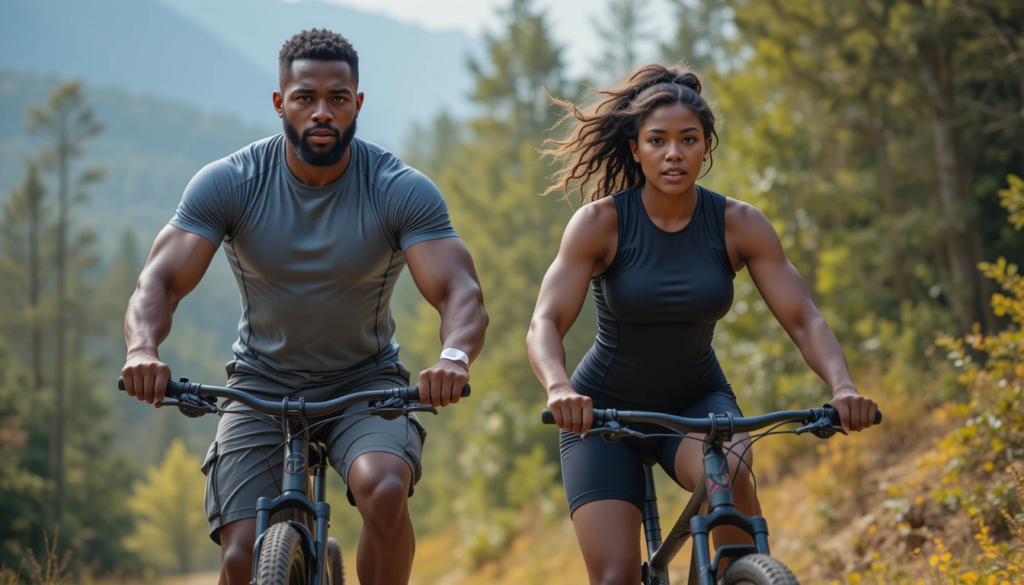
Home About Us Blog Mental Health Decoded Worse Case Scenario Technology Financial Freedom Self Defense featured Podcast Videos Shorts Self Defense Survival Motivation Herbal Remedies Videos Self Defense Survival Motivation Videos Conspiracy Videos Meditation & Relaxation Digital Dojo Digital Dojo Live Shop Self Defense Gear Prepper Gear Survival Garden Ebooks Mugs and Tunblers Stickers and Decals Apparel Supplements Contact Memberships Donations Privacy Policy X Popular Best Workout Styles for Adventurous People For Weight Loss Get fit for adventure—lose weight while embracing the wild side of fitness! Adventurous individuals love exploring the outdoors, testing their limits, and experiencing new challenges. But when it comes to getting in shape and losing weight, a traditional gym workout may not always cut it. For those who want to embrace their adventurous spirit while shedding pounds, certain workout styles are perfect for mixing fun, fitness, and fat burning. Here are the best workout styles for adventurous people looking to lose weight: 1. HIIT (High-Intensity Interval Training) Why it’s great for weight loss: HIIT workouts involve short bursts of intense activity followed by a brief rest period. This method has been proven to maximize calorie burn, improve metabolism, and increase fat loss. The high intensity pushes your body to the limit, allowing you to burn fat even after the workout is finished. How to incorporate it into adventure training: Outdoor sprints on a trail Circuit training at a park, combining bodyweight exercises with cardio intervals Stairs or hill sprints Adventure benefits: HIIT mimics the unpredictable nature of real-life adventures where you may have to sprint, climb, or hike quickly over varied terrain. 2. Trail Running and Hiking Why it’s great for weight loss: Running or hiking on trails engages your legs, core, and upper body differently than running on flat pavement. The uneven terrain helps activate more muscles, increasing the effort and calories burned. How to incorporate it into adventure training: Take a 30-60 minute run on hilly trails Include different elevations, rocky surfaces, and changes in terrain for variety Try interval hiking, where you alternate between steady hiking and short bursts of faster-paced movement Adventure benefits: Mimics the movements you’ll encounter when exploring wilderness or trekking through mountains. The more rugged the trail, the more benefits you gain. 3. Rock Climbing Why it’s great for weight loss: Climbing engages almost every muscle in your body, especially the core, arms, and legs. It’s a full-body workout that requires strength, endurance, and coordination. Climbing is both mentally and physically challenging, and it burns a ton of calories. How to incorporate it into adventure training: Outdoor rock climbing or bouldering at a climbing gym Training on indoor climbing walls to improve your grip strength and endurance Long climbing sessions with varied difficulty levels Adventure benefits: Prepares you for rock climbing or mountaineering adventures, where both strength and endurance are essential. 4. Paddleboarding (SUP) and Kayaking Why it’s great for weight loss: Water sports like stand-up paddleboarding (SUP) and kayaking are excellent for building core strength and improving balance while offering a low-impact cardiovascular workout. The constant movement, especially on choppy waters, engages your entire body. How to incorporate it into adventure training: Paddleboard or kayak in lakes, rivers, or open water Incorporate interval training on the water, paddling fast for short bursts, followed by recovery Mix in upper-body exercises while paddling to intensify the workout Adventure benefits: These water sports are perfect for adventurers looking to develop core strength for activities like rafting, canoeing, or exploring aquatic destinations. 5. CrossFit and Functional Training Why it’s great for weight loss: CrossFit combines functional movements, strength training, and high-intensity workouts. This style of fitness helps increase muscle mass while burning fat, and its varied workouts keep you engaged and challenged. How to incorporate it into adventure training: Try CrossFit-style workouts with an outdoor twist (e.g., tire flips, rope climbs, sandbag carries) Focus on functional exercises like squats, lunges, kettlebell swings, and burpees Use outdoor equipment or natural terrain to replicate real-world movements Adventure benefits: CrossFit enhances your strength, stamina, and mental toughness, preparing you for intense outdoor activities, such as lifting heavy gear, climbing, or surviving challenging conditions. 6. Obstacle Course Racing (OCR) Why it’s great for weight loss: Obstacle course races (like Tough Mudder or Spartan Race) are designed to test your endurance, strength, agility, and mental fortitude. Training for these races is a great way to shed pounds, as it combines intense cardio with strength training and agility drills. How to incorporate it into adventure training: Train on actual obstacle courses if available, or create your own using available equipment (e.g., monkey bars, climbing ropes, walls, tire flips) Work on building upper-body strength and endurance for obstacles like wall climbs and rope pulls Include interval sprints to build speed and stamina Adventure benefits: The skills learned in OCR are directly applicable to any adventure involving physical challenges, such as survival situations, extreme weather conditions, or wild terrain. 7. Cycling (Mountain and Road) Why it’s great for weight loss: Cycling, both on and off-road, is a fantastic way to burn calories while building strength and endurance in the legs, core, and cardiovascular system. Mountain biking, in particular, provides an added challenge with elevation changes and rugged terrain. How to incorporate it into adventure training: Ride trails or mountainous terrain to increase the intensity Combine uphill sprints with slower descents to maximize fat burn Train on long rides to build endurance Adventure benefits: Mountain biking and cycling can prepare you for off-grid exploration, wilderness survival, or navigating tough terrains while carrying gear. Final Thoughts Choosing the right workout style can make a significant difference in your weight loss journey, especially if you’re an adventurous person who thrives in the great outdoors. By engaging in functional, high-intensity workouts that simulate real-life adventure scenarios, you can lose weight while developing the skills and endurance necessary for your next thrilling journey. Listen to this article in audio format. Follow on Spotify ADVERTISEMENT Learn More ADVERTISEMENT
Top 9 Self-Defense Items Every Hiker Should Carry

Home About Us Blog Mental Health Decoded Worse Case Scenario Technology Financial Freedom Self Defense featured Podcast Videos Shorts Self Defense Survival Motivation Herbal Remedies Videos Self Defense Survival Motivation Videos Conspiracy Videos Meditation & Relaxation Digital Dojo Digital Dojo Live Shop Self Defense Gear Prepper Gear Survival Garden Ebooks Mugs and Tunblers Stickers and Decals Apparel Supplements Contact Memberships Donations Privacy Policy X Popular Top 9 Self-Defense Items Every Hiker Should Carry Hike smart, stay safe—equip yourself with the right tools before you hit the trail. Hiking is an incredible way to reconnect with nature, challenge yourself, and enjoy the serenity of the outdoors. But whether you’re trekking solo or in a group, being prepared for potential threats—both animal and human—is essential. While staying aware and practicing good situational awareness are key, having the right self-defense items on hand can be the difference between safety and danger. Here’s a list of the best self-defense items for hikers that are lightweight, practical, and effective. 1. Pepper Spray (Bear Spray Variant) The Lightweight Guardian for the Trail Pepper spray is a must-have for hikers. Not only does it give you a non-lethal way to protect yourself, but bear spray variants are designed to handle large predators at a safe distance. Effective against both animals and people Long-range dispersal (especially bear spray: up to 30 feet) Easy to carry—clips onto a backpack or belt Non-lethal but highly disorienting No special training required ✅ Pro Tip: Practice pulling it out quickly—you won’t have time to fumble in an emergency. 2. Personal Alarm / Emergency Whistle Make Noise, Stay Safe Sometimes, the loudest thing in the forest should be you. A high-decibel personal alarm or a reliable whistle can scare off threats and signal for help. Alerts others to your location Can scare off animals or people Lightweight and easy to use Battery-powered alarms often include flashing lights No physical force required—great for any age or ability ✅ Pro Tip: Attach to your shoulder strap or key loop for quick access. 3. Tactical Flashlight Illuminate and Intimidate A tactical flashlight does more than light your path—it can disorient threats or double as a striking weapon in close quarters. High-lumen beam can temporarily blind attackers Beveled edge for striking if needed Durable—waterproof and impact-resistant models available Useful for signaling in low visibility Essential for night hiking or emergencies ✅ Pro Tip: Choose one with adjustable beam settings and a strobe feature. 4. Tactical Hiking Pole Support Meets Self-Defense A good trekking pole helps with stability—but a tactical version adds serious protection. Some come with hidden blades, fire starters, or even stun capabilities. Can be used to fend off animals Hidden compartments for extra tools Helps reduce fatigue on uneven terrain Multi-functional for survival situations Often made with aircraft-grade aluminum ✅ Pro Tip: Know how to use it defensively—consider a basic stick-fighting course. 5. Compact Knife or Multi-Tool The Hiker’s Swiss Army Friend A knife is an essential part of any hiker’s kit. In a pinch, it becomes a self-defense tool—but it also earns its weight in utility. Good for cutting, carving, or protection Fixed blades are stronger for defense Some multi-tools include glass breakers and seatbelt cutters Small enough for daily carry Can assist with first aid, food prep, and shelter building ✅ Pro Tip: Keep it oiled and sharpened—don’t let your blade get dull. 6. Stun Gun / Taser Zap the Threat—Without Going Lethal If legal in your hiking area, stun guns offer immediate incapacitation in close range situations. They’re loud, intimidating, and effective. Disables attacker long enough for escape Audible crackling can be a deterrent Many models fit in a pocket or on a belt Rechargeable options available Some models include built-in flashlights ✅ Pro Tip: Practice using it before your trip—muscle memory matters. 7. Paracord Bracelet or Utility Belt Style Meets Survival Paracord gear isn’t just for looks. These survival tools provide feet of strong cord, hidden fire starters, blades, and more—all on your wrist or waist. Paracord can be used for traps, splints, tying gear, etc. Lightweight and wearable Some include mini blades or flint for fires No batteries required Doubles as fashion and function ✅ Pro Tip: Unravel and rewrap your cord before hitting the trail—make sure it’s usable. 8. Firearm (Where Legal and Trained) The Last Line of Defense For advanced hikers or those in high-risk zones, a firearm may be the ultimate safety measure. It’s not for everyone—but for some, it’s a non-negotiable. Instant stopping power Good deterrent in predator-heavy areas Requires training and licensing Holsters make carry safe and discreet Can also be used for signaling with sound ✅ Pro Tip: Regular range practice and a secure carry system are musts. 9. A Well-Trained Dog Your Four-Legged Security System A good trail dog does more than keep you company—it can sniff out danger, deter attackers, and help alert you to threats long before you see them. Natural deterrent to wild animals and strangers Early warning system with keen senses Can be trained for protection, rescue, or alert Encourages regular breaks and awareness Boosts morale and keeps you grounded ✅ Pro Tip: Pack a dog-specific first aid kit and keep your buddy hydrated. Listen to this article in audio format. Blog 27 Camping & Hiking 0 Decoded 9 EDC 2 featured 0 Financial Freedom 3 Follow on Spotify LEARN MORE ON YOUTUBE! ADVERTISEMENT Click here ADVERTISEMENT Learn More ADVERTISEMENT Learn More ADVERTISEMENT Learn More RELATED POST urbanwarriorsurvival.com 16 April 2025 Blog Self Defense Top 9 Self-Defense Items Every Hiker Should Carry urbanwarriorsurvival.com 16 April 2025 Blog Natural Healing 15 Essential Items Every New Hiker Should Pack urbanwarriorsurvival.com 15 April 2025 Blog Natural Healing Self-Healing for Survival: 10 Essential Techniques to Stay Healthy Off the Grid urbanwarriorsurvival.com 14 April 2025 Blog Self Defense Is Martial Arts Good for Self-Defense and Survival? urbanwarriorsurvival.com 7 April 2025 Blog Decoded How to Survive a Tornado Attack: Preparation, Action, and Aftermath urbanwarriorsurvival.com 1
15 Essential Items Every New Hiker Should Pack
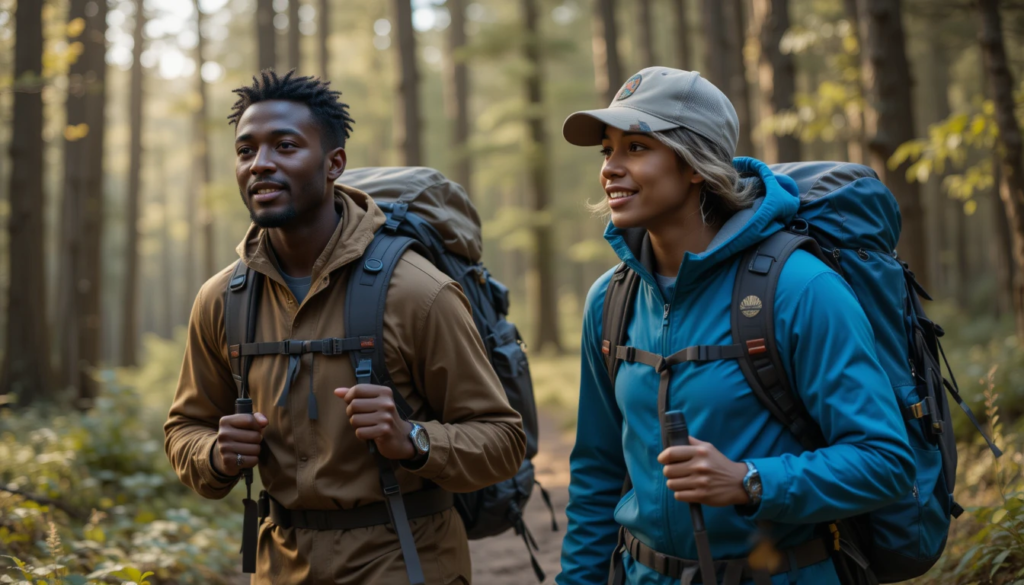
Home About Us Blog Mental Health Decoded Worse Case Scenario Technology Financial Freedom Self Defense featured Podcast Videos Shorts Self Defense Survival Motivation Herbal Remedies Videos Self Defense Survival Motivation Videos Conspiracy Videos Meditation & Relaxation Digital Dojo Digital Dojo Live Shop Self Defense Gear Prepper Gear Survival Garden Ebooks Mugs and Tunblers Stickers and Decals Apparel Supplements Contact Memberships Donations Privacy Policy X Popular 15 Essential Items Every New Hiker Should Pack Don’t hit the trail unprepared—gear up with the right essentials for a safer, more enjoyable hike. Whether you’re hiking a forest trail or exploring a mountain pass, preparation is key—especially for beginners. Here’s a breakdown of 15 essential items that every new hiker should bring along for safety, comfort, and peace of mind. 1. Proper Footwear Your feet are your foundation out on the trail. Investing in a solid pair of hiking boots or trail shoes can prevent injuries, blisters, and unnecessary fatigue. Look for shoes that offer good grip, ankle support, and are already broken in before your hike. Remember—comfortable feet equal a much better hiking experience. 2. Navigation Tools Getting lost on a trail is easier than you might think. Don’t rely solely on your phone’s GPS, especially in remote areas with poor signal. Always carry a physical trail map and a compass, and consider downloading offline maps on your smartphone or a GPS device. Knowing how to read them is just as important as bringing them. 3. Hydration Water is non-negotiable on any hike. Even a short trail can leave you feeling dehydrated, especially under the sun or at higher altitudes. Bring at least 2 liters of water, and if you’re going for a longer trek, consider adding a lightweight water filter or purification tablets in case you need to refill from natural sources. 4. Snacks & Lightweight Nutrition Hiking burns more calories than you may realize. Fuel your body with high-energy, non-perishable snacks like trail mix, energy bars, dried fruits, or jerky. These foods are lightweight, easy to pack, and give you the boost you need to keep moving, especially on long or strenuous hikes. 5. Layered Clothing Weather in nature can change fast—sunny mornings can turn into chilly afternoons or sudden rain. Dressing in layers gives you the flexibility to adapt. Start with a moisture-wicking base layer, add an insulating layer like fleece or a down jacket, and finish with a waterproof/windproof outer shell. 6. First Aid Kit Even on easy trails, accidents happen. A compact first aid kit should include adhesive bandages, antiseptic wipes, moleskin for blisters, tweezers, medical tape, and basic medications like painkillers or antihistamines. You don’t need to be a medic—but being able to treat a scrape or blister can make a huge difference. 7. Sun Protection UV rays can be intense at higher elevations or even on cloudy days. Always pack sunscreen (SPF 30 or higher), sunglasses with UV protection, and a hat to shield your face and neck. Protecting yourself from sunburn and heat exhaustion keeps your body strong and your hike enjoyable. 8. Emergency Shelter In the rare case you get stranded or delayed, having an emergency shelter can be life-saving. Lightweight options like a space blanket, bivvy sack, or emergency tarp don’t take up much space but can protect you from wind, rain, and cold if you’re stuck overnight. 9. Headlamp or Flashlight Darkness falls quickly in the woods, and you don’t want to be caught fumbling for your way out. A headlamp allows for hands-free lighting, making it easier to hike, cook, or set up camp after sundown. Always pack extra batteries, and don’t rely solely on your phone’s flashlight—it drains your battery fast. 10. Multi-tool or Knife A small multi-tool or hiking knife is incredibly useful for everything from cutting rope and opening snacks to gear repair or first aid. Choose one with a few basic functions like a blade, scissors, tweezers, and a screwdriver. You don’t need a bulky survival tool—just something reliable and compact. 11. Bug Protection Insects can turn a great hike into an itchy nightmare. Bug spray with DEET or natural alternatives like citronella can help repel mosquitoes, ticks, and flies. Wearing long sleeves and pants in buggy areas provides additional protection, especially during dusk or near water sources. 12. Backpack You’ll need something to carry all your gear, and a comfortable, well-fitted backpack makes all the difference. For day hikes, a pack with a 15–30 liter capacity is usually enough. Look for padded shoulder straps, a supportive hip belt, and compartments to keep things organized and accessible. 13. Trash Bag or Ziplock Part of responsible hiking is leaving the trail better than you found it. Bring a small trash bag or ziplock to pack out all your waste, including food wrappers, tissues, or biodegradable waste. “Leave no trace” isn’t just a motto—it’s how we preserve the wilderness for others. 14. Personal Identification & Emergency Info Always carry some form of ID and a card with emergency contact information, medical conditions, and any allergies. You can keep this in a waterproof sleeve or ziplock bag. It’s a small step that can make a huge difference if something goes wrong. 15. Optional but Useful: Trekking Poles While not necessary for everyone, trekking poles can help with balance, reduce strain on knees during descents, and make uphill climbs easier. They’re especially useful on rocky or uneven terrain. Look for collapsible poles if you want to pack light. Final Tips for First-Timers: Start with shorter trails: Choose beginner-friendly hikes until you get more comfortable with your gear and pace. Check the weather forecast: Always know what conditions to expect before you head out. Tell someone your plan: Let a friend or family member know your route and when you plan to return. Stay on marked trails: Don’t try to blaze your own trail—stick to official paths for safety. Conclusion: Hiking doesn’t require a ton of gear, but the right items can mean the difference between a fun day in
Self-Healing for Survival: 10 Essential Techniques to Stay Healthy Off the Grid
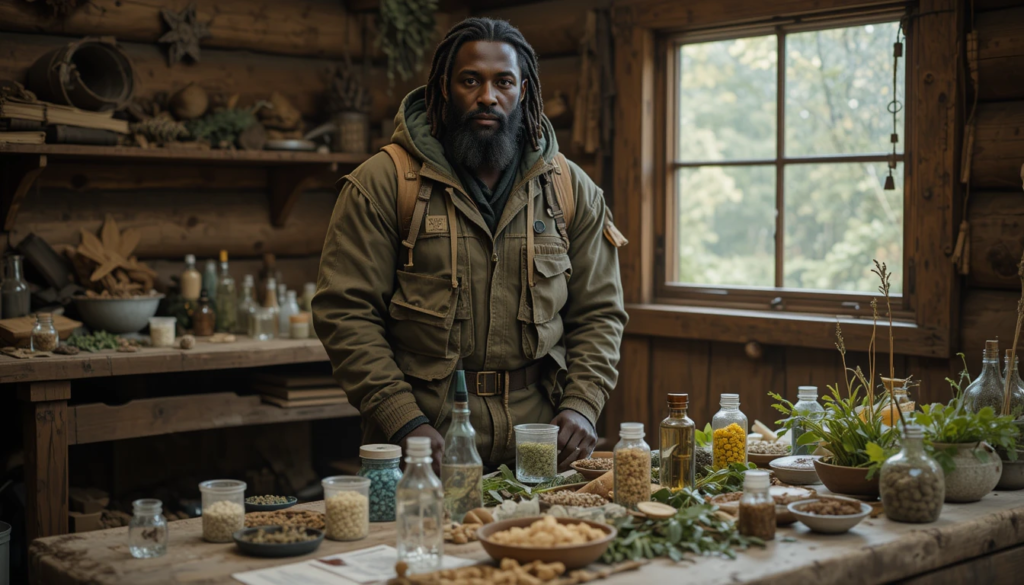
Home About Us Blog Mental Health Decoded Worse Case Scenario Technology Financial Freedom Self Defense featured Podcast Videos Shorts Self Defense Survival Motivation Herbal Remedies Videos Self Defense Survival Motivation Videos Conspiracy Videos Meditation & Relaxation Digital Dojo Digital Dojo Live Shop Self Defense Gear Prepper Gear Survival Garden Ebooks Mugs and Tunblers Stickers and Decals Apparel Supplements Contact Memberships Donations Privacy Policy X Popular Self-Healing for Survival: 10 Essential Techniques to Stay Strong Off the Grid Heal yourself, strengthen your mind, and reclaim your power—wherever you are When you live off the grid or embrace the survivalist lifestyle, you trade convenience for independence. That means no quick trips to the doctor, no stocked pharmacies, and no backup plans—just you, your knowledge, and your will to survive. In this world, self-healing isn’t just a skill. It’s a way of life. Whether you’re recovering from injury, managing stress, or fighting illness, these self-healing techniques can help you stay strong, resilient, and in control of your health. 1. Herbal First Aid Nature provides everything we need to heal—if we know where to look. Herbal first aid is a cornerstone of off-grid survival. For example, yarrow can be used to stop bleeding and disinfect wounds. Simply crush the leaves and apply them directly to the cut. Plantain, often dismissed as a weed, is excellent for pulling out toxins from insect stings or snake bites. Mash the leaves into a poultice and wrap it on the affected area. Echinacea, found in many wild regions, strengthens the immune system and can help fight off infections. Learning to identify, harvest, and prepare these plants could literally save your life. 2. Breathwork and Conscious Breathing Breath is your most powerful tool—and it’s free. Practicing breathwork helps regulate your nervous system, reduce stress, and increase oxygen flow, which promotes healing throughout the body. Techniques like box breathing (inhale for 4 seconds, hold for 4, exhale for 4, hold again for 4) can calm your mind and reduce anxiety in high-stress survival situations. For deeper healing, Wim Hof breathing—a series of deep, rhythmic inhales followed by breath holds—can improve circulation, strengthen your immune response, and help you mentally power through pain or discomfort. 3. Cold Water Therapy Survival situations don’t come with hot tubs. But cold water therapy, even in rivers or streams, can be a game-changer. Cold exposure reduces inflammation, improves mood, and builds mental resilience. Start by splashing cold water on your face and working up to full immersion in cold natural water. Short, controlled exposure boosts circulation and trains your body to adapt to extreme conditions. Over time, it can improve your tolerance to cold, enhance healing, and even increase your pain threshold. 4. Self-Massage and Pressure Points When you’re sore, injured, or dealing with tension, your hands can be your medicine. Learn basic self-massage techniques to improve blood flow and relieve pain. Focus on areas like the neck, shoulders, and lower back—common spots for tension, especially when carrying gear or sleeping rough. Pressure points, such as the LI-4 point between your thumb and index finger, can be used to relieve headaches or nausea. Understanding how to use your own body for pain relief keeps you mobile and functional, even when resources are scarce. 5. Fasting for Healing Sometimes, eating less is the path to more energy and clarity. Intermittent fasting or even extended fasts (done safely) allow the body to enter a state of autophagy—a cellular cleanup process that removes damaged cells and regenerates new ones. In survival situations where food is limited, fasting can actually support healing rather than hinder it. The body becomes more efficient, inflammation decreases, and mental clarity improves. Always do your research or practice under guidance if you’re new to fasting. 6. Grounding (Earthing) Walking barefoot on the earth isn’t just for hippies—it’s science. Grounding, or making direct contact with the earth, helps balance your body’s electrical charge. Studies suggest grounding can reduce inflammation, improve sleep, and speed up recovery from injuries. In a survival setting, take time each day to remove your shoes and stand or walk on natural surfaces like grass, dirt, or sand. It helps regulate your circadian rhythm and reconnects you with the natural world, both physically and mentally. 7. Meditation and Visualization Your mental state is just as important as your physical health in a survival situation. Meditation improves focus, calms anxiety, and reduces the physical effects of stress on the body. Even five minutes of quiet breathing and mental stillness can bring clarity in chaos. Visualization techniques—like mentally walking through a healing process or imagining your body repairing itself—can actually trigger physiological responses that support recovery. The mind is a powerful ally—use it wisely. 8. Natural Poultices and Clays Wild clays and homemade poultices can work wonders. Bentonite clay, if available, pulls toxins and bacteria from the skin. In the wild, clean natural clays can be used in emergency situations to treat bites, burns, or skin infections. Combine clay with herbs like comfrey or calendula to make a healing poultice. Wrap it on wounds or swollen areas with a natural bandage like plantain leaves or cloth. This age-old technique has been used by healers across cultures for generations. 9. Energy Work (Qi Gong, Reiki, Hands-On Healing) Not everything that heals can be seen. Qi Gong, an ancient Chinese practice, combines slow movements, breath control, and mental focus to direct energy through the body. Reiki and other forms of energy work use intention and light touch to encourage healing at a subtle level. You don’t need formal training to benefit—just placing your hands over an injury and focusing your intention on healing can produce real results. In a world where physical tools may be limited, your own energy may be the most powerful tool you have. 10. Solar and Moon Healing Harnessing the elements includes light itself. Sunlight provides vitamin D, essential for immune function, bone health, and mental well-being. Try sunbathing safely during early morning or late afternoon hours to avoid harsh
Is Martial Arts Good for Self-Defense and Survival?

Home About Us Blog Mental Health Decoded Worse Case Scenario Technology Financial Freedom Self Defense featured Podcast Videos Shorts Self Defense Survival Motivation Herbal Remedies Videos Self Defense Survival Motivation Videos Conspiracy Videos Meditation & Relaxation Digital Dojo Digital Dojo Live Shop Self Defense Gear Prepper Gear Survival Garden Ebooks Mugs and Tunblers Stickers and Decals Apparel Supplements Contact Memberships Donations Privacy Policy X Popular Is Martial Arts Good for Self-Defense and Survival? Train your body, sharpen your mind — fight for your survival. When most people think of martial arts, they picture high-flying kicks, clean uniforms, and disciplined bowing in a dojo. But in the context of self-defense and survival, the question becomes more raw and real: Can martial arts actually help you protect yourself in life-or-death situations? Let’s break it down. The Pros of Martial Arts for Self-Defense and Survival 1. Improved Situational Awareness Martial arts training sharpens your senses. You become more aware of your surroundings and people’s intentions. That alone can help you avoid trouble before it starts — one of the most underrated self-defense tools. 2. Confidence Under Pressure Knowing how to fight helps you stay calm when adrenaline spikes. That composure is everything in high-stress survival situations, whether it’s a mugging, riot, or natural disaster. 3. Physical Conditioning Martial artists tend to be more flexible, stronger, and faster. In survival scenarios, the ability to run, climb, or fight back could mean the difference between life and death. 4. Discipline & Mental Fortitude The mindset developed in martial arts — pushing through pain, thinking clearly under stress, staying calm — transfers directly to survival. That kind of mental edge is hard to teach any other way. 5. Hands as Weapons When you don’t have a knife or firearm, your fists, elbows, knees, and even your voice become your tools. Martial arts like Muay Thai, Krav Maga, and Brazilian Jiu-Jitsu focus on real-world applications. The Cons of Martial Arts for Self-Defense and Survival 1. Not All Martial Arts Are Equal Some styles are more sport-based (like Tae Kwon Do or point-based Karate) and may not prepare you for a street fight. Others, like Krav Maga or Filipino Kali, are designed for real-world combat. Choose wisely. 2. Overconfidence Can Be Dangerous Some martial artists develop a false sense of security, thinking a black belt makes them invincible. That attitude can get you hurt fast, especially against someone with a weapon or zero rules. 3. Time and Money Training takes years and often costs thousands. For someone prepping for survival, that time might be better spent on firearms training, first aid, or food security — depending on your priorities. 4. Limited Against Armed or Multiple Attackers No matter how good you are, martial arts can only take you so far against a knife, gun, or group ambush. Martial arts should be one part of a broader self-defense toolkit. The Verdict: Martial Arts Is a Tool — Not a Cure-All Martial arts can absolutely help with self-defense and survival. It builds mindset, fitness, and physical capability. But it’s not magic. You still need street smarts, gear, and the willingness to walk away when possible. The key is integration: pair martial arts with tactical training, situational awareness, and survival skills. Think of it as sharpening your blade — but always have a backup plan. Best Martial Arts for Survival & Self-Defense: Krav Maga – Military-grade efficiency Brazilian Jiu-Jitsu (BJJ) – Control without striking Muay Thai – Devastating strikes and clinch game Boxing – Fast hands and footwork Filipino Kali/Escrima – Knife, stick, and hand-to-hand skills Judo – Throws and takedown defense Final Thoughts Martial arts won’t make you a superhero — but it will give you tools that could save your life.If you’re serious about self-defense and survival, start training — and train for reality, not the mat. Listen to this article in audio format. Blog 24 Decoded 9 EDC 2 featured 0 Financial Freedom 3 Gardening 2 Follow on Spotify LEARN MORE ON YOUTUBE! ADVERTISEMENT Click here ADVERTISEMENT Learn More ADVERTISEMENT Learn More ADVERTISEMENT Learn More RELATED POST urbanwarriorsurvival.com 14 April 2025 Blog Self Defense Is Martial Arts Good for Self-Defense and Survival? urbanwarriorsurvival.com 7 April 2025 Blog Decoded How to Survive a Tornado Attack: Preparation, Action, and Aftermath urbanwarriorsurvival.com 1 April 2025 Blog Decoded How to Use Visualization to Overcome Fear For Survival urbanwarriorsurvival.com 31 March 2025 Blog Decoded Is the System Broken? The Illusion of the American Dream urbanwarriorsurvival.com 28 March 2025 Blog Prepping survival gear How to Incorporate Trade and Barter into Your Business urbanwarriorsurvival.com 27 March 2025 Blog Prepping survival gear Frelaxy Dry Bag Review: The Ultimate Waterproof Gear for Survivalists Address List 123, Any Street NorthYour City NameCountry Name. P.O 3554 +1 234 567 8902 Urban Warrior Survival Social Networks Facebook Twitter Instagram B.Roc Survival Podcast Discord Patreon Pinterest Youtube Links List Help Center Community Forums Blog Meetups B.Roc Survival Inc. All rights reserved