
How to Move Unseen When Streets Turn to War Zones
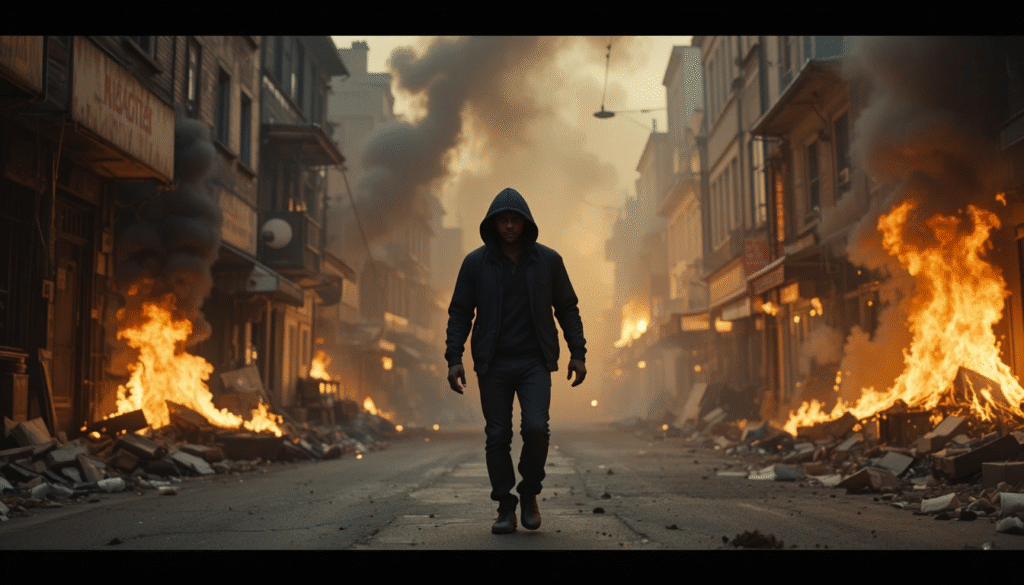
When the city loses control, everything changes in seconds. It’s like one minute you’re just walking home, and the next, it’s sirens, shouting, and smoke filling the streets. That’s when people stop thinking and start reacting—and that’s dangerous. Most folks freeze or panic because they’ve never been in real chaos before. What you’re gonna wanna do is learn how to move calm, quiet, and invisible—like you’ve already been through it before.
DOES MUAY THAI SUCK FOR SELF DEFENSE?
Home About Me Gallery Blog Mental Health Nature Decoded Disaster Preparedness Be Your Own Boss Self Defense featured Podcast Videos Shorts Self Defense Survival Motivation Herbal Remedies Live Streams Digital Dojo Mental Health Hacks Meditation & Relaxation Sleep Sounds Self Defense Survival Lessons From Nature Primal Fitness Tech Review: Urban & Wilderness Tech for Survival Shop Recommendations Self Defense Gear Prepper Gear Survival Garden Natural Healing Fitness Equipment Supplements Apparel Mugs and Tunblers Phone Cases Digital Downloads Studio CBP Courses Brand Building & Business Blueprinting Website Creation Creative Design Content Editing & Media Production Memberships Donations Calendar Chatroom Forum X Popular DOES MUAY THAI SUCK FOR SELF DEFENSE? Will Muay Thai Help You In a Self Defense Situtation Look, Muay Thai looks flashy, but the streets don’t give a damn about style points. What you’re gonna wanna know is how it works when you don’t have a ring, rules, or a referee. It’s brutal, close, and it can absolutely save your ass — if you train the right way. I’m gonna break it down in 8 sections so you can see the truth of Muay Thai in real-world survival. 1. Clinch Control Muay Thai clinch isn’t just for fancy sparring — it’s about controlling someone trying to crush you. You can stop strikes and create openings to knee or elbow without letting them land their shots. It also buys you time to disengage if the fight isn’t worth it. In the streets, being able to dictate range is survival, plain and simple. EXAMPLE: A bigger attacker rushes you in a narrow alley — you grab the clinch, trap their head, and drive a knee into their midsection while backing toward an exit. Bottom line: Clinch control lets you fight smart and create your escape. Check out my martial art gear recommendations 2. Knees and Elbows Knees and elbows are short-range wrecking balls you always carry on your body. They’re devastating if you hit the right spots, and don’t require much space to be effective. Unlike high kicks, you can deploy them even on uneven ground or inside a car. Using them correctly can end a fight fast and save you from unnecessary damage. EXAMPLE: Someone grabs your shoulders trying to overpower you — you drive a sharp elbow to the jaw, immediately forcing them to release. Bottom line: Elbows and knees turn minimal space into maximum damage. 3. Low Kicks Muay Thai low kicks aren’t about looking pretty — they’re about stopping movement. Hit the legs, and you reduce the attacker’s mobility, giving you an advantage. In real fights, slowing them down is often better than landing flashy head kicks. Legs carry the body, and disabling them changes the fight instantly. EXAMPLE: An aggressive attacker steps in — you sweep a low kick to their thigh and slow their advance, giving yourself room to back off. Bottom line: Low kicks cripple movement and create breathing room. Check out my martial art gear recommendations 4. High Kicks Are Risky High kicks look cool, but they leave you off-balance and exposed. On the street, uneven surfaces or a grab can make a spinning head kick deadly for you, not them. Don’t rely on flash — stick to strikes that keep your base solid. You need balance more than style when survival is the goal. EXAMPLE: Attempting a head kick on uneven pavement — the attacker catches your leg and you almost go down. Bottom line: High kicks are flashy, not reliable for survival. 5. Ground Vulnerability Muay Thai focuses almost entirely on stand-up striking. If the fight goes to the ground, you’re not as prepared as someone trained in grappling. Streets aren’t padded mats — falling can end the fight against you. Knowing when to disengage or transition to a ground escape is critical. EXAMPLE: After trading punches, a grappler takes you down — you scramble and get mounted because you never trained ground escapes. Bottom line: Striking alone won’t save you on the ground. Check out my martial art gear recommendations 6. Multiple Attackers Muay Thai is primarily one-on-one combat. Against multiple opponents, the style’s power becomes limited. You need to move, create distance, and pick fights smartly. Street survival is about avoidance and positioning, not just hitting harder. EXAMPLE: Two attackers close in on you while you’re on a sidewalk — you use low kicks and lateral movement to slip past and avoid getting surrounded. Bottom line: Awareness and movement beat pure technique in chaos. 7. Realistic Sparring Matters Sport-style Muay Thai can give you form, but street fights don’t play by rules. Realistic sparring with pressure and unpredictability is what teaches survival instincts. If you train like it’s a ring-only competition, you’ll get caught off guard. Street fighting isn’t elegant — it’s survival, ugly and raw. EXAMPLE: You hesitate expecting a “fair play” strike from your opponent — they hit anyway, leaving you stunned. Bottom line: Train chaotic, messy, and under stress to survive. Check out my martial art gear recommendations 8. Mental Toughness Muay Thai conditions more than your body — it builds a mindset. Being calm under pressure, knowing how to strike, and respecting distance are huge advantages. Even simple strikes become lethal when paired with focus and nerves of steel. Survival is as much mental as it is physical. EXAMPLE: In a sudden mugging, you stay calm, throw a clean knee, and step back to exit without losing your footing. Bottom line: Mental toughness turns skill into survival. Outro Conclusion: So, does Muay Thai suck for self-defense? Hell no. It’s brutal, efficient, and the techniques transfer straight to survival scenarios. But it ain’t perfect — you need low kicks, clinch mastery, awareness, and mental toughness. Blend it with ground escapes, multi-attacker strategy, and realistic sparring, and suddenly you’ve got a tool that can literally save your life. LISTEN NOW GEAR SHOP TWITCH DISCORD VIEW THIS ARTICLE ON YOUTUBE FOLLOW ON SPOTIFY ADVERTISEMENT Learn More ADVERTISEMENT Learn More ADVERTISEMENT Learn More ADVERTISEMENT Learn More VISIT ME
When the Grid Goes Dark
Home About Me Gallery Blog Mental Health Nature Decoded Disaster Preparedness Be Your Own Boss Self Defense featured Podcast Videos Shorts Self Defense Survival Motivation Herbal Remedies Live Streams Digital Dojo Mental Health Hacks Meditation & Relaxation Sleep Sounds Self Defense Survival Lessons From Nature Primal Fitness Tech Review: Urban & Wilderness Tech for Survival Shop Recommendations Self Defense Gear Prepper Gear Survival Garden Natural Healing Fitness Equipment Supplements Apparel Mugs and Tunblers Phone Cases Digital Downloads Studio CBP Courses Brand Building & Business Blueprinting Website Creation Creative Design Content Editing & Media Production Memberships Donations Calendar Chatroom Forum X Popular HOW TO SURVIVE WHEN THE GRID GOES DARK Surviving when power vanishes overnight. People think “power outage” means a few hours of inconvenience — candles, flashlights, maybe a dead phone. But when the grid really goes down, it’s not just your lights — it’s your entire way of life that disappears. No ATMs, no gas pumps, no hospitals running full power, no communication. The silence hits first, then the panic, then the violence. The smart ones? They already moved like the grid might never come back. That’s what this is about — how to think and move when the power that runs the modern world shuts off. 1. Understanding What the Grid Really Is Most people underestimate how fragile it all is. The power grid isn’t one machine — it’s millions of interconnected systems relying on perfect coordination. Take out a few key transformers or overload a few substations, and it’s game over for entire regions. What’s worse, you can’t just “flip it back on.” Restarting the grid can take weeks or months, not hours. People assume backup generators will save them — but those depend on fuel, which depends on the same grid for distribution. Imagine being stuck in a 30-story apartment when the lights cut out, elevators dead, phones fading, and no one coming up the stairs with answers. 2. The First 24 Hours The first day decides whether you stay ahead or join the panic. When power goes out, your first priority isn’t to light candles — it’s to secure information, water, and safety. Treat it like a full-scale crisis from the first minute, because by the time officials admit it’s serious, it already is. Many people waste time waiting for updates instead of moving; information delay kills faster than hunger. A family in Texas once lost power for just three days during a cold snap — by night two, water pipes burst, stores emptied, and roads froze solid. 3. Communication Collapse When the grid fails, so do the cell towers and the internet that keep people “connected.” Your lifeline is gone. You can’t call for help, can’t check the news, can’t verify rumors. In that silence, panic spreads faster than truth. You need alternate channels — radios, local meet points, and a team who knows what to do without a text message telling them. Most people think “I’ll just use my phone battery carefully.” Problem is, towers die long before your phone does. Picture walking out of your building and seeing everyone staring at dead screens — no service, no info, just fear and confusion. 4. Water: The Real First Priority When electricity dies, water pumps stop too. The taps dry up, toilets back up, and panic sets in. Within 24 hours, most people realize they’ve got a lot less drinkable water than they thought. Store water now, before you ever need it. If you’re caught unprepared, start collecting and purifying immediately. Many underestimate how fast city water systems fail without pressure or power — it’s not days, it’s hours. A man in Detroit once filled his bathtub the second power went down during a storm — that one move kept his family alive for a week. 5. Food and Refrigeration Everything in your fridge has a timer on it now. The moment the power cuts, the clock starts ticking. Prioritize eating perishables first and ration dry or canned goods later. Don’t open the fridge unless you have to — it holds the cold for only a few hours. You can bury sealed items underground or use natural cooling spots to preserve them longer. People think they can just “cook it all and store it.” Without cooling, cooked food spoils faster than raw. A couple in New Orleans lost power after a hurricane — they cooked their meat, stored it outside, and got food poisoning two days later. 6. Security Becomes Survival When lights go out, crime spikes instantly. No alarms, no cameras, no cops responding fast — just opportunity. You need to control your light discipline, sound, and visibility. Blackout curtains, minimal noise, and a plan for defense. Even good neighborhoods change fast when night lasts too long. People assume “my neighbors are cool” until resources get scarce. Desperation changes people overnight. Picture a dark street where everyone’s windows glow but yours stays black — you just became invisible while they became targets. 7. Heat and Light the Smart Way Candles cause more fires in blackouts than anything else. Learn to light your space with minimal risk — LED lanterns, solar lamps, and chemical light sticks. For warmth, body heat and insulation matter more than flames. A cold night in the dark is bearable with planning — deadly without it. People light too many candles or use propane heaters indoors — and end up suffocating or burning down their house. A prepper in Maine survived a week-long outage using just a tent inside his living room, sleeping bags, and one small camp stove outside. 8. Long-Term Adaptation If power doesn’t come back, you’re not just surviving — you’re rebuilding. You’ll need to think beyond batteries and flashlights. Bartering, gardening, local defense, and manual tools become the new grid. The mindset shift is brutal: from consumer to creator, from dependent to dangerous. The ones who adapt fast lead; the rest fade. Most people think the grid will always come back — but history shows
Why Boxing Sucks for Self-Defense
Survival isn’t about what looks cool, it’s about what works. In this breakdown of machete vs hatchet, we cut through the hype and show which blade really gives you the edge when survival gets real.
Is MMA Good for Self-Defense and the Apocalypse?
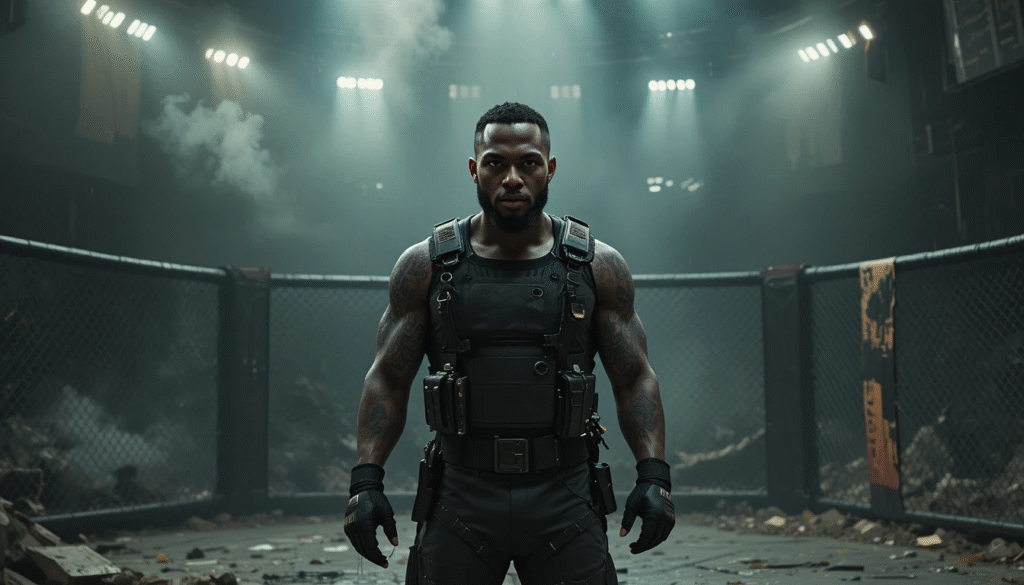
MMA was built for controlled chaos. You’re learning how to stay calm while fists are flying, blood’s dripping, and adrenaline’s on max. That’s a rare skill, and in a street fight, it can make all the difference between panicking and acting with precision. MMA fighters are used to impact, close range, and violent contact — and that’s something most “self-defense” classes never teach.