
How to Survive a Flood in Your Area
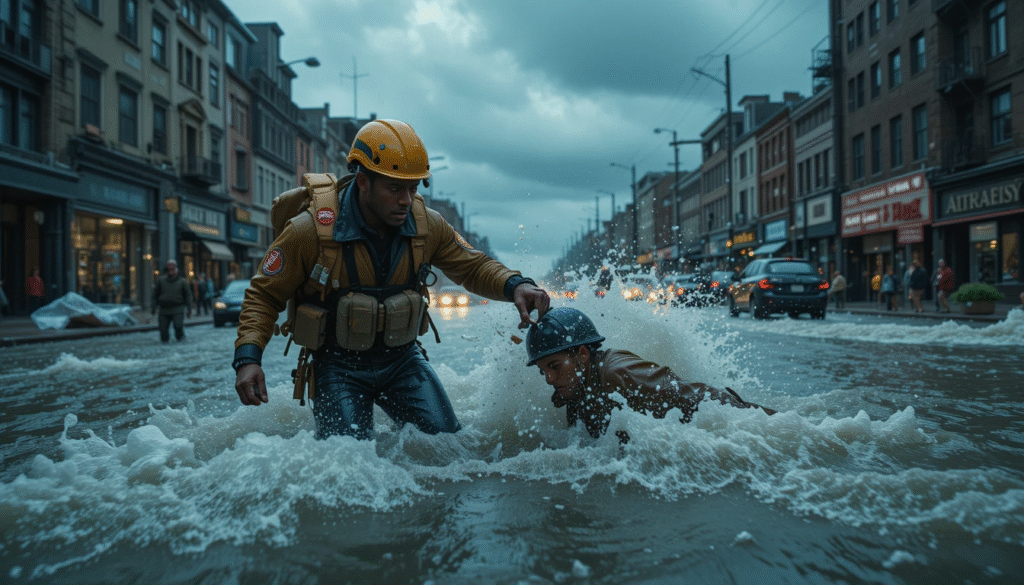
Home About Me Blog Mental Health Nature Decoded Disaster Preparedness Be Your Own Boss Self Defense featured Podcast Videos Shorts Self Defense Survival Motivation Herbal Remedies Live Streams Digital Dojo Digital Dojo Live Mental Health Hacks Meditation & Relaxation Sleep Sounds Self Defense Survival Lessons From Nature Primal Fitness Tech Review: Urban & Wilderness Tech for Survival Shop Get It On Amazon Self Defense Gear Prepper Gear Survival Garden Natural Healing Fitness Equipment Digital Downloads Stickers and Decals Mugs and Tunblers Apparel Supplements Studio Memberships Donations X Popular How to Survive a Flood in Your Area: What to Do When a Flood Warning Is Issued If you’re reading this, you either live somewhere that floods could happen… or they already have. I’m going to be real with you—floods are one of the most underestimated disasters out there. They don’t always come with a lot of warning, and they can turn deadly fast. So, let’s talk about how they work, what you need to watch for, and exactly how you can make it through. How Floods Work (and Why They Can Be So Deadly) Floods aren’t just “a lot of water.” They’re nature’s way of saying, “I’m in charge now.” They happen when more water comes in than the ground, rivers, or drainage systems can handle. That could be from: Heavy rain that doesn’t stop. Hurricanes or tropical storms pushing water inland. Snow melting faster than the rivers can handle. Dams or levees breaking. Here’s the part people forget: floodwater is not clean. It’s full of debris, chemicals, and sometimes sewage. It’s also heavy and powerful—just six inches of moving water can knock you off your feet, and two feet can sweep a car away like it’s a toy. What You Need Before the Flood Comes If you wait until the water’s at your doorstep, you’re already behind. You need your gear ready now. Emergency Go-Bag – Think waterproof backpack with the basics: food, water, flashlight, first aid kit, extra clothes, important documents in waterproof bags, and any meds you need. Portable Water Filter – If tap water gets contaminated, you’ll need a way to make it safe. Battery or Hand-Crank Radio – Floods can knock out cell service, so you’ll need updates the old-fashioned way. Cash – ATMs and card readers might not work. Sturdy Boots & Gloves – Floodwater hides sharp objects and debris. If a Flood Warning Hits – Here’s What to Do This is where a lot of people panic. You’re not going to be one of them. Get to Higher Ground Immediately – Don’t wait. Water rises faster than you think. Never Walk or Drive Through Moving Water – I don’t care if it “doesn’t look deep.” It only takes one wrong step to disappear. Turn Off Utilities – If you have time, shut off gas, electricity, and water to avoid fires and electrocution. Listen to Authorities – Evacuation orders aren’t suggestions. If they say go, you go. Watch for Secondary Hazards – Landslides, sinkholes, or even more flooding can follow. If You’re Caught in It Worst-case scenario—you’re surrounded by water. Here’s how you keep yourself alive. Find Something That Floats – Doors, barrels, even large plastic bins can save you. Avoid Flood Currents – If you’re in moving water, try to angle toward stable ground, not fight the current head-on. Don’t Drink the Water – It’s contaminated. Stay away from it as much as possible. Signal for Help – Bright colors, waving fabric, or a flashlight at night can make the difference. After the Flood – Stay Smart Surviving the flood is only half the battle. Once the water’s gone: Don’t go back inside until it’s declared safe. Avoid downed power lines. Wear gloves and boots for cleanup—floodwater residue is nasty. Throw out any food or drink that touched floodwater. Floods don’t care how tough you are or how long you’ve lived in your area—they can take out entire neighborhoods in hours. But if you understand how they work, prepare now, and stay calm when they hit, you’ll not only survive… you’ll be the one helping others get through it too. LISTEN NOW GEAR SHOP TWITCH DISCORD Follow on Spotify ADVERTISEMENT Learn More ADVERTISEMENT Learn More VISIT ME ON YOUTUBE! ADVERTISEMENT Learn More ADVERTISEMENT Learn More RELATED POST urbanwarriorsurvival.com 13 August 2025 Blog Disaster Preparedness featured How to Survive a Flood in Your Area urbanwarriorsurvival.com 12 August 2025 Blog featured Mental Health 6 Reasons People Are Suffering From Mental Health Issues urbanwarriorsurvival.com 11 August 2025 Blog featured Self Defense These 8 reasons will make you consider learning knife combat for self defense. urbanwarriorsurvival.com 8 August 2025 featured Mental Health 7 Ways to Keep Calm in a Crisis urbanwarriorsurvival.com 30 July 2025 Disaster Preparedness featured When the Ground Shakes and the Ocean Roars: How to Survive an Earthquake Tsunami urbanwarriorsurvival.com 28 July 2025 featured Self Defense 10 Ways Martial Arts Can Transform The Mind, Body, and Spirit For Survival Social Networks Facebook Twitter Instagram B.Roc Survival Podcast Discord Patreon Pinterest Youtube Links List Help Center Community Forums Blog Meetups B.Roc Survival Inc. All rights reserved
8 Tips How to Survive a Nuclear Attack
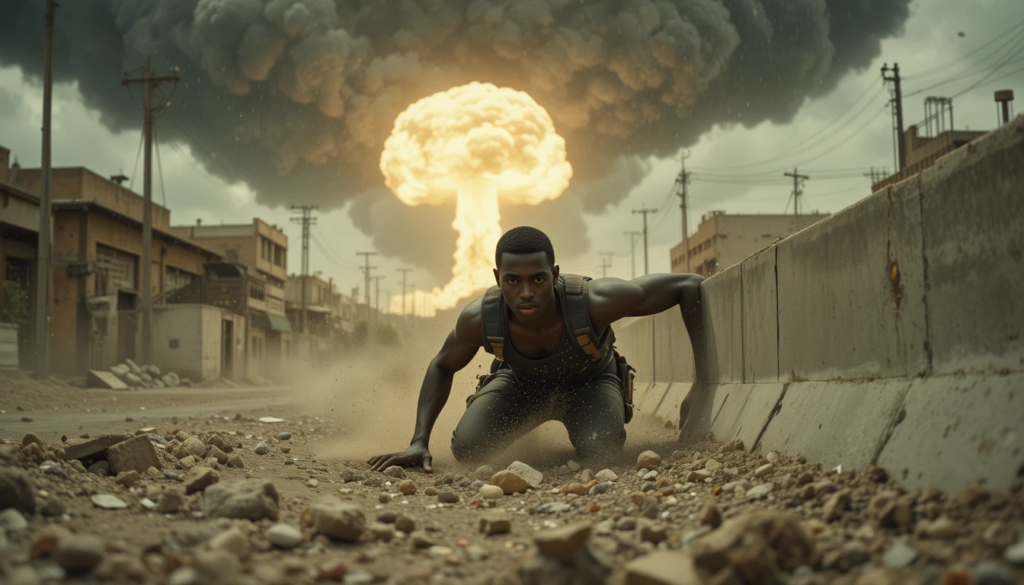
Home About Me Blog Mental Health Decoded Disaster Preparedness Living Off the Grid Be Your Own Boss Self Defense featured Podcast Videos Shorts Self Defense Survival Motivation Herbal Remedies Live Streams Digital Dojo Digital Dojo Live Mental Health Hacks Meditation & Relaxation Sleep Sounds Self Defense Survival Lessons From Nature Primal Fitness Tech Review: Urban & Wilderness Tech for Survival Tactical Wealth Shop Recommendations Self Defense Gear Prepper Gear Survival Garden Natural Healing Fitness Equipment Ebooks Stickers and Decals Mugs and Tunblers Apparel Supplements Memberships Donations X Facebook Instapaper Twitter Popular How to Survive a Nuclear Attack A No-Nonsense Survival Blueprint for When the Bomb Drops Let’s cut straight to it. If a nuclear bomb ever goes off, things won’t be like the movies. No time for dramatic slow motion or background music. Just a flash of light, a blast wave, and then silence. The scariest part? You don’t have to be at ground zero to feel the effects. Radiation, chaos, food shortages, civil collapse—it’s all real. But here’s the good news: survival is possible if you act fast, think smart, and stay grounded. This guide is your go-to playbook for staying alive when the world goes radioactive. Whether you’re in the heart of the city or the edge of nowhere, you’ll need more than just canned food—you’ll need mental strength, street smarts, and supernatural instinct. 1. React Fast to the Flash If you ever see a blinding white flash and you’re not instantly vaporized, don’t waste time asking questions. Drop immediately—face down, hands under your body, eyes shut tight. That flash means the blast is seconds away. Stay low. Don’t look back. After the initial wave, you’ll have anywhere from 30 seconds to a few minutes before the shockwave and heat reach you, depending on your distance from the epicenter. Use that time wisely—find cover, any cover. Concrete walls, underground parking garages, or behind thick stone structures. You don’t need a fancy bunker to survive the blast—you just need to get behind something that can shield heat and force. 2. Get Inside, Then Stay Inside If you survive the blast, your next enemy is fallout—radioactive particles that drop like ash. You need shelter, fast. The best places? Thick buildings, underground spots, or basements. Brick, concrete, and metal walls are your friends right now. Seal off windows and doors with whatever you’ve got—towels, duct tape, plastic sheeting. Fallout can start dropping within 10–15 minutes and stay deadly for 48 hours. Stay inside for at least 24–72 hours, depending on where you are and how bad it is. This is where prep comes in—if you’ve got food, water, and radios stored, you’ve already beat 90% of people out there. Think of your shelter like a cocoon: low light, low noise, and low exposure. 3. Filter the Air, Watch the Water Radiation is invisible but deadly, and it can sneak into your lungs or stomach if you’re not careful. If you don’t have a real air filtration system, improvise. Wet cloths over your nose and mouth. Hang damp towels over vents. Close chimney flues. Keep indoor air as clean as possible. When it comes to water—don’t trust the tap. Radiation can seep into municipal systems. Use bottled water only. If you’re desperate and have to use found water, filter it through charcoal and boil it, but even then, understand it won’t remove radiation—just dirt and bacteria. Stockpile clean water ahead of time or harvest rainwater with a clean tarp, away from fallout. 4. Decontaminate Before You Shelter If you were outside during or after the fallout, you’ve probably got radioactive dust on your clothes, hair, and skin. Don’t bring it into your shelter. Strip outside or right at the door. Bag your clothes. Wash yourself with soap and cold water—hot water opens your pores and lets radiation in. Scrub under nails, between fingers, and don’t forget your hairline. If you don’t have running water, use baby wipes, bottled water, or even rubbing alcohol on a cloth. Every bit of radiation you wash off matters. The less that stays on you, the longer you’ll live. 5. Build a Radiation Shield Zone You don’t need a million-dollar bunker to survive long-term—just layers between you and the radiation. In a basement, stack up books, boxes, water jugs, or even dirt bags along the outer walls to thicken your protection. The more mass between you and the outside world, the less exposure. Build a “core” area in the center where you sleep, eat, and spend most of your time. Think of it like a pillow fort—but the stakes are real. Even mattresses and canned goods can help. Every extra inch of shielding drops your radiation risk. This isn’t about comfort—it’s about lasting through the invisible storm. 6. Keep Track of Time and Radiation Time becomes your weapon in a nuclear scenario. Radiation decays fast in the first 24–48 hours. If you can make it three full days in your shelter, your survival chances skyrocket. Use a manual watch, not your phone. Mark days on the wall or track by candle use. If you’re lucky enough to have a radiation meter or dosimeter, use it before stepping out. If not, wait the full 72 hours and step out only briefly, and only with protective gear—gloves, long sleeves, and a mask. Keep windows closed. Move fast. Get what you need and get back. This ain’t the time to test your luck. 7. Stay Mentally and Spiritually Strong This kind of event isn’t just physical—it’s spiritual warfare too. Watching the world burn around you, hearing silence where there was once life, can break even the toughest minds. That’s why you’ve got to stay spiritually grounded. Pray. Meditate. Journal. Burn incense or sage to purify the energy in your space. Play calming music if you have power. This is about more than staying alive—it’s about staying you. The minute you let fear or despair take over, the battle is already lost. Survival is just as much about
The Mindset You Need to Survive When SHTF

Home About Me Tactical Feed Blog Mental Health Decoded Disaster Preparedness Living Off the Grid Be Your Own Boss Self Defense featured Podcast Videos Shorts Self Defense Survival Motivation Herbal Remedies Videos Self Defense Survival Motivation Videos Conspiracy Videos Meditation & Relaxation Digital Dojo Digital Dojo Live Tactical Wealth Shop Ebooks Stickers and Decals Mugs and Tunblers Apparel Supplements Affiliate Links Self Defense Gear Prepper Gear Survival Garden Natural Healing Fitness Equipment Memberships Donations X Facebook Instapaper Twitter Popular The Mindset You Need to Survive When SHTF Master your mind, outlast the chaos. 1. Stay Calm: The Brain’s First Battle When a crisis hits, panic is your worst enemy. It shuts down logic, clouds your thinking, and makes you forget everything you’ve trained for. Staying calm isn’t optional—it’s your first line of defense. How to Train It: Control your breath: Inhale for 4 seconds, exhale for 4. Do it until you feel steady. Use grounding techniques: Focus on 5 things you can see, hear, touch, smell, and taste. Mentally rehearse emergencies in calm settings so you’re not blindsided when they come. 2. Mental Rehearsal: Survive It Before It Happens Your brain doesn’t know the difference between real and imagined. Athletes, soldiers, and elite operators visualize their success—and you should too. This mental prep gives your mind a map to follow when real chaos strikes. How to Train It: Pick a scenario: house fire, home invasion, car breakdown in the wilderness. Walk through it in your head step-by-step—what you see, what you do. Make this a daily ritual. The more you run the “game,” the better you’ll perform under pressure. 3. Shift from Victim to Warrior Mindset In survival, your identity shapes your behavior. Victims freeze, blame, and wait. Warriors move, adapt, and overcome. This isn’t about bravado—it’s about taking control when everything else is out of your hands. How to Train It: Say it daily: “I don’t wait for help. I help myself.” In every situation, ask: “What’s in my control right now?” Train in martial arts, wilderness skills, or combat fitness to rewire your self-image. 4. Know Your Emotional Triggers In high-stress situations, emotions like fear, anger, and grief can hijack your brain. If you don’t know your triggers, you can’t control your response—and that’s dangerous. How to Train It: Reflect on your past reactions during stress—what set you off? Journal your emotional patterns. Know your weaknesses. Practice saying: “This is fear. Not fact. I still have choices.” 5. Develop Ruthless Adaptability In survival, rigid plans get people killed. You need to be flexible. If Plan A fails, move to Plan B, C, or D without hesitation. Adaptability is more valuable than any tool in your pack. How to Train It: Regularly change your daily routines to embrace discomfort. Practice scenario-switching—what do you do if your shelter leaks? Your knife breaks? Push your limits in training so you’re ready to adjust in real life. 6. Build Mental Endurance Like Muscle Disasters aren’t always quick. Long-term survival takes mental stamina. Depression, hopelessness, and emotional fatigue will eat you alive if you don’t build endurance. How to Train It: Challenge yourself physically and mentally: hike with a pack, fast, train when tired. Use endurance mantras: “I keep going, no matter what.” Cut down on comfort: less tech, less luxury. Learn to operate under stress. 7. Train in Community Dynamics In crisis, people can be a bigger danger—or a better lifeline—than the event itself. Know how to manage tension, lead without ego, and walk away when things get toxic. How to Train It: Learn group psychology: how people behave under fear and scarcity. Practice leadership and conflict resolution in small group settings. Build a “tribe” now: friends or family who train, plan, and survive together. 8. Trust Your Instincts—but Verify Gut feelings are ancient tools—but they’re not always accurate. Instinct can alert you to danger or opportunity, but you still need logic to act on it safely. How to Train It: Reflect on past choices: when did your instincts serve you well—or mislead you? In training, act on instincts, then analyze outcomes to improve pattern recognition. In the real world: sense danger? Trust the signal—but confirm before acting. Follow on Spotify ADVERTISEMENT Learn More ADVERTISEMENT Learn More VISIT ME ON YOUTUBE! ADVERTISEMENT Learn More ADVERTISEMENT Learn More RELATED POST urbanwarriorsurvival.com 4 May 2025 Blog Disaster Preparedness The Mindset You Need to Survive When SHTF urbanwarriorsurvival.com 3 May 2025 Blog Supernatural Survival What You Need To Do If Alien Disclosure Happens urbanwarriorsurvival.com 2 May 2025 Blog Primal Fitness Fitness and Nutrition Secrets for Survivalists You Need To Know urbanwarriorsurvival.com 26 April 2025 Blog Supernatural Survival What to Do If Alien Disclosure Happens: Stay Calm, Stay Ready urbanwarriorsurvival.com 25 April 2025 Blog Self Defense How To Train Like a Predator, Not Prey urbanwarriorsurvival.com 24 April 2025 Blog Self Defense The Urban Survival Tool You Didn’t Know You Needed Address List 123, Any Street NorthYour City NameCountry Name. P.O 3554 +1 234 567 8902 Urban Warrior Survival Social Networks Facebook Twitter Instagram B.Roc Survival Podcast Discord Patreon Pinterest Youtube Links List Help Center Community Forums Blog Meetups B.Roc Survival Inc. All rights reserved
15 Essential Items Every New Hiker Should Pack
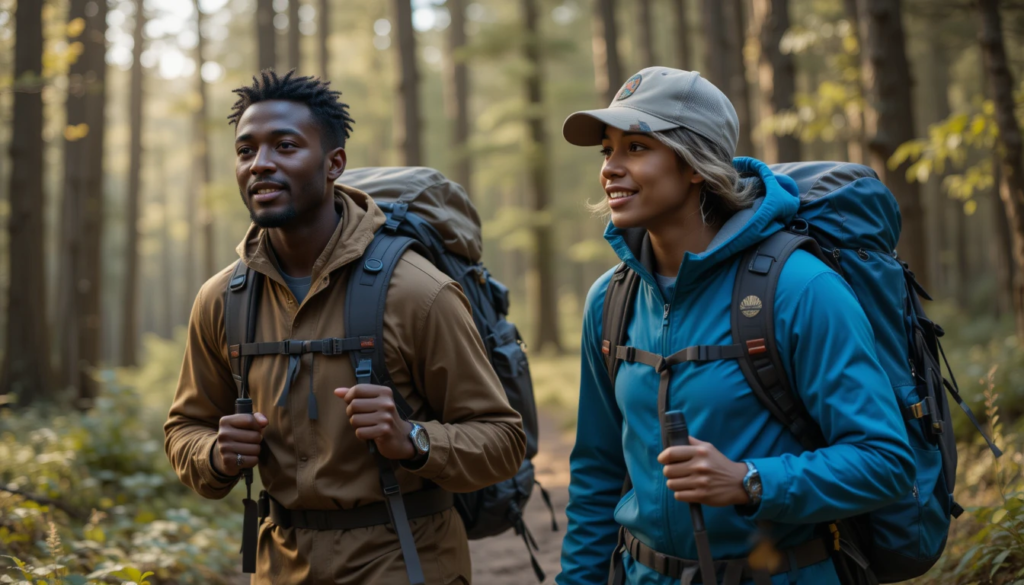
Home About Us Blog Mental Health Decoded Worse Case Scenario Technology Financial Freedom Self Defense featured Podcast Videos Shorts Self Defense Survival Motivation Herbal Remedies Videos Self Defense Survival Motivation Videos Conspiracy Videos Meditation & Relaxation Digital Dojo Digital Dojo Live Shop Self Defense Gear Prepper Gear Survival Garden Ebooks Mugs and Tunblers Stickers and Decals Apparel Supplements Contact Memberships Donations Privacy Policy X Popular 15 Essential Items Every New Hiker Should Pack Don’t hit the trail unprepared—gear up with the right essentials for a safer, more enjoyable hike. Whether you’re hiking a forest trail or exploring a mountain pass, preparation is key—especially for beginners. Here’s a breakdown of 15 essential items that every new hiker should bring along for safety, comfort, and peace of mind. 1. Proper Footwear Your feet are your foundation out on the trail. Investing in a solid pair of hiking boots or trail shoes can prevent injuries, blisters, and unnecessary fatigue. Look for shoes that offer good grip, ankle support, and are already broken in before your hike. Remember—comfortable feet equal a much better hiking experience. 2. Navigation Tools Getting lost on a trail is easier than you might think. Don’t rely solely on your phone’s GPS, especially in remote areas with poor signal. Always carry a physical trail map and a compass, and consider downloading offline maps on your smartphone or a GPS device. Knowing how to read them is just as important as bringing them. 3. Hydration Water is non-negotiable on any hike. Even a short trail can leave you feeling dehydrated, especially under the sun or at higher altitudes. Bring at least 2 liters of water, and if you’re going for a longer trek, consider adding a lightweight water filter or purification tablets in case you need to refill from natural sources. 4. Snacks & Lightweight Nutrition Hiking burns more calories than you may realize. Fuel your body with high-energy, non-perishable snacks like trail mix, energy bars, dried fruits, or jerky. These foods are lightweight, easy to pack, and give you the boost you need to keep moving, especially on long or strenuous hikes. 5. Layered Clothing Weather in nature can change fast—sunny mornings can turn into chilly afternoons or sudden rain. Dressing in layers gives you the flexibility to adapt. Start with a moisture-wicking base layer, add an insulating layer like fleece or a down jacket, and finish with a waterproof/windproof outer shell. 6. First Aid Kit Even on easy trails, accidents happen. A compact first aid kit should include adhesive bandages, antiseptic wipes, moleskin for blisters, tweezers, medical tape, and basic medications like painkillers or antihistamines. You don’t need to be a medic—but being able to treat a scrape or blister can make a huge difference. 7. Sun Protection UV rays can be intense at higher elevations or even on cloudy days. Always pack sunscreen (SPF 30 or higher), sunglasses with UV protection, and a hat to shield your face and neck. Protecting yourself from sunburn and heat exhaustion keeps your body strong and your hike enjoyable. 8. Emergency Shelter In the rare case you get stranded or delayed, having an emergency shelter can be life-saving. Lightweight options like a space blanket, bivvy sack, or emergency tarp don’t take up much space but can protect you from wind, rain, and cold if you’re stuck overnight. 9. Headlamp or Flashlight Darkness falls quickly in the woods, and you don’t want to be caught fumbling for your way out. A headlamp allows for hands-free lighting, making it easier to hike, cook, or set up camp after sundown. Always pack extra batteries, and don’t rely solely on your phone’s flashlight—it drains your battery fast. 10. Multi-tool or Knife A small multi-tool or hiking knife is incredibly useful for everything from cutting rope and opening snacks to gear repair or first aid. Choose one with a few basic functions like a blade, scissors, tweezers, and a screwdriver. You don’t need a bulky survival tool—just something reliable and compact. 11. Bug Protection Insects can turn a great hike into an itchy nightmare. Bug spray with DEET or natural alternatives like citronella can help repel mosquitoes, ticks, and flies. Wearing long sleeves and pants in buggy areas provides additional protection, especially during dusk or near water sources. 12. Backpack You’ll need something to carry all your gear, and a comfortable, well-fitted backpack makes all the difference. For day hikes, a pack with a 15–30 liter capacity is usually enough. Look for padded shoulder straps, a supportive hip belt, and compartments to keep things organized and accessible. 13. Trash Bag or Ziplock Part of responsible hiking is leaving the trail better than you found it. Bring a small trash bag or ziplock to pack out all your waste, including food wrappers, tissues, or biodegradable waste. “Leave no trace” isn’t just a motto—it’s how we preserve the wilderness for others. 14. Personal Identification & Emergency Info Always carry some form of ID and a card with emergency contact information, medical conditions, and any allergies. You can keep this in a waterproof sleeve or ziplock bag. It’s a small step that can make a huge difference if something goes wrong. 15. Optional but Useful: Trekking Poles While not necessary for everyone, trekking poles can help with balance, reduce strain on knees during descents, and make uphill climbs easier. They’re especially useful on rocky or uneven terrain. Look for collapsible poles if you want to pack light. Final Tips for First-Timers: Start with shorter trails: Choose beginner-friendly hikes until you get more comfortable with your gear and pace. Check the weather forecast: Always know what conditions to expect before you head out. Tell someone your plan: Let a friend or family member know your route and when you plan to return. Stay on marked trails: Don’t try to blaze your own trail—stick to official paths for safety. Conclusion: Hiking doesn’t require a ton of gear, but the right items can mean the difference between a fun day in