
FREEDOM BLUE PRINT

Home About Me Gallery Blog Mental Health Lessons From Nature Disaster Preparedness Be Your Own Boss Self Defense featured Podcast Mental Combat Tactical Fitness Training Wake Up Financial Survival Supernatural Survival Survival Psychology Videos Shorts Self Defense Survival Motivation Herbal Remedies Live Streams Digital Dojo Mental Health Hacks Meditation & Relaxation Sleep Sounds Self Defense Survival Lessons From Nature Primal Fitness Tech Review: Urban & Wilderness Tech for Survival Shop Recommendations Self Defense Gear Prepper Gear Survival Garden Natural Healing Fitness Equipment Supplements Apparel Mugs and Tunblers Phone Cases Digital Downloads Memberships Donations Booking Calendar Content Calendar Forum Chatroom X Popular FREEDOM BLUE PRINT FREEDOM BLUE PRINT 7 Steps to Reclaim Your Life From the System Your guide to escaping the 9–5, building mental toughness, and thriving outside the matrix.” “Start the journey today — read, act, and level up.” Introduction Most people live their lives on autopilot — working, scrolling, surviving. This guide is your first step off that path. It’s not about luck, it’s about strategy. Apply these 7 steps, and you start building a life designed by you, for you.” • Quick bullet points of what they’ll get:• Mindset hacks for independence• Tactical habits to survive and thrive• Daily routines that strengthen body and mind “Follow along in the micro-podcast for daily bite-sized lessons.” MENTAL LIBERATION Goal: Reprogram your mind to see beyond societal lies Problem: Most people accept what they’re told — jobs, debt, and rules — without question Actionable Steps:• Daily journaling prompts to identify limiting beliefs• Micro-affirmations (like your 60-sec podcast style)• Exercises: “List 3 things you’re doing because society says you should — then cross them off your mental checklist.” Listening to Mental Combat Mondays micro-podcast for daily mindset drills Financial Freedom Fundamentals Goal: Gain control over money and build independent income streams Problem: Most people trade time for money, get stuck in debt, and never build security Actionable Steps:• Track all expenses and income streams (template suggestion)• Start one side hustle — micro-actionable within 24 hours• Basic investing 101: focus on assets over liabilities Link to Financial Survival Friday episodes Tactical Fitness & Health Goal: Build a resilient body to match your independent mindset Problem: Society sells pills, gyms, and shortcuts that don’t teach self-reliance Actionable Steps:• Bodyweight workouts (push-ups, squats, plank circuits)• Nutrition hacks using whole, natural foods• Daily mobility / mental clarity exercises Society Myth-Busting Goal: Recognize and reject the programming that holds you back Problem: Hidden societal rules keep people compliant and fearful Actionable Steps:• Identify 3 “truths” you’ve accepted without question• Ask yourself: “Who benefits if I follow this rule?”• Start building your independent decision framework If you need more help listen to my Wake Up Wednesday micro-podcast episodes Tactical Tools & Tech Goal: Learn the tools and tech to stay ahead and independent Problem: Most people rely on unreliable systems and consumer tech without understanding it Actionable Steps:Review essential apps for organization, finances, and learningGet my basic urban survival gear checklist“Learn one new tech skill this week” challenge Energy & Negative Influence Goal: Remove toxic influences and reclaim your personal energy Problem People allow negativity — from people, media, or spiritual interference — to dictate their life Actionable Steps:Daily energy clearing rituals (breathing, meditation, or short affirmations)Audit your social circles and cut toxic relationshipsGive your self small challenges to overcome fear and self-doubt Goal: Surround yourself with like-minded, high-energy people Problem: Isolation leads to stagnation and vulnerability Actionable Steps:• Join communities (Discord, online forums, local groups)• Attend virtual / real-world workshops• Set up accountability partners or micro-coaching groups Joining my Discord + newsletter for exclusive information Build Your Tribe Goal: Surround yourself with like-minded, high-energy people Problem: Isolation leads to stagnation and vulnerability Actionable Steps:• Join communities (Discord, online forums, local groups)• Attend virtual / real-world workshops• Set up accountability partners or micro-coaching groups Joining my Discord + newsletter for exclusive information The Freedom Blueprint Action Checklist Alright, now it’s time to stop reading and start doing. This is your field guide — your mission brief. Check these boxes as you take action and reclaim your freedom, one move at a time. Don’t rush. Each step builds your independence. 1. Mental Liberation ☐ I’ve identified at least 3 limiting beliefs that were programmed into me.☐ I’ve replaced those beliefs with empowering truths that align with my goals.☐ I’ve created a daily mindset ritual (affirmations, journaling, or meditation). 2. Financial Freedom Fundamentals ☐ I’ve listed all my income sources and monthly expenses.☐ I’ve started saving or investing 10% of every dollar I make.☐ I’ve launched (or planned) one side hustle or income-generating project. 3. Tactical Fitness & Health ☐ I’ve committed to a bodyweight routine (at least 3x per week).☐ I’ve swapped processed foods for natural or whole alternatives.☐ I’ve created a sustainable daily energy habit (cold shower, walk, breathwork, etc.). 4. Society Myth-Busting ☐ I’ve identified 3 social rules or myths that no longer serve me.☐ I’ve written my own new “rules for living” that align with my freedom goals.☐ I’ve stopped comparing my path to anyone else’s. 5. Tactical Tools & Tech ☐ I’ve set up my digital tools for independence (secure email, VPN, backup drives).☐ I’ve learned one new skill or app that increases my earning or survival ability.☐ I’ve decluttered my digital space (deleted distractions, simplified systems). 6. Energy & Negative Influence Clearing ☐ I’ve identified energy drains (toxic people, media, habits).☐ I’ve set boundaries or cut ties with what weakens me.☐ I’ve added daily energy protection habits (music, sage, solitude, prayer, etc.). 7. Build Your Tribe ☐ I’ve joined (or created) at least one online or real-life community aligned with my vision.☐ I’ve shared one idea or piece of value with that tribe.☐ I’ve reached out to at least one mentor, coach, or ally. Final Step: Commit to the Path ☐ I’ve picked a Freedom Goal for the next 30 days.☐ I’ve marked a check-in date to track my progress.☐ I’ve promised myself: “No more waiting — I live on my terms
The 9–5 Illusion: Why Work Feels Like Prison

Home About Me Gallery Blog Mental Health Nature Decoded Disaster Preparedness Be Your Own Boss Self Defense featured Podcast Videos Shorts Self Defense Survival Motivation Herbal Remedies Live Streams Digital Dojo Mental Health Hacks Meditation & Relaxation Sleep Sounds Self Defense Survival Lessons From Nature Primal Fitness Tech Review: Urban & Wilderness Tech for Survival Shop Recommendations Self Defense Gear Prepper Gear Survival Garden Natural Healing Fitness Equipment Supplements Apparel Mugs and Tunblers Phone Cases Digital Downloads Memberships Donations Booking Calendar Content Calendar Forum Chatroom X Popular 8 TIPS TO ESCAPE THE 9-5 GRIND The 9–5 Illusion: How To Break Free From the 9-5 Grind Look, I’m gonna be real with you. Most people grind through life thinking a 9–5 is “normal” and “safe,” but what they don’t see is that it’s basically a slow-moving prison. You spend decades trading your time for money, but your freedom? That’s long gone. The daily grind, endless meetings, and meaningless deadlines create a cage you barely notice until you feel trapped. I’ve seen it, I’ve felt it, and I’m here to show you why this system isn’t what it seems—and how to start breaking out. 1. The Chains of Routine The problem isn’t that you have work—it’s the way your day is designed. You wake up, commute, sit at a desk, go home, and repeat, over and over. That constant cycle kills motivation, creativity, and the feeling of being alive. Your brain starts running on autopilot, and before you know it, life is just a sequence of repetitive motions. It’s subtle, but this is the real cage. Recognize the patterns in your day that drain you and schedule micro-breaks to regain control. Solution: Start designing your own daily routine in small chunks—wake up earlier, carve out an hour for side projects, or experiment with flexible work periods to reclaim your freedom. Don’t underestimate the power of shaking up your environment; even small changes can make the 9–5 feel less like a prison. 2. The Illusion of Security Most people cling to their paycheck like it’s a life raft, but here’s the truth: the illusion of job security is one of the biggest traps out there. Companies fold, bosses change, and your “safe” income can disappear overnight. That constant worry about losing your job keeps you obedient, stuck, and afraid to take real risks. But security isn’t found in a company—it’s built by owning your skills and creating multiple income streams. Identify your skills that can generate independent income. Solution: Build a side hustle or digital business that can replace or supplement your paycheck, so your life isn’t tied to someone else’s company. Remember, real security comes from freedom, not a title or a paycheck. 3. Endless Meetings, Zero Progress Have you ever left a meeting and realized nothing was accomplished? That’s because most office meetings are theater—they make people feel busy and important without actually doing anything meaningful. You spend more energy reporting work than actually creating value, and the cycle keeps you chained to your desk. It’s exhausting, demoralizing, and completely unnecessary. Recognizing this is the first step toward taking back control of your time. Track how much of your day is spent in meetings versus actual productive work. Solution: Learn to say no, consolidate updates into written reports, or create asynchronous workflows so your work isn’t hijacked by unnecessary meetings. Freeing up even an hour a day can shift the balance from survival to creation. 4. You’re Paid in Time, Not Freedom Time is literally your most valuable currency, but most 9–5 jobs pay you in dollars, not life. You trade hours for money, sacrificing sleep, hobbies, health, and relationships for someone else’s dream. The more time you sell, the less control you have over your own life. This trade-off is disguised as stability, but it’s really just a slow surrender of freedom. Recognizing that time is finite is the first step toward taking it back. Start tracking how many hours you spend doing work that benefits someone else. Solution: Allocate a portion of your hours to personal projects, skill-building, or side income, so you start reclaiming ownership of your time. Even small shifts in time allocation can dramatically increase your sense of freedom. 5. False Sense of Purpose Many people convince themselves that their work has meaning because it supports a lifestyle or family. But if your job drains you and leaves you unfulfilled, it’s not purpose—it’s a trap. Real purpose comes from creating value on your own terms, not clocking in for someone else. The 9–5 feeds the illusion that survival equals fulfillment, but the truth is you can’t find purpose in a cubicle. Understanding this is critical if you want to start living on your own terms. Reflect on what parts of your work actually excite you. Solution: Start integrating projects that align with your personal vision and values—whether it’s a creative endeavor, entrepreneurial project, or skill mastery. Purpose isn’t handed to you; it’s built by taking control of your life. 6. The Comparison Trap Coworkers, social media, and corporate culture constantly tell you that staying in line = success. You watch others “climb the ladder” while you grind, and you start measuring your life against theirs. Most of those people are just as trapped as you, but the illusion convinces you that leaving the 9–5 is dangerous or shameful. Comparison keeps you obedient, small, and trapped in a cycle of fear. Notice the moments when you feel pressure to conform or compete unnecessarily. Solution: Focus on building your own path, track your personal milestones, and celebrate growth that isn’t tied to the herd mentality. Escaping the comparison trap is key to breaking the invisible chains of the 9–5. 7. Corporate Politics Over Productivity Here’s the ugly truth: in most offices, your success is tied less to talent and more to manipulation. Promotions and recognition often reward conformity, politics, and pleasing the boss—not skill or innovation. You spend energy protecting yourself instead of creating value, and the
8 Reasons Why You Need a Website to Escape the Matrix

Home About Me Gallery Blog Mental Health Nature Decoded Disaster Preparedness Be Your Own Boss Self Defense featured Podcast Videos Shorts Self Defense Survival Motivation Herbal Remedies Live Streams Digital Dojo Mental Health Hacks Meditation & Relaxation Sleep Sounds Self Defense Survival Lessons From Nature Primal Fitness Tech Review: Urban & Wilderness Tech for Survival Shop Recommendations Self Defense Gear Prepper Gear Survival Garden Natural Healing Fitness Equipment Supplements Apparel Mugs and Tunblers Phone Cases Digital Downloads Studio CBP Courses Brand Building & Business Blueprinting Website Creation Creative Design Content Editing & Media Production Memberships Donations Calendar Chatroom Forum X Popular 8 Reasons Why You Need a Website to Escape the Matrix Important Facts You Need To Know That Will Ensure Your Independence Look, if you’re trying to escape the Matrix, you can’t just unplug — you’ve gotta build something real that works outside their system. In today’s world, digital control is just as strong as financial control, and most people don’t even see it happening. When you depend on social platforms, algorithms, and gatekeepers for your livelihood, you’re still a digital slave in a digital cage. Owning your own website isn’t a luxury anymore — it’s your base of operations for freedom, power, and survival in the modern world. 1. It’s the Only Digital Land You Truly Own If your social media gets banned or shadowbanned tomorrow, where would your audience find you? Your website is your digital land — the place no one can take from you. It’s your HQ, your stronghold, and your proof that you exist outside of borrowed systems. Supporting Situation: Platforms can shut down overnight, delete accounts, or silence content without warning. Bottom Line: A website gives you control, ownership, and independence from Big Tech’s leash. Check out some of my recommendation that will help you optimize your business for success. 2. It Builds Authority While Others Just Post Noise Everybody’s online talking — but only a few actually own their message. Having your own site instantly separates you from the crowd and puts you in a different category: builder, not follower. People respect what looks permanent, and websites look permanent. Supporting Situation: Scrolling through social feeds feels endless — voices blend together and get ignored. Bottom Line: Your website plants your flag in the ground and makes your name official. 3. It Turns Your Skills Into Systems Freedom isn’t about hustle — it’s about systems that work even when you sleep. A good website can automate leads, sales, and communication so you’re not trapped grinding every hour. It’s like cloning yourself to work 24/7 while you focus on bigger moves. Supporting Situation: Most people trade time for money forever because they never build passive systems. Bottom Line: A website lets your skills make money on autopilot, turning survival into strategy. Check out some of my recommendation that will help you optimize your business for success. 4. It Protects You from Censorship and Digital Collapse When the Matrix tightens control — when voices start disappearing online — where will yours live? A personal website is a digital bunker. You can host your ideas, sell your products, and spread truth without relying on someone else’s permission. Supporting Situation: Social media “policy changes” have erased millions of creators overnight. Bottom Line: Your website is your safe zone — a digital refuge for your message and your mission. 5. It’s the Foundation for Every Business Move You Make No serious business survives without a central hub. Whether you’re selling physical gear, offering coaching, or promoting survival skills, your website is the engine behind it all. Everything — email lists, payment systems, bookings, and brand identity — ties back to that site. Supporting Situation: Relying on just a single platform or app is like building a house on rented dirt. Bottom Line: Your website makes your brand real, functional, and future-proof. Check out some of my recommendation that will help you optimize your business for success. 6. It Lets You Create Multiple Streams of Income Once you have a site, you can turn it into whatever you need — a store, a course hub, a newsletter, an affiliate page, or a digital product center. That means freedom from depending on one job, one app, or one algorithm. It’s the modern equivalent of learning how to live off the grid — but online. Supporting Situation: When one income source collapses, most people panic because they never built backups. Bottom Line: Your site gives you the power to diversify and make money multiple ways without gatekeepers. 7. It Expands Your Tribe and Builds Real Community People follow faces on social media, but they join tribes through websites. Your site gives your audience a place to connect, learn, and grow outside of distractions and censorship. It’s how you build something real — not just followers, but a movement. Supporting Situation: Followers on social media are temporary; tribes on your site are permanent. Bottom Line: A website turns your followers into a loyal base that grows with you, not algorithms. Check out some of my recommendation that will help you optimize your business for success. 8. It’s the Digital Form of Self-Reliance In survival terms, a website is like your personal homestead — built, fortified, and stocked by you. It’s where you build your digital shelter, grow your online crops, and defend your territory. Nobody can pull the plug except you. Supporting Situation: The Matrix thrives on dependency — financial, digital, emotional. Bottom Line: Building your own website is modern self-reliance — digital sovereignty in action. Conclusion Escaping the Matrix isn’t about hiding — it’s about building. Every survivalist, creator, and independent thinker needs a space that’s fully theirs, free from systems that profit off your fear. A website isn’t just a business tool; it’s a declaration of freedom. The world’s changing fast, but digital warriors who own their ground will be the ones still standing when the system glitches. LISTEN NOW VISITMERCH SHOP TWITCH DISCORD VIEW THIS ARTICLE ON YOUTUBE
How to Raise Your Frequency in a Low-Vibe World

Home About Me Gallery Blog Mental Health Nature Decoded Disaster Preparedness Be Your Own Boss Self Defense featured Podcast Videos Shorts Self Defense Survival Motivation Herbal Remedies Live Streams Digital Dojo Mental Health Hacks Meditation & Relaxation Sleep Sounds Self Defense Survival Lessons From Nature Primal Fitness Tech Review: Urban & Wilderness Tech for Survival Shop Recommendations Self Defense Gear Prepper Gear Survival Garden Natural Healing Fitness Equipment Supplements Apparel Mugs and Tunblers Phone Cases Digital Downloads Studio CBP Courses Brand Building & Business Blueprinting Website Creation Creative Design Content Editing & Media Production Memberships Donations Calendar Chatroom Forum X Popular How to Raise Your Frequency in a Low-Vibe World This Is How You Rise Up While Everything is Trying to Bring You Down Look, I get it — the world out here is heavy. Everywhere you turn, there’s low-vibe energy: people stressing, drama exploding, systems designed to keep you small. If you don’t learn to raise your frequency, you’ll get dragged into the chaos with everyone else. But here’s the truth — you don’t have to play by their rules. You can tune your energy, sharpen your mind, and protect your spirit like a true Urban Warrior. 1. Recognize Energy Drainers Around You Some people are walking vampires — they don’t even know it, but they’ll suck the life out of you if you let them. Not all relationships are created equal, and your vibe will always mirror who and what you allow in. Being aware of energy drainers is step one to protecting yourself. Awareness doesn’t mean cutting people off instantly, but it does mean being intentional with your interactions. This skill separates warriors from the herd. Identify who’s bringing drama, gossip, or unnecessary stress into your life Set clear boundaries or limit time around low-vibe energy Explore my Amazon Spirituality Store for books and guides on energy awareness and protecting your vibe. 2. Clean Your Environment Your space is more than just a room — it’s a reflection of your energy. Chaos, clutter, and low-vibe items can weigh on your frequency without you even noticing. When your environment is organized, your mind naturally feels clearer and more focused. Adding elements that ground you helps you stay centered in the middle of chaos. Treat your surroundings like a battlefield you control. Declutter and organize your living space Add grounding elements: plants, crystals, or simple lighting that feels calm 3. Feed Your Body Right Your body is the vessel for your energy, and low-vibe fuel keeps your frequency down. Eating junk or skipping meals drains focus and resilience. High-quality, clean foods give your mind the clarity to process life strategically. Hydration, sunlight, and movement amplify this even further. If you neglect your body, you’re handicapping your energy before the fight even starts. Eat clean, high-energy foods that nourish your body Stay hydrated and get sunlight when you can Explore my Amazon Spirituality Store for books and guides on energy awareness and protecting your vibe. 4. Train Your Mind Daily Your mind is a weapon — if you leave it untrained, it’ll be hijacked by negativity. Thoughts are energy, and unchecked thoughts are low-vibe ammunition for chaos around you. Daily mental drills help you focus, recover, and dominate your inner battlefield. Meditation, journaling, or visualizations aren’t fluff — they’re armor. Discipline your thoughts like you would train for a fight. Meditate, journal, or do mental drills to focus your mind Replace self-doubt with empowering mantras 5. Move Your Body Like a Warrior Energy stagnates if you stay still. Physical motion moves stagnant energy and raises your vibration. Martial arts, functional training, or even walking can transform low energy into actionable power. Consistent movement keeps both body and mind sharp. Think of it as your frequency workout, not just fitness. Martial arts, boxing, or functional fitness is perfect for channeling energy Even daily walks or stretching can shift your vibe instantly Explore my Amazon Spirituality Store for books and guides on energy awareness and protecting your vibe. 6. Protect Your Energy With Boundaries Not everyone deserves access to your mind and soul. Setting boundaries isn’t rude — it’s essential for survival in a low-vibe world. Protecting your time and attention lets you focus on what truly matters. People often push limits unconsciously, and without boundaries, your frequency drops fast. Being intentional about who you allow around you is a non-negotiable warrior skill. Learn to say no without guilt Step away from toxic conversations, social media drama, or constant “emergency” calls 7. Surround Yourself With High-Vibe People Your frequency is contagious — who you spend time with directly affects your energy. Low-vibe individuals can pull you into chaos even if you’re disciplined. Conversely, high-vibe allies lift, challenge, and inspire you. Build a tribe that reinforces the strength you’re cultivating within yourself. This is one of the most overlooked survival tools for modern warriors. Build a small, loyal tribe of like-minded warriors Spend more time with people who inspire, uplift, and challenge you positively Explore my Amazon Spirituality Store for books and guides on energy awareness and protecting your vibe. 8. Engage in Spiritual or Creative Practices Your soul thrives on expression — if you ignore it, your frequency suffers. Creativity and spiritual routines anchor energy and give you a natural lift. Daily rituals, visualization, music, or art can amplify your vibe faster than caffeine or motivation. Protecting and nurturing your inner self is as crucial as defending your body. Energy mastery is a lifestyle, not a one-time fix. Music, painting, dancing, or writing can be surprisingly powerful Daily rituals, visualization, or gratitude exercises reinforce high-vibe energy Conclusion: Raising your frequency isn’t mystical — it’s tactical. You’re operating in a low-vibe world, but you can control how much of that energy you absorb. Protect your mind, body, and spirit with intention, discipline, and daily rituals. Build your tribe, set boundaries, and move like a warrior through life. Treat your energy like currency — spend it wisely, invest in yourself, and watch how
How to Move Unseen When Streets Turn to War Zones

When the city loses control, everything changes in seconds. It’s like one minute you’re just walking home, and the next, it’s sirens, shouting, and smoke filling the streets. That’s when people stop thinking and start reacting—and that’s dangerous. Most folks freeze or panic because they’ve never been in real chaos before. What you’re gonna wanna do is learn how to move calm, quiet, and invisible—like you’ve already been through it before.
DOES MUAY THAI SUCK FOR SELF DEFENSE?

Home About Me Gallery Blog Mental Health Nature Decoded Disaster Preparedness Be Your Own Boss Self Defense featured Podcast Videos Shorts Self Defense Survival Motivation Herbal Remedies Live Streams Digital Dojo Mental Health Hacks Meditation & Relaxation Sleep Sounds Self Defense Survival Lessons From Nature Primal Fitness Tech Review: Urban & Wilderness Tech for Survival Shop Recommendations Self Defense Gear Prepper Gear Survival Garden Natural Healing Fitness Equipment Supplements Apparel Mugs and Tunblers Phone Cases Digital Downloads Studio CBP Courses Brand Building & Business Blueprinting Website Creation Creative Design Content Editing & Media Production Memberships Donations Calendar Chatroom Forum X Popular DOES MUAY THAI SUCK FOR SELF DEFENSE? Will Muay Thai Help You In a Self Defense Situtation Look, Muay Thai looks flashy, but the streets don’t give a damn about style points. What you’re gonna wanna know is how it works when you don’t have a ring, rules, or a referee. It’s brutal, close, and it can absolutely save your ass — if you train the right way. I’m gonna break it down in 8 sections so you can see the truth of Muay Thai in real-world survival. 1. Clinch Control Muay Thai clinch isn’t just for fancy sparring — it’s about controlling someone trying to crush you. You can stop strikes and create openings to knee or elbow without letting them land their shots. It also buys you time to disengage if the fight isn’t worth it. In the streets, being able to dictate range is survival, plain and simple. EXAMPLE: A bigger attacker rushes you in a narrow alley — you grab the clinch, trap their head, and drive a knee into their midsection while backing toward an exit. Bottom line: Clinch control lets you fight smart and create your escape. Check out my martial art gear recommendations 2. Knees and Elbows Knees and elbows are short-range wrecking balls you always carry on your body. They’re devastating if you hit the right spots, and don’t require much space to be effective. Unlike high kicks, you can deploy them even on uneven ground or inside a car. Using them correctly can end a fight fast and save you from unnecessary damage. EXAMPLE: Someone grabs your shoulders trying to overpower you — you drive a sharp elbow to the jaw, immediately forcing them to release. Bottom line: Elbows and knees turn minimal space into maximum damage. 3. Low Kicks Muay Thai low kicks aren’t about looking pretty — they’re about stopping movement. Hit the legs, and you reduce the attacker’s mobility, giving you an advantage. In real fights, slowing them down is often better than landing flashy head kicks. Legs carry the body, and disabling them changes the fight instantly. EXAMPLE: An aggressive attacker steps in — you sweep a low kick to their thigh and slow their advance, giving yourself room to back off. Bottom line: Low kicks cripple movement and create breathing room. Check out my martial art gear recommendations 4. High Kicks Are Risky High kicks look cool, but they leave you off-balance and exposed. On the street, uneven surfaces or a grab can make a spinning head kick deadly for you, not them. Don’t rely on flash — stick to strikes that keep your base solid. You need balance more than style when survival is the goal. EXAMPLE: Attempting a head kick on uneven pavement — the attacker catches your leg and you almost go down. Bottom line: High kicks are flashy, not reliable for survival. 5. Ground Vulnerability Muay Thai focuses almost entirely on stand-up striking. If the fight goes to the ground, you’re not as prepared as someone trained in grappling. Streets aren’t padded mats — falling can end the fight against you. Knowing when to disengage or transition to a ground escape is critical. EXAMPLE: After trading punches, a grappler takes you down — you scramble and get mounted because you never trained ground escapes. Bottom line: Striking alone won’t save you on the ground. Check out my martial art gear recommendations 6. Multiple Attackers Muay Thai is primarily one-on-one combat. Against multiple opponents, the style’s power becomes limited. You need to move, create distance, and pick fights smartly. Street survival is about avoidance and positioning, not just hitting harder. EXAMPLE: Two attackers close in on you while you’re on a sidewalk — you use low kicks and lateral movement to slip past and avoid getting surrounded. Bottom line: Awareness and movement beat pure technique in chaos. 7. Realistic Sparring Matters Sport-style Muay Thai can give you form, but street fights don’t play by rules. Realistic sparring with pressure and unpredictability is what teaches survival instincts. If you train like it’s a ring-only competition, you’ll get caught off guard. Street fighting isn’t elegant — it’s survival, ugly and raw. EXAMPLE: You hesitate expecting a “fair play” strike from your opponent — they hit anyway, leaving you stunned. Bottom line: Train chaotic, messy, and under stress to survive. Check out my martial art gear recommendations 8. Mental Toughness Muay Thai conditions more than your body — it builds a mindset. Being calm under pressure, knowing how to strike, and respecting distance are huge advantages. Even simple strikes become lethal when paired with focus and nerves of steel. Survival is as much mental as it is physical. EXAMPLE: In a sudden mugging, you stay calm, throw a clean knee, and step back to exit without losing your footing. Bottom line: Mental toughness turns skill into survival. Outro Conclusion: So, does Muay Thai suck for self-defense? Hell no. It’s brutal, efficient, and the techniques transfer straight to survival scenarios. But it ain’t perfect — you need low kicks, clinch mastery, awareness, and mental toughness. Blend it with ground escapes, multi-attacker strategy, and realistic sparring, and suddenly you’ve got a tool that can literally save your life. LISTEN NOW GEAR SHOP TWITCH DISCORD VIEW THIS ARTICLE ON YOUTUBE FOLLOW ON SPOTIFY ADVERTISEMENT Learn More ADVERTISEMENT Learn More ADVERTISEMENT Learn More ADVERTISEMENT Learn More VISIT ME
When the Grid Goes Dark

Home About Me Gallery Blog Mental Health Nature Decoded Disaster Preparedness Be Your Own Boss Self Defense featured Podcast Videos Shorts Self Defense Survival Motivation Herbal Remedies Live Streams Digital Dojo Mental Health Hacks Meditation & Relaxation Sleep Sounds Self Defense Survival Lessons From Nature Primal Fitness Tech Review: Urban & Wilderness Tech for Survival Shop Recommendations Self Defense Gear Prepper Gear Survival Garden Natural Healing Fitness Equipment Supplements Apparel Mugs and Tunblers Phone Cases Digital Downloads Studio CBP Courses Brand Building & Business Blueprinting Website Creation Creative Design Content Editing & Media Production Memberships Donations Calendar Chatroom Forum X Popular HOW TO SURVIVE WHEN THE GRID GOES DARK Surviving when power vanishes overnight. People think “power outage” means a few hours of inconvenience — candles, flashlights, maybe a dead phone. But when the grid really goes down, it’s not just your lights — it’s your entire way of life that disappears. No ATMs, no gas pumps, no hospitals running full power, no communication. The silence hits first, then the panic, then the violence. The smart ones? They already moved like the grid might never come back. That’s what this is about — how to think and move when the power that runs the modern world shuts off. 1. Understanding What the Grid Really Is Most people underestimate how fragile it all is. The power grid isn’t one machine — it’s millions of interconnected systems relying on perfect coordination. Take out a few key transformers or overload a few substations, and it’s game over for entire regions. What’s worse, you can’t just “flip it back on.” Restarting the grid can take weeks or months, not hours. People assume backup generators will save them — but those depend on fuel, which depends on the same grid for distribution. Imagine being stuck in a 30-story apartment when the lights cut out, elevators dead, phones fading, and no one coming up the stairs with answers. 2. The First 24 Hours The first day decides whether you stay ahead or join the panic. When power goes out, your first priority isn’t to light candles — it’s to secure information, water, and safety. Treat it like a full-scale crisis from the first minute, because by the time officials admit it’s serious, it already is. Many people waste time waiting for updates instead of moving; information delay kills faster than hunger. A family in Texas once lost power for just three days during a cold snap — by night two, water pipes burst, stores emptied, and roads froze solid. 3. Communication Collapse When the grid fails, so do the cell towers and the internet that keep people “connected.” Your lifeline is gone. You can’t call for help, can’t check the news, can’t verify rumors. In that silence, panic spreads faster than truth. You need alternate channels — radios, local meet points, and a team who knows what to do without a text message telling them. Most people think “I’ll just use my phone battery carefully.” Problem is, towers die long before your phone does. Picture walking out of your building and seeing everyone staring at dead screens — no service, no info, just fear and confusion. 4. Water: The Real First Priority When electricity dies, water pumps stop too. The taps dry up, toilets back up, and panic sets in. Within 24 hours, most people realize they’ve got a lot less drinkable water than they thought. Store water now, before you ever need it. If you’re caught unprepared, start collecting and purifying immediately. Many underestimate how fast city water systems fail without pressure or power — it’s not days, it’s hours. A man in Detroit once filled his bathtub the second power went down during a storm — that one move kept his family alive for a week. 5. Food and Refrigeration Everything in your fridge has a timer on it now. The moment the power cuts, the clock starts ticking. Prioritize eating perishables first and ration dry or canned goods later. Don’t open the fridge unless you have to — it holds the cold for only a few hours. You can bury sealed items underground or use natural cooling spots to preserve them longer. People think they can just “cook it all and store it.” Without cooling, cooked food spoils faster than raw. A couple in New Orleans lost power after a hurricane — they cooked their meat, stored it outside, and got food poisoning two days later. 6. Security Becomes Survival When lights go out, crime spikes instantly. No alarms, no cameras, no cops responding fast — just opportunity. You need to control your light discipline, sound, and visibility. Blackout curtains, minimal noise, and a plan for defense. Even good neighborhoods change fast when night lasts too long. People assume “my neighbors are cool” until resources get scarce. Desperation changes people overnight. Picture a dark street where everyone’s windows glow but yours stays black — you just became invisible while they became targets. 7. Heat and Light the Smart Way Candles cause more fires in blackouts than anything else. Learn to light your space with minimal risk — LED lanterns, solar lamps, and chemical light sticks. For warmth, body heat and insulation matter more than flames. A cold night in the dark is bearable with planning — deadly without it. People light too many candles or use propane heaters indoors — and end up suffocating or burning down their house. A prepper in Maine survived a week-long outage using just a tent inside his living room, sleeping bags, and one small camp stove outside. 8. Long-Term Adaptation If power doesn’t come back, you’re not just surviving — you’re rebuilding. You’ll need to think beyond batteries and flashlights. Bartering, gardening, local defense, and manual tools become the new grid. The mindset shift is brutal: from consumer to creator, from dependent to dangerous. The ones who adapt fast lead; the rest fade. Most people think the grid will always come back — but history shows
How to Master the Survival Squat

Survival isn’t about what looks cool, it’s about what works. In this breakdown of machete vs hatchet, we cut through the hype and show which blade really gives you the edge when survival gets real.
Why Boxing Sucks for Self-Defense

Survival isn’t about what looks cool, it’s about what works. In this breakdown of machete vs hatchet, we cut through the hype and show which blade really gives you the edge when survival gets real.
Is MMA Good for Self-Defense and the Apocalypse?

MMA was built for controlled chaos. You’re learning how to stay calm while fists are flying, blood’s dripping, and adrenaline’s on max. That’s a rare skill, and in a street fight, it can make all the difference between panicking and acting with precision. MMA fighters are used to impact, close range, and violent contact — and that’s something most “self-defense” classes never teach.
8 Essential Items Every Prepper Needs in Their Bug Out Bag

Survival isn’t about what looks cool, it’s about what works. In this breakdown of machete vs hatchet, we cut through the hype and show which blade really gives you the edge when survival gets real.
How to Survive Project Blue Beam’s Fake Alien Invasion

Survival isn’t about what looks cool, it’s about what works. In this breakdown of machete vs hatchet, we cut through the hype and show which blade really gives you the edge when survival gets real.
How to Survive Being on Social Media
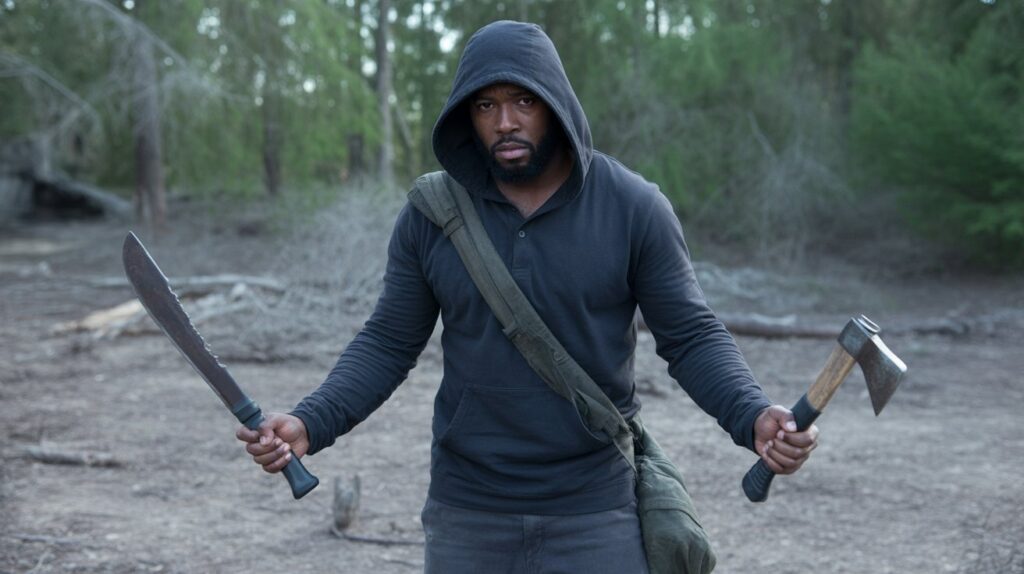
Survival isn’t about what looks cool, it’s about what works. In this breakdown of machete vs hatchet, we cut through the hype and show which blade really gives you the edge when survival gets real.
MACHETE VS HATCHET: WHICH IS BETTER FOR SURVIVAL?

Survival isn’t about what looks cool, it’s about what works. In this breakdown of machete vs hatchet, we cut through the hype and show which blade really gives you the edge when survival gets real.
Why Americans Hate Each Other

The system wins every time we fight each other instead of them. Survival starts with waking up, linking up, and refusing to be their pawns.
8 Steps to Survive a Zombie Apocalypse
Home About Me Blog Mental Health Nature Decoded Disaster Preparedness Be Your Own Boss Self Defense featured Podcast Videos Shorts Self Defense Survival Motivation Herbal Remedies Live Streams Digital Dojo Mental Health Hacks Meditation & Relaxation Sleep Sounds Self Defense Survival Lessons From Nature Primal Fitness Tech Review: Urban & Wilderness Tech for Survival Shop Recommendations Self Defense Gear Prepper Gear Survival Garden Natural Healing Fitness Equipment Supplements Apparel Mugs and Tunblers Phone Cases Digital Downloads Studio Memberships Donations Calendar Chatroom Forum X Popular 8 Steps to Survive a Zombie Apocalypse 8 Tips to Let You Be the Last Man Standing in a Zombie Apocalypse Everybody jokes about a zombie apocalypse—movies, memes, Halloween costumes. But let’s keep it real: zombies are just the stand-in for collapse. Could be a virus, could be mobs losing their minds, could be something supernatural coming out the dirt—you get the point. Survival is survival. If you’re ready for zombies, you’re ready for anything. So let me walk you through my 8-step plan. (Like I’m talking about if the world flipped upside down tonight, what I’d actually do.) Step One: Lock Down Shelter Before the Dead Lock Onto You First move? Shelter. Forget fancy condos or skyscrapers—they’re glass death traps. You want somewhere solid with limited ways in and at least one way out. Farmhouse, old warehouse, even an abandoned bunker if you’re lucky. (Like I’m talking about a place you can fortify without trapping yourself.) Step Two: Grab Weapons That Keep You Alive, Not Just Loud Movies got y’all twisted. Guns? They’re loud, ammo runs out, and the noise brings more trouble. Your real best friend is steel: machete, hatchet, survival knife. Quiet, doesn’t jam, never runs out of bullets. If you want range, grab a bow or crossbow—silent and deadly. (Like I’m talking about weapons that keep you alive, not weapons that make you look cool.) Step Three: Secure Water and Food Before Your Body Gives Out Here’s the truth—zombies won’t kill you faster than thirst will. Water is priority number one. Filters, purifiers, rain catchers, collapsible canteens—stack all of that. Food comes next: cans, jerky, grains, seeds. Stuff that lasts. Fire is your backup plan—it cooks, it sterilizes, it keeps your head straight when the night gets ugly. Step Four: Control Fire and Light or You’re a Walking Beacon Yeah, fire keeps you alive—but it can also get you spotted. Don’t turn yourself into a lighthouse. Keep fires small, hidden, and low. And don’t get caught standing in front of a window lit up like it’s story time. (Like I’m talking about surviving, not sending zombies and raiders an invitation to dinner.) Step Five: Move Like a Shadow or End Up as Dinner Don’t act like the world is safe—it’s not. You move quiet, you move light, you move smart. Stick to cover, avoid open streets, and keep it low. Travel at dawn or dusk. Why? Because you can see, but you’re harder to spot. (Like I’m talking about moving like you’re hunting ghosts while ghosts are hunting you.) Step Six: Talk Without Talking—Silence Is Survival Noise is your enemy. If you’ve got people with you, you better figure out how to talk without talking. Hand signals, flashes of light, tapping codes—keep it quiet. Radios with earpieces are gold, but don’t count on finding them. (Like I’m talking about making silence your language.) Step Seven: Fortify, Set Watches, and Never Get Caught Sleeping Your shelter doesn’t mean jack if you don’t lock it down. Barricade, reinforce, trap the outside if you can. And don’t slack on watch duty. Rotate shifts, keep eyes open. One slip, one nap, and it’s over. (Like I’m talking about discipline being the difference between breathing tomorrow or becoming part of the horde.) Step Eight: Choose Your Tribe Like Your Life Depends on It (Because It Does) Here’s the hard truth: you won’t last long by yourself. But that doesn’t mean you let just anybody in. Skills matter—fighters, medics, farmers, mechanics. But loyalty? That matters more. Betrayal gets you killed quicker than bites. (Like I’m talking about choosing the people you’d trust to guard your life while you sleep.) Conclusion There it is—8 steps to surviving zombies, or really any kind of collapse. This ain’t about swinging bats at movie monsters—it’s about being ready for chaos when it hits. Keep your shelter tight, your weapons practical, your movements quiet, and your tribe solid. Do that, and you won’t just survive—you’ll own the apocalypse. (Like I’m talking about walking through hell while everyone else is tripping over their own fear.) LISTEN NOW GEAR SHOP TWITCH DISCORD VIEW THIS ARTICLE ON YOUTUBE FOLLOW ON SPOTIFY ADVERTISEMENT Learn More ADVERTISEMENT Learn More ADVERTISEMENT Learn More ADVERTISEMENT Learn More VISIT ME ON TWITCH! Learn More RELATED POST urbanwarriorsurvival.com 13 September 2025 Be Your Own Boss Blog featured 8 Steps to Survive a Zombie Apocalypse urbanwarriorsurvival.com 10 September 2025 Be Your Own Boss Blog featured 8 Ways to Start Making Your Own Money urbanwarriorsurvival.com 8 September 2025 Blog featured Primal Fitness 7 WAYS TO GET YOUR BODY IN DOOMSDAY SURVIVAL SHAPE urbanwarriorsurvival.com 18 August 2025 Blog featured Weapons BOWS VS CROSSBOWS: WHICH IS BETTER FOR SURVIVAL? urbanwarriorsurvival.com 17 August 2025 Blog featured Primal Fitness Top 5 Reasons Relationships in the Western World Are Dead urbanwarriorsurvival.com 15 August 2025 Blog featured Primal Fitness The 15 Best No-Gym Exercises for Preppers & Homesteaders Social Networks Facebook Twitter Instagram B.Roc Survival Podcast Discord Patreon Pinterest Youtube Links List Help Center Community Forums Blog Meetups B.Roc Survival Inc. All rights reserved
8 Ways to Start Making Your Own Money

Home About Me Blog Mental Health Nature Decoded Disaster Preparedness Be Your Own Boss Self Defense featured Podcast Videos Shorts Self Defense Survival Motivation Herbal Remedies Live Streams Digital Dojo Mental Health Hacks Meditation & Relaxation Sleep Sounds Self Defense Survival Lessons From Nature Primal Fitness Tech Review: Urban & Wilderness Tech for Survival Shop Recommendations Self Defense Gear Prepper Gear Survival Garden Natural Healing Fitness Equipment Supplements Apparel Mugs and Tunblers Phone Cases Digital Downloads Studio Memberships Donations Calendar Chatroom Forum X Popular F-the-Matrix Friday: 8 Ways to Start Making Your Own Money Make your own money even if you don’t have much money to start. Hey, it’s Friday, so let’s talk about something practical—making your own money. Not some “get rich quick” scheme, but ways to start building income that isn’t tied to a boss or a 9-to-5. Stuff you can start today, even if you don’t have much to work with. Here are a few ways I’ve seen work and some ideas to get started. 1 Freelancing & Online Services Offering a skill online is one of the fastest ways to start making money. You don’t need a degree or years of experience to get started. Skills like writing, graphic design, coding, or social media management are in demand, and you can offer them immediately. The beauty is that you’re getting paid for your own abilities, not someone else’s business. Why it helps you break free: You’re not relying on someone else’s schedule or decisions. Your skills = your independence. How to start cheap: Fiverr, Upwork, or even social media. A laptop and an internet connection are enough. 2. Sell Digital Products or Prints Creating digital products is a way to make money without holding inventory. You make it once, and people can buy it over and over. It could be ebooks, templates, art, or printables. Once it’s out there, it can earn income passively while you focus on other things. Why it helps you break free: Passive income that keeps coming even when you’re not actively working. How to start cheap: Canva, free AI design tools, Etsy, or Gumroad. You can get started with almost nothing. 3. Flipping Items / Reselling Buying items for cheap and selling them for a profit is a skill that never gets old. It teaches you how to spot value where others don’t see it. You’re building entrepreneurial muscle while creating cash flow outside a corporate job. Even small profits add up quickly if you’re consistent. Why it helps you break free: Builds cash flow and entrepreneurial skills outside a corporate job. How to start cheap: Start with what you already own, garage sales, or thrift stores. You don’t need more than $20 to get rolling. 4. Affiliate Marketing Affiliate marketing is recommending products online and earning a commission when people buy. You don’t make the product; you just connect it to the right audience. With the right approach, it can turn into a steady income stream. It’s a way to get paid for helping people find solutions. Why it helps you break free: Multiple income streams, and once you set it up, it can keep running on its own. How to start cheap: Sign up for Amazon, ClickBank, or ShareASale. Use social media, blogs, or a simple YouTube channel. 5. Microbusiness / Side Hustle Small businesses don’t have to be complicated. Even a simple service can start generating cash and teach you independence. Dog walking, tutoring, lawn care, or cleaning are examples that need almost nothing to start. The key is consistency and building a reputation over time. Why it helps you break free: You’re in control. Skills you build today can turn into income tomorrow. How to start cheap: Service-based stuff like dog walking, tutoring, lawn care, or cleaning. Almost no money upfront. 6. Content Creation (YouTube, TikTok, Podcasting) Sharing your perspective or knowledge online can generate income if you build an audience. You can focus on anything you’re interested in, from tutorials to commentary. Over time, ads, sponsorships, or donations can turn attention into real money. Starting small is enough to see if it works for you. Why it helps you break free: You own your platform and the attention you generate. That’s power outside the system. How to start cheap: Your phone is enough to start. Free platforms are all around: YouTube, TikTok, or Anchor for podcasts. 7. Teaching or Tutoring Online If you know something, someone else probably wants to learn it. Teaching online is a straightforward way to monetize your knowledge. You can do it live, through pre-recorded lessons, or even just answering questions. It’s a skill that stays valuable no matter what else changes around you. Why it helps you break free: Knowledge is portable and earns you money wherever you are. How to start cheap: Platforms like Preply or Tutor.com, or even social media. You don’t need much more than your knowledge. 8. Handmade Crafts or Physical Products Making things with your hands and selling them is a classic way to earn. If you’re creative, this can turn into a solid side income. You learn skills and get independence at the same time. The best part is that you’re creating something tangible that people value. Why it helps you break free: Your skills and products = independent income, plus you’re building real-world value. How to start cheap: Use materials you already have or get low-cost supplies. Sell through Etsy, Instagram, or local markets. Outro:That’s it for this week. None of this is complicated. The goal is to start building income that isn’t tied to a boss or the system. Pick one thing, try it, and just start. You’ll learn more doing than thinking about it, and each step brings you closer to independence. LISTEN NOW GEAR SHOP TWITCH DISCORD VIEW THIS ARTICLE ON YOUTUBE FOLLOW ON SPOTIFY ADVERTISEMENT Learn More ADVERTISEMENT Learn More ADVERTISEMENT Learn More ADVERTISEMENT Learn More VISIT ME ON TWITCH! Learn More RELATED POST urbanwarriorsurvival.com 10 September 2025
7 WAYS TO GET YOUR BODY IN DOOMSDAY SURVIVAL SHAPE
Home About Me Blog Mental Health Nature Decoded Disaster Preparedness Be Your Own Boss Self Defense featured Podcast Videos Shorts Self Defense Survival Motivation Herbal Remedies Live Streams Digital Dojo Mental Health Hacks Meditation & Relaxation Sleep Sounds Self Defense Survival Lessons From Nature Primal Fitness Tech Review: Urban & Wilderness Tech for Survival Shop Recommendations Self Defense Gear Prepper Gear Survival Garden Natural Healing Fitness Equipment Supplements Apparel Mugs and Tunblers Phone Cases Digital Downloads Studio Memberships Donations Calendar Chatroom Forum X Popular 7 WAYS TO GET YOUR BODY IN DOOMSDAY SURVIVAL SHAPE Increase Your Chances To Survive With These 7 Tricks When doomsday hits, your body isn’t just a vessel—it’s your primary weapon, shield, and transport. Strength, endurance, and resilience aren’t optional, they’re survival. Let’s break down the 7 training strategies to get your body ready for the end of the world. 1. Build Functional Strength, Not Just Muscle Forget bodybuilding for looks—train for real-life tasks like carrying supplies, lifting rubble, and dragging someone to safety. Compound lifts and odd-object training prepare your body for chaos. Doomsday Supernatural Survival Scenario: You’re hauling water jugs and makeshift weapons while outrunning a group of mutated creatures through broken streets. Urban Survival Scenario: A collapsed building traps someone, and you have to move concrete slabs with your bare strength to pull them out. “Strength isn’t how much you can lift—it’s how much you can carry when no one else can.” 2. Train for Endurance, Not Just Speed Survival is a marathon, not a sprint. Ruck with weight, run in intervals, and keep your heart conditioned for long battles against exhaustion. Doomsday Supernatural Survival Scenario: You must trek miles across wastelands while avoiding patrols of otherworldly hunters. Urban Survival Scenario: The grid goes down, and you’re forced to walk 15 miles home from work through a city blackout. “The one who keeps moving, survives.” 3. Master Bodyweight Control When gyms don’t exist, your body is your best tool. Pull-ups, push-ups, planks, and burpees prepare you to lift yourself over walls or crawl through tight spaces. Doomsday Supernatural Survival Scenario: You’re hanging from the edge of a broken skyscraper, pulling yourself up before a flying predator spots you. Urban Survival Scenario: A riot blocks your path, and the only escape is climbing a fire escape ladder with just your bodyweight. “If you can’t control your own body, how will you control your survival?” 4. Train Grip Strength for Real Survival Tasks Your grip can save your life—whether holding onto a rope, carrying gear, or wielding a weapon. Dead hangs, rope climbs, and farmer carries build this overlooked skill. Doomsday Supernatural Survival Scenario: You’re dangling from a helicopter skid, gripping tight as it lifts you away from a horde. Urban Survival Scenario: You need to hold onto a rope to cross a flooded alleyway—losing your grip means being swept away. “The world slips away from the weak grip.” 5. Add Combat Fitness Drills You may have to fight for food, safety, or survival. Practice short bursts of explosive training, combat striking, and grappling drills. Doomsday Supernatural Survival Scenario: A demonic creature lunges at you, and you have seconds of explosive strength to strike, evade, and run. Urban Survival Scenario: You’re jumped in an alley and must defend yourself before sprinting to safety. “Train like every fight decides your tomorrow—because one day, it will.” 6. Build Survival Flexibility & Mobility Strong but stiff means broken under pressure. Daily stretching, yoga, and mobility work help you stay agile and injury-resistant. Doomsday Supernatural Survival Scenario: You squeeze through a cracked tunnel to escape collapsing underground chambers. Urban Survival Scenario: You crawl under wreckage to grab your supplies when trapped in a subway car. “The tree that bends in the storm survives the wind.” 7. Condition Your Mind Alongside Your Body Muscles fail when the mind quits. Train mental toughness with fasting, cold exposure, and hard workouts. Survival demands resilience as much as strength. Doomsday Supernatural Survival Scenario: Alone in the wasteland, hunger gnaws at you, but your mind pushes you forward when your body screams to stop. Urban Survival Scenario: Stuck in a week-long blackout, your neighbors panic while you stay focused, calm, and resourceful. “The strongest weapon in survival is an unbreakable mind.” Final Words Doomsday survival shape isn’t about fitness trends—it’s about creating a body and mind that won’t fail when the world does. Train now, so when the test comes, you don’t just survive… you thrive. LISTEN NOW GEAR SHOP TWITCH DISCORD VIEW THIS ARTICLE ON YOUTUBE FOLLOW ON SPOTIFY ADVERTISEMENT Learn More ADVERTISEMENT Learn More ADVERTISEMENT Learn More ADVERTISEMENT Learn More VISIT ME ON TWITCH! Learn More RELATED POST urbanwarriorsurvival.com 8 September 2025 Blog featured Primal Fitness 7 WAYS TO GET YOUR BODY IN DOOMSDAY SURVIVAL SHAPE urbanwarriorsurvival.com 18 August 2025 Blog featured Weapons BOWS VS CROSSBOWS: WHICH IS BETTER FOR SURVIVAL? urbanwarriorsurvival.com 17 August 2025 Blog featured Primal Fitness Top 5 Reasons Relationships in the Western World Are Dead urbanwarriorsurvival.com 15 August 2025 Blog featured Primal Fitness The 15 Best No-Gym Exercises for Preppers & Homesteaders urbanwarriorsurvival.com 14 August 2025 Blog featured Survival Tech 5 EDC Gadgets That Will Save You In A City Emergency urbanwarriorsurvival.com 13 August 2025 Blog Disaster Preparedness featured How to Survive a Flood in Your Area Social Networks Facebook Twitter Instagram B.Roc Survival Podcast Discord Patreon Pinterest Youtube Links List Help Center Community Forums Blog Meetups B.Roc Survival Inc. All rights reserved
BOWS VS CROSSBOWS: WHICH IS BETTER FOR SURVIVAL?
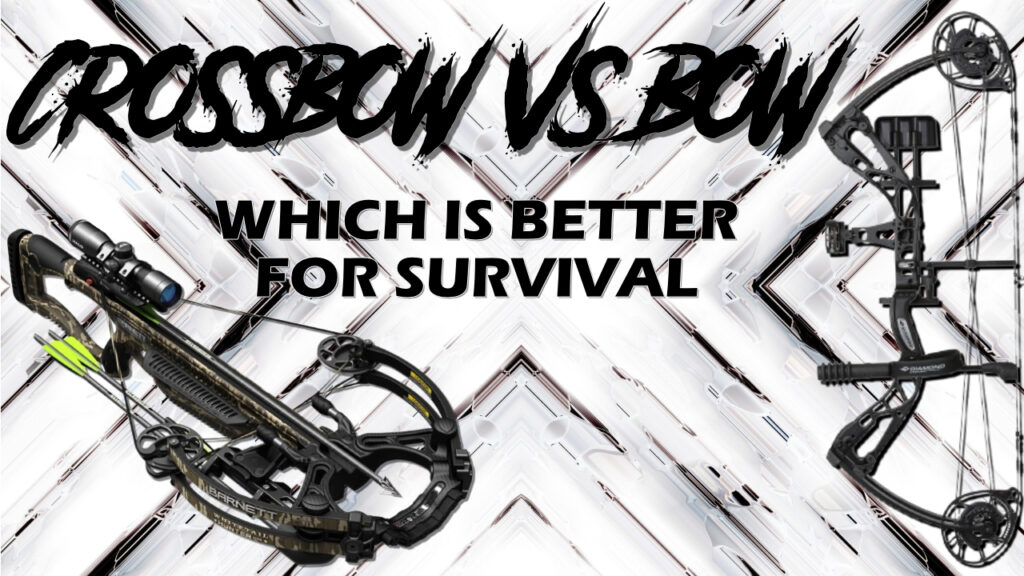
Home About Me Blog Mental Health Nature Decoded Disaster Preparedness Be Your Own Boss Self Defense featured Podcast Videos Shorts Self Defense Survival Motivation Herbal Remedies Live Streams Digital Dojo Mental Health Hacks Meditation & Relaxation Sleep Sounds Self Defense Survival Lessons From Nature Primal Fitness Tech Review: Urban & Wilderness Tech for Survival Shop Recommendations Self Defense Gear Prepper Gear Survival Garden Natural Healing Fitness Equipment Supplements Apparel Mugs and Tunblers Phone Cases Digital Downloads Studio Memberships Donations Calendar Chatroom Forum X Popular BOWS VS CROSSBOWS: WHICH IS BETTER FOR SURVIVAL? Does The Bow or Crossbow Give You A Better Chance For Survival! 1. Portability: Weight, Size, and Stealth in the Wild When you’re on the move—whether bugging out through the woods or navigating an urban collapse—the size and weight of your gear can decide how far you make it. Bow Advantage: Traditional recurve or takedown bows are lighter and easier to sling across your back. They don’t require complex parts, and some models break down into 3 pieces, fitting inside a small pack. That means less fatigue over long treks and more mobility when stealth is your only ally. Crossbow Advantage: Crossbows, especially modern compound models, are heavier and bulkier. You’ll feel it if you’re trekking for miles. However, they can be strapped like a rifle, keeping your hands free. For short-range scouting or defense of a fixed camp, the weight may not matter as much. Survival Bottom Line: If constant movement and stealth are your survival priorities, the bow wins. If you’re holding ground, the crossbow’s bulk becomes less of a problem. 2. Ease of Use: Skill vs. Simplicity When you’re fighting to survive, you may not have weeks to master a craft. Bow Advantage: Archery is an ancient art, but it takes consistent practice. Developing accuracy under stress requires training your muscles, breathing, and form. In return, you gain speed, versatility, and a weapon that feels like an extension of your body. Crossbow Advantage: With a crossbow, you point and shoot. It’s as close to a firearm as a primitive weapon gets. You don’t need years of practice to be effective. Once sighted in, even a beginner can hit targets with surprising accuracy. Survival Bottom Line: If you don’t have time to train and just need raw usability, the crossbow wins. If you’re willing to train long-term for mastery, the bow pays off with speed and adaptability. 3. Reload Speed: One Shot or Many? In a survival fight, getting a second shot off can mean life or death. Bow Advantage: An experienced archer can fire multiple arrows in under a minute. With practice, some can launch 2–3 arrows in 10 seconds, creating a near-constant stream of shots. This makes a bow superior when facing multiple threats. Crossbow Advantage: Even with a cocking device, reloading a crossbow is slow. You may get one accurate, high-powered shot—but after that, you’re vulnerable. Against multiple attackers, this delay can be fatal. Survival Bottom Line: The bow dominates in reload speed. Crossbows are ambush or “first strike” weapons, not sustained combat tools. 4. Power and Penetration: Dropping Game or Stopping Threats The raw stopping power of your weapon determines whether your shot puts down a deer—or just wounds it and forces you to chase. Bow Advantage: Traditional bows have enough power to take down medium game and even larger animals with the right draw weight. Penetration relies on skill and angle. Against human threats, a strong bow can be lethal—but placement matters. Crossbow Advantage: The crossbow is the powerhouse. With higher draw weights (often 150–200 pounds) and shorter, heavier bolts, they deliver devastating penetration. A well-placed shot can pierce modern hunting armor or thick clothing. Survival Bottom Line: For sheer power and “stopping” ability, the crossbow takes the win. It’s more reliable for one-shot kills on both animals and hostile humans. 5. Ammo: Arrows vs. Bolts in a Long-Term Crisis What good is your weapon if you run out of ammunition? Bow Advantage: Arrows are easier to craft with primitive materials. A straight shaft, feathers, and a sharpened tip can become serviceable ammo with enough skill. They’re longer, so easier to retrieve, and they flex instead of breaking as easily. Crossbow Advantage: Bolts are shorter and denser, making them harder to improvise. They break more often, and the shorter shaft means less penetration if made poorly. However, they’re easier to carry in bulk because of their compact size. Survival Bottom Line: In long-term survival where you may need to craft your own ammunition, the bow is the winner. The ability to reproduce arrows from nature gives you independence from factories. 6. Maintenance and Durability: Which Lasts Longer in Harsh Conditions? If your weapon fails in the field, your survival chances drop with it. Bow Advantage: Simple design, fewer moving parts, and no cranks or strings under extreme tension mean bows are easier to maintain. A broken string can be replaced with natural cordage in a pinch, and wood or fiberglass bows last for years. Crossbow Advantage: Crossbows are mechanically complex. They have triggers, rails, and cocking systems that require maintenance. Strings wear out faster due to higher tension, and if a part breaks in the wild, you might not be able to fix it. Survival Bottom Line: The bow is the rugged survivor here. Less complexity equals fewer failures. Crossbows are more like machines, and machines break. 7. Psychological Edge: Fear, Noise, and Intimidation Survival isn’t only about physical power—sometimes psychology wins battles. Bow Advantage: Silent, fast, and repeatable. The sound of arrows slicing through the air is barely detectable, giving you stealth. In combat, multiple arrows flying at an enemy can cause panic, forcing them to retreat rather than advance. Crossbow Advantage: The sheer sight of a crossbow, aimed and cocked like a rifle, carries intimidation. The sound of a bolt slamming into a target is brutal and fear-inducing. Against enemies, one well-placed shot can stop aggression immediately. Survival Bottom Line: For stealth and psychological pressure in group
Top 5 Reasons Relationships in the Western World Are Dead
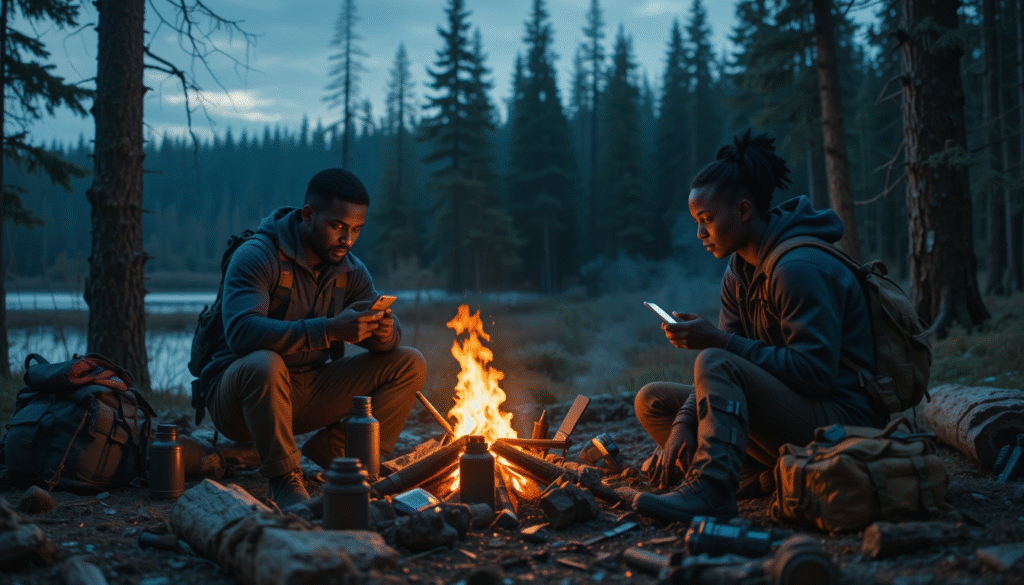
Home About Me Blog Mental Health Nature Decoded Disaster Preparedness Be Your Own Boss Self Defense featured Podcast Videos Shorts Self Defense Survival Motivation Herbal Remedies Live Streams Digital Dojo Digital Dojo Live Mental Health Hacks Meditation & Relaxation Sleep Sounds Self Defense Survival Lessons From Nature Primal Fitness Tech Review: Urban & Wilderness Tech for Survival Shop Get It On Amazon Self Defense Gear Prepper Gear Survival Garden Natural Healing Fitness Equipment Digital Downloads Stickers and Decals Mugs and Tunblers Apparel Supplements Studio Memberships Donations X Popular Top 5 Reasons Relationships in the Western World Are Dead Decoded: Why Modern Love No Longer Lasts “Love isn’t dead—but relationships in the Western world might be. Here’s why modern connection is collapsing, and what survival psychology can teach us about it.” 1. Hyper-Individualism Over Tribe One of the biggest survival traits that carried humans through history was the ability to form tribes. In a tribe, no one survived alone—you had hunters, gatherers, defenders, healers, and builders. Everyone had a role, and together they thrived. The Western world flipped that script. Now, the cultural message is “You don’t need anyone. Just do you.” On the surface, that sounds empowering. But survival psychology shows us something different: humans who isolate are more vulnerable. Western culture pushes independence over interdependence. People wear isolation as a badge of honor, even though biologically we’re wired for community. “Self over tribe” creates mistrust. Instead of building bonds, people expect betrayal and prepare for it. Relationships become transactional instead of survival bonds. Instead of “we need each other to endure,” the mindset becomes “what can I get from you?” When a culture celebrates selfishness, bonds weaken. When bonds weaken, relationships collapse. 2. The Illusion of Infinite Choice In survival terms, scarcity creates value. If there’s only one source of clean water, you guard it. If you only have one ally, you defend them with your life. But in the West, dating apps and social media create the illusion of endless choice. People now believe there’s always a “better option” one swipe away. This destroys commitment because the survival instinct of “hold onto what you have” gets replaced by “don’t settle, keep shopping.” Dating apps turn people into profiles instead of human beings. The belief in “infinite choice” makes people restless. Instead of watering their own garden, they’re always scanning for greener grass. Commitment feels like “settling” instead of building. Couples give up when challenges come, assuming someone “better” is out there waiting. In reality, this is a trap. Survival teaches us that loyalty and trust are worth more than novelty. But the West has replaced loyalty with an endless scroll of disposable options. 3. Consumer Mentality in Love In survival situations, bonds are about necessity and trust. You know who’s watching your back when you sleep. You know who will share their food when you’re starving. But Western relationships have adopted the consumer mentality. Love is marketed as a product. Jewelry ads, holiday sales, and lifestyle brands sell the feeling of love more than the practice of it. Relationships are treated like smartphones—upgrade when it gets old, replace when it glitches. Problems aren’t solved, they’re traded in. Instead of repairing a bond, people discard it. This mentality is poison to long-term connection. In survival, if your knife chips, you sharpen it. If your shelter leaks, you patch it. Western culture, however, conditions people to throw away the knife and order a new one—often leaving them unarmed when the real storm hits. Mid-Commercial Break “Halfway through, let me remind you—survival isn’t just about food and fire. It’s about building bonds that last when the world collapses. If you want to learn how to prepare mentally, physically, and socially, check out my Urban Warrior Survival coaching—link below.” 4. Breakdown of Gender Roles & Expectations For centuries, tribes and families functioned on clear roles. Men protected and provided. Women nurtured and organized. Whether you agree with traditional roles or not, they offered structure and clarity. In the modern West, those roles have dissolved. The problem isn’t that they disappeared—the problem is nothing solid replaced them. Now, people don’t know what to expect from each other, and that lack of clarity creates conflict. Old roles dissolved but no strong new ones have emerged. Instead, confusion reigns. This confusion creates power struggles. Instead of cooperation, couples compete against each other. Both men and women feel undervalued and unsupported. Nobody knows their true role in the survival unit, and resentment builds. Survival psychology is clear: when a tribe doesn’t know who guards the fire, who gathers the food, or who keeps watch, the tribe collapses. The West is living out that collapse in real time. 5. Technology Over Intimacy Humans need touch, eye contact, and shared hardship to bond deeply. That’s how tribes worked. That’s how soldiers form unbreakable brotherhoods in war. But today, technology has hijacked intimacy. Social media creates comparison instead of connection. People measure their relationships against highlight reels online. Digital dopamine—porn, fantasy, parasocial relationships—replaces real bonding. Many no longer seek intimacy because digital substitutes numb their need. Attention becomes currency, not love. People are chasing likes instead of loyalty. When technology replaces real intimacy, it weakens the survival instinct to bond deeply. If you can’t trust someone with your heart, how will you trust them with your life? Relationship Tip Instead of asking “What can I get?” in a relationship, reframe it as “What can we build together?” Survival psychology teaches that shared goals and cooperation make bonds unbreakable. “In survival, trust is everything. Without it, tribes collapse, and so do relationships. The Western world forgot this truth—and now love is dying because people no longer fight for the bond, only for themselves.” Conclusion Modern relationships in the West aren’t failing by accident—they’re being engineered into weakness. Hyper-individualism, consumerism, and digital distractions erode the survival instinct to form lasting tribes. But here’s the hope: survival psychology reminds us that humans are resilient. When times get hard, people rediscover
The 15 Best No-Gym Exercises for Preppers & Homesteaders
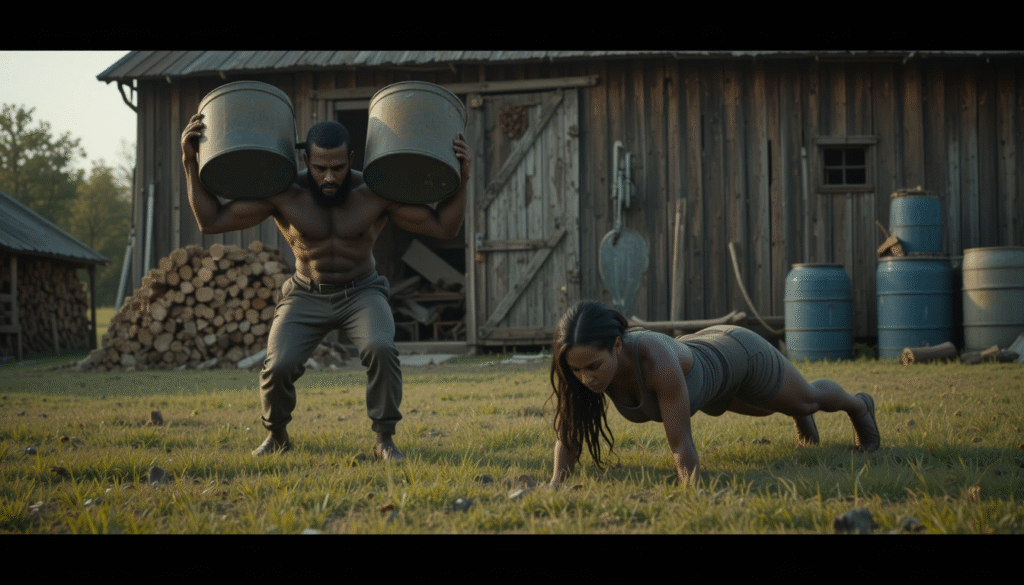
Home About Me Blog Mental Health Nature Decoded Disaster Preparedness Be Your Own Boss Self Defense featured Podcast Videos Shorts Self Defense Survival Motivation Herbal Remedies Live Streams Digital Dojo Digital Dojo Live Mental Health Hacks Meditation & Relaxation Sleep Sounds Self Defense Survival Lessons From Nature Primal Fitness Tech Review: Urban & Wilderness Tech for Survival Shop Get It On Amazon Self Defense Gear Prepper Gear Survival Garden Natural Healing Fitness Equipment Digital Downloads Stickers and Decals Mugs and Tunblers Apparel Supplements Studio Memberships Donations X Popular The 15 Best No-Gym Exercises for Preppers & Homesteaders Training Secrets for Survival (No Gym Necessary) Most people think “getting in shape” means joining a gym, buying overpriced leggings, and taking mirror selfies with a protein shake.Cool — until you’re 20 miles from the nearest Planet Fitness and the only thing chasing you is a pack of coyotes. If you’re a prepper or a homesteader, your body is your survival tool. Not the $300 tactical backpack. Not the shiny AR you saw in a YouTube video. YOU.And if your “fitness plan” is just carrying in the groceries in one trip, good luck when you actually have to run a mile with a water jug on your shoulder. Survival doesn’t care about your bench press PR. It cares if you can sprint to the treeline before anyone spots you, climb a fence without breaking your ankle, or haul 50 pounds of gear uphill without crying. That’s the kind of training we’re talking about today.And the best part? You can do it all without a gym membership, a barbell, or even shoes if you want to go full feral. 1. Farmer Carries (a.k.a. “Get Used to Carrying Heavy Stuff”) You’re going to be hauling water buckets, feed bags, firewood, or maybe your buddy who didn’t listen when you said don’t step there. How to do it: Grab literally anything heavy with a handle — buckets, jugs, bags, logs — and walk it from point A to point B. Why it matters: Builds grip strength, core stability, and stamina for moving real-world loads. In a survival setting, carrying is more useful than curling. Pro tip: Start with moderate weight and longer distances. Progress to heavier weight and rough terrain. Bonus points for doing it barefoot like a true savage. 2. Squats (a.k.a. “Stop Skipping Leg Day”) If your legs give out halfway up the hill, no one’s coming back down for you. Squats build the raw power you need for lifting, climbing, and sprinting. How to do it: Stand with feet shoulder-width apart, lower your hips like you’re sitting on an invisible toilet, and push back up. Keep your heels down and core tight. Why it matters: Strong legs are non-negotiable for hiking with gear, building shelters, or working long days in the field. Survival twist: Try “weighted” squats with a backpack full of canned goods or your least cooperative goat. 3. Push-Ups (a.k.a. “Upper Body for Real Life”) Push-ups train your chest, shoulders, triceps, and core — all crucial for climbing, pushing obstacles, or defending yourself. How to do it: Hands under shoulders, body straight, lower until your chest almost touches the ground, push back up. Why it matters: You can’t pull yourself over a wall if your arms have the tensile strength of spaghetti. Challenge: Try incline push-ups on a log or decline push-ups with your feet on a stump for extra resistance. 4. Pull-Ups (or Row Variations if You Can’t Yet) In a survival situation, you’re going to need to climb — trees, fences, ledges, whatever’s between you and safety. How to do it: Find a sturdy branch, bar, or beam. Grip it, hang, and pull until your chin clears the bar. Lower slowly. No bar? Use a table edge for bodyweight rows, or loop a rope over a tree limb for rope pulls. Why it matters: Pulling strength is pure utility — it’s what gets you out of a ditch or up into a deer stand. 5. Dead Hangs & Grip Work You can have all the muscle in the world, but if you can’t hang onto your gear, tool, or ledge, it’s game over. How to do it: Hang from a branch or bar as long as possible. Try farmer carries with heavier objects for extra grip training. Why it matters: Strong hands keep you alive — from climbing to swinging tools to restraining a door during a storm. 6. Sprints (a.k.a. “Outrun the Problem”) Sometimes survival means moving fast — from incoming storms to incoming trouble. How to do it: Pick a distance (30–100 meters) and go full speed. Rest and repeat. Why it matters: Builds explosive power, lung capacity, and the ability to cover ground in a hurry. Reality check: Jogging 3 miles won’t prepare you for a short, all-out sprint with your life on the line. Do both. 7. Crawls (Bear, Army, Crab — Pick Your Flavor) You might need to move low under smoke, brush, or gunfire. Crawling builds mobility, coordination, and functional strength. How to do it: Bear crawl on all fours with your knees off the ground. Army crawl flat with elbows and forearms. Why it matters: It’s not glamorous, but neither is being visible to a threat. Fun addition: Add weight on your back to simulate carrying gear. 8. Step-Ups & Lunges Hiking hills, climbing into trucks, and stepping over logs all require unilateral leg strength and balance. How to do it: Find a stump, rock, or step. Step up, drive through the heel, step down. Lunges work similarly in place or walking. Why it matters: Prevents knee injuries and improves stability — crucial when terrain gets nasty. 9. Planks & Core Work If your core is weak, your back will pay the price. Planks, side planks, and rotational core work keep you stable under load. How to do it: Forearms down, body straight like a board, hold as long as possible. Why

5 EDC Gadgets That Will Save You In A City Emergency

Home About Me Blog Mental Health Nature Decoded Disaster Preparedness Be Your Own Boss Self Defense featured Podcast Videos Shorts Self Defense Survival Motivation Herbal Remedies Live Streams Digital Dojo Digital Dojo Live Mental Health Hacks Meditation & Relaxation Sleep Sounds Self Defense Survival Lessons From Nature Primal Fitness Tech Review: Urban & Wilderness Tech for Survival Shop Get It On Amazon Self Defense Gear Prepper Gear Survival Garden Natural Healing Fitness Equipment Digital Downloads Stickers and Decals Mugs and Tunblers Apparel Supplements Studio Memberships Donations X Popular 5 EDC Gadgets That Will Save You In A City Emergency You’ll Find These 5 Gadgets Valueable Sooner Rather Than Later You ever think about what would happen if the city went dark? No power, no water, no help coming anytime soon? Most people don’t. But that’s the kind of thing I prepare for. Urban survival isn’t about living in fear — it’s about living ready. Today, I’m breaking down five urban survival gadgets that every single person should own. Trust me, when things get real, these tools could mean the difference between being stuck… and getting out alive. 1. Multi-Tool with Locking Blades When you’re walking around day to day, you can’t carry a whole toolbox with you — but a quality multi-tool is basically one in your pocket. I’m talking pliers, screwdrivers, scissors, wire cutters, and a blade you can trust. The locking blades keep you from cutting yourself when you’re applying force, and the more solid the build, the more abuse it can take in an emergency.In an urban setting, this could be the tool that gets you into a locked utility box, cuts through a seatbelt, or fixes a busted strap on your gear. 2. Compact Water Filtration System Clean water is survival 101 — but in a city emergency, the tap might be dry or contaminated. A pocket-sized water filter lets you safely drink from sources you’d never trust otherwise — public fountains, rainwater barrels, even questionable sinks in abandoned buildings.Get one that removes bacteria, parasites, and chemicals, because city water isn’t just about germs — it’s about the stuff leaking from pipes and old infrastructure. 3. Solar Power Bank When the grid is down, your phone isn’t just for TikTok — it’s your map, flashlight, emergency contact device, and survival library. A solar power bank keeps it alive without an outlet.Urban rooftops, balconies, or even sidewalks on a sunny day become your charging station. Get one with multiple USB ports and enough capacity to charge your phone several times over. 4. Tactical Flashlight A cheap flashlight will fail you when you need it most. You want one that’s waterproof, impact-resistant, and blindingly bright. Bonus points if it has a strobe mode for disorienting threats.In urban survival, light is both vision and security. It helps you navigate dark stairwells, basements, or streets, and 5. Portable Emergency Radio When the cell towers go silent, an emergency radio keeps you plugged into reality. Get one that works off multiple power sources — hand crank, solar, and batteries.You’ll get weather alerts, evacuation info, and updates that could save your life. It’s not just about hearing the news — it’s about knowing where the danger is and where the safe zones are. Final Thoughts Survival in the city isn’t about being paranoid — it’s about being prepared. Every one of these gadgets is small enough to carry or stash, but powerful enough to save your life when the streets get unpredictable. The truth is, emergencies don’t wait for you to “get ready.” They hit fast, and the people who make it through are the ones who already have the tools they need.So start building your kit now. Even if you can only add one gadget at a time, each one is another layer of protection between you and disaster. When the lights go out, the water runs dry, or the streets get dangerous… you’ll be glad you took this seriously. LISTEN NOW GEAR SHOP TWITCH DISCORD Follow on Spotify ADVERTISEMENT Learn More ADVERTISEMENT Learn More VISIT ME ON YOUTUBE! ADVERTISEMENT Learn More ADVERTISEMENT Learn More RELATED POST urbanwarriorsurvival.com 14 August 2025 Blog Disaster Preparedness featured 5 EDC Gadgets That Will Save You In A City Emergency urbanwarriorsurvival.com 13 August 2025 Blog Disaster Preparedness featured How to Survive a Flood in Your Area urbanwarriorsurvival.com 12 August 2025 Blog featured Mental Health 6 Reasons People Are Suffering From Mental Health Issues urbanwarriorsurvival.com 11 August 2025 Blog featured Self Defense These 8 reasons will make you consider learning knife combat for self defense. urbanwarriorsurvival.com 8 August 2025 featured Mental Health 7 Ways to Keep Calm in a Crisis urbanwarriorsurvival.com 30 July 2025 Disaster Preparedness featured When the Ground Shakes and the Ocean Roars: How to Survive an Earthquake Tsunami Social Networks Facebook Twitter Instagram B.Roc Survival Podcast Discord Patreon Pinterest Youtube Links List Help Center Community Forums Blog Meetups B.Roc Survival Inc. All rights reserved
How to Survive a Flood in Your Area

Home About Me Blog Mental Health Nature Decoded Disaster Preparedness Be Your Own Boss Self Defense featured Podcast Videos Shorts Self Defense Survival Motivation Herbal Remedies Live Streams Digital Dojo Digital Dojo Live Mental Health Hacks Meditation & Relaxation Sleep Sounds Self Defense Survival Lessons From Nature Primal Fitness Tech Review: Urban & Wilderness Tech for Survival Shop Get It On Amazon Self Defense Gear Prepper Gear Survival Garden Natural Healing Fitness Equipment Digital Downloads Stickers and Decals Mugs and Tunblers Apparel Supplements Studio Memberships Donations X Popular How to Survive a Flood in Your Area: What to Do When a Flood Warning Is Issued If you’re reading this, you either live somewhere that floods could happen… or they already have. I’m going to be real with you—floods are one of the most underestimated disasters out there. They don’t always come with a lot of warning, and they can turn deadly fast. So, let’s talk about how they work, what you need to watch for, and exactly how you can make it through. How Floods Work (and Why They Can Be So Deadly) Floods aren’t just “a lot of water.” They’re nature’s way of saying, “I’m in charge now.” They happen when more water comes in than the ground, rivers, or drainage systems can handle. That could be from: Heavy rain that doesn’t stop. Hurricanes or tropical storms pushing water inland. Snow melting faster than the rivers can handle. Dams or levees breaking. Here’s the part people forget: floodwater is not clean. It’s full of debris, chemicals, and sometimes sewage. It’s also heavy and powerful—just six inches of moving water can knock you off your feet, and two feet can sweep a car away like it’s a toy. What You Need Before the Flood Comes If you wait until the water’s at your doorstep, you’re already behind. You need your gear ready now. Emergency Go-Bag – Think waterproof backpack with the basics: food, water, flashlight, first aid kit, extra clothes, important documents in waterproof bags, and any meds you need. Portable Water Filter – If tap water gets contaminated, you’ll need a way to make it safe. Battery or Hand-Crank Radio – Floods can knock out cell service, so you’ll need updates the old-fashioned way. Cash – ATMs and card readers might not work. Sturdy Boots & Gloves – Floodwater hides sharp objects and debris. If a Flood Warning Hits – Here’s What to Do This is where a lot of people panic. You’re not going to be one of them. Get to Higher Ground Immediately – Don’t wait. Water rises faster than you think. Never Walk or Drive Through Moving Water – I don’t care if it “doesn’t look deep.” It only takes one wrong step to disappear. Turn Off Utilities – If you have time, shut off gas, electricity, and water to avoid fires and electrocution. Listen to Authorities – Evacuation orders aren’t suggestions. If they say go, you go. Watch for Secondary Hazards – Landslides, sinkholes, or even more flooding can follow. If You’re Caught in It Worst-case scenario—you’re surrounded by water. Here’s how you keep yourself alive. Find Something That Floats – Doors, barrels, even large plastic bins can save you. Avoid Flood Currents – If you’re in moving water, try to angle toward stable ground, not fight the current head-on. Don’t Drink the Water – It’s contaminated. Stay away from it as much as possible. Signal for Help – Bright colors, waving fabric, or a flashlight at night can make the difference. After the Flood – Stay Smart Surviving the flood is only half the battle. Once the water’s gone: Don’t go back inside until it’s declared safe. Avoid downed power lines. Wear gloves and boots for cleanup—floodwater residue is nasty. Throw out any food or drink that touched floodwater. Floods don’t care how tough you are or how long you’ve lived in your area—they can take out entire neighborhoods in hours. But if you understand how they work, prepare now, and stay calm when they hit, you’ll not only survive… you’ll be the one helping others get through it too. LISTEN NOW GEAR SHOP TWITCH DISCORD Follow on Spotify ADVERTISEMENT Learn More ADVERTISEMENT Learn More VISIT ME ON YOUTUBE! ADVERTISEMENT Learn More ADVERTISEMENT Learn More RELATED POST urbanwarriorsurvival.com 13 August 2025 Blog Disaster Preparedness featured How to Survive a Flood in Your Area urbanwarriorsurvival.com 12 August 2025 Blog featured Mental Health 6 Reasons People Are Suffering From Mental Health Issues urbanwarriorsurvival.com 11 August 2025 Blog featured Self Defense These 8 reasons will make you consider learning knife combat for self defense. urbanwarriorsurvival.com 8 August 2025 featured Mental Health 7 Ways to Keep Calm in a Crisis urbanwarriorsurvival.com 30 July 2025 Disaster Preparedness featured When the Ground Shakes and the Ocean Roars: How to Survive an Earthquake Tsunami urbanwarriorsurvival.com 28 July 2025 featured Self Defense 10 Ways Martial Arts Can Transform The Mind, Body, and Spirit For Survival Social Networks Facebook Twitter Instagram B.Roc Survival Podcast Discord Patreon Pinterest Youtube Links List Help Center Community Forums Blog Meetups B.Roc Survival Inc. All rights reserved
6 Reasons People Are Suffering From Mental Health Issues

Home About Me Blog Mental Health Nature Decoded Disaster Preparedness Be Your Own Boss Self Defense featured Podcast Videos Shorts Self Defense Survival Motivation Herbal Remedies Live Streams Digital Dojo Digital Dojo Live Mental Health Hacks Meditation & Relaxation Sleep Sounds Self Defense Survival Lessons From Nature Primal Fitness Tech Review: Urban & Wilderness Tech for Survival Shop Get It On Amazon Self Defense Gear Prepper Gear Survival Garden Natural Healing Fitness Equipment Digital Downloads Stickers and Decals Mugs and Tunblers Apparel Supplements Studio Memberships Donations X Popular 6 Reasons People Are Suffering From Mental Health Issues Here’s Several People Are Having Mental Issues, and How you Can Do Ssmething About It. In today’s fast-paced, hyper-connected world, mental health problems have become more prevalent than ever. Issues like anxiety, depression, and stress seem to be nearly universal, leaving many to wonder why so many are struggling. The truth is that society, as we know it, is not built for our human well-being. Society, expectations and standards lead us far from the natural ways we are meant to thrive. Here’s why most people suffer from mental health issues: 1. Disconnection from Nature In ancient time our ancestors lived in close harmony with nature. They spent their days outdoors, were physically active, and experienced the natural flow of life. In contrast, modern society has pushed us into urban environments, where concrete and artificial lighting dominate, disconnecting us from the natural world. What are the result? A rise in mental health issues like anxiety and depression, which are exacerbated by a lack of exposure to greenery, fresh air, and the grounding presence of nature. 2. Overstimulation and Information Overload Technology, while convenient, is a double-edged sword. We are constantly bombarded with information, social media updates, and a never-ending stream of notifications. This level of overstimulation puts our minds on high alert, contributing to feelings of stress and anxiety. Our brains are not designed to process the constant influx of information, which leads people to mental burnout and emotional exhaustion. People are not meant to be plugged in 24/7. 3. The Pursuit of Perfection In a society that celebrates unattainable standards of beauty, success, and productivity (Instagram cough cough), it’s no wonder so many people struggle with their mental health. Social media amplifies this pressure by showcasing false versions of peoples life that often don’t reflect reality. The constant comparison leaves people feeling inadequate, creating feelings of low self-worth, depression, and anxiety. The pursuit of perfection becomes a toxic cycle, leading people further from their true selves. 4. Lack of Purpose and Connection Humans are social creatures by nature, but modern society often isolates us. The fast-paced nature of work lives, the rise of digital communication over face-to-face interaction, and the breakdown of community have left many feeling disconnected. People no longer have the deep, supportive relationships and community bonds that promote mental well-being. The lack of genuine connection and purpose often leads to feelings of loneliness, which can spiral into severe mental health issues. 5. Chronic Stress from Work and Financial Struggles The modern work culture places high demands on productivity and performance. Most people are expected to work long hours, with little time for rest and relaxation. This chronic stress affects mental health, making individuals more susceptible to burnout, depression, and anxiety. Additionally, the constant pressure to keep up financially, while also meeting societal expectations, creates a state of perpetual worry and insecurity. 6. Lack of Mental Health Education Despite the growing awareness of mental health issues, society has done little to normalize mental health care. People often lack the knowledge or tools to manage their mental well-being effectively. In many cultures, there’s still stigma surrounding seeking help, and self-care practices are often seen as indulgent rather than necessary. Without proper education and resources, people suffer in silence, unable to break free from the destructive cycles that plague their mental health. Conclusion: We’re Not Meant to Live Like This The root cause of mental health issues for many lies in how society has shaped our lives. We have been pushed into an unnatural way of existing—overworked, overstimulated, disconnected, and always striving for an impossible ideal. To heal, we need to reconnect with ourselves, our communities, and the natural world. We need to challenge the systems that creates stress and disconnection, and instead, prioritize mental well-being and a balanced life. It’s time to stop living in a way that is not meant for us and start living authentically, with purpose and peace. LISTEN NOW GEAR SHOP TWITCH DISCORD Follow on Spotify ADVERTISEMENT Learn More ADVERTISEMENT Learn More VISIT ME ON YOUTUBE! ADVERTISEMENT Learn More ADVERTISEMENT Learn More RELATED POST urbanwarriorsurvival.com 12 August 2025 Blog featured Self Defense 6 Reasons People Are Suffering From Mental Health Issues urbanwarriorsurvival.com 11 August 2025 Blog featured Self Defense These 8 reasons will make you consider learning knife combat for self defense. urbanwarriorsurvival.com 8 August 2025 featured Mental Health 7 Ways to Keep Calm in a Crisis urbanwarriorsurvival.com 30 July 2025 Disaster Preparedness featured When the Ground Shakes and the Ocean Roars: How to Survive an Earthquake Tsunami urbanwarriorsurvival.com 28 July 2025 featured Self Defense 10 Ways Martial Arts Can Transform The Mind, Body, and Spirit For Survival urbanwarriorsurvival.com 15 July 2025 featured Mental Health 6 Simple Breathing Practices That Can Helped You Fight Depression Social Networks Facebook Twitter Instagram B.Roc Survival Podcast Discord Patreon Pinterest Youtube Links List Help Center Community Forums Blog Meetups B.Roc Survival Inc. All rights reserved
These 8 reasons will make you consider learning knife combat for self defense.

Home About Me Blog Mental Health Nature Decoded Disaster Preparedness Be Your Own Boss Self Defense featured Podcast Videos Shorts Self Defense Survival Motivation Herbal Remedies Live Streams Digital Dojo Digital Dojo Live Mental Health Hacks Meditation & Relaxation Sleep Sounds Self Defense Survival Lessons From Nature Primal Fitness Tech Review: Urban & Wilderness Tech for Survival Shop Get It On Amazon Self Defense Gear Prepper Gear Survival Garden Natural Healing Fitness Equipment Digital Downloads Stickers and Decals Mugs and Tunblers Apparel Supplements Studio Memberships Donations X Popular Knife vs. Gun: 8 Reasons Knives are a Better Option in Close Quarters These 8 reasons will make you consider learning knife combat for self defense. The classic adage, famously uttered by Sean Connery in the film “The Untouchables,” pits guns against knives with the timeless wisdom: “Don’t bring a knife to a gun fight.” Knife vs. Gun While this maxim holds its ground in many situations, it fails to address the nuances of close-quarters combat, where knives often emerge as the more favorable choice. In such confined scenarios, possessing an edged weapon can make all the difference between self-preservation and vulnerability. Let’s delve into eight compelling reasons why knives outshine guns when the battlefield narrows, potentially settling the age-old debate of knives versus guns once and for all. The 21-Foot Rule Law enforcement has long relied on the 21-foot rule, which posits that an assailant wielding a knife can cover 21 feet in the time it takes to draw and fire a gun. This rule underscores the immense pressure on someone trying to draw a firearm in such situations. Recent research from Minnesota State University-Mankato suggests that the actual distance covered can exceed 21 feet, making it essential to equip officers with edge tools as viable alternatives. No Line of Fire Firearms require a clear line of fire to be effective, a luxury seldom found in close quarters. In contrast, knives can be tactically deployed with precision in various ways, minimizing the risk of missing the target. If You Miss…: In cinematic depictions, individuals miraculously manage to draw and fire a gun in the nick of time to thwart an attack. Real-life encounters, however, often feature fast-moving adversaries who close in too rapidly for a drawn gun to be effective. Even if you do manage to fire, there’s no guarantee of hitting your assailant, rendering you defenseless as they encroach. Ammunition Not Needed Unlike firearms, knives are always “loaded,” ready for action no matter how many times they’re used. Fast Learner Almost anyone can wield a knife effectively with minimal training, as slashing and cutting with a blade are instinctive actions. In contrast, mastering the use of a firearm demands a steeper learning curve. No Warning, Just Action A knife’s deployment is swift and silent, lacking the need to load, manipulate safeties, or squeeze a trigger. This immediacy proves invaluable in high-stress crises, where time is limited, and maneuvering space is constrained. Knife vs. Gun: The Lethal Force Question Responding to an attacker with a firearm often leaves you with one stark option: employing maximum, sometimes lethal, force. A knife, while also lethal, offers a more versatile weapon capable of diverse defensive strategies. Better Defense: Effective self-defense starts with situational awareness. If confronted by a knife-wielding assailant, prioritizing your safety over drawing a weapon is paramount. Assess the distance between you and your attacker and focus on creating space while avoiding the initial assault. Attempting to draw a weapon without these precautions can lead to injury. As you evade the initial attack, prepare to draw your knife or defensive tool for tactical defense. These reasons collectively emphasize the effectiveness of knives in close quarters. While no one disputes the value of guns for security, the possession and mastery of a knife provide a broader range of options when your primary goal is self-preservation. Achieving the best chance of survival involves diligent practice until knife usage becomes second nature and muscle memory. Seek a proficient instructor, obtain practice knives, and commit to rigorous training. Versatile Utility: Knives in Close Quarters In close-quarters confrontations, knives offer a distinctive advantage beyond their immediate lethality. They can double as versatile tools for non-lethal purposes, such as cutting restraints or crafting improvised barriers. This adaptability, combined with their swift deployment and minimal reliance on ammunition, underscores the value of knives as not just weapons but multi-functional instruments in situations where quick decision-making can spell the difference between life and death. LISTEN NOW GEAR SHOP TWITCH DISCORD Follow on Spotify ADVERTISEMENT Learn More ADVERTISEMENT Learn More VISIT ME ON YOUTUBE! ADVERTISEMENT Learn More ADVERTISEMENT Learn More RELATED POST urbanwarriorsurvival.com 11 August 2025 featured Mental Health These 8 reasons will make you consider learning knife combat for self defense. urbanwarriorsurvival.com 8 August 2025 featured Mental Health 7 Ways to Keep Calm in a Crisis urbanwarriorsurvival.com 30 July 2025 Disaster Preparedness featured When the Ground Shakes and the Ocean Roars: How to Survive an Earthquake Tsunami urbanwarriorsurvival.com 28 July 2025 featured Self Defense 10 Ways Martial Arts Can Transform The Mind, Body, and Spirit For Survival urbanwarriorsurvival.com 15 July 2025 featured Mental Health 6 Simple Breathing Practices That Can Helped You Fight Depression urbanwarriorsurvival.com 13 July 2025 featured Nature Decoded The World Is Fair. Society Isn’t. And It’s Killing Civilization. Social Networks Facebook Twitter Instagram B.Roc Survival Podcast Discord Patreon Pinterest Youtube Links List Help Center Community Forums Blog Meetups B.Roc Survival Inc. All rights reserved
7 Ways to Keep Calm in a Crisis

Home About Me Blog Mental Health Decoded Disaster Preparedness Be Your Own Boss Self Defense featured Podcast Videos Shorts Self Defense Survival Motivation Herbal Remedies Live Streams Digital Dojo Digital Dojo Live Mental Health Hacks Meditation & Relaxation Sleep Sounds Self Defense Survival Lessons From Nature Primal Fitness Tech Review: Urban & Wilderness Tech for Survival Shop Get It On Amazon Self Defense Gear Prepper Gear Survival Garden Natural Healing Fitness Equipment Digital Downloads Stickers and Decals Mugs and Tunblers Apparel Supplements Studio Memberships Donations X Popular 7 Ways to Keep Calm in a Crisis Survival Psychology Sunday – Urban Warrior Survival Let’s be real — when disaster hits, most people’s first reaction isn’t bravery. It’s panic. The heart starts pounding, the brain scrambles, and logical thinking goes out the window. That’s when people make mistakes. Bad ones. Here’s the truth: your mindset is your most important piece of survival gear. If you can control your emotions in those first critical moments, you buy yourself time, and in survival, time is life. So let’s talk about 7 ways you can keep your cool when the world around you is losing it. 1. Control Your Breathing The very first thing panic steals from you is your breath. You start breathing fast and shallow, and that signals your brain to freak out even more — like pouring gasoline on a fire. Here’s what I do: combat breathing. Four seconds in, four seconds hold, four seconds out, four seconds hold. It sounds simple, but try it right now. You’ll feel your shoulders drop, your pulse slow, and your head clear. You can’t think your way out of panic until your body believes you’re safe enough to think. Your breath is the quickest way to trick your body into calming down. It’s not just breathing — it’s flipping the switch from chaos mode to survival mode. 2. Focus on One Small Task When everything’s going wrong, your brain wants to fix it all at once. That’s a trap. You’ll overload, freeze up, and lose valuable seconds. Instead, lock onto one small, concrete task. It could be as simple as “find the exit,” “check my gear,” or “get this person to safety.” You don’t have to solve the whole situation in one move — you just need to take the next step. Each little win you stack builds momentum, and momentum is the enemy of panic. You keep moving forward, you keep thinking clearly, and before you know it, you’re in a much better position than when you started. 3. Avoid Panic Talk Words are contagious. The wrong ones can spread fear faster than fire in a dry forest. If you start saying, “We’re screwed,” or “This is bad,” you’re not just convincing yourself — you’re convincing everyone else too. Flip the script. Use short, confident commands: “We’re moving now.” “Follow me.” “Here’s the plan.” Your tone matters just as much as your words. If you sound steady, people will match your energy. I’ve seen situations where one person’s calm voice held a whole group together until help came. Be that person. You don’t have to have all the answers — you just have to keep the room from falling apart. 4. Use Grounding Techniques When fear takes over, you can start to feel disconnected — like you’re watching things happen instead of being in control. That’s dangerous. You need to snap yourself back into the moment fast. Here’s a trick: the 5-4-3-2-1 method. Look for 5 things you can see. Touch 4 things you can feel. Listen for 3 things you can hear. Smell 2 things. Taste 1 thing. Why does this work? Because your brain can’t spiral into panic while it’s focusing on real, physical details around you. It pulls you out of the storm in your head and plants you firmly in reality, where you can make smart choices. 5. Keep Moving When panic hits, your fight-or-flight instinct sometimes malfunctions — and you freeze. You stand there, mind blank, as precious seconds tick away. That’s how people get hurt. Movement is your way out of that mental freeze. Even if you don’t know exactly what to do yet, take action. Scan your surroundings. Adjust your stance. Start heading toward a safer position. Your body in motion sends a signal to your brain: “We’re doing something about this.” And once your brain gets that message, your problem-solving skills kick back in. 6. Remind Yourself of Your Goal When chaos is everywhere, it’s easy to forget why you’re even fighting to stay calm. That’s when fear sneaks in and takes over. I always remind myself of my mission: “I’m getting out alive.” “I’m protecting my family.” “I’m reaching that safe zone.” Whatever your reason is, speak it to yourself, out loud if you have to. Your goal acts like a compass. No matter how wild the situation gets, you keep moving in the right direction. Fear might slow you down, but it won’t knock you completely off course. 7. Stay Hydrated It sounds basic, but in survival, the basics save lives. Even mild dehydration can mess with your thinking, make your heart race, and increase feelings of anxiety. And in a crisis, you can’t afford a foggy brain. If you can, drink water before you get thirsty. In high-stress situations, people often forget to do the simplest things, like take a sip. But staying hydrated is fuel for your body and clarity for your mind. Bottom line: Staying calm isn’t about pretending you’re not scared — it’s about controlling your fear so it works for you, not against you. If you can slow your breathing, focus on the next step, speak confidence, ground yourself, keep moving, hold onto your “why,” and stay hydrated, you’ll be the one in control when everyone else is losing it. And in survival? Control is everything. LISTEN NOW GEAR SHOP TWITCH DISCORD Follow on Spotify ADVERTISEMENT Learn More ADVERTISEMENT Learn More VISIT ME ON
When the Ground Shakes and the Ocean Roars: How to Survive an Earthquake Tsunami

Home About Me Blog Mental Health Decoded Disaster Preparedness Be Your Own Boss Self Defense featured Podcast Videos Shorts Self Defense Survival Motivation Herbal Remedies Live Streams Digital Dojo Digital Dojo Live Mental Health Hacks Meditation & Relaxation Sleep Sounds Self Defense Survival Lessons From Nature Primal Fitness Tech Review: Urban & Wilderness Tech for Survival Shop Get It On Amazon Self Defense Gear Prepper Gear Survival Garden Natural Healing Fitness Equipment Ebooks Stickers and Decals Mugs and Tunblers Apparel Supplements Studio Memberships Donations X Popular When the Ground Shakes and the Ocean Roars: How to Survive an Earthquake Tsunami Your Survival Starts the Second the Shaking Stops—Don’t Wait for the Wave 1. Understand What You’re Dealing With: The Earthquake-Tsunami Combo is No Joke When the earth moves and the ocean responds, you’re in a double-disaster. Earthquakes destabilize the land, and if they occur offshore, they displace a massive amount of water—triggering a tsunami. These tsunamis travel fast—up to 500 mph in the open ocean—and when they reach the shore, they slow down and rise, turning into towering walls of destruction. Understanding this chain reaction is key to reacting quickly. 2. The First 5 Minutes Are Everything: React Fast, Don’t Freeze Right after the quake, you have a very small window—sometimes just minutes—before a tsunami hits. Your instincts will scream at you to look around, help others, check your stuff. Ignore them. If you’re anywhere near a coastline and feel a strong quake or a long-lasting one (more than 20 seconds), assume a tsunami is coming and move. Your move: Don’t wait for sirens or alerts. Don’t check your phone first—grab your go-bag and go. Head to high ground—at least 100 feet above sea level or 2 miles inland. 3. Get Off the Beach—Fast This might sound obvious, but you’d be shocked how many people wander toward the water out of curiosity. If the sea suddenly recedes, exposing more beach than normal, that’s not a good thing—that’s the ocean pulling back before striking. It’s the tsunami’s version of pulling back a slingshot. Your move: Never walk toward the water. Never stop to take pictures. Don’t try to drive if you’re too close—foot travel may be faster through debris. 4. Your Go-Bag is Your Lifeline If you’re in a tsunami-prone area, your survival kit should be near the door or under your bed. Don’t waste time packing when the shaking stops. Your go-bag should already have: Sturdy shoes Water and a purifier Snacks/protein bars Flashlight & batteries First aid kit Emergency radio Copies of ID Cash Small towel or blanket Dust mask or bandana Bonus Tip: Keep a smaller “mini go-bag” in your car and workplace too. 5. Know the Terrain: Map Your Escape Routes Ahead of Time Before disaster hits, take a mental inventory of your surroundings. Find out: Where is the nearest hill or elevated land? How long does it take to reach it on foot? Are there designated tsunami evacuation zones or buildings? Your move: Print or screenshot evacuation maps. Walk your escape route at least once. Share the plan with your household. 6. Get the Alerts, But Don’t Rely on Them Tsunami warning systems exist, but they aren’t perfect. Cell towers can go down. Apps might lag. Sirens might not work. Recommended tools: NOAA Weather Radio Tsunami Alert apps (e.g., MyShake, QuakeAlertUSA) Text alert services for your area But again—if you feel a long quake and you’re near the ocean, don’t wait. Move. 7. Should You Drive or Run? Depends on Your Location If you’re already near your vehicle, and the roads are clear, you might be able to drive to higher ground. But remember: traffic jams are death traps during tsunamis. Most experts recommend running on foot unless: You’re already in the car with the engine running. You’re several miles from the shore and can drive away before roads jam. 8. Make Sure Everyone Has a Role: Family and Team Preparedness If you’ve got kids, roommates, or older family members, everyone should know the plan. Drill this: Where to meet after a quake Who grabs the go-bags Who checks on the neighbors What to do if you’re separated My tip: Have a rally point at a specific high-ground landmark. Don’t rely on phone calls—they might not go through. 9. If You’re Inside a Building, Follow the Drop-Cover-Hold Rule—Then MOVE During the quake: Drop down low Cover your head and neck Hold onto something sturdy After the quake: Evacuate immediately if you’re in a tsunami zone. Use stairs, not elevators. Watch for falling debris, glass, and power lines. Pro tip: Some tall buildings are tsunami evacuation points—know which ones in your area are built to withstand waves. 10. After the First Wave, It’s Not Over Tsunamis often come in multiple waves, and the second or third can be even bigger. Just because the water recedes doesn’t mean it’s safe to return. Your move: Stay on high ground for at least 12 hours unless local authorities say otherwise. Don’t walk through flood water—it can hide sharp objects, sewage, or live wires. Expect aftershocks—stay alert. 11. Stay Alive the Next 72 Hours: Post-Disaster Survival Mode The tsunami may be over, but now the real survival begins: Shelter may be limited or unsafe. Clean water could be scarce. Power will likely be out. Looting or chaos is possible. Your priorities: Find safe shelter Boil/purify water Avoid injuries Stay informed (radio, word of mouth) 12. Expect the Grid to Collapse Temporarily—Be Mentally Ready We often underestimate how fragile our systems are. When a tsunami wipes out coastal infrastructure: No ATMs No hospitals nearby No grocery deliveries No internet What I learned: Mental toughness is everything. Know that it’s gonna be rough—but survivable. Keep a cool head, help others, and stick to your plan. 13. Learn from Survivors: Real People, Real Lessons People who survived the 2004 Indian Ocean tsunami and Japan’s 2011 disaster all say the same thing: “The ones who lived… moved fast.” They didn’t hesitate. They didn’t
10 Ways Martial Arts Can Transform The Mind, Body, and Spirit For Survival

Home About Me Blog Mental Health Decoded Disaster Preparedness Be Your Own Boss Self Defense featured Podcast Videos Shorts Self Defense Survival Motivation Herbal Remedies Live Streams Digital Dojo Digital Dojo Live Mental Health Hacks Meditation & Relaxation Sleep Sounds Self Defense Survival Lessons From Nature Primal Fitness Tech Review: Urban & Wilderness Tech for Survival Shop Get It On Amazon Self Defense Gear Prepper Gear Survival Garden Natural Healing Fitness Equipment Ebooks Stickers and Decals Mugs and Tunblers Apparel Supplements Studio Memberships Donations X Popular 10 Ways Martial Arts Can Transform The Mind, Body, and Spirit For Survival 10 Martial Arts Habits That Will Keep You Alive When the World Falls Apart I didn’t step onto the mat looking for a philosophy—I was looking for an edge. I wanted to survive in a world that doesn’t care if you’re ready or not. I didn’t want to be a victim. I wanted to be prepared. But martial arts didn’t just teach me how to throw a punch or block an attack. It taught me how to think like a survivor. In training, I found confidence under pressure. In discipline, I found freedom. And in ancient techniques, I found tools that could save my life—and yours—if the world ever goes sideways. Here are 10 ways martial arts turned me into a warrior ready for the unknown—and how it can do the same for you. 1. Meditation Before Movement: Mental Prep Before the Storm Every class began with breath and stillness. At first, I didn’t get it—why sit still when we could be training to fight? But survival isn’t just physical—it’s mental. The ability to quiet your mind, assess danger, and act without panic is what separates survivors from statistics. Practicing mindfulness daily helps you stay calm when everything around you is chaos. If the grid went down tomorrow, you’d want your head clear, not cluttered. 2. Breathwork for High-Stress Survival Scenarios In a real fight—or disaster—panic can kill you. Martial arts taught me how to breathe through adrenaline. Sparring forces you to control your breath while being hit, pushed, or overwhelmed. That same breath control kicks in when you’re stuck in a tight space, injured, or running for your life. Panic shortens breath. Practice makes it automatic. Master your breath, master the moment. 3. Energy Awareness Through Kata: Reading Movement to Read Threats Kata isn’t just choreography—it’s pattern recognition. When you practice deliberate movement, you develop the ability to read energy, balance, and body cues in others. That translates to threat detection in real life: reading someone’s posture, tension, or intent before they act. In a crowd, during a standoff, or walking past a stranger—this awareness keeps you one step ahead. 4. Facing Fear Through Controlled Combat Most people freeze during confrontation. Martial arts forced me to feel fear on purpose—and move anyway. Sparring puts you in close-quarters chaos, but teaches you to keep thinking, breathing, adapting. That training shows up when you’re cornered, confronted, or facing injury in the wild. You don’t shut down—you scan, shift, survive. 5. Channeling Aggression Into Tactical Precision Survival isn’t about rage. It’s about control. Martial arts took my natural aggression and turned it into focused execution. You learn when to act—and when to wait. Whether you’re defending your home or escaping a trap, the ability to act with precision under pressure can save lives. Wild energy wastes time. Trained energy hits the target. 6. The Humility of Defeat Builds Resilience Getting slammed to the mat over and over teaches you one thing fast: adapt or perish. Survival is about resilience. You won’t always win the first round. Martial arts gave me a relationship with failure—and the strength to get up smarter. Out in the real world, setbacks happen. Food shortages, injuries, hostile people—what matters is your response. 7. Body Awareness = Injury Prevention & Efficient Movement Before training, I didn’t know how inefficient my movement was. Martial arts made me hyper-aware of posture, balance, and stress signals from my body. That awareness keeps you from blowing out a knee while running or pulling a muscle while lifting gear. In a survival scenario, the body is your most vital tool—if it breaks down, everything else does too. 8. Discipline Becomes Your Greatest Survival Tool Training when you’re sore, tired, or discouraged builds mental armor. That same discipline helps you wake up early to check your perimeter, ration food correctly, or keep walking when others quit. Martial arts made me do it anyway—and in survival, that mindset keeps you alive. Consistency outlasts chaos. 9. Learning to Respect Life Sharpens Your Judgment Knowing how to injure—or kill—makes you think twice before reacting. Martial arts taught me that survival isn’t about looking for violence, but about avoiding it unless there’s no other way. You develop judgment. In the wild or on the street, knowing when to fight and when to flee isn’t weakness—it’s wisdom. 10. Inner Peace Through Repetition Builds a Calm Under Fire Repeating moves thousands of times taught me something I never expected: peace. The same repetition that sharpens skill also calms the nervous system. When you’ve drilled a movement into muscle memory, you act without hesitation. That calm is golden during emergencies. Repetition isn’t just training—it’s programming for survival. Conclusion: Martial Arts is Survival Training in Disguise I didn’t learn martial arts to feel enlightened—I learned it to stay alive. But the byproduct was a sharp mind, calm breath, tactical awareness, and physical skill that I carry into every part of life now. In a real crisis, people panic. But if you’ve trained, your body remembers. You react with clarity, not chaos. Whether you’re prepping for societal collapse, wilderness emergencies, or just want to defend your family when things go bad—martial arts gives you the edge. It’s not about belts. It’s about being the weapon when tools fail and plans fall apart. So train. Move. Breathe. Repeat. The world might not give you a warning—but you can still be ready. LISTEN NOW GEAR
6 Simple Breathing Practices That Can Helped You Fight Depression

Home About Me Blog Mental Health Decoded Disaster Preparedness Be Your Own Boss Self Defense featured Podcast Videos Shorts Self Defense Survival Motivation Herbal Remedies Live Streams Digital Dojo Digital Dojo Live Mental Health Hacks Meditation & Relaxation Sleep Sounds Self Defense Survival Lessons From Nature Primal Fitness Tech Review: Urban & Wilderness Tech for Survival Shop Get It On Amazon Self Defense Gear Prepper Gear Survival Garden Natural Healing Fitness Equipment Ebooks Stickers and Decals Mugs and Tunblers Apparel Supplements Studio Memberships Donations X Popular 6 Simple Breathing Practices That Can Helped You Fight Depression Breathing Practices That Can Help You Climb Out of the Dark I’ve faced wild storms in the wilderness, but nothing compared to the chaos happening inside my own mind during my darkest days. Depression isn’t just sadness—it’s like walking through quicksand while the world moves around you. And when you’re trying to live like a warrior in a broken world, depression can be deadly. But I found a weapon—ancient, simple, and always with me: my breath. These six daily breathing practices didn’t just pull me out of the mental fog; they trained me to fight for my peace, regulate my emotions, and survive with clarity. Here’s how breathwork became my silent survival partner. 1. I Wasn’t Just Tired—My Mind Was Starving for Oxygen Before I even knew what breathwork was, I was walking around like a zombie. Low energy, low motivation, no spark. Turns out, I wasn’t just exhausted—I was oxygen-deprived. Shallow breathing was my silent killer. Like most people dealing with depression, I was unknowingly breathing in short, anxious gasps. That type of breathing signals your nervous system to panic, shut down, and freeze. Once I learned to retrain my breath, I started fueling my brain again—literally. With more oxygen, I felt clearer, faster, and more alive. Every deep inhale was like flipping a light switch in my head. 2. The Warrior’s Box Breathing Method This was the first real technique I committed to—and it came straight from the military. Navy SEALs use Box Breathing to stay calm under fire. If it works in warzones, it can work during a depressive episode. Here’s how it goes: Inhale for 4 seconds Hold for 4 seconds Exhale for 4 seconds Hold for 4 secondsRepeat for 5–10 minutes. I started using this every morning. I’d sit outside or in my room with the window open, set a timer, and box breathe. Some days I felt silly. Other days I felt strong. But every day, I felt more in control. That’s the power of intentional breath. It shifts you out of survival mode and into your parasympathetic nervous system—the state where real healing happens. 3. My Morning Pranayama Practice That Rewired My Brain I wasn’t raised with yogic traditions, but once I discovered Pranayama (ancient breath control from India), I realized it was a tool every survivor should know. I started simple with Nadi Shodhana—alternate nostril breathing. It balances the two hemispheres of the brain and slows down racing thoughts. It felt awkward at first, but I gave it 7 days—and then it became a daily ritual. Then I moved to Kapalabhati—“Skull Shining Breath.” It’s a fast, rhythmic exhalation practice that energizes the mind and clears fog. Think of it like push-ups for your lungs and brain. It shook me out of apathy and replaced my morning coffee. Both of these combined gave me sharper focus, emotional stability, and the kind of quiet confidence I hadn’t felt in years. 4. How I Broke the Spiral with Just 4 Seconds When you’re deep in it, depression talks to you. It tells you you’re worthless. It replays every regret. It drowns you in thoughts like: “What’s the point?” I learned to interrupt those spirals with breath. Whenever I caught myself slipping into the pit, I would immediately pause—and breathe in deeply for 4 seconds, then let it out slowly. I didn’t need a mat or incense. I could be in the middle of a grocery store, in my car, or sitting in a dark room. This short pattern was my mental “reset switch.” It told my nervous system, “You’re not dying. You’re not trapped. You’re here.” Over time, I could feel those spirals lose their power. The breath became a shield. 5. Breathing Through the Pain—Literally When you’re healing from trauma, you don’t just need strength—you need courage to sit with the pain. Breathwork gave me that. I started practicing Deep Diaphragmatic Breathing during moments of emotional heaviness. I’d lie flat on my back, one hand on my belly, one on my chest, and just breathe slowly—making sure my belly rose first, not my chest. Sometimes memories would come up. Sometimes grief hit hard. But I stayed with my breath. This is how I processed years of stored-up tension. Breath gave me a way to face the shadows without running from them. In survival, that’s key: not just escaping, but confronting. 6. The Breath-Survival Connection Here’s the truth: if you can’t control your breath, you can’t control your survival instincts. Panic, rage, shutdown—those all start in the breath. When the power grid goes out, when you’re stranded in the wild, when you’re trapped in a high-stress situation—your breath is your first line of defense. Now that I’ve made breathwork a daily practice, I react differently. My reflexes are sharper. I sleep deeper. My emotions don’t control me—I control them. In survival, breath is more than wellness. It’s a weapon. It’s the bridge between chaos and clarity. Survival Tips: Making Breathwork a Daily Discipline If you’re ready to start using breathwork to fight depression, here’s how I built it into my survival routine: Start small. 2 minutes a day is better than none. Build up over time. Set breath “triggers.” Before coffee, before bed, after workouts—tie breathwork to existing habits. Don’t overthink technique. Just start. Sit still and focus on breathing slower and deeper than usual. Use it in emergencies. Panic
The World Is Fair. Society Isn’t. And It’s Killing Civilization.

Home About Me Blog Mental Health Decoded Disaster Preparedness Be Your Own Boss Self Defense featured Podcast Videos Shorts Self Defense Survival Motivation Herbal Remedies Live Streams Digital Dojo Digital Dojo Live Mental Health Hacks Meditation & Relaxation Sleep Sounds Self Defense Survival Lessons From Nature Primal Fitness Tech Review: Urban & Wilderness Tech for Survival Tactical Wealth Shop Recommendations Self Defense Gear Prepper Gear Survival Garden Natural Healing Fitness Equipment Ebooks Stickers and Decals Mugs and Tunblers Apparel Supplements Memberships Donations X Facebook Instapaper Twitter Popular The World Is Fair. Society Isn’t. And It’s Killing Civilization Why Reconnecting with Nature and Reclaiming Your Mindset Is the Only Way to Survive a Dying Civilization We’re told from a young age that “life isn’t fair.” It’s one of those phrases used to shut us up, make us accept struggle, and fall in line with systems we never agreed to. But let me break something down for you: Life is fair.Nature is fair.It’s society that’s the problem. And society is what’s destroying civilization from the inside out. This article is not meant to comfort you. It’s meant to shake you. Wake you. Because if we don’t start thinking like survivors—mentally, spiritually, and physically—we’re done. The collapse won’t come with fire and brimstone. It’ll come with apathy, soft minds, and spiritual suicide. Let’s get into it. Nature Is Brutal, But Fair Go outside. Look at the wild. A lion doesn’t care about your feelings. A storm doesn’t change direction because it’s your birthday. A tree won’t grow where there’s no sunlight, no matter how bad you want it. But none of that is unfair. In fact, it’s the fairest system there is. In nature: The strong eat. The weak adapt—or they die. Every action has a consequence. There are no handouts, but there’s always opportunity. You know what else you get in nature? Freedom! Real freedom. No taxes. No algorithms. No credit scores. You survive based on skill, intuition, and grit. You live or die by your actual value—not how well you conform to systems built by people you’ve never met. Now contrast that with the world we’re living in today. Society Is the Scam Modern society is a masterclass in unfairness. It’s a twisted simulation where: Cowards lead the brave. Liars make the rules. People with power are rarely the most capable—they’re just the most obedient to the system. You work 40–60 hours a week, often doing things that don’t fulfill you, just to keep the lights on. Meanwhile, billionaires profit off your exhaustion while telling you to “invest in your mindset” or “manifest abundance.” It’s not just exploitation—it’s psychological warfare. Worse, you’re punished for trying to break free. Want to live off-grid? You’ll face regulations, zoning laws, surveillance, and judgment. Want to raise strong, resilient kids? Society calls it “toxic masculinity” or “conspiratorial.” Want to speak truth? You’ll be shadowbanned, ridiculed, and labeled. It’s not life that’s unfair—it’s the game we’ve been forced to play. Comfort Is the New Cage Civilization has become a padded cell. Uber brings food. Netflix brings distractions. Pharmaceuticals bring numbness. TikTok brings dopamine. Convenience is king—but it comes at the cost of your instinct. You forget how to hunt. How to build. How to protect. You even forget how to feel pain without medicating it. We’re witnessing a generation of men and women who’ve never had to fight for anything real—and it shows. They don’t know how to handle rejection, discomfort, or discipline. And here’s the worst part: That was done on purpose. The system doesn’t want warriors. It wants workers. It doesn’t want thinkers. It wants consumers. It doesn’t want you to thrive on your own—it wants you addicted, confused, and grateful for crumbs. We’re Deleting the Survival Instinct Every creature on Earth is born with survival instincts. But humans? We’re training it out of our kids. Teaching them to obey instead of observe. To conform instead of question. To wait for permission instead of act on intuition. That’s how civilizations die. Not from nukes or asteroids—but from losing the will to survive without permission. The average person: Can’t go a day without their phone. Panics if the power goes out. Needs GPS to find their way home. Doesn’t know how to purify water, build shelter, or grow food. Let that sink in. We’re the most technologically advanced society in history—and the most helpless. Mental Weakness Is a Choice Now Mental health issues are skyrocketing. And while some of it is biological, a lot of it is environmental—and spiritual. People are breaking down mentally not because life is hard—but because they were never taught how to be strong.They were taught: To avoid pain at all costs. To outsource responsibility. To seek validation instead of truth. And when the lies of society don’t match the truths of life, they crack. Depression sets in. Anxiety grows. Identity crumbles. But here’s what they don’t tell you: Strength is your birthright.And you can reclaim it. But not through pills or fake positivity. Through reconnection. To yourself.To nature.To discomfort.To truth. Urban Warriors See Through the Illusion This is where we come in. The ones who feel the glitch in the system. Who hear the ancient drum beating under all the noise. We’re not here to play pretend. We’re here to survive what’s coming—and rebuild after it falls. Being an Urban Warrior means: Training your mind like a weapon. Honoring your body like a temple. Studying nature like a scripture. Preparing for collapse—but thriving in freedom. We don’t want the old world back. We want something better. Built on truth, skill, spirit, and sovereignty. Survival Isn’t Just Physical—It’s Psychological Let’s be real: you could have all the gear, all the food, all the weapons—but if your mind is still enslaved, you’re just another pawn with a bug-out bag. That’s why Survival Psychology Sunday exists. We go deeper than fire starters and water filters. We talk about: How to break mental programming How to resist manipulation How to reclaim
8 Tips How to Survive a Nuclear Attack

Home About Me Blog Mental Health Decoded Disaster Preparedness Living Off the Grid Be Your Own Boss Self Defense featured Podcast Videos Shorts Self Defense Survival Motivation Herbal Remedies Live Streams Digital Dojo Digital Dojo Live Mental Health Hacks Meditation & Relaxation Sleep Sounds Self Defense Survival Lessons From Nature Primal Fitness Tech Review: Urban & Wilderness Tech for Survival Tactical Wealth Shop Recommendations Self Defense Gear Prepper Gear Survival Garden Natural Healing Fitness Equipment Ebooks Stickers and Decals Mugs and Tunblers Apparel Supplements Memberships Donations X Facebook Instapaper Twitter Popular How to Survive a Nuclear Attack A No-Nonsense Survival Blueprint for When the Bomb Drops Let’s cut straight to it. If a nuclear bomb ever goes off, things won’t be like the movies. No time for dramatic slow motion or background music. Just a flash of light, a blast wave, and then silence. The scariest part? You don’t have to be at ground zero to feel the effects. Radiation, chaos, food shortages, civil collapse—it’s all real. But here’s the good news: survival is possible if you act fast, think smart, and stay grounded. This guide is your go-to playbook for staying alive when the world goes radioactive. Whether you’re in the heart of the city or the edge of nowhere, you’ll need more than just canned food—you’ll need mental strength, street smarts, and supernatural instinct. 1. React Fast to the Flash If you ever see a blinding white flash and you’re not instantly vaporized, don’t waste time asking questions. Drop immediately—face down, hands under your body, eyes shut tight. That flash means the blast is seconds away. Stay low. Don’t look back. After the initial wave, you’ll have anywhere from 30 seconds to a few minutes before the shockwave and heat reach you, depending on your distance from the epicenter. Use that time wisely—find cover, any cover. Concrete walls, underground parking garages, or behind thick stone structures. You don’t need a fancy bunker to survive the blast—you just need to get behind something that can shield heat and force. 2. Get Inside, Then Stay Inside If you survive the blast, your next enemy is fallout—radioactive particles that drop like ash. You need shelter, fast. The best places? Thick buildings, underground spots, or basements. Brick, concrete, and metal walls are your friends right now. Seal off windows and doors with whatever you’ve got—towels, duct tape, plastic sheeting. Fallout can start dropping within 10–15 minutes and stay deadly for 48 hours. Stay inside for at least 24–72 hours, depending on where you are and how bad it is. This is where prep comes in—if you’ve got food, water, and radios stored, you’ve already beat 90% of people out there. Think of your shelter like a cocoon: low light, low noise, and low exposure. 3. Filter the Air, Watch the Water Radiation is invisible but deadly, and it can sneak into your lungs or stomach if you’re not careful. If you don’t have a real air filtration system, improvise. Wet cloths over your nose and mouth. Hang damp towels over vents. Close chimney flues. Keep indoor air as clean as possible. When it comes to water—don’t trust the tap. Radiation can seep into municipal systems. Use bottled water only. If you’re desperate and have to use found water, filter it through charcoal and boil it, but even then, understand it won’t remove radiation—just dirt and bacteria. Stockpile clean water ahead of time or harvest rainwater with a clean tarp, away from fallout. 4. Decontaminate Before You Shelter If you were outside during or after the fallout, you’ve probably got radioactive dust on your clothes, hair, and skin. Don’t bring it into your shelter. Strip outside or right at the door. Bag your clothes. Wash yourself with soap and cold water—hot water opens your pores and lets radiation in. Scrub under nails, between fingers, and don’t forget your hairline. If you don’t have running water, use baby wipes, bottled water, or even rubbing alcohol on a cloth. Every bit of radiation you wash off matters. The less that stays on you, the longer you’ll live. 5. Build a Radiation Shield Zone You don’t need a million-dollar bunker to survive long-term—just layers between you and the radiation. In a basement, stack up books, boxes, water jugs, or even dirt bags along the outer walls to thicken your protection. The more mass between you and the outside world, the less exposure. Build a “core” area in the center where you sleep, eat, and spend most of your time. Think of it like a pillow fort—but the stakes are real. Even mattresses and canned goods can help. Every extra inch of shielding drops your radiation risk. This isn’t about comfort—it’s about lasting through the invisible storm. 6. Keep Track of Time and Radiation Time becomes your weapon in a nuclear scenario. Radiation decays fast in the first 24–48 hours. If you can make it three full days in your shelter, your survival chances skyrocket. Use a manual watch, not your phone. Mark days on the wall or track by candle use. If you’re lucky enough to have a radiation meter or dosimeter, use it before stepping out. If not, wait the full 72 hours and step out only briefly, and only with protective gear—gloves, long sleeves, and a mask. Keep windows closed. Move fast. Get what you need and get back. This ain’t the time to test your luck. 7. Stay Mentally and Spiritually Strong This kind of event isn’t just physical—it’s spiritual warfare too. Watching the world burn around you, hearing silence where there was once life, can break even the toughest minds. That’s why you’ve got to stay spiritually grounded. Pray. Meditate. Journal. Burn incense or sage to purify the energy in your space. Play calming music if you have power. This is about more than staying alive—it’s about staying you. The minute you let fear or despair take over, the battle is already lost. Survival is just as much about
10 Tips How to Survive an Alien Invasion

Home About Me Blog Mental Health Decoded Disaster Preparedness Living Off the Grid Be Your Own Boss Self Defense featured Podcast Videos Shorts Self Defense Survival Motivation Herbal Remedies Live Streams Digital Dojo Digital Dojo Live Mental Health Hacks Meditation & Relaxation Sleep Sounds Self Defense Survival Lessons From Nature Primal Fitness Tech Review: Urban & Wilderness Tech for Survival Tactical Wealth Shop Recommendations Self Defense Gear Prepper Gear Survival Garden Natural Healing Fitness Equipment Ebooks Stickers and Decals Mugs and Tunblers Apparel Supplements Memberships Donations X Facebook Instapaper Twitter Popular How to Survive an Alien Invasion Tactical Steps for Staying Alive When the Sky Turns Hostile Alright, let’s be real—if the skies ever split open and something not of this Earth descends, the last thing you want to do is freeze up or wait for the government to “handle it.” That’s how most folks get caught slippin’. We’ve been trained to believe an alien invasion would come with flashy ships, blue light beams, and Will Smith cracking jokes—but that’s Hollywood. The truth? It would be quiet at first. Confusing. Lights in the sky. Rumors. Then chaos. Power goes out. People vanish. Cities lock down. This guide ain’t about panic—it’s about preparation. You don’t have to be a soldier or a scientist. You just need to stay sharp, adapt quickly, and think for yourself. Let’s get into how to survive when the unknown comes knocking. 1. Stay Calm and Gather Intel The worst thing you can do in a crisis like this is panic. Panic clouds your thinking, messes up your breathing, and makes you an easy target—especially when you don’t understand what’s coming. When those first ships show up, or weird lights start popping up in the sky, you need to switch into observation mode. Pay attention. Where are they landing? What’s their pattern—do they avoid water, attack electronics, follow sound? Are they taking people or just scanning? Use your senses like tools. Watch the sky, the ground, even the animals—they’ll sense something off. Write everything down. This ain’t the time to assume. It’s the time to learn. Because knowledge is your first and best defense against any threat, human or not. 2. Avoid High-Tech Areas If aliens are scanning for signals or disrupting power grids, then tech-heavy areas are basically neon signs saying “come get me.” Cities, military bases, and places with satellites, towers, and major Wi-Fi activity will likely be hit first or hardest. That includes downtown zones, airports, and even major highways. You want to head somewhere that’s not connected—somewhere that doesn’t glow, buzz, or transmit. Suburbs might work for a bit, but rural or wooded areas are ideal. Think old-school: places with landlines, no power grids, maybe even abandoned ghost towns. If you can’t leave the city immediately, stay on the edge and keep a bug-out route ready. Don’t wait for things to fall apart—get ahead of it. Distance from tech is distance from danger. 3. Go Underground or Remote Once the invasion gets hot, surface-level hiding spots won’t cut it. You’re gonna need cover—thick, solid, and deep. The best bet? Underground or off-grid zones. Think sewer tunnels, subways, old fallout shelters, caves in the forest, or abandoned mines. Even a basement fortified with thick walls and minimal windows can buy you time. The idea is to stay off their radar. If they use heat vision or scan tech, underground zones block detection. If they’re airborne, forests and mountains can shield movement. The deeper and darker you go, the better your odds. But don’t just hide. Bring gear: water, light sources, first aid, food, and tools. Make that hole your temporary home. Urban warriors adapt to whatever terrain they’ve got. 4. Shield Your Signals Aliens don’t need to understand our language if they can track our tech. Your phone, smartwatch, Bluetooth headset—even your car—might be sending out signals they can detect. If they’re using energy fields or frequency scanners, every ping or pulse from your devices is like a flare in the dark. Step one: power down everything digital. Step two: wrap it in aluminum foil or stash it in a DIY Faraday cage (you can make one with a metal box and some insulation). Step three: go full analog. Use paper maps, compasses, candles, crank radios. If you need light, go with red-tinted flashlights to preserve night vision and stay low-key. The less you light up the airwaves, the longer you stay hidden—and alive. 5. Create a Community Resistance Cell You can be tough as nails, but going solo forever won’t work. Eventually, you’ll need people—good, reliable people. Start building a small resistance cell. Not a giant group—just 3 to 8 folks you trust, ideally with different skills: one person good at first aid, another good with tools, one who can cook, and someone who knows the terrain. Keep things mobile and quiet. No loud campfires, no arguing. Assign watch shifts. Practice bugging out fast. Share intel. Together, you can defend better, forage more, and think broader. If things go south and contact is lost, you’re not just surviving—you’re becoming part of Earth’s last line of defense. That’s not just resistance. That’s legacy. 6. Learn Their Weakness Every being—no matter how advanced—has a weak spot. The challenge is figuring out what it is. Maybe they can’t process loud frequencies. Maybe water burns their skin. Maybe a certain plant scrambles their senses. That’s where your observations and experiments come in. Watch how they react. What makes them stop? What makes them angry? Do animals run from them? Are they affected by fire, salt, magnets? Log it all. Test when it’s safe. Sometimes it won’t be brute force that wins the day—it’ll be that one detail no one else noticed. One weakness exposed can become the key to resistance. Don’t just be a fighter. Be a strategist. Be a student of the unknown.. 7. Practice Spiritual & Mental Protection Not all battles are physical. Some alien species are known for psychic influence—telepathy, dream manipulation,
The Psychology of Combat: How Martial Arts Trains Your Mind for Real-World Challenges

Home About Me Tactical Feed Blog Mental Health Decoded Disaster Preparedness Living Off the Grid Be Your Own Boss Self Defense featured Podcast Videos Shorts Self Defense Survival Motivation Herbal Remedies Videos Self Defense Survival Motivation Videos Conspiracy Videos Meditation & Relaxation Digital Dojo Digital Dojo Live Tactical Wealth Shop Ebooks Stickers and Decals Mugs and Tunblers Apparel Supplements Affiliate Links Self Defense Gear Prepper Gear Survival Garden Natural Healing Fitness Equipment Memberships Donations X Facebook Instapaper Twitter Popular The Psychology of Combat: How Martial Arts Trains Your Mind for Real-World Challenges Master your mind, not just your moves. Martial arts isn’t just about kicks, punches, or takedowns. At its core, it’s a discipline that sharpens the mind as much as the body. In fact, some of the greatest benefits come from what happens between the strikes—the development of mental clarity, emotional control, and the ability to stay calm in the face of chaos. This is why martial arts has always been more than just self-defense; it’s psychological warfare training for the modern world. In today’s Martial Arts Monday, let’s dive into how martial arts shapes the mindset of a warrior—on and off the mat. 1. Mental Toughness Through Repetition and Discipline Martial arts thrives on consistency. Whether it’s throwing a jab a thousand times or practicing a kata until it becomes second nature, repetition builds not just muscle memory but mental endurance. Every session teaches you to push past mental fatigue, ignore distractions, and keep going when your body wants to quit. Benefits: Trains your brain to resist instant gratification Builds a mindset of persistence and patience Helps develop laser-sharp focus over time 2. Emotional Control Under Pressure In a sparring match or real confrontation, emotions can run wild. Fear, anger, anxiety—they all threaten to take control. Martial arts forces you to manage your emotions while under physical stress, teaching you to stay centered in chaos. How it helps: Teaches you to pause before reacting Increases awareness of emotional triggers Builds resilience in high-stress environments 3. The Breathing Advantage: Control Through the Breath Proper breathing is the hidden weapon in every martial artist’s arsenal. Deep, controlled breathing helps regulate the nervous system, calms the mind, and delivers oxygen to the brain when you need it most. This tool isn’t just for fights—it’s for job interviews, arguments, and everyday stressful moments. Breathing benefits include: Calms your fight-or-flight response Helps maintain clarity during conflict Improves endurance and timing 4. Situational Awareness and Strategic Thinking Martial arts isn’t just about brute force. It’s about reading your opponent, recognizing patterns, and making split-second decisions. Over time, this teaches you how to observe your environment more effectively and think multiple steps ahead—like a mental chess game. Real-world parallels: Helps you assess danger quickly and respond smartly Trains the brain to stay alert in unfamiliar settings Builds confidence in public and social situations 5. Applying Martial Arts Philosophy to Daily Life Most traditional martial arts come with deep philosophies—discipline, respect, humility, and integrity. These values aren’t just for the dojo. They’re guideposts for navigating life with intention and power. Examples: Using patience instead of aggression in conversations Showing respect even when you disagree Practicing humility while still standing your ground Conclusion: The Warrior’s Mindset Isn’t Just for Fighters Martial arts is a form of mental training that extends far beyond physical combat. It teaches you how to stay centered when life throws punches, how to respond instead of react, and how to carry yourself with quiet power. The more you train, the more you realize: it’s not just about winning a fight—it’s about mastering yourself. Follow on Spotify ADVERTISEMENT Learn More ADVERTISEMENT Learn More VISIT ME ON YOUTUBE! ADVERTISEMENT Learn More ADVERTISEMENT Learn More RELATED POST urbanwarriorsurvival.com 5 May 2025 Blog Disaster Preparedness The Psychology of Combat: How Martial Arts Trains Your Mind for Real-World Challenges urbanwarriorsurvival.com 4 May 2025 Blog Disaster Preparedness The Mindset You Need to Survive When SHTF urbanwarriorsurvival.com 3 May 2025 Blog Supernatural Survival What You Need To Do If Alien Disclosure Happens urbanwarriorsurvival.com 2 May 2025 Blog Primal Fitness Fitness and Nutrition Secrets for Survivalists You Need To Know urbanwarriorsurvival.com 26 April 2025 Blog Supernatural Survival What to Do If Alien Disclosure Happens: Stay Calm, Stay Ready urbanwarriorsurvival.com 25 April 2025 Blog Self Defense How To Train Like a Predator, Not Prey Address List 123, Any Street NorthYour City NameCountry Name. P.O 3554 +1 234 567 8902 Urban Warrior Survival Social Networks Facebook Twitter Instagram B.Roc Survival Podcast Discord Patreon Pinterest Youtube Links List Help Center Community Forums Blog Meetups B.Roc Survival Inc. All rights reserved
The Mindset You Need to Survive When SHTF

Home About Me Tactical Feed Blog Mental Health Decoded Disaster Preparedness Living Off the Grid Be Your Own Boss Self Defense featured Podcast Videos Shorts Self Defense Survival Motivation Herbal Remedies Videos Self Defense Survival Motivation Videos Conspiracy Videos Meditation & Relaxation Digital Dojo Digital Dojo Live Tactical Wealth Shop Ebooks Stickers and Decals Mugs and Tunblers Apparel Supplements Affiliate Links Self Defense Gear Prepper Gear Survival Garden Natural Healing Fitness Equipment Memberships Donations X Facebook Instapaper Twitter Popular The Mindset You Need to Survive When SHTF Master your mind, outlast the chaos. 1. Stay Calm: The Brain’s First Battle When a crisis hits, panic is your worst enemy. It shuts down logic, clouds your thinking, and makes you forget everything you’ve trained for. Staying calm isn’t optional—it’s your first line of defense. How to Train It: Control your breath: Inhale for 4 seconds, exhale for 4. Do it until you feel steady. Use grounding techniques: Focus on 5 things you can see, hear, touch, smell, and taste. Mentally rehearse emergencies in calm settings so you’re not blindsided when they come. 2. Mental Rehearsal: Survive It Before It Happens Your brain doesn’t know the difference between real and imagined. Athletes, soldiers, and elite operators visualize their success—and you should too. This mental prep gives your mind a map to follow when real chaos strikes. How to Train It: Pick a scenario: house fire, home invasion, car breakdown in the wilderness. Walk through it in your head step-by-step—what you see, what you do. Make this a daily ritual. The more you run the “game,” the better you’ll perform under pressure. 3. Shift from Victim to Warrior Mindset In survival, your identity shapes your behavior. Victims freeze, blame, and wait. Warriors move, adapt, and overcome. This isn’t about bravado—it’s about taking control when everything else is out of your hands. How to Train It: Say it daily: “I don’t wait for help. I help myself.” In every situation, ask: “What’s in my control right now?” Train in martial arts, wilderness skills, or combat fitness to rewire your self-image. 4. Know Your Emotional Triggers In high-stress situations, emotions like fear, anger, and grief can hijack your brain. If you don’t know your triggers, you can’t control your response—and that’s dangerous. How to Train It: Reflect on your past reactions during stress—what set you off? Journal your emotional patterns. Know your weaknesses. Practice saying: “This is fear. Not fact. I still have choices.” 5. Develop Ruthless Adaptability In survival, rigid plans get people killed. You need to be flexible. If Plan A fails, move to Plan B, C, or D without hesitation. Adaptability is more valuable than any tool in your pack. How to Train It: Regularly change your daily routines to embrace discomfort. Practice scenario-switching—what do you do if your shelter leaks? Your knife breaks? Push your limits in training so you’re ready to adjust in real life. 6. Build Mental Endurance Like Muscle Disasters aren’t always quick. Long-term survival takes mental stamina. Depression, hopelessness, and emotional fatigue will eat you alive if you don’t build endurance. How to Train It: Challenge yourself physically and mentally: hike with a pack, fast, train when tired. Use endurance mantras: “I keep going, no matter what.” Cut down on comfort: less tech, less luxury. Learn to operate under stress. 7. Train in Community Dynamics In crisis, people can be a bigger danger—or a better lifeline—than the event itself. Know how to manage tension, lead without ego, and walk away when things get toxic. How to Train It: Learn group psychology: how people behave under fear and scarcity. Practice leadership and conflict resolution in small group settings. Build a “tribe” now: friends or family who train, plan, and survive together. 8. Trust Your Instincts—but Verify Gut feelings are ancient tools—but they’re not always accurate. Instinct can alert you to danger or opportunity, but you still need logic to act on it safely. How to Train It: Reflect on past choices: when did your instincts serve you well—or mislead you? In training, act on instincts, then analyze outcomes to improve pattern recognition. In the real world: sense danger? Trust the signal—but confirm before acting. Follow on Spotify ADVERTISEMENT Learn More ADVERTISEMENT Learn More VISIT ME ON YOUTUBE! ADVERTISEMENT Learn More ADVERTISEMENT Learn More RELATED POST urbanwarriorsurvival.com 4 May 2025 Blog Disaster Preparedness The Mindset You Need to Survive When SHTF urbanwarriorsurvival.com 3 May 2025 Blog Supernatural Survival What You Need To Do If Alien Disclosure Happens urbanwarriorsurvival.com 2 May 2025 Blog Primal Fitness Fitness and Nutrition Secrets for Survivalists You Need To Know urbanwarriorsurvival.com 26 April 2025 Blog Supernatural Survival What to Do If Alien Disclosure Happens: Stay Calm, Stay Ready urbanwarriorsurvival.com 25 April 2025 Blog Self Defense How To Train Like a Predator, Not Prey urbanwarriorsurvival.com 24 April 2025 Blog Self Defense The Urban Survival Tool You Didn’t Know You Needed Address List 123, Any Street NorthYour City NameCountry Name. P.O 3554 +1 234 567 8902 Urban Warrior Survival Social Networks Facebook Twitter Instagram B.Roc Survival Podcast Discord Patreon Pinterest Youtube Links List Help Center Community Forums Blog Meetups B.Roc Survival Inc. All rights reserved
What You Need To Do If Alien Disclosure Happens

Home About Me Tactical Feed Blog Mental Health Decoded Disaster Preparedness Living Off the Grid Be Your Own Boss Self Defense featured Podcast Videos Shorts Self Defense Survival Motivation Herbal Remedies Videos Self Defense Survival Motivation Videos Conspiracy Videos Meditation & Relaxation Digital Dojo Digital Dojo Live Tactical Wealth Shop Ebooks Stickers and Decals Mugs and Tunblers Apparel Supplements Affiliate Links Self Defense Gear Prepper Gear Survival Garden Natural Healing Fitness Equipment Memberships Donations X Facebook Instapaper Twitter Popular What You Need To Do If Alien Disclosure Happens Prepare Your Mind, Body, and Spirit for the Ultimate Revelation Introduction: The Moment We’ve Been Waiting For Alien disclosure — full, undeniable proof that extraterrestrial life exists — could shift our world overnight. Governments have already teased the idea with UFO/UAP reports, and public curiosity is at an all-time high. But real disclosure could spark global panic, confusion, and spiritual crises.The question is: are you ready to survive not just physically, but mentally and spiritually? Step 1: Stay Calm and Centered First reactions will range from awe to terror.Remaining calm will be your greatest survival tool. Tips to stay grounded: Deep Breathing: Practice controlled breathing (inhale for 4, hold for 4, exhale for 6) to calm your nervous system. Grounding Techniques: Walk barefoot on natural ground, touch trees, or visualize roots connecting you to the earth. Mantra for Calm: Repeat affirmations like “I am safe, I am guided, I am strong.” Step 2: Vet Your Information Sources Misinformation will explode after disclosure.Not every video, news story, or “expert” will be trustworthy. How to protect your mind: Cross-Reference: Double-check everything. Look at independent sources, not just mainstream media. Limit Doomscrolling: Set time limits on news and social media intake. Discernment Practice: Trust your intuition. If something feels off, it probably is. Step 3: Strengthen Your Spiritual Shields Disclosure won’t just rattle governments — it will shake spiritual foundations. Boost your energy defenses: Daily Energy Clearing: Visualize a white light surrounding your body, pushing out fear and negativity. Protective Crystals: Carry stones like black tourmaline, obsidian, or selenite. Sacred Symbols: Wear or draw symbols of protection like the Ankh, Eye of Horus, or pentagram. Step 4: Build a “Disclosure Survival Kit” Prepare like you would for any other major world event. What to include: Water, Food, Essentials: Always have at least 72 hours’ worth. Communication Devices: Radios, solar chargers, old-school maps. Protective Talismans: Items of personal spiritual power. Knowledge Library: Download important PDFs on survival, spiritual protection, and natural medicine to offline storage. Step 5: Find or Build Your Soul Tribe You won’t want to go through disclosure alone.Finding the right people — those who stay grounded and aligned — will be crucial. Ways to connect: Spiritual Groups: Look for meditation, mysticism, or survival communities (online or local). Survival Networks: Team up with people who have practical and spiritual skills. Family Meetings: Talk about the possibilities ahead of time to create a family plan. Step 6: Prepare for Conscious Contact Not all encounters (if they happen) will be hostile. Some may be spiritual in nature. Practices to stay open but protected: Meditation: Set clear boundaries — ask for contact only with beings aligned to your highest good. Dreamwork: Keep a dream journal; many first contacts are reported through dreams. Signal of Readiness: Visualize a protective light, then project love, respect, and caution outward. Closing Thoughts: Survive and Thrive Disclosure could be the most chaotic — and transformative — event in human history.But with preparation, you can not only survive it — you can thrive during it. Remember:Stay Calm. Stay Sharp. Stay Spiritually Armed. Follow on Spotify ADVERTISEMENT Learn More ADVERTISEMENT Learn More VISIT ME ON YOUTUBE! ADVERTISEMENT Learn More ADVERTISEMENT Learn More RELATED POST urbanwarriorsurvival.com 3 May 2025 Blog Supernatural Survival What You Need To Do If Alien Disclosure Happens urbanwarriorsurvival.com 2 May 2025 Blog Primal Fitness Fitness and Nutrition Secrets for Survivalists You Need To Know urbanwarriorsurvival.com 26 April 2025 Blog Supernatural Survival What to Do If Alien Disclosure Happens: Stay Calm, Stay Ready urbanwarriorsurvival.com 25 April 2025 Blog Self Defense How To Train Like a Predator, Not Prey urbanwarriorsurvival.com 24 April 2025 Blog Self Defense The Urban Survival Tool You Didn’t Know You Needed urbanwarriorsurvival.com 23 April 2025 Blog Primal Fitness How To Survive a Full-Blown Recession Address List 123, Any Street NorthYour City NameCountry Name. P.O 3554 +1 234 567 8902 Urban Warrior Survival Social Networks Facebook Twitter Instagram B.Roc Survival Podcast Discord Patreon Pinterest Youtube Links List Help Center Community Forums Blog Meetups B.Roc Survival Inc. All rights reserved
Fitness and Nutrition Secrets for Survivalists You Need To Know

Home About Me Tactical Feed Blog Mental Health Decoded Disaster Preparedness Living Off the Grid Be Your Own Boss Self Defense featured Podcast Videos Shorts Self Defense Survival Motivation Herbal Remedies Videos Self Defense Survival Motivation Videos Conspiracy Videos Meditation & Relaxation Digital Dojo Digital Dojo Live Tactical Wealth Shop Self Defense Gear Prepper Gear Survival Garden Ebooks Mugs and Tunblers Stickers and Decals Apparel Natural Healing Supplements Memberships Donations X Facebook Instapaper Twitter Popular Fitness and Nutrition Secrets for Survivalists That You Need To Know Train like your life depends on it—because one day, it might. When the grid goes down, it won’t matter how many pushups you can do in an air-conditioned gym or how clean your diet looks on Instagram. Survival demands real-world strength, functional endurance, and resilient nutrition. This is where primal fitness steps in—training and fueling your body like our ancestors did: for utility, agility, and adaptability. 1. Train for Function, Not Aesthetics Forget the mirror muscles. When it comes to survival you need to be able to climb, carry, drag, jump, crawl, and fight. Your fitness should mimic real-world tasks. Primal Training Tips: Carry Heavy Loads: Mimic bug-out bag hauls or fireman carries. Crawl & Climb: Use bear crawls, rope climbs, or tree branches. Sprint Intervals: Short bursts simulate fleeing or chasing in a real-world scenario. Uneven Terrain Workouts: Hike or run off-trail to train ankles, knees, and reflexes. 2. Build a Survival Core When it comes to survival training your core is your engine. A strong core stabilizes you when carrying weight or reacting under pressure. Exercises to Master: Plank variations (forearm, side, and dynamic) Hanging leg raises (bonus grip strength) Russian twists with logs or rocks 3. Get Wild with Your Workouts Nature is your gym. Don’t only rely on fancy gym equipment—use what’s around you. Try This Primal Circuit (No Gym Needed): 10 log presses 20 rock squats 30-meter sprint 10 pushups with feet on a tree 1-minute plank on uneven groundRepeat 3–5 rounds. 4. Eat Like a Hunter-Gatherer If you had to forage or hunt your food, what would you eat, how often could you eat and how much would you be allowed to eat? That’s the mentality and thought process you need. Keep it clean, dense, and efficient. Primal Nutrition Secrets: Prioritize Protein: Wild-caught fish, game meat, eggs, or dried jerky. Fat for Fuel: Nuts, seeds, animal fat, and coconut oil sustain energy. Root Vegetables & Berries: High in nutrients, easy to find in many different terrains. Fermented Foods: Kimchi, sauerkraut, and pickles preserve well and support gut health. 5. Intermittent Fasting = Survival Conditioning Your ancestors didn’t eat every 2 hours. Training your body to go without food helps you become metabolically flexible. How to Start: Fast for 12–16 hours a few times a week. Use bone broth or herbal teas to sustain energy during fasts. Break fasts with fat + protein, not sugar or starch. 6. Hydration & Electrolytes Matter More Than You Think In survival scenarios, dehydration kills faster than hunger. Train your body to hydrate smart. Hydration Hacks: Always carry water purification tablets or a filter straw. Add pink salt or electrolyte tablets to your water. Coconut water is a great natural electrolyte source if available. 7. Mental Conditioning = Physical Edge Training under mild discomfort—cold showers, fasting, hiking in the rain—toughens your mental edge. That’s the difference between a survivor and a statistic. Final Thoughts: The Body is the First Weapon Forget all that expensive gear fitness gear. The most important survival tool is your body—and how you train and fuel it. Primal fitness isn’t about looking good. It’s about lasting longer, moving better, and thriving in chaos. Train like the grid is already down. Eat like you’ve earned every bite. Move like your tribe depends on it. Follow on Spotify ADVERTISEMENT Learn More ADVERTISEMENT Learn More VISIT ME ON YOUTUBE! ADVERTISEMENT Learn More ADVERTISEMENT Learn More RELATED POST urbanwarriorsurvival.com 2 May 2025 Blog Primal Fitness Fitness and Nutrition Secrets for Survivalists You Need To Know urbanwarriorsurvival.com 26 April 2025 Blog Supernatural Survival What to Do If Alien Disclosure Happens: Stay Calm, Stay Ready urbanwarriorsurvival.com 25 April 2025 Blog Self Defense How To Train Like a Predator, Not Prey urbanwarriorsurvival.com 24 April 2025 Blog Self Defense The Urban Survival Tool You Didn’t Know You Needed urbanwarriorsurvival.com 23 April 2025 Blog Primal Fitness How To Survive a Full-Blown Recession urbanwarriorsurvival.com 18 April 2025 Blog Primal Fitness 7 Best Workout Styles for Adventurous People Focused on Weight Loss Address List 123, Any Street NorthYour City NameCountry Name. P.O 3554 +1 234 567 8902 Urban Warrior Survival Social Networks Facebook Twitter Instagram B.Roc Survival Podcast Discord Patreon Pinterest Youtube Links List Help Center Community Forums Blog Meetups B.Roc Survival Inc. All rights reserved
What to Do If Alien Disclosure Happens: Stay Calm, Stay Ready

Home About Us Blog Mental Health Decoded Disaster Preparedness Living Off the Grid Be Your Own Boss Self Defense featured Podcast Videos Shorts Self Defense Survival Motivation Herbal Remedies Videos Self Defense Survival Motivation Videos Conspiracy Videos Meditation & Relaxation Digital Dojo Digital Dojo Live Shop Self Defense Gear Prepper Gear Survival Garden Ebooks Mugs and Tunblers Stickers and Decals Apparel Supplements Contact Memberships Donations Privacy Policy X Facebook Instapaper Twitter Popular What to Do If Alien Disclosure Happens: Stay Calm, Stay Ready Prepare Your Mind, Body, and Spirit for the Ultimate Revelation The world is changing faster than ever — and when full alien disclosure hits, only those who are mentally, physically, and spiritually prepared will navigate the storm without fear. This isn’t sci-fi anymore. This is real. And survival starts now. Here’s what do to do if alien disclosure were to happen today. Stay Calm and Centered First reactions will range from awe to terror.Remaining calm will be your greatest survival tool. Tips to stay grounded: Deep Breathing: Practice controlled breathing (inhale for 4, hold for 4, exhale for 6) to calm your nervous system. Grounding Techniques: Walk barefoot on natural ground, touch trees, or visualize roots connecting you to the earth. Mantra for Calm: Repeat affirmations like “I am safe, I am guided, I am strong.” Vet Your Information Sources Misinformation will explode after disclosure.Not every video, news story, or “expert” will be trustworthy. How to protect your mind: Cross-Reference: Double-check everything. Look at independent sources, not just mainstream media. Limit Doomscrolling: Set time limits on news and social media intake. Discernment Practice: Trust your intuition. If something feels off, it probably is. Strengthen Your Spiritual Shields Disclosure won’t just rattle governments — it will shake spiritual foundations. Boost your energy defenses: Daily Energy Clearing: Visualize a white light surrounding your body, pushing out fear and negativity. Protective Crystals: Carry stones like black tourmaline, obsidian, or selenite. Sacred Symbols: Wear or draw symbols of protection like the Ankh, Eye of Horus, or pentagram. Build a “Disclosure Survival Kit” Prepare like you would for any other major world event. What to include: Water, Food, Essentials: Always have at least 72 hours’ worth. Communication Devices: Radios, solar chargers, old-school maps. Protective Talismans: Items of personal spiritual power. Knowledge Library: Download important PDFs on survival, spiritual protection, and natural medicine to offline storage. Find or Build Your Soul Tribe You won’t want to go through disclosure alone.Finding the right people — those who stay grounded and aligned — will be crucial. Ways to connect: Spiritual Groups: Look for meditation, mysticism, or survival communities (online or local). Survival Networks: Team up with people who have practical and spiritual skills. Family Meetings: Talk about the possibilities ahead of time to create a family plan. Prepare for Conscious Contact Not all encounters (if they happen) will be hostile. Some may be spiritual in nature. Practices to stay open but protected: Meditation: Set clear boundaries — ask for contact only with beings aligned to your highest good. Dreamwork: Keep a dream journal; many first contacts are reported through dreams. Signal of Readiness: Visualize a protective light, then project love, respect, and caution outward. Closing Thoughts: Survive and Thrive Disclosure could be the most chaotic — and transformative — event in human history.But with preparation, you can not only survive it — you can thrive during it. Remember:Stay Calm. Stay Sharp. Stay Spiritually Armed. Follow on Spotify ADVERTISEMENT Learn More ADVERTISEMENT Learn More VISIT ME ON YOUTUBE! ADVERTISEMENT Learn More ADVERTISEMENT Learn More RELATED POST urbanwarriorsurvival.com 26 April 2025 Blog Supernatural Survival What to Do If Alien Disclosure Happens: Stay Calm, Stay Ready urbanwarriorsurvival.com 25 April 2025 Blog Self Defense How To Train Like a Predator, Not Prey urbanwarriorsurvival.com 24 April 2025 Blog Self Defense The Urban Survival Tool You Didn’t Know You Needed urbanwarriorsurvival.com 23 April 2025 Blog Primal Fitness How To Survive a Full-Blown Recession urbanwarriorsurvival.com 18 April 2025 Blog Primal Fitness 7 Best Workout Styles for Adventurous People Focused on Weight Loss urbanwarriorsurvival.com 16 April 2025 Blog Self Defense Top 9 Self-Defense Items Every Hiker Should Carry Address List 123, Any Street NorthYour City NameCountry Name. P.O 3554 +1 234 567 8902 Urban Warrior Survival Social Networks Facebook Twitter Instagram B.Roc Survival Podcast Discord Patreon Pinterest Youtube Links List Help Center Community Forums Blog Meetups B.Roc Survival Inc. All rights reserved
How To Train Like a Predator, Not Prey

Home About Us Blog Mental Health Decoded Worse Case Scenario Living Off the Grid Be Your Own Boss Self Defense featured Podcast Videos Shorts Self Defense Survival Motivation Herbal Remedies Videos Self Defense Survival Motivation Videos Conspiracy Videos Meditation & Relaxation Digital Dojo Digital Dojo Live Shop Self Defense Gear Prepper Gear Survival Garden Ebooks Mugs and Tunblers Stickers and Decals Apparel Supplements Contact Memberships Donations Privacy Policy X Facebook Instapaper Twitter Popular Train Like a Predator, Not Prey: Unlocking the Animal Within Unleash Your Inner Beast: Train Like a Predator, Not Prey. In the wild, the difference between a predator and prey isn’t just speed or strength—it’s mindset, movement, and presence. In today’s modern world, most people train like prey. They run on treadmills, zone out with headphones, and isolate muscles that were never meant to work alone. But you’re not like most people. You’re an Urban Warrior. A primal force. And to survive what’s coming, you need to move, think, and train like a predator. This is your guide to unlocking the animal within. 1. The Predator Mindset: Intent Over Instinct A predator doesn’t wander aimlessly—it stalks, plans, and strikes. This isn’t just about workouts; it’s about mental focus and purpose-driven movement. Train Your Mind Like a Hunter: Start every session with a mission: agility, power, endurance, or stealth Practice visualization before you move—see the hunt, feel the strike Train in silence sometimes to sharpen your internal awareness 2. Ditch the Gym Rat Routine: Move Like Nature Intended Predators don’t use machines. They climb, crawl, leap, drag, and strike. You need compound, functional movement that mimics real-world survival—not cable curls and crunches. Predator Movement Patterns: Crawl: bear crawl, lizard crawl, panther walk (engages core and coordination) Jump: broad jumps, single-leg bounds, box jumps (build explosive power) Climb & Hang: monkey bar work, rope climbs, tree climbs (develop grip + upper body) Strike & Evade: shadowboxing, heavy bag work, footwork drills 3. Train in Nature, Not Just the Gym The wild is your true training ground. Uneven terrain, weather, and real obstacles activate muscles and instincts machines can’t touch. Take It Outside: Trail runs over treadmill jogs Tree branches instead of pull-up bars River rock carries instead of kettlebells Sand, dirt, wind, and sweat—embrace the raw 4. Sprint Like You Hunt Forget long, slow cardio. Predators use short, violent bursts of energy to chase, strike, or escape. This builds fast-twitch muscle fibers, burns fat, and hardens your nervous system for action. Sprint Workouts: 6 x 40-yard sprints with 30 sec rest Hill or stair sprints (add weight once mastered) Shuttle runs with direction changes 5. Tap Into Your Inner Beast with Breath & Awareness Predators don’t panic—they breathe, observe, and control their energy. Use breathwork to anchor yourself, increase endurance, and recover faster. Breath Practices: Box breathing (inhale 4, hold 4, exhale 4, hold 4) before training Power breathing (Wim Hof style) to boost energy Nasal breathing during movement to stay centered and efficient 6. Lift With Purpose: Survival Strength Over Aesthetics It’s not about beach muscles—it’s about functional, primal power. You’re training to lift, drag, carry, and survive, not just flex. Primal Lifting Examples: Log or stone carries Sandbag shouldering and slams Farmer’s walks with heavy implements One-arm push-ups and pistol squats Unlock the Animal Within The truth is—you were never meant to live or move like prey. Inside your DNA is the memory of hunters, warriors, and wild souls. Training like a predator isn’t just a workout plan—it’s a way of life. It’s time to awaken that primal force. The streets may look civilized, but survival still favors the strong, the fast, and the focused. Your Next Move: Try this Predator Circuit:3 Rounds: 20-yard bear crawl 10 broad jumps 5 sandbag shouldering (each side) 3 pull-ups + 10-second dead hang 1-minute shadowbox finisher Cool down with: nasal breathing + 5-minute barefoot walk on natural ground. You’re not here to survive—you’re here to dominate.Train like a predator. Unlock the animal within. Follow on Spotify ADVERTISEMENT Learn More ADVERTISEMENT Learn More VISIT ME ON YOUTUBE! ADVERTISEMENT Learn More ADVERTISEMENT Learn More RELATED POST urbanwarriorsurvival.com 25 April 2025 Blog Self Defense How To Train Like a Predator, Not Prey urbanwarriorsurvival.com 24 April 2025 Blog Self Defense The Urban Survival Tool You Didn’t Know You Needed urbanwarriorsurvival.com 23 April 2025 Blog Primal Fitness How To Survive a Full-Blown Recession urbanwarriorsurvival.com 18 April 2025 Blog Primal Fitness 7 Best Workout Styles for Adventurous People Focused on Weight Loss urbanwarriorsurvival.com 16 April 2025 Blog Self Defense Top 9 Self-Defense Items Every Hiker Should Carry urbanwarriorsurvival.com 16 April 2025 Blog Natural Healing 15 Essential Items Every New Hiker Should Pack Address List 123, Any Street NorthYour City NameCountry Name. P.O 3554 +1 234 567 8902 Urban Warrior Survival Social Networks Facebook Twitter Instagram B.Roc Survival Podcast Discord Patreon Pinterest Youtube Links List Help Center Community Forums Blog Meetups B.Roc Survival Inc. All rights reserved
The Urban Survival Tool You Didn’t Know You Needed

Home About Us Blog Mental Health Decoded Worse Case Scenario Technology Financial Freedom Self Defense featured Podcast Videos Shorts Self Defense Survival Motivation Herbal Remedies Videos Self Defense Survival Motivation Videos Conspiracy Videos Meditation & Relaxation Digital Dojo Digital Dojo Live Shop Self Defense Gear Prepper Gear Survival Garden Ebooks Mugs and Tunblers Stickers and Decals Apparel Supplements Contact Memberships Donations Privacy Policy X Popular The Urban Survival Tool You Didn’t Know You Needed More than just light—this tool could save your life. Why a Tactical Flashlight Belongs in Every Urban Survival Kit In the world of survival, visibility is power. But in the urban jungle, it’s not enough to just see—you need to intimidate, escape, defend, and adapt. That’s where the tactical flashlight shines. This isn’t your average household flashlight. It’s a compact, rugged, multi-functional tool that can serve as your guide through a blackout, a weapon in a self-defense scenario, and even a charger in a grid-down situation. What Makes It “Tactical”? A real tactical flashlight is designed for high-stress, high-risk environments. It’s built for more than convenience—it’s built for survival. Here’s what separates a tactical flashlight from the cheap ones in your junk drawer: Blinding Lumens: Most tactical flashlights start at 1000 lumens, enough to temporarily blind an attacker or light up a dark alley or stairwell. Strobe & SOS Modes: These features disorient threats or signal for help in emergencies. Glass Breaker Tip: The reinforced bezel can smash through car windows, apartment glass, or barriers in case you’re trapped or need to get in (or out). Self-Defense Capabilities: Its solid aluminum body allows it to be used as a kubotan-style striking weapon in close encounters. Rechargeable Power Bank: Some models double as a power source for your phone or radio—vital during long-term power outages. Multiple Charging Methods: Look for flashlights that recharge via USB-C, solar panels, or even hand cranks. When the grid is down, versatility keeps you ready. Waterproof & Shockproof: Built to withstand drops, floods, and the chaos of real-world survival. Real Urban Scenarios Where It Saves the Day A tactical flashlight isn’t just for “what ifs.” These are real-world moments where this tool becomes a game-changer: Citywide Blackouts: Light your path, signal your position, and defend yourself—all with one tool. Car Accidents: Smash a stuck window, find a child or gear in the dark, or call for help with an SOS light. Late-Night Walks or Commutes: A bright beam and solid build act as a deterrent to threats or predators in dim parking garages or sketchy sidewalks. Protests, Riots, or Building Lockdowns: Tactical flashlights offer both protection and guidance when order breaks down. Bug-Out or Shelter-in-Place Situations: Keep one in your go-bag or nightstand for fast access when SHTF. How to Use It Like a Pro Don’t just carry it—train with it. A tool is only as good as the person holding it. Here’s how to integrate it into your daily readiness: Keep it in your EDC gear: Clipped to your belt, in your bag, or on your nightstand. Practice switching modes: Get comfortable using high-beam, strobe, and SOS in the dark. Use the glass breaker with force: Aim for corners of glass for easiest breaks. Charge it weekly: Don’t wait until an emergency. Make it a habit to check and top up your gear. Pair it with other EDC tools: Think knives, multitools, and compact radios—build your kit with synergy in mind. What to Look for When Buying One With hundreds of options online, here’s how to choose the right tactical flashlight for your survival needs: Minimum 1000 lumens brightness Rechargeable battery, preferably USB-C Glass breaker bezel (steel or tungsten preferred) IPX6+ waterproof rating Durable aerospace-grade aluminum body Strobe/SOS mode with a separate activation button Compact size that fits your hand but isn’t too small to use for striking Top Brands to Consider: Fenix – High-end, ultra-reliable Olight – Sleek designs with smart features Nitecore – Tactical and compact with insane brightness Streamlight – Trusted by law enforcement and EMTs Final Thoughts: Stay Lit, Stay Ready Urban survival isn’t about paranoia—it’s about preparation. In a crisis, you don’t get to choose what tools you have. You either have it, or you don’t. A tactical flashlight is one of those rare pieces of gear that earns its place in every setup. It gives you light, power, protection, and peace of mind—all in your pocket. So the question isn’t “Should I carry one?”It’s “Why haven’t I been carrying one already?” Ready to gear up?Check out my Tactical Flashlights Recommendations [click here] or shop the full Urban Warrior Survival Gear Guide to build your everyday edge. Follow on Spotify ADVERTISEMENT Learn More ADVERTISEMENT Learn More VISIT ME ON YOUTUBE! ADVERTISEMENT Learn More ADVERTISEMENT Learn More RELATED POST urbanwarriorsurvival.com 24 April 2025 Blog Self Defense The Urban Survival Tool You Didn’t Know You Needed urbanwarriorsurvival.com 23 April 2025 Blog Survival Fitness How To Survive a Full-Blown Recession urbanwarriorsurvival.com 18 April 2025 Blog Survival Fitness 7 Best Workout Styles for Adventurous People Focused on Weight Loss urbanwarriorsurvival.com 16 April 2025 Blog Self Defense Top 9 Self-Defense Items Every Hiker Should Carry urbanwarriorsurvival.com 16 April 2025 Blog Natural Healing 15 Essential Items Every New Hiker Should Pack urbanwarriorsurvival.com 15 April 2025 Blog Natural Healing Self-Healing for Survival: 10 Essential Techniques to Stay Healthy Off the Grid Address List 123, Any Street NorthYour City NameCountry Name. P.O 3554 +1 234 567 8902 Urban Warrior Survival Social Networks Facebook Twitter Instagram B.Roc Survival Podcast Discord Patreon Pinterest Youtube Links List Help Center Community Forums Blog Meetups B.Roc Survival Inc. All rights reserved
How To Survive a Full-Blown Recession

Home About Us Blog Mental Health Decoded Worse Case Scenario Technology Financial Freedom Self Defense featured Podcast Videos Shorts Self Defense Survival Motivation Herbal Remedies Videos Self Defense Survival Motivation Videos Conspiracy Videos Meditation & Relaxation Digital Dojo Digital Dojo Live Shop Self Defense Gear Prepper Gear Survival Garden Ebooks Mugs and Tunblers Stickers and Decals Apparel Supplements Contact Memberships Donations Privacy Policy X Popular How to Survive a Full-Blown Recession They say it’s “just a correction.” But what if it’s not? The next recession won’t just be about high prices and job cuts. We’re talking full-on collapse—empty shelves, ATM lines, rising violence, and a broken system that doesn’t come back the same. This isn’t fear-mongering. It’s a wake-up call. As an Urban Warrior, your mission isn’t just to survive—it’s to adapt, lead, and rebuild from the ashes. Here’s your seven-part playbook for surviving a major economic recession with grit, grace, and guerrilla tactics. 1. Master the Recession Mindset Survivalist Insight: In crisis, your greatest weapon is your mentality.The average person spirals into anxiety, fear, and paralysis. The Urban Warrior, however, trains to stay grounded. You must rewire your mind now so you don’t freeze when it matters most. Stop Consuming, Start Creating: Forget the 9-to-5 treadmill. Reframe your thinking—how can I serve others with what I know or have? Build Mental Resilience: Daily meditation, journaling, breathwork, and cold exposure keep your nervous system ready for pressure. Ditch the Scarcity Loop: The system taught us to fear lack. You’ll learn to thrive with less and find wealth in knowledge, connection, and strategy. Mindset isn’t soft. It’s steel under pressure. 2. Know Your Community Currency Survivalist Insight: In a deep recession, the dollar loses value—but your skills and relationships become priceless. Become a Connector: Know who in your area has what. Build a quiet web of growers, repairers, teachers, and protectors. Trade Smarter: Stock up on barter-friendly goods: soap, lighters, candles, over-the-counter meds, seeds, water filters, and tools. Offer Value, Not Just Products: Bartering isn’t just about items. Trade knowledge, time, defense, repair work, or even childcare. Money may die, but human need doesn’t. Be someone who meets needs. 3. Build the Recession-Ready Lifestyle Bag Survivalist Insight: Survival isn’t about bugging out. It’s about having a self-reliant lifestyle ready to roll. Daily Carry Upgrade: Multi-tool, flashlight, USB power bank, reusable water bottle, local currency, small silver coins, notebook, and pen. Digital Resilience: Back up everything—passwords, emergency contacts, banking info—on an encrypted USB or printout. Home Setup: Have a power-outage kit ready: headlamps, solar lamps, crank radio, power banks, emergency meals, and a safe with your essentials. Your life bag isn’t something you grab—it’s the way you live. 4. Food is Freedom – Grow or Go Hungry Survivalist Insight: The store is a trap. Grow your own or go without. Start Small, Start Now: Even if it’s just herbs on your windowsill or microgreens indoors, every bit counts. Urban Gardening Hacks: Use 5-gallon buckets, raised beds, and vertical grow towers. Learn composting and rainwater capture. Long-Term Game: Get into seed saving, chicken coops (if local laws allow), foraging, and joining food co-ops. Grow food, and you grow freedom. No garden? Find someone who does and offer help. 5. Decentralize Your Money Survivalist Insight: If your money only exists in a bank, you don’t control it. Period. Multiple Forms of Value: Store wealth in precious metals, crypto, tools, fuel, and barter goods—not just numbers on a screen. Multiple Streams of Income: Build side hustles now. Teach, repair, build, write, trade, grow. Learn the art of making something from nothing. Emergency Fund = Flexibility: Keep some cash hidden at home in small bills. You’ll need it if ATMs fail or cards stop working. True wealth is measured in how long you can thrive when the system shuts down. 6. Security is Essential—Financial and Physical Survivalist Insight: Desperation turns neighbors into threats. Defend your peace. Situational Awareness: Be alert. Be unseen. Grey man strategy: blend in, don’t look like you have anything worth stealing. Home Security: Reinforce doors, get motion lights, blackout curtains, and use natural barriers like thorny plants near windows. Self-Defense: If you’ve never trained, start now. Krav Maga, Kali, or even basic boxing gives you the edge. Keep a self-defense tool within reach at all times. You can’t defend others if you’re not trained to defend yourself. 7. Rebuild Like a Revolutionary Survivalist Insight: Recessions clear the board. Use that blank slate to create a life of independence. Start a Skill-Based Tribe: Form or join a group of like-minded people—survivors, creators, teachers, protectors. We rise together. Launch the New You: This is the time to start your business, build your homestead, or teach what you know. Teach the Next Generation: Pass down real skills—gardening, first aid, martial arts, trade, resilience. Let your children inherit strength, not debt. The world may fall, but you’re building something stronger in its place. Final Word from the Urban Warrior: Recessions expose what’s fake.Fake wealth. Fake stability. Fake strength.But you? You’re real. You’re forged in truth, trained in survival, and ready for rebirth. Now is not the time to panic—It’s the time to evolve. Stay fierce. Stay wild. Stay ready.See you next Wednesday. Follow on Spotify ADVERTISEMENT Learn More ADVERTISEMENT Learn More VISIT ME ON YOUTUBE! ADVERTISEMENT Learn More ADVERTISEMENT Learn More RELATED POST urbanwarriorsurvival.com 23 April 2025 Blog Survival Fitness How To Survive a Full-Blown Recession urbanwarriorsurvival.com 18 April 2025 Blog Survival Fitness 7 Best Workout Styles for Adventurous People Focused on Weight Loss urbanwarriorsurvival.com 16 April 2025 Blog Self Defense Top 9 Self-Defense Items Every Hiker Should Carry urbanwarriorsurvival.com 16 April 2025 Blog Natural Healing 15 Essential Items Every New Hiker Should Pack urbanwarriorsurvival.com 15 April 2025 Blog Natural Healing Self-Healing for Survival: 10 Essential Techniques to Stay Healthy Off the Grid urbanwarriorsurvival.com 14 April 2025 Blog Self Defense Is Martial Arts Good for Self-Defense and Survival? Address List 123, Any Street NorthYour City NameCountry Name. P.O 3554 +1 234 567 8902
7 Best Workout Styles for Adventurous People Focused on Weight Loss

Home About Us Blog Mental Health Decoded Worse Case Scenario Technology Financial Freedom Self Defense featured Podcast Videos Shorts Self Defense Survival Motivation Herbal Remedies Videos Self Defense Survival Motivation Videos Conspiracy Videos Meditation & Relaxation Digital Dojo Digital Dojo Live Shop Self Defense Gear Prepper Gear Survival Garden Ebooks Mugs and Tunblers Stickers and Decals Apparel Supplements Contact Memberships Donations Privacy Policy X Popular Best Workout Styles for Adventurous People For Weight Loss Get fit for adventure—lose weight while embracing the wild side of fitness! Adventurous individuals love exploring the outdoors, testing their limits, and experiencing new challenges. But when it comes to getting in shape and losing weight, a traditional gym workout may not always cut it. For those who want to embrace their adventurous spirit while shedding pounds, certain workout styles are perfect for mixing fun, fitness, and fat burning. Here are the best workout styles for adventurous people looking to lose weight: 1. HIIT (High-Intensity Interval Training) Why it’s great for weight loss: HIIT workouts involve short bursts of intense activity followed by a brief rest period. This method has been proven to maximize calorie burn, improve metabolism, and increase fat loss. The high intensity pushes your body to the limit, allowing you to burn fat even after the workout is finished. How to incorporate it into adventure training: Outdoor sprints on a trail Circuit training at a park, combining bodyweight exercises with cardio intervals Stairs or hill sprints Adventure benefits: HIIT mimics the unpredictable nature of real-life adventures where you may have to sprint, climb, or hike quickly over varied terrain. 2. Trail Running and Hiking Why it’s great for weight loss: Running or hiking on trails engages your legs, core, and upper body differently than running on flat pavement. The uneven terrain helps activate more muscles, increasing the effort and calories burned. How to incorporate it into adventure training: Take a 30-60 minute run on hilly trails Include different elevations, rocky surfaces, and changes in terrain for variety Try interval hiking, where you alternate between steady hiking and short bursts of faster-paced movement Adventure benefits: Mimics the movements you’ll encounter when exploring wilderness or trekking through mountains. The more rugged the trail, the more benefits you gain. 3. Rock Climbing Why it’s great for weight loss: Climbing engages almost every muscle in your body, especially the core, arms, and legs. It’s a full-body workout that requires strength, endurance, and coordination. Climbing is both mentally and physically challenging, and it burns a ton of calories. How to incorporate it into adventure training: Outdoor rock climbing or bouldering at a climbing gym Training on indoor climbing walls to improve your grip strength and endurance Long climbing sessions with varied difficulty levels Adventure benefits: Prepares you for rock climbing or mountaineering adventures, where both strength and endurance are essential. 4. Paddleboarding (SUP) and Kayaking Why it’s great for weight loss: Water sports like stand-up paddleboarding (SUP) and kayaking are excellent for building core strength and improving balance while offering a low-impact cardiovascular workout. The constant movement, especially on choppy waters, engages your entire body. How to incorporate it into adventure training: Paddleboard or kayak in lakes, rivers, or open water Incorporate interval training on the water, paddling fast for short bursts, followed by recovery Mix in upper-body exercises while paddling to intensify the workout Adventure benefits: These water sports are perfect for adventurers looking to develop core strength for activities like rafting, canoeing, or exploring aquatic destinations. 5. CrossFit and Functional Training Why it’s great for weight loss: CrossFit combines functional movements, strength training, and high-intensity workouts. This style of fitness helps increase muscle mass while burning fat, and its varied workouts keep you engaged and challenged. How to incorporate it into adventure training: Try CrossFit-style workouts with an outdoor twist (e.g., tire flips, rope climbs, sandbag carries) Focus on functional exercises like squats, lunges, kettlebell swings, and burpees Use outdoor equipment or natural terrain to replicate real-world movements Adventure benefits: CrossFit enhances your strength, stamina, and mental toughness, preparing you for intense outdoor activities, such as lifting heavy gear, climbing, or surviving challenging conditions. 6. Obstacle Course Racing (OCR) Why it’s great for weight loss: Obstacle course races (like Tough Mudder or Spartan Race) are designed to test your endurance, strength, agility, and mental fortitude. Training for these races is a great way to shed pounds, as it combines intense cardio with strength training and agility drills. How to incorporate it into adventure training: Train on actual obstacle courses if available, or create your own using available equipment (e.g., monkey bars, climbing ropes, walls, tire flips) Work on building upper-body strength and endurance for obstacles like wall climbs and rope pulls Include interval sprints to build speed and stamina Adventure benefits: The skills learned in OCR are directly applicable to any adventure involving physical challenges, such as survival situations, extreme weather conditions, or wild terrain. 7. Cycling (Mountain and Road) Why it’s great for weight loss: Cycling, both on and off-road, is a fantastic way to burn calories while building strength and endurance in the legs, core, and cardiovascular system. Mountain biking, in particular, provides an added challenge with elevation changes and rugged terrain. How to incorporate it into adventure training: Ride trails or mountainous terrain to increase the intensity Combine uphill sprints with slower descents to maximize fat burn Train on long rides to build endurance Adventure benefits: Mountain biking and cycling can prepare you for off-grid exploration, wilderness survival, or navigating tough terrains while carrying gear. Final Thoughts Choosing the right workout style can make a significant difference in your weight loss journey, especially if you’re an adventurous person who thrives in the great outdoors. By engaging in functional, high-intensity workouts that simulate real-life adventure scenarios, you can lose weight while developing the skills and endurance necessary for your next thrilling journey. Listen to this article in audio format. Follow on Spotify ADVERTISEMENT Learn More ADVERTISEMENT
Top 9 Self-Defense Items Every Hiker Should Carry

Home About Us Blog Mental Health Decoded Worse Case Scenario Technology Financial Freedom Self Defense featured Podcast Videos Shorts Self Defense Survival Motivation Herbal Remedies Videos Self Defense Survival Motivation Videos Conspiracy Videos Meditation & Relaxation Digital Dojo Digital Dojo Live Shop Self Defense Gear Prepper Gear Survival Garden Ebooks Mugs and Tunblers Stickers and Decals Apparel Supplements Contact Memberships Donations Privacy Policy X Popular Top 9 Self-Defense Items Every Hiker Should Carry Hike smart, stay safe—equip yourself with the right tools before you hit the trail. Hiking is an incredible way to reconnect with nature, challenge yourself, and enjoy the serenity of the outdoors. But whether you’re trekking solo or in a group, being prepared for potential threats—both animal and human—is essential. While staying aware and practicing good situational awareness are key, having the right self-defense items on hand can be the difference between safety and danger. Here’s a list of the best self-defense items for hikers that are lightweight, practical, and effective. 1. Pepper Spray (Bear Spray Variant) The Lightweight Guardian for the Trail Pepper spray is a must-have for hikers. Not only does it give you a non-lethal way to protect yourself, but bear spray variants are designed to handle large predators at a safe distance. Effective against both animals and people Long-range dispersal (especially bear spray: up to 30 feet) Easy to carry—clips onto a backpack or belt Non-lethal but highly disorienting No special training required ✅ Pro Tip: Practice pulling it out quickly—you won’t have time to fumble in an emergency. 2. Personal Alarm / Emergency Whistle Make Noise, Stay Safe Sometimes, the loudest thing in the forest should be you. A high-decibel personal alarm or a reliable whistle can scare off threats and signal for help. Alerts others to your location Can scare off animals or people Lightweight and easy to use Battery-powered alarms often include flashing lights No physical force required—great for any age or ability ✅ Pro Tip: Attach to your shoulder strap or key loop for quick access. 3. Tactical Flashlight Illuminate and Intimidate A tactical flashlight does more than light your path—it can disorient threats or double as a striking weapon in close quarters. High-lumen beam can temporarily blind attackers Beveled edge for striking if needed Durable—waterproof and impact-resistant models available Useful for signaling in low visibility Essential for night hiking or emergencies ✅ Pro Tip: Choose one with adjustable beam settings and a strobe feature. 4. Tactical Hiking Pole Support Meets Self-Defense A good trekking pole helps with stability—but a tactical version adds serious protection. Some come with hidden blades, fire starters, or even stun capabilities. Can be used to fend off animals Hidden compartments for extra tools Helps reduce fatigue on uneven terrain Multi-functional for survival situations Often made with aircraft-grade aluminum ✅ Pro Tip: Know how to use it defensively—consider a basic stick-fighting course. 5. Compact Knife or Multi-Tool The Hiker’s Swiss Army Friend A knife is an essential part of any hiker’s kit. In a pinch, it becomes a self-defense tool—but it also earns its weight in utility. Good for cutting, carving, or protection Fixed blades are stronger for defense Some multi-tools include glass breakers and seatbelt cutters Small enough for daily carry Can assist with first aid, food prep, and shelter building ✅ Pro Tip: Keep it oiled and sharpened—don’t let your blade get dull. 6. Stun Gun / Taser Zap the Threat—Without Going Lethal If legal in your hiking area, stun guns offer immediate incapacitation in close range situations. They’re loud, intimidating, and effective. Disables attacker long enough for escape Audible crackling can be a deterrent Many models fit in a pocket or on a belt Rechargeable options available Some models include built-in flashlights ✅ Pro Tip: Practice using it before your trip—muscle memory matters. 7. Paracord Bracelet or Utility Belt Style Meets Survival Paracord gear isn’t just for looks. These survival tools provide feet of strong cord, hidden fire starters, blades, and more—all on your wrist or waist. Paracord can be used for traps, splints, tying gear, etc. Lightweight and wearable Some include mini blades or flint for fires No batteries required Doubles as fashion and function ✅ Pro Tip: Unravel and rewrap your cord before hitting the trail—make sure it’s usable. 8. Firearm (Where Legal and Trained) The Last Line of Defense For advanced hikers or those in high-risk zones, a firearm may be the ultimate safety measure. It’s not for everyone—but for some, it’s a non-negotiable. Instant stopping power Good deterrent in predator-heavy areas Requires training and licensing Holsters make carry safe and discreet Can also be used for signaling with sound ✅ Pro Tip: Regular range practice and a secure carry system are musts. 9. A Well-Trained Dog Your Four-Legged Security System A good trail dog does more than keep you company—it can sniff out danger, deter attackers, and help alert you to threats long before you see them. Natural deterrent to wild animals and strangers Early warning system with keen senses Can be trained for protection, rescue, or alert Encourages regular breaks and awareness Boosts morale and keeps you grounded ✅ Pro Tip: Pack a dog-specific first aid kit and keep your buddy hydrated. Listen to this article in audio format. Blog 27 Camping & Hiking 0 Decoded 9 EDC 2 featured 0 Financial Freedom 3 Follow on Spotify LEARN MORE ON YOUTUBE! ADVERTISEMENT Click here ADVERTISEMENT Learn More ADVERTISEMENT Learn More ADVERTISEMENT Learn More RELATED POST urbanwarriorsurvival.com 16 April 2025 Blog Self Defense Top 9 Self-Defense Items Every Hiker Should Carry urbanwarriorsurvival.com 16 April 2025 Blog Natural Healing 15 Essential Items Every New Hiker Should Pack urbanwarriorsurvival.com 15 April 2025 Blog Natural Healing Self-Healing for Survival: 10 Essential Techniques to Stay Healthy Off the Grid urbanwarriorsurvival.com 14 April 2025 Blog Self Defense Is Martial Arts Good for Self-Defense and Survival? urbanwarriorsurvival.com 7 April 2025 Blog Decoded How to Survive a Tornado Attack: Preparation, Action, and Aftermath urbanwarriorsurvival.com 1
15 Essential Items Every New Hiker Should Pack

Home About Us Blog Mental Health Decoded Worse Case Scenario Technology Financial Freedom Self Defense featured Podcast Videos Shorts Self Defense Survival Motivation Herbal Remedies Videos Self Defense Survival Motivation Videos Conspiracy Videos Meditation & Relaxation Digital Dojo Digital Dojo Live Shop Self Defense Gear Prepper Gear Survival Garden Ebooks Mugs and Tunblers Stickers and Decals Apparel Supplements Contact Memberships Donations Privacy Policy X Popular 15 Essential Items Every New Hiker Should Pack Don’t hit the trail unprepared—gear up with the right essentials for a safer, more enjoyable hike. Whether you’re hiking a forest trail or exploring a mountain pass, preparation is key—especially for beginners. Here’s a breakdown of 15 essential items that every new hiker should bring along for safety, comfort, and peace of mind. 1. Proper Footwear Your feet are your foundation out on the trail. Investing in a solid pair of hiking boots or trail shoes can prevent injuries, blisters, and unnecessary fatigue. Look for shoes that offer good grip, ankle support, and are already broken in before your hike. Remember—comfortable feet equal a much better hiking experience. 2. Navigation Tools Getting lost on a trail is easier than you might think. Don’t rely solely on your phone’s GPS, especially in remote areas with poor signal. Always carry a physical trail map and a compass, and consider downloading offline maps on your smartphone or a GPS device. Knowing how to read them is just as important as bringing them. 3. Hydration Water is non-negotiable on any hike. Even a short trail can leave you feeling dehydrated, especially under the sun or at higher altitudes. Bring at least 2 liters of water, and if you’re going for a longer trek, consider adding a lightweight water filter or purification tablets in case you need to refill from natural sources. 4. Snacks & Lightweight Nutrition Hiking burns more calories than you may realize. Fuel your body with high-energy, non-perishable snacks like trail mix, energy bars, dried fruits, or jerky. These foods are lightweight, easy to pack, and give you the boost you need to keep moving, especially on long or strenuous hikes. 5. Layered Clothing Weather in nature can change fast—sunny mornings can turn into chilly afternoons or sudden rain. Dressing in layers gives you the flexibility to adapt. Start with a moisture-wicking base layer, add an insulating layer like fleece or a down jacket, and finish with a waterproof/windproof outer shell. 6. First Aid Kit Even on easy trails, accidents happen. A compact first aid kit should include adhesive bandages, antiseptic wipes, moleskin for blisters, tweezers, medical tape, and basic medications like painkillers or antihistamines. You don’t need to be a medic—but being able to treat a scrape or blister can make a huge difference. 7. Sun Protection UV rays can be intense at higher elevations or even on cloudy days. Always pack sunscreen (SPF 30 or higher), sunglasses with UV protection, and a hat to shield your face and neck. Protecting yourself from sunburn and heat exhaustion keeps your body strong and your hike enjoyable. 8. Emergency Shelter In the rare case you get stranded or delayed, having an emergency shelter can be life-saving. Lightweight options like a space blanket, bivvy sack, or emergency tarp don’t take up much space but can protect you from wind, rain, and cold if you’re stuck overnight. 9. Headlamp or Flashlight Darkness falls quickly in the woods, and you don’t want to be caught fumbling for your way out. A headlamp allows for hands-free lighting, making it easier to hike, cook, or set up camp after sundown. Always pack extra batteries, and don’t rely solely on your phone’s flashlight—it drains your battery fast. 10. Multi-tool or Knife A small multi-tool or hiking knife is incredibly useful for everything from cutting rope and opening snacks to gear repair or first aid. Choose one with a few basic functions like a blade, scissors, tweezers, and a screwdriver. You don’t need a bulky survival tool—just something reliable and compact. 11. Bug Protection Insects can turn a great hike into an itchy nightmare. Bug spray with DEET or natural alternatives like citronella can help repel mosquitoes, ticks, and flies. Wearing long sleeves and pants in buggy areas provides additional protection, especially during dusk or near water sources. 12. Backpack You’ll need something to carry all your gear, and a comfortable, well-fitted backpack makes all the difference. For day hikes, a pack with a 15–30 liter capacity is usually enough. Look for padded shoulder straps, a supportive hip belt, and compartments to keep things organized and accessible. 13. Trash Bag or Ziplock Part of responsible hiking is leaving the trail better than you found it. Bring a small trash bag or ziplock to pack out all your waste, including food wrappers, tissues, or biodegradable waste. “Leave no trace” isn’t just a motto—it’s how we preserve the wilderness for others. 14. Personal Identification & Emergency Info Always carry some form of ID and a card with emergency contact information, medical conditions, and any allergies. You can keep this in a waterproof sleeve or ziplock bag. It’s a small step that can make a huge difference if something goes wrong. 15. Optional but Useful: Trekking Poles While not necessary for everyone, trekking poles can help with balance, reduce strain on knees during descents, and make uphill climbs easier. They’re especially useful on rocky or uneven terrain. Look for collapsible poles if you want to pack light. Final Tips for First-Timers: Start with shorter trails: Choose beginner-friendly hikes until you get more comfortable with your gear and pace. Check the weather forecast: Always know what conditions to expect before you head out. Tell someone your plan: Let a friend or family member know your route and when you plan to return. Stay on marked trails: Don’t try to blaze your own trail—stick to official paths for safety. Conclusion: Hiking doesn’t require a ton of gear, but the right items can mean the difference between a fun day in
Self-Healing for Survival: 10 Essential Techniques to Stay Healthy Off the Grid

Home About Us Blog Mental Health Decoded Worse Case Scenario Technology Financial Freedom Self Defense featured Podcast Videos Shorts Self Defense Survival Motivation Herbal Remedies Videos Self Defense Survival Motivation Videos Conspiracy Videos Meditation & Relaxation Digital Dojo Digital Dojo Live Shop Self Defense Gear Prepper Gear Survival Garden Ebooks Mugs and Tunblers Stickers and Decals Apparel Supplements Contact Memberships Donations Privacy Policy X Popular Self-Healing for Survival: 10 Essential Techniques to Stay Strong Off the Grid Heal yourself, strengthen your mind, and reclaim your power—wherever you are When you live off the grid or embrace the survivalist lifestyle, you trade convenience for independence. That means no quick trips to the doctor, no stocked pharmacies, and no backup plans—just you, your knowledge, and your will to survive. In this world, self-healing isn’t just a skill. It’s a way of life. Whether you’re recovering from injury, managing stress, or fighting illness, these self-healing techniques can help you stay strong, resilient, and in control of your health. 1. Herbal First Aid Nature provides everything we need to heal—if we know where to look. Herbal first aid is a cornerstone of off-grid survival. For example, yarrow can be used to stop bleeding and disinfect wounds. Simply crush the leaves and apply them directly to the cut. Plantain, often dismissed as a weed, is excellent for pulling out toxins from insect stings or snake bites. Mash the leaves into a poultice and wrap it on the affected area. Echinacea, found in many wild regions, strengthens the immune system and can help fight off infections. Learning to identify, harvest, and prepare these plants could literally save your life. 2. Breathwork and Conscious Breathing Breath is your most powerful tool—and it’s free. Practicing breathwork helps regulate your nervous system, reduce stress, and increase oxygen flow, which promotes healing throughout the body. Techniques like box breathing (inhale for 4 seconds, hold for 4, exhale for 4, hold again for 4) can calm your mind and reduce anxiety in high-stress survival situations. For deeper healing, Wim Hof breathing—a series of deep, rhythmic inhales followed by breath holds—can improve circulation, strengthen your immune response, and help you mentally power through pain or discomfort. 3. Cold Water Therapy Survival situations don’t come with hot tubs. But cold water therapy, even in rivers or streams, can be a game-changer. Cold exposure reduces inflammation, improves mood, and builds mental resilience. Start by splashing cold water on your face and working up to full immersion in cold natural water. Short, controlled exposure boosts circulation and trains your body to adapt to extreme conditions. Over time, it can improve your tolerance to cold, enhance healing, and even increase your pain threshold. 4. Self-Massage and Pressure Points When you’re sore, injured, or dealing with tension, your hands can be your medicine. Learn basic self-massage techniques to improve blood flow and relieve pain. Focus on areas like the neck, shoulders, and lower back—common spots for tension, especially when carrying gear or sleeping rough. Pressure points, such as the LI-4 point between your thumb and index finger, can be used to relieve headaches or nausea. Understanding how to use your own body for pain relief keeps you mobile and functional, even when resources are scarce. 5. Fasting for Healing Sometimes, eating less is the path to more energy and clarity. Intermittent fasting or even extended fasts (done safely) allow the body to enter a state of autophagy—a cellular cleanup process that removes damaged cells and regenerates new ones. In survival situations where food is limited, fasting can actually support healing rather than hinder it. The body becomes more efficient, inflammation decreases, and mental clarity improves. Always do your research or practice under guidance if you’re new to fasting. 6. Grounding (Earthing) Walking barefoot on the earth isn’t just for hippies—it’s science. Grounding, or making direct contact with the earth, helps balance your body’s electrical charge. Studies suggest grounding can reduce inflammation, improve sleep, and speed up recovery from injuries. In a survival setting, take time each day to remove your shoes and stand or walk on natural surfaces like grass, dirt, or sand. It helps regulate your circadian rhythm and reconnects you with the natural world, both physically and mentally. 7. Meditation and Visualization Your mental state is just as important as your physical health in a survival situation. Meditation improves focus, calms anxiety, and reduces the physical effects of stress on the body. Even five minutes of quiet breathing and mental stillness can bring clarity in chaos. Visualization techniques—like mentally walking through a healing process or imagining your body repairing itself—can actually trigger physiological responses that support recovery. The mind is a powerful ally—use it wisely. 8. Natural Poultices and Clays Wild clays and homemade poultices can work wonders. Bentonite clay, if available, pulls toxins and bacteria from the skin. In the wild, clean natural clays can be used in emergency situations to treat bites, burns, or skin infections. Combine clay with herbs like comfrey or calendula to make a healing poultice. Wrap it on wounds or swollen areas with a natural bandage like plantain leaves or cloth. This age-old technique has been used by healers across cultures for generations. 9. Energy Work (Qi Gong, Reiki, Hands-On Healing) Not everything that heals can be seen. Qi Gong, an ancient Chinese practice, combines slow movements, breath control, and mental focus to direct energy through the body. Reiki and other forms of energy work use intention and light touch to encourage healing at a subtle level. You don’t need formal training to benefit—just placing your hands over an injury and focusing your intention on healing can produce real results. In a world where physical tools may be limited, your own energy may be the most powerful tool you have. 10. Solar and Moon Healing Harnessing the elements includes light itself. Sunlight provides vitamin D, essential for immune function, bone health, and mental well-being. Try sunbathing safely during early morning or late afternoon hours to avoid harsh
Is Martial Arts Good for Self-Defense and Survival?

Home About Us Blog Mental Health Decoded Worse Case Scenario Technology Financial Freedom Self Defense featured Podcast Videos Shorts Self Defense Survival Motivation Herbal Remedies Videos Self Defense Survival Motivation Videos Conspiracy Videos Meditation & Relaxation Digital Dojo Digital Dojo Live Shop Self Defense Gear Prepper Gear Survival Garden Ebooks Mugs and Tunblers Stickers and Decals Apparel Supplements Contact Memberships Donations Privacy Policy X Popular Is Martial Arts Good for Self-Defense and Survival? Train your body, sharpen your mind — fight for your survival. When most people think of martial arts, they picture high-flying kicks, clean uniforms, and disciplined bowing in a dojo. But in the context of self-defense and survival, the question becomes more raw and real: Can martial arts actually help you protect yourself in life-or-death situations? Let’s break it down. The Pros of Martial Arts for Self-Defense and Survival 1. Improved Situational Awareness Martial arts training sharpens your senses. You become more aware of your surroundings and people’s intentions. That alone can help you avoid trouble before it starts — one of the most underrated self-defense tools. 2. Confidence Under Pressure Knowing how to fight helps you stay calm when adrenaline spikes. That composure is everything in high-stress survival situations, whether it’s a mugging, riot, or natural disaster. 3. Physical Conditioning Martial artists tend to be more flexible, stronger, and faster. In survival scenarios, the ability to run, climb, or fight back could mean the difference between life and death. 4. Discipline & Mental Fortitude The mindset developed in martial arts — pushing through pain, thinking clearly under stress, staying calm — transfers directly to survival. That kind of mental edge is hard to teach any other way. 5. Hands as Weapons When you don’t have a knife or firearm, your fists, elbows, knees, and even your voice become your tools. Martial arts like Muay Thai, Krav Maga, and Brazilian Jiu-Jitsu focus on real-world applications. The Cons of Martial Arts for Self-Defense and Survival 1. Not All Martial Arts Are Equal Some styles are more sport-based (like Tae Kwon Do or point-based Karate) and may not prepare you for a street fight. Others, like Krav Maga or Filipino Kali, are designed for real-world combat. Choose wisely. 2. Overconfidence Can Be Dangerous Some martial artists develop a false sense of security, thinking a black belt makes them invincible. That attitude can get you hurt fast, especially against someone with a weapon or zero rules. 3. Time and Money Training takes years and often costs thousands. For someone prepping for survival, that time might be better spent on firearms training, first aid, or food security — depending on your priorities. 4. Limited Against Armed or Multiple Attackers No matter how good you are, martial arts can only take you so far against a knife, gun, or group ambush. Martial arts should be one part of a broader self-defense toolkit. The Verdict: Martial Arts Is a Tool — Not a Cure-All Martial arts can absolutely help with self-defense and survival. It builds mindset, fitness, and physical capability. But it’s not magic. You still need street smarts, gear, and the willingness to walk away when possible. The key is integration: pair martial arts with tactical training, situational awareness, and survival skills. Think of it as sharpening your blade — but always have a backup plan. Best Martial Arts for Survival & Self-Defense: Krav Maga – Military-grade efficiency Brazilian Jiu-Jitsu (BJJ) – Control without striking Muay Thai – Devastating strikes and clinch game Boxing – Fast hands and footwork Filipino Kali/Escrima – Knife, stick, and hand-to-hand skills Judo – Throws and takedown defense Final Thoughts Martial arts won’t make you a superhero — but it will give you tools that could save your life.If you’re serious about self-defense and survival, start training — and train for reality, not the mat. Listen to this article in audio format. Blog 24 Decoded 9 EDC 2 featured 0 Financial Freedom 3 Gardening 2 Follow on Spotify LEARN MORE ON YOUTUBE! ADVERTISEMENT Click here ADVERTISEMENT Learn More ADVERTISEMENT Learn More ADVERTISEMENT Learn More RELATED POST urbanwarriorsurvival.com 14 April 2025 Blog Self Defense Is Martial Arts Good for Self-Defense and Survival? urbanwarriorsurvival.com 7 April 2025 Blog Decoded How to Survive a Tornado Attack: Preparation, Action, and Aftermath urbanwarriorsurvival.com 1 April 2025 Blog Decoded How to Use Visualization to Overcome Fear For Survival urbanwarriorsurvival.com 31 March 2025 Blog Decoded Is the System Broken? The Illusion of the American Dream urbanwarriorsurvival.com 28 March 2025 Blog Prepping survival gear How to Incorporate Trade and Barter into Your Business urbanwarriorsurvival.com 27 March 2025 Blog Prepping survival gear Frelaxy Dry Bag Review: The Ultimate Waterproof Gear for Survivalists Address List 123, Any Street NorthYour City NameCountry Name. P.O 3554 +1 234 567 8902 Urban Warrior Survival Social Networks Facebook Twitter Instagram B.Roc Survival Podcast Discord Patreon Pinterest Youtube Links List Help Center Community Forums Blog Meetups B.Roc Survival Inc. All rights reserved
How to Survive a Tornado Attack: Preparation, Action, and Aftermath

Home About Us Blog Mental Health Decoded Worse Case Scenario Technology Financial Freedom Self Defense featured Podcast Videos Shorts Self Defense Survival Motivation Herbal Remedies Videos Self Defense Survival Motivation Videos Conspiracy Videos Meditation & Relaxation Digital Dojo Digital Dojo Live Shop Self Defense Gear Prepper Gear Ebooks Mugs and Tunblers Stickers and Decals Apparel Phone Cases Contact Memberships Donations Privacy Policy X Popular How to Survive a Tornado Attack: Preparation, Action, and Aftermath Be the storm’s survivor, not its victim. Introduction: When the Sky Turns Against You Tornadoes are nature’s most violent storms. Spawning from powerful thunderstorms, they can strike with little warning and leave behind a trail of devastation. In a matter of seconds, an entire neighborhood can be reduced to rubble. That’s why knowing how to prepare, react, and recover from a tornado isn’t optional—it’s survival 101. Whether you live in Tornado Alley or just want to be ready for anything, this guide will give you a solid plan to stay alive and protect what matters most. 1. Preparation: The Key to Surviving Before the Winds Hit Know Your Risk Zone First, understand your geographical vulnerability. Tornadoes are most common in parts of the U.S., such as Oklahoma, Kansas, Texas, and Missouri, but they can form almost anywhere under the right conditions. Check your area’s tornado frequency and history so you’re not caught off guard. Create a Tornado Emergency Plan Every survivalist knows that a plan is power. Designate a safe room or storm shelter in your home—preferably a basement, interior bathroom, or hallway on the lowest level, far from windows. If you live in a mobile home or RV, plan to get to a permanent shelter ahead of time. Everyone in your household should know the route and drill it like your life depends on it—because it does. Build a Tornado Survival Kit Your kit should be compact, waterproof, and within arm’s reach in your designated shelter. Include: A weather radio (hand-crank or battery-powered) Flashlights and extra batteries First aid kit Bottled water and non-perishable food (3-day supply minimum) Personal documents in a waterproof bag Whistle, dust mask, multi-tool Blankets or emergency mylar sheets Sturdy shoes and gloves This isn’t just about convenience—it’s about increasing your odds in the hours after the tornado hits. 2. During the Tornado: What To Do When Seconds Count Heed Warnings Immediately If you hear a tornado siren or get an alert on your phone or NOAA radio, do not delay. Warnings can come just minutes before impact. Don’t go outside to “see” the storm—many tornadoes are rain-wrapped or happen at night, making them invisible until it’s too late. Take Cover Fast If you’re home: Go to your designated shelter room immediately. Get under something sturdy (like a heavy table or mattress) to shield yourself from falling debris. Protect your head and neck with your arms, a helmet, or even couch cushions. If you’re driving: Never try to outrun a tornado unless you can clearly drive at right angles to its path and escape the area. If possible, park the car, get out, and lie flat in a ditch or low-lying area, covering your head. Avoid overpasses—they create wind tunnels that can suck you out or crush you with debris. If you’re outdoors or in a mobile home: Get to the nearest permanent structure or underground shelter immediately. Mobile homes are not safe. Period. 3. After the Tornado: Survive the Aftermath Stay Alert and Avoid Hazards Tornadoes might come in groups or be followed by dangerous weather. Stay tuned to emergency broadcasts until the all-clear is officially given. Watch out for: Downed power lines (don’t touch anything wet or metallic near them) Gas leaks (if you smell gas, evacuate immediately) Broken glass and unstable structures Do a headcount if you’re with others, and treat injuries as best you can until help arrives. Communicate Wisely Use text messages or social media to check in with loved ones—this keeps emergency lines open for true emergencies. Keep your phone charged with a solar power bank or backup battery in your survival kit. Document Damage (If Safe) Take photos of any damage to your home or property. This can help with insurance claims later. But remember—your safety comes first. Conclusion: You Can’t Stop the Storm, But You Can Survive It Tornadoes don’t care how tough you are or how much warning you get. Survival comes down to preparation, quick thinking, and having the right gear and knowledge before disaster strikes. The more you plan, the less you’ll panic. And in the world of survival, panic is the real killer. So get your plan in place today—because tomorrow might be too late. Listen to this article in audio format. Blog 23 Decoded 9 EDC 2 featured 0 Financial Freedom 3 Gardening 2 Follow on Spotify LEARN MORE ON YOUTUBE! ADVERTISEMENT Click here ADVERTISEMENT Learn More ADVERTISEMENT Learn More ADVERTISEMENT Learn More RELATED POST urbanwarriorsurvival.com 7 April 2025 Blog Decoded How to Survive a Tornado Attack: Preparation, Action, and Aftermath urbanwarriorsurvival.com 1 April 2025 Blog Decoded How to Use Visualization to Overcome Fear For Survival urbanwarriorsurvival.com 31 March 2025 Blog Decoded Is the System Broken? The Illusion of the American Dream urbanwarriorsurvival.com 28 March 2025 Blog Prepping survival gear How to Incorporate Trade and Barter into Your Business urbanwarriorsurvival.com 27 March 2025 Blog Prepping survival gear Frelaxy Dry Bag Review: The Ultimate Waterproof Gear for Survivalists urbanwarriorsurvival.com 26 March 2025 Blog Worse Case Scenario How to Find and Purify Water When Taps Stop Running Address List 123, Any Street NorthYour City NameCountry Name. P.O 3554 +1 234 567 8902 Urban Warrior Survival Social Networks Facebook Twitter Instagram B.Roc Survival Podcast Discord Patreon Pinterest Youtube Links List Help Center Community Forums Blog Meetups B.Roc Survival Inc. All rights reserved
How to Use Visualization to Overcome Fear For Survival

Home About Us Blog Mental Health Decoded Worse Case Scenario Technology Financial Freedom Self Defense featured Podcast Videos Shorts Self Defense Survival Motivation Herbal Remedies Videos Self Defense Survival Motivation Videos Conspiracy Videos Meditation & Relaxation Digital Dojo Digital Dojo Live Shop Self Defense Gear Prepper Gear Ebooks Mugs and Tunblers Stickers and Decals Apparel Phone Cases Contact Memberships Donations Privacy Policy X Popular How to Use Visualization to Overcome Fear Master your mind, conquer your fear—visualize success before it happens. Fear is a natural response to the unknown, danger, or uncertainty. However, if left unchecked, it can become a crippling force that prevents you from taking action or thinking clearly. Whether you’re preparing for a survival situation, facing a personal challenge, or dealing with everyday anxieties, visualization is a powerful tool to rewire your mind and conquer fear. By using mental imagery, you can train your brain to react more calmly in high-stress situations, build confidence, and transform fear into focused action. Here’s how you can harness the power of visualization to overcome fear. 1. Understand How Visualization Works Visualization is more than just daydreaming—it’s a mental training technique that allows you to rehearse situations before they happen. When you visualize yourself successfully handling a fear-inducing scenario, your brain activates the same neural pathways as if you were actually experiencing it. This process strengthens your ability to respond with confidence when faced with real-life challenges. Why It Works: Neural Conditioning: The brain doesn’t differentiate between imagined and real experiences, meaning repeated visualization can program your mind for success. Emotional Regulation: Imagining a calm response to fear helps train your nervous system to stay composed under pressure. Increased Preparedness: By mentally rehearsing different scenarios, you improve problem-solving skills and reduce the likelihood of freezing in fear. Understanding how visualization rewires your brain is the first step in using it to your advantage. 2. Identify Your Specific Fears Before you can use visualization effectively, you need to pinpoint what exactly you’re afraid of. Fear often stems from uncertainty, lack of control, or past negative experiences. By defining your fears, you can create targeted mental exercises to address them. How to Identify Your Fears: Write down situations that make you anxious or fearful. Ask yourself what specifically triggers the fear—is it the unknown, failure, pain, or something else? Determine how this fear impacts your actions and decision-making. Once you have clarity on what you’re afraid of, you can start visualizing ways to overcome it. 3. Create a Mental Blueprint for Success Now that you know what you’re dealing with, it’s time to craft a mental movie of yourself successfully facing and overcoming your fear. This isn’t about wishful thinking—it’s about training your mind to expect a positive outcome rather than focusing on worst-case scenarios. Steps to Build Your Visualization: Find a Quiet Space: Sit or lie down in a relaxed position where you won’t be disturbed. Close Your Eyes and Breathe Deeply: Use controlled breathing to calm your nervous system. Imagine the Fear-Inducing Situation: Picture yourself entering the situation that typically causes fear. Visualize a Strong, Confident Response: See yourself handling the situation calmly and effectively. Imagine feeling strong, collected, and capable. Engage All Your Senses: What do you see, hear, and feel? The more realistic the visualization, the more effective it will be. End with a Positive Outcome: Conclude your mental exercise with a victory—whether it’s successfully completing a challenge, escaping danger, or simply remaining calm. Repeating this visualization daily helps condition your brain to respond with confidence rather than panic. 4. Use Repetitive Mental Rehearsal Just as athletes practice their sport repeatedly before a competition, you must mentally rehearse overcoming fear consistently. The more you repeat a visualization, the stronger the neural connections become. How to Strengthen Mental Rehearsal: Visualize success every day, especially before facing real challenges. Increase the intensity of your visualizations by imagining more detailed scenarios. Combine visualization with physical actions, such as practicing controlled breathing or clenching your fists to reinforce the feeling of power. With regular mental rehearsal, fear becomes less intimidating, and confidence becomes second nature. 5. Combine Visualization with Physical Action While visualization is a powerful tool, it becomes even more effective when paired with real-world action. Your brain thrives on consistency between what it imagines and what it experiences. By practicing controlled exposure to your fears while reinforcing positive visualization, you accelerate your ability to overcome them. How to Integrate Action: Start Small: If public speaking scares you, practice in front of a mirror while visualizing a successful speech. Simulate Real Scenarios: If you’re training for a survival situation, physically act out your visualized plan. Track Progress: Keep a journal to record how visualization is helping you handle fear in real situations. By bridging the gap between mental training and real-world experience, you build lasting confidence. 6. Replace Negative Visualizations with Positive Ones Many people struggle with fear because they unconsciously engage in negative visualization—constantly imagining worst-case scenarios. This negative thinking reinforces anxiety and panic. By actively replacing fearful images with positive ones, you take control of your mental narrative. Strategies to Reframe Negative Thoughts: Catch Yourself in Negative Visualizations: If you notice yourself imagining failure or danger, pause and redirect your thoughts. Immediately Replace the Image: Instead of picturing yourself failing, visualize yourself succeeding. Use Affirmations Alongside Visualization: Phrases like “I am in control” or “I can handle this” reinforce a positive mindset. Over time, replacing fear-based imagery with empowering visualization rewires your brain for resilience. 7. Visualize Past Successes to Build Confidence Your brain loves patterns—when you remind yourself of past successes, it strengthens your belief that you can handle new challenges. Recalling moments when you overcame adversity can boost your ability to face future fears. How to Use Past Successes: Close your eyes and recall a time when you successfully handled a tough situation. Replay that memory in your mind, focusing on the emotions and actions that led to success.
Is the System Broken? The Illusion of the American Dream

Home About Us Blog Mental Health Decoded Worse Case Scenario Technology Financial Freedom Self Defense featured Podcast Videos Shorts Self Defense Survival Motivation Herbal Remedies Videos Self Defense Survival Motivation Videos Conspiracy Videos Meditation & Relaxation Digital Dojo Digital Dojo Live Shop Self Defense Gear Prepper Gear Ebooks Mugs and Tunblers Stickers and Decals Apparel Phone Cases Contact Memberships Donations Privacy Policy X Popular How to Incorporate Trade and Barter into Your Business The system isn’t broken, it was built this way! For decades, we’ve been programmed to believe in the American system—a land of opportunity where hard work leads to success, justice prevails, and democracy ensures fairness. But as more people wake up to reality, the cracks in this illusion become impossible to ignore. The system isn’t just broken—it was never designed to serve the people in the first place. In particular, Black Americans and other marginalized communities have faced systemic barriers that make upward mobility nearly impossible. 1. The Illusion of Democracy We’re told that voting gives us power, that we have a say in how the country is run. But in reality, the system is designed to maintain the status quo. Consider the following: Corporate Influence: Lobbyists and corporate interests control political decisions, ensuring that policies benefit the wealthy rather than the working class. Two-Party Monopoly: Both major political parties serve the same elite interests, making real change nearly impossible through traditional voting. Voter Suppression: From gerrymandering to restrictive voter ID laws, Black communities have been systematically disenfranchised to limit their political power. Media Manipulation: The mainstream media shapes public opinion, controlling the narrative and keeping people distracted from systemic corruption. While voting is often presented as the key to change, the reality is that true power lies in economic independence, self-sufficiency, and community-building beyond the political system. 2. The Financial Trap: Modern-Day Slavery The American Dream promises financial freedom, but the system is built to keep most people—especially Black Americans—trapped in economic struggle: Wage Stagnation: While the cost of living has skyrocketed, wages have remained largely stagnant. Black workers, in particular, continue to face wage disparities and job discrimination. Predatory Lending: Black families were disproportionately targeted with subprime mortgage loans, leading to the 2008 housing crisis, which wiped out much of the Black middle class’s wealth. Generational Wealth Barriers: Due to historical redlining, segregation, and discriminatory policies, Black families have had fewer opportunities to accumulate generational wealth. Education as a Debt Trap: Young people, especially from low-income communities, are encouraged to take on massive student loan debt for degrees that don’t guarantee financial success. This system was never about creating wealth for everyone—it was about maintaining economic control over the masses. 3. Healthcare: A Profit-Driven Industry That Targets the Vulnerable Unlike other developed nations, America treats healthcare as a business rather than a human right. This disproportionately affects Black and low-income communities in multiple ways: Medical Racism: Studies show that Black patients are often undertreated for pain, ignored when seeking care, and given lower-quality treatment compared to white patients. Food and Drug Industries: Unhealthy, processed foods are heavily marketed to low-income communities, creating a cycle of poor health that benefits the pharmaceutical industry. Health Insurance Gaps: Even with government programs, many Black Americans face significant barriers to accessing quality healthcare due to employment discrimination and financial instability. Rather than prioritizing public health, the system ensures that sickness remains a profitable industry. 4. The Prison-Industrial Complex: Modern-Day Jim Crow The “land of the free” has the highest incarceration rate in the world, with Black Americans disproportionately affected: Mass Incarceration: Black Americans make up a significant portion of the prison population despite not committing crimes at a higher rate. Private Prisons: The prison industry profits from keeping cells full, with companies using prison labor for cheap production. School-to-Prison Pipeline: Over-policing in schools, harsher punishments for Black children, and systemic neglect contribute to an increased likelihood of incarceration. Lifetime Consequences: A criminal record makes it difficult to find employment, vote, or secure housing, keeping Black men and women trapped in a cycle of poverty. This system was never about justice—it was about control and profit. 5. The Education System: Indoctrination, Not Empowerment Instead of teaching financial literacy, critical thinking, or real-world skills, public schools focus on obedience and outdated curricula: Lack of Financial Education: Students are not taught how to build wealth, start businesses, or manage money effectively. Rewritten History: The history of slavery, colonialism, and systemic racism is often watered down or omitted altogether. Defunding Public Schools: Schools in predominantly Black and low-income areas receive less funding, leading to poor resources and limited opportunities for success. An educated and financially literate population is a threat to those in power—so the system ensures that critical knowledge is withheld. 6. The Surveillance State: The Digital Plantation We’re led to believe we have privacy and freedom, but the truth is: Mass Surveillance: Social media, smartphones, and smart devices constantly monitor and track personal data. Censorship of Dissent: Alternative viewpoints are suppressed, particularly those that challenge systemic corruption. Predictive Policing: AI and data-driven policing disproportionately target Black communities, reinforcing systemic biases. Freedom is an illusion when every move you make is watched, recorded, and used to maintain control. So, What’s the Solution? The first step is recognizing the truth: the system isn’t broken—it works exactly as it was designed, just not in our favor. Instead of trying to fix it, we need to break free from it: ✅ Become self-sufficient (grow food, learn survival skills, and build local support networks). ✅ Create multiple income streams (side hustles, entrepreneurship, and investments to escape financial dependence). ✅ Question mainstream narratives and seek alternative knowledge from independent sources. ✅ Build strong local communities to share resources and support outside of the system’s control. The American Dream was always a carefully crafted illusion. The real dream? Living on your own terms. Are you ready to wake up? Listen to this article in audio format. Blog 21
How to Incorporate Trade and Barter into Your Business

Home About Us Blog Mental Health Decoded Worse Case Scenario Technology Financial Freedom Self Defense featured Podcast Videos Shorts Self Defense Survival Motivation Herbal Remedies Videos Self Defense Survival Motivation Videos Conspiracy Videos Meditation & Relaxation Digital Dojo Digital Dojo Live Shop Self Defense Gear Prepper Gear Ebooks Mugs and Tunblers Stickers and Decals Apparel Phone Cases Contact Memberships Donations Privacy Policy X Popular How to Incorporate Trade and Barter into Your Business Unlock the power of barter to grow your business without cash. In a world dominated by digital transactions and complex financial systems, the ancient practice of barter remains a powerful tool for businesses looking to maximize resources, save money, and build strong relationships. Whether you’re a small business owner, freelancer, or entrepreneur, bartering can be an effective way to acquire what you need without spending cash. This guide will walk you through the benefits of trade and barter, practical ways to implement it, and how to avoid potential pitfalls. Why Incorporate Bartering into Your Business? Bartering isn’t just a last-resort strategy—it’s a smart business move. Here are some key reasons to integrate barter into your operations: 1. Cost Savings One of the most obvious advantages of bartering is reducing cash expenses. By trading goods or services directly, businesses can save money on essential resources while keeping financial liquidity intact. 2. Stronger Business Relationships Exchanging goods and services fosters collaboration and trust between businesses. It creates long-term partnerships and a network of reliable contacts who can support your business in various ways. 3. Maximizing Idle Resources Every business has some underutilized assets, whether it’s excess inventory, unused office space, or available service hours. Bartering allows you to put these resources to good use without losing value. 4. Market Expansion Trading with other businesses can introduce you to new customers and markets. If you provide a service in exchange for another, you may get exposure to a whole new client base through your trade partners. 5. Sustainability and Resourcefulness Bartering promotes a more sustainable way of doing business by reducing waste and encouraging the efficient use of goods and services. How to Implement Bartering in Your Business 1. Identify What You Can Offer Before engaging in barter, take inventory of your goods and services. Ask yourself: What products or services do I have in surplus? Do I have skills or expertise that others might find valuable? Are there things I could offer during slow business periods? For example, if you run a graphic design business, you could offer branding services in exchange for professional photography. If you own a café, you could trade meals for marketing help. 2. Determine What You Need Once you know what you can offer, make a list of what your business needs. Common bartered items include: Marketing and advertising services Office space or storage Professional consulting Equipment and tools Website development and IT support The key is to match your needs with businesses that provide those services and may benefit from what you have to offer. 3. Find Trade Partners There are several ways to connect with potential barter partners: Local Business Networks: Many small business communities have barter-friendly entrepreneurs. Industry Events and Trade Shows: These gatherings are excellent for finding like-minded business owners. Online Barter Platforms: Websites like BarterOnly, Trade Exchange Network, and BizX facilitate business-to-business bartering. Social Media and Forums: Business networking groups on platforms like Facebook and LinkedIn can help you find trade partners. 4. Negotiate Fair Exchanges Bartering works best when both parties feel they are receiving equal value. To ensure a fair exchange: Clearly define what is being exchanged. Assign a dollar value to each item or service to keep the trade balanced. Discuss expectations, timelines, and deliverables in advance. Put the agreement in writing to avoid misunderstandings. For example, if you trade website design for bookkeeping services, clarify how many hours of work each party will provide. 5. Use Barter Exchanges for More Flexibility A barter exchange is a third-party network that facilitates bartering among multiple businesses. Instead of direct one-on-one trades, members earn barter credits, which they can use with any business in the network. This allows for more flexibility and a wider range of trading options. Popular barter exchanges include: ITEX International Monetary Systems (IMS) Bartercard Avoiding Common Bartering Pitfalls 1. Unequal Value Exchange Make sure both parties are getting fair value. If one side feels shortchanged, the relationship may sour. Always establish clear terms and dollar-value assessments. 2. Legal and Tax Considerations Barter transactions are taxable in many regions. The IRS and other tax agencies require businesses to report barter income. Keep records and consult with an accountant to ensure compliance. 3. Quality and Fulfillment Issues Since no money is involved, some businesses might not take barter agreements as seriously as paid contracts. Set clear deadlines and expectations to prevent delays or subpar work. 4. Limited Barter Opportunities Not all businesses are open to bartering. If you struggle to find trade partners, joining a barter network or offering a hybrid payment model (part cash, part barter) may help. Conclusion Incorporating trade and barter into your business can be a game-changer, providing cost savings, new opportunities, and stronger relationships. By understanding your resources, finding the right partners, and structuring fair agreements, you can unlock the full potential of bartering. Whether through direct exchanges or barter networks, this ancient practice remains a valuable tool in the modern economy. Are you ready to start bartering in your business? Share your experiences or questions in the comments! Listen to this article in audio format. Blog 20 Decoded 6 EDC 2 featured 0 Financial Freedom 3 Gardening 2 Follow on Spotify LEARN MORE ON YOUTUBE! ADVERTISEMENT Click here ADVERTISEMENT Learn More ADVERTISEMENT Learn More ADVERTISEMENT Learn More RELATED POST urbanwarriorsurvival.com 28 March 2025 Blog Prepping survival gear How to Incorporate Trade and Barter into Your Business urbanwarriorsurvival.com 27 March 2025 Blog Prepping survival gear Frelaxy Dry Bag Review: The Ultimate Waterproof Gear for Survivalists urbanwarriorsurvival.com 26 March
Frelaxy Dry Bag Review: The Ultimate Waterproof Gear for Survivalists

Home About Us Blog Mental Health Decoded Worse Case Scenario Technology Financial Freedom Self Defense featured Podcast Videos Shorts Self Defense Survival Motivation Herbal Remedies Videos Self Defense Survival Motivation Videos Conspiracy Videos Meditation & Relaxation Digital Dojo Digital Dojo Live Shop Self Defense Gear Prepper Gear Ebooks Mugs and Tunblers Stickers and Decals Apparel Phone Cases Contact Memberships Donations Privacy Policy X Popular Frelaxy Dry Bag Review: The Ultimate Waterproof Gear for Survivalists Keep your gear dry no matter the conditions. When it comes to survival and outdoor adventures, keeping your gear dry is essential. Whether you’re trekking through the wilderness, caught in a torrential downpour, or navigating a river, a reliable dry bag can make all the difference. Enter the Frelaxy Dry Bag, a lightweight yet rugged solution designed to keep your essentials safe and dry in even the harshest conditions. But does it live up to the hype? Let’s dive in. Key Features 1. Premium Waterproof Protection The Frelaxy Dry Bag is made from 210T ripstop polyester with a waterproof PU coating, ensuring 100% waterproof protection against rain, splashes, and even full submersion. The roll-top closure with a reinforced strip creates an airtight seal, preventing moisture from creeping in. 2. Lightweight & Durable Despite its tough construction, the bag remains lightweight, making it ideal for backpackers, kayakers, and survivalists who need to minimize load weight. The reinforced seams add durability, allowing the bag to withstand rough handling in rugged environments. 3. Multiple Size Options Available in 1L, 2L, 5L, 10L, 20L, 30L, and 40L sizes, the Frelaxy Dry Bag offers versatility for different needs. Whether you need a small bag to store electronics or a larger one for clothing and food, there’s an option for every situation. 4. Easy to Use & Compact The roll-top closure system is simple and efficient—just fold, buckle, and go. Plus, when not in use, the bag compresses down to a compact size for easy storage. 5. Affordable Without Sacrificing Quality Unlike some premium dry bags that come with a hefty price tag, the Frelaxy Dry Bag offers an excellent balance of affordability and reliability, making it accessible for both seasoned survivalists and beginners. Survival Applications ✔️ Emergency Preparedness – Store important gear like fire-starting tools, first-aid kits, and extra clothing to keep them dry.✔️ Bug-Out Bags – Use as a dedicated waterproof compartment inside your bug-out bag.✔️ Water Crossings & Rafting – Perfect for keeping valuables safe when traversing rivers or kayaking.✔️ Rainy Expeditions – Protect electronics, documents, and food from unexpected downpours. Pros & Cons ✅ Pros: 100% waterproof protection Lightweight and durable Multiple size options Easy to pack and store Budget-friendly ❌ Cons: No built-in straps for carrying (needs attachment to other gear) Not puncture-proof (avoid sharp objects) Final Verdict: Is the Frelaxy Dry Bag Worth It? Absolutely! The Frelaxy Dry Bag delivers reliable waterproofing at an affordable price, making it a must-have for survivalists, campers, and outdoor enthusiasts. While it may not be the toughest dry bag on the market, it provides solid performance for general outdoor use and survival scenarios. If you need an effective, lightweight, and budget-friendly waterproof solution, this dry bag is an excellent choice. Would you trust your gear to the Frelaxy Dry Bag? Let us know in the comments! Listen to this article in audio format. Blog 19 Decoded 6 EDC 2 featured 0 Financial Freedom 3 Gardening 2 Follow on Spotify LEARN MORE ON YOUTUBE! ADVERTISEMENT Click here ADVERTISEMENT Learn More ADVERTISEMENT Learn More ADVERTISEMENT Learn More RELATED POST urbanwarriorsurvival.com 27 March 2025 Blog Prepping survival gear Frelaxy Dry Bag Review: The Ultimate Waterproof Gear for Survivalists urbanwarriorsurvival.com 26 March 2025 Blog Worse Case Scenario How to Find and Purify Water When Taps Stop Running urbanwarriorsurvival.com 25 March 2025 Blog Mental Health How to Train Your Mind for Long-Term Isolation urbanwarriorsurvival.com 24 March 2025 Blog Gardening Reasons You’re Not as Independent as You Think urbanwarriorsurvival.com 20 March 2025 Blog EDC Why the SABANI 35000mAh Power Bank is the Ultimate EDC Essential urbanwarriorsurvival.com 14 March 2025 Blog Gardening How to Start a Survival Garden in the City (Even with Limited Space) Address List 123, Any Street NorthYour City NameCountry Name. P.O 3554 +1 234 567 8902 Urban Warrior Survival Social Networks Facebook Twitter Instagram B.Roc Survival Podcast Discord Patreon Pinterest Youtube Links List Help Center Community Forums Blog Meetups B.Roc Survival Inc. All rights reserved
How to Find and Purify Water When Taps Stop Running

Home About Us Blog Mental Health Decoded Worse Case Scenario Technology Financial Freedom Self Defense featured Podcast Videos Shorts Self Defense Survival Motivation Herbal Remedies Videos Self Defense Survival Motivation Videos Conspiracy Videos Meditation & Relaxation Digital Dojo Digital Dojo Live Shop Self Defense Gear Prepper Gear Ebooks Mugs and Tunblers Stickers and Decals Apparel Phone Cases Contact Memberships Donations Privacy Policy X Popular How to Start a Survival Garden in the City (Even with Limited Space) Step-by-Step Guide to Locating and Making Water Safe in an Emergency Water is the most essential resource for survival, yet it is often taken for granted. In a worst-case scenario where municipal water systems fail, knowing how to find and purify water can mean the difference between life and death. This guide will walk you through practical steps to locate and make water safe for consumption. Step 1: Identifying Potential Water Sources When the taps stop running, your first priority is to find a reliable water source. Here are some options: Natural Sources: Rivers, lakes, ponds, and streams are primary options. Look for moving water whenever possible, as stagnant water is more likely to be contaminated. Rainwater Collection: Setting up tarps, buckets, or containers to collect rainwater is one of the safest and most effective methods of obtaining clean water. Underground Sources: Wells and underground springs are excellent, though accessing them without a pump may be challenging. Man-Made Sources: Water heaters, toilet tanks (not the bowl), and pipes still contain residual water that can be used in an emergency. Urban Water Sources: Public fountains, swimming pools (for non-drinking purposes unless properly purified), and even large plant leaves can provide some moisture. Step 2: Filtering Out Debris and Contaminants Water collected from any natural or unconventional source will likely contain dirt, debris, or harmful microorganisms. Before purification, filter the water to remove visible contaminants. Cloth Filtration: Pour the water through a clean cloth, coffee filter, or bandana to remove large particles. Homemade Sand and Charcoal Filter: Layer sand, gravel, and charcoal in a container and pour the water through it for additional filtering. Commercial Water Filters: If available, use portable water filtration systems like the LifeStraw or Sawyer Mini for an effective first layer of filtration. Step 3: Purifying the Water Even if the water looks clean, it can still contain bacteria, viruses, and parasites. Here are the best methods to purify it: Boiling: Bring water to a rolling boil for at least one minute (or three minutes at high altitudes). This is the most reliable way to kill harmful pathogens. Chemical Treatment: Bleach: Use unscented household bleach (5-6% sodium hypochlorite). Add 8 drops per gallon of clear water or 16 drops per gallon if the water is cloudy. Let it sit for 30 minutes before drinking. Iodine Tablets: Follow the manufacturer’s instructions. Iodine-treated water should be used temporarily, as long-term consumption can affect thyroid health. Solar Disinfection (SODIS): Fill a clear plastic or glass bottle with water and leave it in direct sunlight for at least six hours. The UV rays will kill most pathogens. Portable Water Purifiers: Devices like UV sterilization pens and pump filters with built-in purifiers are great for emergency use. Step 4: Storing and Preserving Clean Water Once water has been purified, it needs to be stored safely to prevent recontamination. Use Clean Containers: Store water in clean, food-grade containers with tight-sealing lids. Keep It in a Cool, Dark Place: Direct sunlight and heat can encourage bacterial growth in stored water. Label and Rotate Supply: If storing water for long-term use, label the containers with purification dates and rotate them every six months to maintain freshness. Step 5: Conserving and Maximizing Water Use When water is scarce, it is crucial to use it efficiently. Prioritize Drinking Water: Stay hydrated before using water for hygiene or cooking. Reuse When Possible: Water used for rinsing food can be repurposed for cleaning or watering plants. Minimize Waste: Use a damp cloth instead of running water for cleaning hands and face. Conclusion In an emergency situation where tap water is no longer available, knowing how to find and purify water is a critical survival skill. By identifying reliable water sources, filtering out debris, purifying effectively, and storing it properly, you can ensure a steady supply of safe drinking water. Preparedness is key—start practicing these techniques today to be ready for any situation. Listen to this article in audio format. Blog 18 Decoded 6 EDC 2 featured 0 Financial Freedom 3 Gardening 2 Follow on Spotify LEARN MORE ON YOUTUBE! ADVERTISEMENT Click here ADVERTISEMENT Learn More ADVERTISEMENT Learn More ADVERTISEMENT Learn More RELATED POST urbanwarriorsurvival.com 26 March 2025 Blog Worse Case Scenario How to Find and Purify Water When Taps Stop Running urbanwarriorsurvival.com 25 March 2025 Blog Mental Health How to Train Your Mind for Long-Term Isolation urbanwarriorsurvival.com 24 March 2025 Blog Gardening Reasons You’re Not as Independent as You Think urbanwarriorsurvival.com 20 March 2025 Blog EDC Why the SABANI 35000mAh Power Bank is the Ultimate EDC Essential urbanwarriorsurvival.com 14 March 2025 Blog Gardening How to Start a Survival Garden in the City (Even with Limited Space) urbanwarriorsurvival.com 13 March 2025 Blog EDC 5 Reasons Why Pepper Spray Is the Ultimate Self-Defense Tool Address List 123, Any Street NorthYour City NameCountry Name. P.O 3554 +1 234 567 8902 Urban Warrior Survival Social Networks Facebook Twitter Instagram B.Roc Survival Podcast Discord Patreon Pinterest Youtube Links List Help Center Community Forums Blog Meetups B.Roc Survival Inc. All rights reserved
How to Train Your Mind for Long-Term Isolation

Home About Us Blog Mental Health Decoded Worse Case Scenario Technology Financial Freedom Self Defense featured Podcast Videos Shorts Self Defense Survival Motivation Herbal Remedies Videos Self Defense Survival Motivation Videos Conspiracy Videos Meditation & Relaxation Digital Dojo Digital Dojo Live Shop Self Defense Gear Prepper Gear Ebooks Mugs and Tunblers Stickers and Decals Apparel Phone Cases Contact Memberships Donations Privacy Policy X Popular How to Start a Survival Garden in the City (Even with Limited Space) Grow Your Own Food, No Matter Where You Live! In today’s world, isolation is often seen as a challenge, whether it’s due to a survival situation, extreme weather, or even societal collapse. Long-term solitude can take a significant toll on mental health, leading to anxiety, depression, and even cognitive decline. However, with the right mental training and preparation, you can build resilience and thrive even in prolonged isolation. Here are key strategies to train your mind for long-term solitude and self-reliance. 1. Develop a Strong Sense of Purpose When isolated for long periods, having a clear purpose is crucial for maintaining motivation and mental stability. Your purpose could be as simple as staying alive, honing a skill, or documenting your experiences. Without a sense of direction, isolation can quickly lead to despair and apathy. How to Cultivate Purpose: Set daily or weekly goals, no matter how small. Engage in self-improvement activities, such as learning survival skills, reading, or journaling. Establish personal missions, like growing your own food or mastering a craft. 2. Create a Daily Routine Structure is vital for mental health, especially when external obligations disappear. A well-structured routine can help you maintain control over your environment and prevent the days from blurring together. Tips for Building a Routine: Set consistent wake-up and sleep times to regulate your circadian rhythm. Allocate time for physical activity, skill-building, and relaxation. Include creative activities like drawing, writing, or problem-solving challenges. 3. Strengthen Your Mental Toughness Enduring long-term isolation requires mental fortitude. Training your mind to withstand solitude involves conditioning yourself to tolerate discomfort and maintain self-discipline. Techniques to Build Mental Toughness: Mindfulness Meditation: Practicing mindfulness can help you stay present and reduce feelings of loneliness. Exposure Training: Spend intentional time alone, gradually increasing the duration to build comfort with solitude. Positive Self-Talk: Reframe negative thoughts into empowering statements. 4. Stay Physically Active Physical health is closely tied to mental well-being. Regular movement releases endorphins, reduces stress, and maintains your physical preparedness for survival. Ways to Stay Active: Engage in bodyweight exercises such as push-ups, squats, and planks. Practice mobility drills and stretching to prevent stiffness. Find ways to challenge yourself physically, like hiking or crafting tools. 5. Maintain Social Connection (Even in Isolation) Humans are social creatures, and prolonged solitude can lead to a decline in mental health. While you may not have direct contact with others, there are still ways to maintain a sense of connection. How to Combat Loneliness: Talk to yourself aloud to process thoughts and emotions. Keep a journal or record voice memos as a way of ‘communicating’ your experiences. If possible, use technology (radio, satellite communication, or letters) to stay in touch with the outside world. 6. Train Your Mind to Handle Uncertainty Uncertainty is a major psychological stressor in long-term isolation. Training your mind to embrace the unknown can help you stay resilient and adaptable. Methods to Manage Uncertainty: Practice visualization exercises where you imagine different survival scenarios and your responses to them. Learn to accept that not all factors are within your control and focus on what you can influence. Cultivate gratitude by recognizing small victories and the positives in your situation. 7. Cultivate Inner Dialogue and Reflection When left alone for extended periods, your mind can become your best ally or worst enemy. Developing a healthy inner dialogue and self-awareness is key to maintaining mental stability. Practices for Self-Reflection: Keep a gratitude journal to focus on the positives. Engage in self-inquiry by asking yourself deep questions about life and purpose. Use storytelling or visualization to create narratives that reinforce resilience. Conclusion Training your mind for long-term isolation isn’t just about survival—it’s about thriving despite the circumstances. By developing a strong sense of purpose, creating structure, maintaining physical and mental resilience, and fostering social connection in alternative ways, you can endure solitude with strength and clarity. These techniques will not only help in survival scenarios but also in any situation where you find yourself alone for extended periods. Remember, your mind is your most powerful tool—sharpen it, and you’ll never be truly alone. Listen to this article in audio format. Blog 17 Decoded 6 EDC 2 featured 0 Financial Freedom 3 Gardening 2 Follow on Spotify LEARN MORE ON YOUTUBE! ADVERTISEMENT Click here ADVERTISEMENT Learn More ADVERTISEMENT Learn More ADVERTISEMENT Learn More RELATED POST urbanwarriorsurvival.com 25 March 2025 Blog Mental Health How to Train Your Mind for Long-Term Isolation urbanwarriorsurvival.com 24 March 2025 Blog Gardening Reasons You’re Not as Independent as You Think urbanwarriorsurvival.com 20 March 2025 Blog EDC Why the SABANI 35000mAh Power Bank is the Ultimate EDC Essential urbanwarriorsurvival.com 14 March 2025 Blog Gardening How to Start a Survival Garden in the City (Even with Limited Space) urbanwarriorsurvival.com 13 March 2025 Blog EDC 5 Reasons Why Pepper Spray Is the Ultimate Self-Defense Tool urbanwarriorsurvival.com 10 March 2025 Blog Mental Health 7 Powerful Ways to Stay Mentally Strong in a Crisis and Avoid a Breakdown Address List 123, Any Street NorthYour City NameCountry Name. P.O 3554 +1 234 567 8902 Urban Warrior Survival Social Networks Facebook Twitter Instagram B.Roc Survival Podcast Discord Patreon Pinterest Youtube Links List Help Center Community Forums Blog Meetups B.Roc Survival Inc. All rights reserved
Reasons You’re Not as Independent as You Think

Home About Us Blog Mental Health Decoded Worse Case Scenario Technology Financial Freedom Self Defense featured Podcast Videos Shorts Self Defense Survival Motivation Herbal Remedies Videos Self Defense Survival Motivation Videos Conspiracy Videos Meditation & Relaxation Digital Dojo Digital Dojo Live Shop Self Defense Gear Prepper Gear Ebooks Mugs and Tunblers Stickers and Decals Apparel Phone Cases Contact Memberships Donations Privacy Policy X Popular Reasons You’re Not as Independent as You Think Discover the hidden ways you’re still dependent and how to break free. Many people believe they are independent, self-sufficient, and in control of their lives. But in reality, modern society has conditioned us to rely on external systems more than we realize. True independence isn’t just about feeling free—it’s about actually being able to survive and thrive without depending on the very systems that can control or limit your life. If you truly want to break free and live on your own terms, you need to recognize these hidden dependencies and take steps to eliminate them. 1. You Rely on a Paycheck Most people trade their time for money, depending on an employer to meet their basic needs. If you have to wake up and clock in every day just to keep a roof over your head and food on the table, you’re not truly independent—you’re just a well-paid servant. A single source of income, especially one that depends on someone else’s business, leaves you vulnerable. If your boss decides to fire you, the economy crashes, or your industry collapses, what happens then? True independence means having multiple income streams—investments, side businesses, passive income, or even bartering skills that allow you to survive and thrive without being at the mercy of an employer. 2. You Need Grocery Stores for Food Walk into any supermarket, and you’ll find shelves lined with neatly packaged food from all over the world. But if those shelves were empty tomorrow, how long would you last? If you’re dependent on grocery stores for your next meal, you’re not truly independent. Learning to grow your own food, forage, hunt, or fish is crucial for self-reliance. Even if you live in an urban area, you can start with container gardening, hydroponics, or community farming. Stockpiling food is a short-term solution, but the real answer is knowing how to sustain yourself when the system fails. 3. You Depend on the Grid for Power and Water Electricity, water, and gas are so easy to take for granted—until they’re gone. A simple blackout or water main break can quickly remind you just how dependent you are on infrastructure controlled by corporations and governments. Without power, how would you cook, stay warm, or even communicate? Without running water, could you purify water from natural sources or collect rainwater? Learning off-grid living skills, investing in solar power, and setting up water filtration systems can move you one step closer to real independence. The more self-sufficient you are in providing your own basic utilities, the less control the system has over you. 4. You Rely on the Internet and Social Media for Information In an age where most people get their news and knowledge from Google, YouTube, and social media, the illusion of independence is stronger than ever. But here’s the reality: what you see online is filtered, censored, and manipulated to shape your beliefs and behaviors. If you rely on Big Tech for all your information, you’re not thinking for yourself—you’re consuming pre-approved narratives. To break free, start reading books, engaging with real-world mentors, and developing your own critical thinking skills. Learn from first-hand experience rather than just watching others do it. The more you disconnect from algorithm-driven content, the closer you get to real mental and intellectual independence. 5. You Follow Society’s Rules Without Question From childhood, you’ve been taught to obey rules—go to school, get a job, pay taxes, stay in line. But have you ever stopped to question who benefits from these rules? Are they truly in your best interest, or do they keep you in a controlled system? Independent thinkers don’t blindly follow what they’re told. They question authority, seek out alternative ways of living, and create their own paths. This doesn’t mean being reckless, but it does mean evaluating whether the “normal” way of living is really the best way for you. Whether it’s how you make money, where you live, or what you believe, breaking free means thinking critically and making choices based on what truly benefits you—not what society expects. 6. You Lack Survival Skills Many people assume that survival skills are only for extreme situations—like being lost in the woods. But survival isn’t just about nature; it’s about handling unexpected crises in everyday life. If a disaster struck tomorrow—a blackout, a food shortage, or a financial collapse—would you know what to do? Could you start a fire, find clean water, build a shelter, or defend yourself? True independence isn’t just about mindset—it’s about capability. Learning basic survival skills, from first aid to self-defense, ensures that you don’t have to rely on emergency services or external help to keep yourself safe. 7. You Are Emotionally Dependent on Validation Independence isn’t just about physical survival—it’s also about emotional resilience. If you constantly seek approval from friends, family, or social media, you’re not truly free. Many people live their lives trying to fit in, afraid to make decisions that might upset others. But real independence means standing firm in your choices, even when they’re unpopular. It means having confidence in your path without needing constant reassurance. Learning to trust yourself and detach from the opinions of others is one of the most powerful steps toward true freedom. 8. You Don’t Own Land or Property Renting may seem convenient, but it also means that someone else controls where you live. If your landlord raises the rent, sells the property, or evicts you, you have no say in the matter. Owning land—even a small plot—gives you the ability to create your own independent lifestyle. But it’s
Why the SABANI 35000mAh Power Bank is the Ultimate EDC Essential

Home About Us Blog Mental Health Decoded Worse Case Scenario Technology Financial Freedom Self Defense featured Podcast Videos Shorts Self Defense Survival Motivation Herbal Remedies Videos Self Defense Survival Motivation Videos Conspiracy Videos Meditation & Relaxation Digital Dojo Digital Dojo Live Shop Self Defense Gear Prepper Gear Ebooks Mugs and Tunblers Stickers and Decals Apparel Phone Cases Contact Memberships Donations Privacy Policy X Popular Why the SABANI 35000mAh Power Bank is the Ultimate EDC Essential Stay Powered, Stay Prepared – The Best Power Bank for Everyday Carry In today’s world, staying connected is essential, and the last thing you want is for your phone or other devices to die when you need them most. Whether you’re an urban survivalist, an outdoor adventurer, or just someone who values preparedness, a reliable power bank is a crucial part of your everyday carry (EDC). The SABANI Portable Charger 35000mAh Power Bank is one of the best options available, offering long-lasting power, fast charging, and durability. Here’s why you should add it to your EDC gear. 1. Massive Battery Capacity With 35,000mAh, this power bank can charge most smartphones 8-10 times before needing a recharge. That means if you’re traveling, stuck in an emergency, or simply away from an outlet for extended periods, you won’t have to worry about running out of battery. 2. Multiple Charging Ports The SABANI power bank comes equipped with multiple USB ports, allowing you to charge several devices at once. Whether it’s your smartphone, tablet, smartwatch, or even a small laptop, this power bank ensures all your tech stays powered up. 3. Fast Charging Capabilities Time is valuable, and nobody wants to wait hours for their devices to charge. This power bank features fast-charging technology, which significantly reduces charge times. You can get your devices back to full power quickly and efficiently. 4. Durable & Rugged Design Designed for everyday carry, the SABANI power bank is built to withstand rough conditions. Whether you’re carrying it in your backpack, pocket, or survival kit, its sturdy build ensures longevity and reliability. 5. Essential for Emergency Preparedness A dead phone can mean no communication, no navigation, and no access to crucial information during an emergency. Having a reliable power source ensures you’re always connected, whether you’re dealing with a power outage, a natural disaster, or a survival situation. 6. Perfect for Travel & Outdoor Adventures For those who camp, hike, or travel frequently, this power bank is a game changer. You won’t have to worry about finding an outlet in remote areas, making it perfect for keeping your GPS, flashlight, and communication devices fully charged. Final Thoughts A solid power bank is an EDC essential, and the SABANI Portable Charger 35000mAh Power Bank is one of the best investments you can make. Its massive capacity, fast charging, durability, and multiple ports make it the perfect companion for daily life, emergencies, and adventures. If you’re serious about preparedness, this power bank should be in your gear lineup. Would you add this to your EDC? Let me know in the comments! Listen to this article in audio format. Blog 15 Decoded 6 EDC 2 featured 0 Financial Freedom 3 Gardening 1 Follow on Spotify LEARN MORE ON YOUTUBE! ADVERTISEMENT Click here ADVERTISEMENT Learn More ADVERTISEMENT Learn More ADVERTISEMENT Learn More RELATED POST urbanwarriorsurvival.com 20 March 2025 Blog EDC Why the SABANI 35000mAh Power Bank is the Ultimate EDC Essential urbanwarriorsurvival.com 14 March 2025 Blog Gardening How to Start a Survival Garden in the City (Even with Limited Space) urbanwarriorsurvival.com 13 March 2025 Blog EDC 5 Reasons Why Pepper Spray Is the Ultimate Self-Defense Tool urbanwarriorsurvival.com 10 March 2025 Blog Mental Health 7 Powerful Ways to Stay Mentally Strong in a Crisis and Avoid a Breakdown urbanwarriorsurvival.com 7 March 2025 Blog Survival Fitness Fighting Fit Friday: Why Survival Fitness is Different & Essential for Off-Grid Living urbanwarriorsurvival.com 6 March 2025 Blog Self Defense Top 5 Self-Defense Tools on Amazon: Enhance Your Personal Safety Address List 123, Any Street NorthYour City NameCountry Name. P.O 3554 +1 234 567 8902 Urban Warrior Survival Social Networks Facebook Twitter Instagram B.Roc Survival Podcast Discord Patreon Pinterest Youtube Links List Help Center Community Forums Blog Meetups B.Roc Survival Inc. All rights reserved
How to Start a Survival Garden in the City (Even with Limited Space)

Home About Us Blog Mental Health Decoded Worse Case Scenario Technology Financial Freedom Self Defense featured Podcast Videos Shorts Self Defense Survival Motivation Herbal Remedies Videos Self Defense Survival Motivation Videos Conspiracy Videos Meditation & Relaxation Digital Dojo Digital Dojo Live Shop Now Ebooks Urban Warrior Wall Art Health Apparel Prepper Gear Self Defense Gear Contact Memberships Donations Privacy Policy X Popular How to Start a Survival Garden in the City (Even with Limited Space) Grow Your Own Food, No Matter Where You Live! I know what you’re thinking—starting a survival garden in the city sounds like a challenge. I’ve been there too. Between the lack of space, unpredictable weather, and city regulations, it feels like an uphill battle. But let me tell you something: it’s completely possible and with the way things are going it’s very necessary. Even if you’re in an apartment with nothing but a small balcony or a few windowsills, you can still grow food. And if you have access to a rooftop, a backyard, or even a community garden, you can take it to the next level. The goal of a survival garden is simple: to provide you with fresh, nutrient-rich food, no matter what happens. Whether you’re preparing for emergencies, want to save money on groceries, or just want to become more self-sufficient, a survival garden is a game-changer. Here’s exactly how to start one, step by step. 1. Find Your Growing Space The first step is to assess where you can grow your food. In an urban environment, you have to get creative. But trust me—there’s always a way. Apartment Gardening If you live in an apartment, don’t worry—you still have options. Balconies are prime real estate for container gardening. Even a small 3×3 ft balcony can produce a surprising amount of food if you use vertical space wisely. If you don’t have a balcony, windowsills can be transformed into mini-gardens, especially for herbs and leafy greens. Backyards & Shared Spaces If you have a small backyard, congratulations—you’ve got prime gardening space! Even if it’s just a tiny patch of dirt, you can grow a ton of food. And if your yard is mostly concrete? No problem. Raised garden beds or large containers work just as well. If you don’t have access to a private yard, check out community gardens. Many cities have shared spaces where you can rent a plot for a small fee. This is a great way to get access to more space while connecting with other like-minded people. Rooftop Gardens If you have access to a rooftop, consider turning it into a survival garden. Many buildings have unused rooftop space that can be transformed into a thriving garden with the right setup. Just make sure to check with your landlord or building management before hauling up a bunch of soil and planters! 2. Choose the Right Crops Not all plants are suited for urban survival gardening. You want to focus on high-yield, low-maintenance crops that will actually provide real nutrition. Best Crops for Urban Survival Gardening Leafy Greens – Lettuce, spinach, kale, and Swiss chard grow fast and can be harvested multiple times. They’re also packed with vitamins and require very little space. Tomatoes – One of the most rewarding plants to grow in a container. A single tomato plant can yield pounds of fruit throughout the season. Peppers – Peppers thrive in pots and produce a ton of fruit per plant. Plus, they store well by drying or pickling. Herbs – Basil, mint, rosemary, thyme, and oregano are easy to grow and perfect for adding flavor to meals. Root Vegetables – Carrots, radishes, and potatoes can be grown in deep containers or grow bags. They don’t take up much space and are easy to store. Beans & Peas – These grow vertically, making them perfect for small spaces. Plus, they’re a great source of protein. The key is to choose plants that grow well in containers or small garden beds. The more compact and productive, the better. 3. Pick the Right Containers If you’re working with limited space, containers are going to be your best friend. But not all containers are created equal! Best Containers for Urban Gardening 5-Gallon Buckets – These are cheap, durable, and perfect for growing tomatoes, peppers, and potatoes. Just drill drainage holes at the bottom. Grow Bags – These fabric pots allow for great airflow and prevent overwatering. They work well for root vegetables and leafy greens. Vertical Planters – If you’re really tight on space, stacked planters or hanging baskets let you grow more in a small footprint. Recycled Containers – Old crates, bins, and even milk jugs can be repurposed into planters. Just make sure they have good drainage. The great thing about container gardening is that it allows you to move plants around, which is especially useful in unpredictable urban environments. 4. Get the Right Soil Urban soil isn’t always the best for gardening. It might be contaminated or lack nutrients. If you’re growing in containers, you can bypass this problem by using high-quality potting mix. DIY Potting Mix Recipe To create your own soil mix, combine: Compost (for nutrients) Coconut coir or peat moss (for water retention) Perlite or sand (for better drainage) Good soil is the foundation of a productive garden, so don’t skimp on this step! 5. Maximize Your Space with Smart Planting Since space is limited, you need to think vertically and use companion planting to get the most out of your garden. Trellises – Train vining plants like cucumbers, beans, and peas to grow upward instead of spreading out. Stacked Planters – Grow multiple layers of crops in tiered systems. Companion Planting – Some plants grow better together. For example, basil helps tomatoes thrive by repelling pests. The goal is to use every inch of available space to grow as much food as possible. 6. Water Wisely One challenge with urban gardening is keeping plants hydrated—especially in hot weather. Smart Watering Tips Self-Watering
5 Reasons Why Pepper Spray Is the Ultimate Self-Defense Tool

Home About Us Blog Mental Health Decoded Worse Case Scenario Technology Financial Freedom Self Defense featured Podcast Videos Shorts Self Defense Survival Motivation Herbal Remedies Videos Self Defense Survival Motivation Videos Conspiracy Videos Meditation & Relaxation Digital Dojo Digital Dojo Live Shop Self Defense Gear Prepper Gear Survival Garden Ebooks Mugs and Tunblers Stickers and Decals Apparel Supplements Contact Memberships Donations Privacy Policy X Popular 5 Reasons Why Pepper Spray Is a Great Self-Defense Tool Affordable, effective, and easy to carry—here’s why pepper spray should be your go-to self-defense weapon. In today’s world, personal safety is more important than ever. Whether you’re walking home late at night, traveling alone, or just want to be prepared, having a reliable self-defense tool can give you peace of mind. One of the best options out there? Pepper spray. It’s affordable, effective, and easy to carry. Here are five solid reasons why pepper spray should be your go-to self-defense tool. 1. It’s Highly Effective Against Attackers Imagine you’re walking through a parking lot at night, and someone suspicious approaches you aggressively. With pepper spray, a quick press of a button can stop them in their tracks. The active ingredient, oleoresin capsicum (OC), causes intense burning in the eyes, difficulty breathing, and temporary blindness—giving you precious seconds to escape. It works on both humans and aggressive animals, making it a versatile defense tool. 2. It’s Easy to Carry and Conceal Unlike a bulky weapon, pepper spray is small enough to fit in your pocket, purse, or attach to your keychain. Let’s say you’re out for a jog or heading to your car alone—having a compact, easily accessible self-defense tool can make all the difference. Many models come with quick-release keychains or belt clips, allowing you to grab and use them in a split second if needed. 3. It’s Legal in Most Places With increasing crime rates and rising concerns about personal safety, many people want a self-defense tool that doesn’t require a permit. Unlike firearms or stun guns, pepper spray is legal in most states (with some restrictions). As long as you follow local laws, you can carry it without worrying about legal trouble. This makes it a great choice for students, travelers, and everyday civilians. 4. It’s Non-Lethal but Still Powerful A major concern with self-defense weapons is the risk of causing permanent harm. Pepper spray is non-lethal, meaning it won’t cause long-term injuries, but it’s still powerful enough to incapacitate an attacker for 15 to 45 minutes. If you ever find yourself in a dangerous situation, using pepper spray allows you to defend yourself without crossing ethical or legal lines. 5. It Gives You Confidence and Peace of Mind Personal safety isn’t just about having a weapon—it’s about feeling safe and prepared. Carrying pepper spray can boost your confidence, knowing that you have a way to defend yourself if necessary. Whether you’re a college student walking to class, a night-shift worker heading home, or someone who just wants an added layer of protection, having pepper spray on hand can make you feel more secure in your daily life. Final Thoughts Pepper spray is one of the best self-defense tools you can carry—it’s effective, affordable, easy to use, and legal in most places. Whether you’re concerned about crime, personal safety, or just want to be prepared, adding pepper spray to your everyday carry (EDC) is a smart move. Stay safe, stay aware, and always be ready to protect yourself when needed! Listen to this article in audio format. Follow on Spotify LEARN MORE ON YOUTUBE! ADVERTISEMENT Click here ADVERTISEMENT Learn More ADVERTISEMENT Learn More ADVERTISEMENT Learn More RELATED POST urbanwarriorsurvival.com 16 April 2025 Blog Self Defense Top 9 Self-Defense Items Every Hiker Should Carry urbanwarriorsurvival.com 16 April 2025 Blog Natural Healing 15 Essential Items Every New Hiker Should Pack urbanwarriorsurvival.com 15 April 2025 Blog Natural Healing Self-Healing for Survival: 10 Essential Techniques to Stay Healthy Off the Grid urbanwarriorsurvival.com 14 April 2025 Blog Self Defense Is Martial Arts Good for Self-Defense and Survival? urbanwarriorsurvival.com 7 April 2025 Blog Decoded How to Survive a Tornado Attack: Preparation, Action, and Aftermath urbanwarriorsurvival.com 1 April 2025 Blog Decoded How to Use Visualization to Overcome Fear For Survival Address List 123, Any Street NorthYour City NameCountry Name. P.O 3554 +1 234 567 8902 Urban Warrior Survival Social Networks Facebook Twitter Instagram B.Roc Survival Podcast Discord Patreon Pinterest Youtube Links List Help Center Community Forums Blog Meetups B.Roc Survival Inc. All rights reserved
7 Powerful Ways to Stay Mentally Strong in a Crisis and Avoid a Breakdown

Home About Us Blog Mental Health Decoded Worse Case Scenario Technology Financial Freedom Self Defense featured Podcast Videos Shorts Self Defense Survival Motivation Herbal Remedies Videos Self Defense Survival Motivation Videos Conspiracy Videos Meditation & Relaxation Digital Dojo Digital Dojo Live Shop Now Ebooks Urban Warrior Wall Art Health Apparel Prepper Gear Self Defense Gear Contact Memberships Donations Privacy Policy X Popular 7 Powerful Ways to Stay Mentally Strong in a Crisis and Avoid a Breakdown Master your mindset, control your fear, and stay resilient when chaos strikes. A crisis situation—whether it’s a natural disaster, a sudden financial collapse, a personal emergency, or even a global catastrophe—can push the human mind to its limits. When chaos unfolds, stress and fear can easily take over, leading to poor decisions, paralysis, or even a total mental breakdown. The key to survival is not just having physical resources but mastering your mental resilience. Your mind is your greatest tool, and if you can keep it sharp, focused, and calm under pressure, you can navigate even the worst situations. Here are seven powerful strategies to keep your mind from breaking down when facing a crisis: 1. Control Your Breathing When panic sets in, your body’s natural response is to breathe faster and shallower, flooding your system with stress hormones like cortisol and adrenaline. This can lead to dizziness, disorientation, and even full-blown panic attacks. To counter this, you must take control of your breathing. One of the best techniques is box breathing, a method used by Navy SEALs to stay calm under extreme pressure: Inhale deeply through your nose for four seconds. Hold your breath for four seconds. Exhale slowly through your mouth for four seconds. Hold again for four seconds before repeating. This controlled breathing technique tricks your nervous system into a state of calm, helping you regain focus and clarity. Practicing this daily—even outside of crisis situations—can make it second nature when you need it most. 2. Assess the Situation Objectively In a crisis, emotions can cloud your judgment. Fear, anger, or sadness can make problems seem bigger than they actually are, leading to panic-driven decisions. The best way to maintain control is to force yourself into an objective mindset—think like an outsider looking at the situation logically. Ask yourself these three questions: What is the immediate threat? Identify the real danger, not just what your mind is exaggerating. What resources do I have? This includes physical supplies (food, water, shelter) and skills (first aid, navigation, self-defense). What is the next logical step? Instead of getting overwhelmed by the entire problem, focus on one action at a time. The key here is breaking the problem into manageable pieces. A chaotic mind leads to paralysis, but a structured approach leads to action. 3. Focus on What You Can Control One of the biggest causes of mental breakdowns is worrying about things outside your control. You cannot change the weather, other people’s actions, or past mistakes. What you can control is your response to the situation. Imagine you’re stranded after a disaster. Wasting time worrying about when help will arrive won’t serve you. But focusing on your immediate needs—finding shelter, securing water, staying warm—will. A simple mindset shift can prevent a spiral into panic: When fear creeps in, redirect your thoughts to what you can do right now. Set small, achievable tasks for yourself to maintain a sense of progress. Repeat a mantra like “I control my actions, not the chaos around me.” By shifting your focus to the controllable, you prevent helplessness from creeping in. 4. Use the 5-4-3-2-1 Grounding Technique When anxiety peaks, your brain can detach from reality, making it difficult to think clearly. Grounding techniques help bring you back to the present moment, reducing panic and improving mental clarity. One of the best ways to do this is through the 5-4-3-2-1 method: 5 things you can see – Look around and name five visible objects (a tree, a backpack, a crack in the wall). 4 things you can touch – Feel four textures (your clothes, the ground, your skin, an object nearby). 3 things you can hear – Listen for three distinct sounds (birds, wind, distant traffic). 2 things you can smell – Identify two scents (earth, food, smoke). 1 thing you can taste – Focus on your saliva, a sip of water, or any lingering taste. This technique forces your brain to focus on the present instead of spiraling into worst-case scenarios. Practicing it in moments of calm makes it easier to use under stress. 5. Adopt a Warrior Mindset Survivors don’t think of themselves as victims; they adopt the mindset of a warrior. When faced with adversity, a warrior does not crumble—they adapt, endure, and overcome. This means: Reframing obstacles as challenges you are meant to conquer. Speaking to yourself with strength, not defeat. Instead of “I can’t handle this,” say “I’ve survived worse, and I will survive this too.” Using past hardships as proof that you can make it through tough times again. Developing mental toughness before a crisis happens—through physical training, stress exposure, and discipline—helps you face real challenges with grit and determination. 6. Stick to a Simple Routine When everything around you is in disarray, creating a small sense of normalcy can keep your mind from spiraling. Even in extreme situations, humans crave structure—it gives us a sense of stability and control. Some simple routines to maintain in a crisis: Eating at consistent times, even if meals are small. Stretching or exercising to relieve tension. Journaling or mentally reviewing what went well each day. Keeping your environment organized (a tidy space helps a tidy mind). It doesn’t have to be elaborate. Even a small sense of control over daily actions can prevent mental breakdowns. 7. Lean on Your Tribe (or Build One Fast) Humans are not meant to survive alone. When facing extreme stress, having even one other person to rely on can make a massive difference in mental stability. If you’re
Fighting Fit Friday: Why Survival Fitness is Different & Essential for Off-Grid Living

Home About Me Blog Mental Health Decoded Worse Case Scenario Technology Financial Freedom Self Defense featured Podcast Videos Shorts Self Defense Survival Motivation Herbal Remedies Videos Self Defense Survival Motivation Videos Conspiracy Videos Meditation & Relaxation Digital Dojo Digital Dojo Live Shop Now Ebooks Urban Warrior Wall Art Health Apparel Prepper Gear Self Defense Gear Car & Van Camping Soaps Contact Memberships Donations Privacy Policy X Popular Fighting Fit Friday: Why Survival Fitness is Different & Essential for Off-Grid Living Get Survival-Strong: Train for Off-Grid Living! Most workout routines focus on aesthetics, weight loss, or general fitness, but survival fitness is an entirely different beast. If you’re planning to live off the grid, you need a body that’s tough, resilient, and capable of handling real-world challenges. Traditional workouts in a gym won’t cut it when you’re hauling wood, climbing obstacles, or defending yourself in unpredictable situations. That’s where Fighting Fit Friday Survival comes in—a workout regimen designed for those who want to build functional strength, endurance, and adaptability for off-grid survival. How Survival Fitness is Different Unlike conventional workouts that emphasize isolated muscle growth or controlled gym movements, survival fitness focuses on practical strength, endurance, and mental resilience. Here’s why it stands out: Full-Body Functional Strength: Instead of machines targeting single muscles, survival workouts use compound movements that train multiple muscle groups at once. Grip & Carrying Strength: You won’t need to bench press a barbell in the wild, but you will need to lift heavy logs, carry water, or drag supplies. Explosive Power & Agility: Quick bursts of energy can mean the difference between escaping a threat or getting caught. Endurance & Stamina: Whether it’s hiking for miles, chopping wood, or foraging, survival fitness builds the stamina necessary to sustain hard labor over long hours. Adaptability & Mental Grit: Unpredictable terrain and real-world situations require you to be strong in dynamic, ever-changing conditions. Why You Need These Workouts for Off-Grid Living Going off the grid means relying on your body every day to perform tough physical tasks. Here’s why you need this type of training: Carrying Heavy Loads: Hauling firewood, water, or supplies over rough terrain requires serious core and back strength. Climbing & Traversing Obstacles: Whether it’s climbing trees, scrambling over rocks, or crossing rivers, mobility and agility are critical. Self-Defense & Combat Readiness: Living off-grid means being prepared to defend yourself and your resources. Long-Term Sustainability: Survival isn’t a one-time event—it’s a lifestyle. Your body needs to stay strong for the long haul. Best Simple Workouts for Survival Fitness You don’t need a gym or fancy equipment to get Fighting Fit. Here are the best simple, effective workouts for survival conditioning: 1. Strength & Functional Training Push-ups & Variations: Builds upper body and core strength. Pull-ups & Hanging Exercises: Develops grip and back strength. Squats & Lunges: Strengthens legs for hiking and carrying loads. Deadlifts (Using Sandbags or Logs): Simulates lifting heavy objects in nature. 2. Endurance & Conditioning Rucking (Hiking with a Weighted Backpack): Builds endurance and simulates carrying supplies. Sprints & Hill Climbs: Trains explosive power and cardiovascular endurance. Jump Rope & Shadowboxing: Enhances coordination and stamina. 3. Survival-Specific Drills Obstacle Course Training: Climbing, crawling, and balancing for real-world agility. Farmer’s Carries (Heavy Object Carries): Strengthens grip and total body endurance. Improvised Weapon Drills: Practicing with sticks or tools for self-defense readiness. 4. Recovery & Mental Resilience Cold Exposure (Cold Showers, Ice Baths): Builds mental toughness and aids recovery. Breathwork & Meditation: Enhances focus, stress management, and endurance under pressure. The Fighting Fit Friday Routine Rotate focus each week for well-rounded survival fitness: Week 1: Strength & endurance Week 2: Agility & speed Week 3: Self-defense & combat Week 4: Survival drills & real-world scenarios By incorporating Fighting Fit Friday into your training, you’ll prepare your body and mind for the unpredictable nature of off-grid living. Survival isn’t just about knowledge—it’s about having the physical ability to put that knowledge into action. Train smart, stay strong, and be ready for whatever comes your way. Listen to this article in audio format. Blog 11 Decoded 7 featured 0 Financial Freedom 5 Mental Health 1 Prepping 1 Follow on Spotify LEARN MORE ON YOUTUBE! ADVERTISEMENT Click here ADVERTISEMENT Learn More ADVERTISEMENT Learn More ADVERTISEMENT Learn More RELATED POST urbanwarriorsurvival.com 7 March 2025 Blog Survival Fitness Fighting Fit Friday: Why Survival Fitness is Different & Essential for Off-Grid Living urbanwarriorsurvival.com 6 March 2025 Blog Self Defense Top 5 Self-Defense Tools on Amazon: Enhance Your Personal Safety urbanwarriorsurvival.com 28 February 2025 Blog Decoded 7 Jobs You Can Start Today to Make Quick Cash urbanwarriorsurvival.com 27 February 2025 Blog Decoded 7 Must-Have Essentials Every Prepper Needs To Survive urbanwarriorsurvival.com 26 February 2025 Blog Decoded How to Avoid AI-Controlled Drones and Robot Police: Stay Off the Radar urbanwarriorsurvival.com 25 February 2025 Blog Decoded Breaking Free from the Matrix: How to Escape the System Controlling Your Life Address List 123, Any Street NorthYour City NameCountry Name. P.O 3554 +1 234 567 8902 Urban Warrior Survival Social Networks Facebook Twitter Instagram B.Roc Survival Podcast Discord Patreon Pinterest Youtube Links List Help Center Community Forums Blog Meetups B.Roc Survival Inc. All rights reserved
Top 5 Self-Defense Tools on Amazon: Enhance Your Personal Safety

Home About Me Blog Mental Health Decoded Worse Case Scenario Technology Financial Freedom Self Defense featured Podcast Videos Shorts Self Defense Survival Motivation Herbal Remedies Videos Self Defense Survival Motivation Videos Conspiracy Videos Meditation & Relaxation Digital Dojo Digital Dojo Live Shop Now Ebooks Urban Warrior Wall Art Health Apparel Prepper Gear Self Defense Gear Car & Van Camping Soaps Contact Memberships Donations Privacy Policy X Popular Top 5 Self-Defense Tools on Amazon: Enhance Your Personal Safety Equip Yourself with the Best: A Guide to Amazon’s Top Self-Defense Products In today’s unpredictable world, personal safety has become a paramount concern. With escalating global tensions and reports of societal unrest, individuals are increasingly seeking reliable self-defense tools. Here are five highly recommended options available on Amazon, each accompanied by a situational scenario reflecting current events: SABRE Pepper Spray with Quick Release Key Ring Amid rising home invasion statistics, imagine returning home late at night to find an unfamiliar figure attempting to break in. Equipped with the SABRE Pepper Spray on your keychain, you can swiftly deter the intruder from a safe distance, providing you precious moments to call for help. This compact spray offers up to 25 bursts and a 10-foot range, ensuring reliable protection when it matters most. View on Amazon FIGHTSENSE Super Heavy Duty Mini Stun Gun with Flashlight In light of recent global conflicts and the looming threat of World War III, societal stability can be unpredictable. Imagine navigating through a city experiencing civil unrest when confronted by a potential threat. The FIGHTSENSE Mini Stun Gun delivers a powerful electric shock to deter aggressors and features a built-in flashlight to navigate dark or chaotic environments. Its compact design ensures it’s discreet yet accessible when needed. View on Amazon Birdie Personal Safety Alarm With societal tensions escalating, public spaces can sometimes become unpredictable. Envision being in a crowded area when a sudden disturbance occurs, and you feel threatened. Activating the Birdie Personal Safety Alarm emits a loud siren and flashing light, drawing immediate attention to your situation and potentially deterring any would-be attackers. It’s lightweight, stylish, and easy to carry on your bag or keychain. View on Amazon CRKT Williams Defense Key In times of societal collapse, everyday items can serve as vital self-defense tools. Suppose you’re navigating through a destabilized urban area, and someone threatens your safety. The CRKT Williams Defense Key, designed to look like a regular key, serves as a discreet yet effective self-defense tool. Its ergonomic design allows you to apply pressure to sensitive areas, helping you escape dangerous situations without attracting unwanted attention. View on Amazon Fenix E35R Rechargeable Flashlight With infrastructure potentially compromised due to global conflicts, power outages may become more frequent. Imagine returning to your residence during a blackout and hearing suspicious noises nearby. The Fenix E35R Flashlight not only illuminates your surroundings with its powerful beam but can also disorient potential threats, providing you with a non-lethal means of protection. Its durable build and rechargeable battery make it a reliable companion in uncertain times. View on Amazon A Few Things to Keep in Mind: Know the Laws: Self-defense tools are subject to local regulations. Before purchasing, ensure the item is legal in your area. Get Comfortable: Familiarize yourself with how to use any self-defense tool you carry. Confidence and proper handling can make all the difference in a tense situation. Use Responsibly: These tools are meant for protection. Always use them ethically and only when necessary. Stay safe out there, and remember that being prepared can help you feel more secure in these uncertain times. Listen to this article in audio format. Blog 10 Decoded 7 featured 0 Financial Freedom 5 Mental Health 1 Prepping 1 Follow on Spotify LEARN MORE ON YOUTUBE! ADVERTISEMENT Click here ADVERTISEMENT Learn More ADVERTISEMENT Learn More ADVERTISEMENT Learn More RELATED POST urbanwarriorsurvival.com 6 March 2025 Blog Self Defense Top 5 Self-Defense Tools on Amazon: Enhance Your Personal Safety urbanwarriorsurvival.com 28 February 2025 Blog Decoded 7 Jobs You Can Start Today to Make Quick Cash urbanwarriorsurvival.com 27 February 2025 Blog Decoded 7 Must-Have Essentials Every Prepper Needs To Survive urbanwarriorsurvival.com 26 February 2025 Blog Decoded How to Avoid AI-Controlled Drones and Robot Police: Stay Off the Radar urbanwarriorsurvival.com 25 February 2025 Blog Decoded Breaking Free from the Matrix: How to Escape the System Controlling Your Life urbanwarriorsurvival.com 24 February 2025 Blog Mental Health How to Identify and Slay Energy Vampires: Protect Your Energy and Peace Address List 123, Any Street NorthYour City NameCountry Name. P.O 3554 +1 234 567 8902 Urban Warrior Survival Social Networks Facebook Twitter Instagram B.Roc Survival Podcast Discord Patreon Pinterest Youtube Links List Help Center Community Forums Blog Meetups B.Roc Survival Inc. All rights reserved
7 Jobs You Can Start Today to Make Quick Cash

Home About Me Blog Feed Blog Mental Health Decoded Worse Case Scenario Technology Financial Freedom Self Defense featured Podcast Programs Fitness Self Defense Nutrition Archery Yoga & Meditation Consultations Off The Grid Videos Shorts Self Defense Survival Motivation Herbal Remedies Videos Self Defense Survival Motivation Videos Conspiracy Videos Meditation & Relaxation Digital Dojo Digital Dojo Live Shop Now Digital Prints Urban Warrior Designs Health Apparel Prepper Gear Self Defense Gear Candles Soaps Contact Memberships Donations Privacy Policy X Popular 7 Jobs You Can Start Today to Make Money Fast No degrees, no waiting—just simple ways to start making money today! Times are tough, and waiting weeks or months to start making money isn’t always an option. Whether you need some extra cash or want to break free from the 9-to-5 grind, there are plenty of jobs you can start right now with little to no upfront investment. No complicated training, no fancy degrees—just hustle and action. Let’s get into it! 1. Freelance Services (Writing, Graphic Design, Virtual Assistance, Etc.) Got a skill? You can start offering it today on platforms like Fiverr or Upwork. Whether it’s writing blog posts, designing logos, or helping busy people with admin work, freelancing is one of the fastest ways to make money online. Set up a profile, list your services, and start pitching! Bonus Tip: If you don’t have experience, offer free or discounted work to build a portfolio fast. 2. Food or Grocery Delivery (Uber Eats, DoorDash, Instacart) If you’ve got a car (or even a bike in some cities), you can start making money today with food delivery apps. Sign up, get approved (usually within hours), and start accepting delivery requests. Easy money, flexible hours, and no boss breathing down your neck! Bonus Tip: Drive during peak meal hours to maximize earnings. 3. Flipping Items for Profit Ever heard the phrase “one man’s trash is another man’s treasure”? Hit up thrift stores, garage sales, or Facebook Marketplace for cheap items and resell them for profit. Look for electronics, furniture, sneakers, or collectibles—things that people are always searching for. Bonus Tip: Check eBay or Facebook Marketplace to see what items are trending before you buy. 4. Pet Sitting or Dog Walking People love their pets, but they don’t always have time to care for them properly. If you enjoy animals, you can start making money as a dog walker or pet sitter using apps like Rover or Wag. You can even find clients the old-school way—by posting on social media or putting up flyers in your neighborhood. Bonus Tip: Offer overnight pet-sitting services for higher payouts. 5. House Cleaning or Odd Jobs If you don’t mind getting your hands dirty, cleaning houses or doing odd jobs like assembling furniture or painting can bring in quick cash. Sign up on TaskRabbit, post in local Facebook groups, or simply knock on doors and offer your services. Bonus Tip: Invest in some basic cleaning supplies and tools to look more professional. 6. Teaching or Tutoring Online If you’re good at math, languages, or even playing the guitar, you can start tutoring online today. Websites like Wyzant, Cambly, or even Zoom let you teach people from anywhere in the world. No formal teaching degree needed—just knowledge and the ability to explain things clearly. Bonus Tip: Specialize in high-demand subjects like SAT prep or ESL (English as a Second Language) to attract more clients. 7. Selling Handmade or Digital Products If you’ve got a creative side, start selling handmade goods on Etsy or digital products like e-books, printables, or templates on Gumroad. Once you upload a digital product, you can make money while you sleep—passive income at its finest! Bonus Tip: Use free tools like Canva to create digital products without spending a dime. Final Thoughts The key to making money fast isn’t waiting for the “perfect” job—it’s taking action now. Pick one of these jobs, dive in, and start making money today. Whether you’re just looking for extra cash or trying to escape the rat race, there’s a way to make it happen. Which of these jobs are you going to try first? Let me know in the comments! #FinancialFriday #MakeMoneyToday #SideHustle Listen to this article in audio format. Blog 9 Decoded 7 featured 0 Financial Freedom 5 Mental Health 1 Prepping 1 Follow on Spotify LEARN MORE ON YOUTUBE! ADVERTISEMENT Learn More ADVERTISEMENT Learn More ADVERTISEMENT Learn More RELATED POST urbanwarriorsurvival.com 28 February 2025 Blog Decoded 7 Jobs You Can Start Today to Make Quick Cash urbanwarriorsurvival.com 27 February 2025 Blog Decoded 7 Must-Have Essentials Every Prepper Needs To Survive urbanwarriorsurvival.com 26 February 2025 Blog Decoded How to Avoid AI-Controlled Drones and Robot Police: Stay Off the Radar urbanwarriorsurvival.com 25 February 2025 Blog Decoded Breaking Free from the Matrix: How to Escape the System Controlling Your Life urbanwarriorsurvival.com 24 February 2025 Blog Mental Health How to Identify and Slay Energy Vampires: Protect Your Energy and Peace urbanwarriorsurvival.com 23 February 2025 Self Defense Worse Case Scenario When Humanoid AI Robots Attack How to Stop Them Address List 123, Any Street NorthYour City NameCountry Name. P.O 3554 +1 234 567 8902 Urban Warrior Survival Social Networks Facebook Twitter Instagram B.Roc Survival Podcast Discord Patreon Pinterest Youtube Links List Help Center Community Forums Blog Meetups B.Roc Survival Inc. All rights reserved
7 Must-Have Essentials Every Prepper Needs To Survive

Home About Me Blog Feed Blog Mental Health Decoded Worse Case Scenario Technology Financial Freedom Self Defense featured Podcast Programs Fitness Self Defense Nutrition Archery Yoga & Meditation Consultations Off The Grid Videos Shorts Self Defense Survival Motivation Herbal Remedies Videos Self Defense Survival Motivation Videos Conspiracy Videos Meditation & Relaxation Digital Dojo Digital Dojo Live Shop Now Digital Prints Urban Warrior Designs Health Apparel Prepper Gear Self Defense Gear Candles Soaps Contact Memberships Donations Privacy Policy X Popular 7 Must-Have Essentials Every Prepper Needs Stay Ready for Anything: The Essential Gear Every Prepper Should Have Life is unpredictable. One minute, you’re enjoying your morning coffee, and the next, a blackout, natural disaster, or some other unexpected crisis turns your world upside down. That’s why being prepared isn’t just for hardcore survivalists—it’s for anyone who wants to stay ready for whatever comes their way. If you’re just getting started with prepping (or looking to level up your gear), here are 7 essentials you absolutely need to have in your emergency kit. 1. Emergency Food Supply You can survive a while without food, but trust me, you won’t want to. Stock up on non-perishable items like freeze-dried meals, canned goods, rice, beans, and protein bars. These have long shelf lives and will keep you going when grocery store runs aren’t an option. 🔗 Check out this survival food kit on Amazon 2. Water Filtration System Water is life. If a disaster cuts off your water supply, or you’re forced to rely on sketchy sources, a good water filter could literally save your life. Look for portable filtration systems or water purification tablets—bonus points if they remove bacteria, viruses, and heavy metals. 🔗 Grab a LifeStraw or similar water filter here 3. First Aid Kit A minor cut can turn into a major problem if you don’t have the right supplies. A well-stocked first aid kit should include bandages, antiseptics, tweezers, pain relievers, medical tape, and any personal medications you might need. 🔗 Here’s a solid first aid kit to keep on hand 4. Multi-Tool Think of a multi-tool as your emergency Swiss Army knife on steroids. It’s got pliers, knives, screwdrivers, a can opener—basically everything you need for quick fixes in a pinch. Get a high-quality one that won’t break when you actually need it. 🔗 Find a solid multi-tool here 5. Emergency Radio When cell towers go down and the power’s out, an emergency radio keeps you in the loop. Get a crank or solar-powered one so you’re not stuck relying on batteries. Some even come with built-in flashlights and phone chargers. 🔗 Check out a reliable emergency radio 6. Fire-Starting Tools Fire = warmth, cooking, and even signaling for help. You don’t want to be stuck rubbing sticks together, so make sure you have waterproof matches, a quality lighter, and maybe even a ferro rod for backup. 🔗 Here’s a good fire starter kit 7. Shelter & Warmth If you ever have to evacuate or hunker down somewhere unexpected, you’ll need protection from the elements. Emergency blankets, sleeping bags, or even a simple tarp can make a huge difference in survival situations. 🔗 Get a compact emergency shelter kit Final Thoughts Prepping doesn’t have to mean going full-on doomsday mode, but having these seven essentials can give you peace of mind and a major survival advantage if things ever go sideways. Start small, build up your supplies over time, and make sure to keep everything in working order. Because when the unexpected happens, the best time to be prepared… was yesterday. Stay ready, stay safe! Listen to this article in audio format. Blog 8 Decoded 6 featured 0 Financial Freedom 5 Mental Health 1 Prepping 1 Follow on Spotify LEARN MORE ON YOUTUBE! ADVERTISEMENT Learn More ADVERTISEMENT Learn More ADVERTISEMENT Learn More RELATED POST urbanwarriorsurvival.com 27 February 2025 Blog Decoded 7 Must-Have Essentials Every Prepper Needs To Survive urbanwarriorsurvival.com 26 February 2025 Blog Decoded How to Avoid AI-Controlled Drones and Robot Police: Stay Off the Radar urbanwarriorsurvival.com 25 February 2025 Blog Decoded Breaking Free from the Matrix: How to Escape the System Controlling Your Life urbanwarriorsurvival.com 24 February 2025 Blog Mental Health How to Identify and Slay Energy Vampires: Protect Your Energy and Peace urbanwarriorsurvival.com 23 February 2025 Self Defense Worse Case Scenario When Humanoid AI Robots Attack How to Stop Them urbanwarriorsurvival.com 22 February 2025 Blog Financial Freedom Escape the Matrix: How To Start Your Own Online Business Address List 123, Any Street NorthYour City NameCountry Name. P.O 3554 +1 234 567 8902 Urban Warrior Survival Social Networks Facebook Twitter Instagram B.Roc Survival Podcast Discord Patreon Pinterest Youtube Links List Help Center Community Forums Blog Meetups B.Roc Survival Inc. All rights reserved
How to Avoid AI-Controlled Drones and Robot Police: Stay Off the Radar

Home About Me Blog Feed Blog Mental Health Decoded Worse Case Scenario Technology Financial Freedom Self Defense featured Podcast Programs Fitness Self Defense Nutrition Archery Yoga & Meditation Consultations Off The Grid Videos Shorts Self Defense Survival Motivation Herbal Remedies Videos Self Defense Survival Motivation Videos Conspiracy Videos Meditation & Relaxation Digital Dojo Digital Dojo Live Shop Now Digital Prints Urban Warrior Designs Health Apparel Prepper Gear Self Defense Gear Candles Soaps Contact Memberships Donations Privacy Policy X Popular How to Avoid AI-Controlled Drones and Robot Police: Stay Off the Radar Control Your Digital Footprint and Avoid AI Monitoring The future is here, and it’s watching you. AI-controlled drones and robotic police aren’t just sci-fi fantasies anymore—they’re real, they’re operational, and they’re being used to track, monitor, and control populations worldwide. Whether it’s through facial recognition, thermal imaging, predictive policing, or mass surveillance, technology is being weaponized against privacy and freedom. The good news? You don’t have to be an easy target. With the right knowledge and strategies, you can limit your exposure, disrupt surveillance, and stay off the AI’s radar. Let’s break it all down. How AI Surveillance Works Before we talk about staying hidden, let’s understand what we’re up against. AI-driven surveillance systems use a combination of: Facial recognition – AI scans faces and matches them to government or corporate databases. Thermal imaging – Detects heat signatures, making it harder to hide in the dark. Predictive policing – AI analyzes behavioral patterns to flag potential “threats.” License plate readers – Tracks vehicle movements in real time. Geofencing & location tracking – Uses your phone’s GPS, WiFi, and cell towers to monitor your position. AI-powered audio monitoring – Can detect and analyze voices and certain sounds. Drone patrols – AI-driven drones scan large areas, identifying individuals and tracking movements. These technologies are working together to create a surveillance web that’s getting harder to escape. But you can fight back. 1. Disrupt Facial Recognition Facial recognition is one of the most powerful tools in AI surveillance. To avoid being identified: Wear a hat and sunglasses – Simple but effective, as most facial recognition software relies on clear views of the eyes and forehead. Use face masks or scarves – This makes AI identification much harder. Camouflage with patterns – Certain makeup patterns (like the dazzle camouflage used in protests) can confuse AI. IR-blocking glasses – Some glasses can reflect infrared light, making your eyes invisible to certain cameras. Stick to the shadows – AI relies on clear images. Poor lighting reduces its accuracy. Bonus Tip: If you’re in a surveillance-heavy area, look down. Many cameras are positioned at head level, so a downward tilt of your face can reduce recognition success. 2. Avoid Thermal Detection Drones and robot enforcers use thermal imaging to track humans based on body heat. Here’s how to reduce your heat signature: Mylar blankets (space blankets) – These reflect heat and block infrared detection. Layered clothing – Insulated materials can delay heat from escaping your body. Use environmental heat sources – Standing near running engines, large crowds, or other heat-producing objects can mask your body’s thermal signature. Mud and wet clothing – If you’re desperate, covering yourself in mud (like in Predator) can reduce thermal visibility. 3. Control Your Digital Footprint AI doesn’t just track you in person—it tracks you online. Your phone, smart devices, and internet activity are surveillance goldmines. Here’s how to limit exposure: Use a Faraday bag – Blocks all signals from your phone, making you untraceable. Ditch Google and Facebook – These platforms track everything. Use privacy-focused alternatives like DuckDuckGo and Signal. Use a VPN – Encrypts your internet traffic to prevent location tracking. Turn off WiFi and Bluetooth – These can be used to track your movements. Use burner phones – Prepaid “burner” phones provide anonymity. Bonus Tip: Even if your phone is “off,” some AI systems can still track it. A Faraday bag or physically removing the battery is your best bet. 4. Avoid Predictive Policing & Behavior Tracking AI systems analyze human behavior to flag potential threats. To avoid being targeted: Blend in with the crowd – If everyone’s wearing dark hoodies, don’t be the only one in a bright red jacket. Don’t loiter in high-surveillance areas – AI flags people who remain in the same spot for long periods. Avoid erratic movements – Quick, unpredictable motions can make AI focus on you. Be mindful of AI microphones – Public surveillance often includes audio monitoring. Don’t discuss sensitive topics near smart speakers, traffic cameras, or city microphones. 5. Dodge License Plate Readers Automated license plate readers (ALPRs) scan and track vehicles across entire cities. Here’s how to avoid them: Reflective license plate covers – These make it harder for AI to scan your plate. Drive in areas with heavy traffic – The more cars around, the harder it is to track you. Use public transport or ridesharing – Keeps your personal vehicle off the radar. Switch vehicles when possible – If you own multiple vehicles, don’t use the same one every time. 6. Outmaneuver AI Drones Drones are fast, agile, and persistent. But they’re not invincible. To avoid drone tracking: Seek cover in forests or buildings – Open areas make you an easy target. Use reflective materials – Some fabrics can reflect light, making it harder for AI cameras to get a clear image. Move unpredictably – Drones rely on tracking movement patterns. Sharp direction changes can throw off their AI. Jam their signals – Some radio frequency jammers can disrupt drone communication, forcing them to land. Bonus Tip: Many drones have limited battery life (20-30 minutes). If one is tailing you, staying hidden long enough could force it to return to base. 7. Protect Your Home from Surveillance Your home is no longer a private sanctuary if AI-powered surveillance is in play. Here’s how to reduce exposure: Use blackout curtains – Stops thermal and visual scanning. Turn off smart
Breaking Free from the Matrix: How to Escape the System Controlling Your Life

Home About Me Blog Feed Blog Mental Health Decoded Worse Case Scenario Technology Financial Freedom Self Defense featured Podcast Programs Fitness Self Defense Nutrition Archery Yoga & Meditation Consultations Off The Grid Videos Shorts Self Defense Survival Motivation Herbal Remedies Videos Self Defense Survival Motivation Videos Conspiracy Videos Meditation & Relaxation Digital Dojo Digital Dojo Live Shop Now Digital Prints Urban Warrior Designs Health Apparel Prepper Gear Self Defense Gear Candles Soaps Contact Memberships Donations X Popular Breaking Free from the Matrix: How to Escape the System Controlling Your Life How the Matrix Is Destroying Our Human Progression If you’ve ever felt like something is off in the world, like you’re just another cog in the machine, chances are you’ve started waking up to the reality of the Matrix. No, I’m not talking about the sci-fi movie (though it got a lot right). I’m talking about the system of control that shapes our thoughts, limits our potential, and keeps us locked in a cycle of work, debt, and obedience. What Is the Matrix? The Matrix is the invisible cage we’ve been born into. It’s the structure of society that tells you what to do, what to believe, and how to live. It’s the endless 9-to-5 grind, the student loan trap, the consumer culture that keeps you chasing happiness through material things. It’s the government, corporations, and media working together to make sure you never question the system, never challenge authority, and never truly become free. Most people never even realize they’re in it. They go through life following the script: Go to school, get a job, buy a house, retire at 65 (if you’re lucky). Meanwhile, the people at the top—those who control the wealth and power—stay in control while the rest of us struggle just to survive. How the Matrix Is Destroying Our Human Progression Here’s how: 1. Mind Control Through Education and Media From a young age, we’re fed a narrative that tells us what success looks like. Schools don’t teach you how to think critically, they teach you how to obey. The media bombards you with fear, distractions, and mindless entertainment to keep you too occupied to question anything. 2. Debt Slavery The system ensures that you start your adult life in debt—whether it’s from student loans, car payments, or credit cards. Once you’re in debt, you’re trapped. You can’t take risks or follow your passions because you’re too busy trying to make payments just to stay afloat. 3. Destroying Health and Vitality The food industry feeds us toxic, processed garbage. The healthcare system profits from sickness rather than promoting true well-being. Natural healing methods are suppressed in favor of pharmaceutical dependency. The result? A population that is tired, sick, and dependent on the very system that enslaves them. 4. Promoting Division and Distraction The Matrix thrives on division. It keeps people fighting over race, politics, gender, and other distractions while the real puppet masters continue pulling the strings behind the scenes. If people were united and focused on true freedom, the system would collapse overnight. 5. Suppressing Innovation and Spiritual Growth Have you ever wondered why breakthrough technologies like free energy never seem to make it? Or why ancient wisdom about consciousness and human potential is ridiculed? The Matrix doesn’t want you to realize your full power—mentally, physically, or spiritually. It wants you weak, distracted, and compliant. 6. Blocking Our Spiritual Ascension to 5D Beyond physical and mental suppression, the Matrix actively works to prevent our spiritual ascension to the 5D reality—a higher dimension of consciousness based on unity, love, and true freedom. The fear-based programming of the system keeps people locked in low vibrations of stress, anger, and materialism. True ascension requires breaking free from these illusions and stepping into our divine power. Ancient spiritual teachings, energy healing, and meditation are ridiculed or hidden to keep people from discovering their true multi-dimensional nature. Why the Matrix Wants to Keep You Trapped The answer is simple: Control and profit. A free-thinking, self-sufficient, and empowered society would not need governments, banks, or big corporations to survive. The elites at the top don’t want competition. They don’t want independent thinkers. They want obedient workers who consume, comply, and never rebel. How to Escape the Matrix Escaping the Matrix doesn’t mean running off to live in the woods (unless that’s your vibe). It means shifting your mindset, taking back control, and creating a life on your own terms. Here’s how: 1. Wake Up and Question Everything Start by questioning everything you’ve been taught. Why do we accept this system as normal? Who benefits from it? Challenge the mainstream narrative and seek truth for yourself. 2. Gain Financial Freedom One of the biggest tools of control is money. Work towards financial independence—start a side hustle, invest wisely, and learn how to create multiple income streams so you’re not reliant on the system. 3. Detox Your Mind and Body Stop consuming the garbage they feed you—whether it’s junk food, toxic entertainment, or fear-based news. Eat real, whole foods, practice meditation, and develop a strong body and mind. 4. Build a Community of Like-Minded People You can’t escape the Matrix alone. Connect with people who see through the illusion and support each other in creating a better reality. 5. Become Self-Sufficient Learn skills that make you less dependent on the system—gardening, foraging, self-defense, and other survival skills. The more you can do for yourself, the less power they have over you. 6. Reclaim Your Spiritual Power The Matrix wants you to believe you’re powerless, but you’re not. Study ancient wisdom, practice meditation, and connect with your higher self. When you realize your true power, the system loses its grip on you. Embrace spiritual growth and vibrate at higher frequencies to break free from their control. The Time to Break Free Is Now The Matrix only has power over you if you allow it. The moment you stop playing by its rules, you begin to regain your freedom. It
How to Identify and Slay Energy Vampires: Protect Your Energy and Peace

Home About Me Blog Feed Blog Mental Health Decoded Worse Case Scenario Technology Financial Freedom Self Defense featured Podcast Programs Fitness Self Defense Nutrition Archery Yoga & Meditation Consultations Off The Grid Videos Shorts Self Defense Survival Motivation Herbal Remedies Videos Self Defense Survival Motivation Videos Conspiracy Videos Meditation & Relaxation Digital Dojo Digital Dojo Live Shop Now Digital Prints Urban Warrior Designs Health Apparel Prepper Gear Self Defense Gear Candles Soaps Contact Memberships Donations X Popular How to Identify and Slay Energy Vampires: Protect Your Energy and Peace High-Vibe Habits to Keep Energy Vampires Away How to Slay the Energy Vampires in Your Life (Without Losing Your Sanity) Do you ever feel like certain people drain the life out of you? Like no matter how good your day is going, just one conversation with them leaves you feeling exhausted, frustrated, or straight up irritated? Congrats, you’ve just encountered an energy vampire. These aren’t the kind that sleep in coffins and avoid garlic (though, hey, that might work too). Energy vampires are people who suck your mental, emotional, and sometimes even physical energy dry. They come in many diferent forms—chronic complainers, drama queens, guilt-trippers, manipulators, and even those who constantly need validation but never give anything back. So, how do you deal with them without losing your damn mind in the process? Simple. You slay them (metaphorically, of course). Here’s how: 1. Identify the Energy Vampires in Your Life The first step is knowing who’s draining you. Pay attention to how you feel after interacting with people. If someone always leaves you feeling mentally exhausted, anxious, or annoyed, that’s a red flag. Here are some common types of energy vampires: The Chronic Complainer – Always has a problem but never wants a solution. The Drama Magnet – Everything is a crisis, and they love dragging you into their soap opera. The Guilt-Tripper – Uses manipulation to make you feel responsible for their happiness. The Energy Moocher – Always taking, never giving. The Passive-Aggressive One – Drains your energy through subtle jabs, backhanded compliments, and vague negativity. 2. Set Clear Boundaries (and Stick to Them) Energy vampires thrive on access to your energy. The less access they have, the less they can drain you. Set boundaries like: Limiting how often you talk to them. Avoiding deep emotional conversations if they’re always gonna turn toxic. Saying “no” without feeling guilty. Remember, you don’t owe anyone unlimited emotional labor. Protect your peace. 3. Stop Feeding Them Your Energy Energy vampires need a reaction to survive. If you stop feeding them attention, they’ll eventually move on. Don’t engage in their drama. Don’t try to fix their problems (they don’t actually want a solution anyway). Don’t take their negativity personally. Think of it like dealing with an internet troll—starve them of attention, and they’ll disappear. 4. Raise Your Own Vibration The stronger your energy, the harder it is for energy vampires to latch on. Keep your own vibes high by: Getting enough rest and staying hydrated (seriously, dehydration makes you more susceptible). Practicing mindfulness, meditation, or even deep breathing. Surrounding yourself with uplifting, supportive people. Doing things that genuinely make you happy. An energy vampire can’t drain you if you’re running on full power. 5. Cut Them Off If Necessary Sometimes, the best thing you can do is actually walk away. If someone consistently drains you, disrespects your boundaries, or refuses to change their toxic behavior, it’s okay to cut ties. You don’t need to announce it—just quietly distance yourself. Protecting your energy isn’t selfish; it’s necessary. Final Thoughts At the end of the day, energy vampires only have power over you if you let them. When you recognize them for what they are and take control of your own energy, you take back your power. Set boundaries, stop engaging in their chaos, and focus on your own well-being. And if all else fails? Maybe try carrying some garlic… you know, just in case. 🧄😆 Listen to this article in audio format. Blog 5 Decoded 3 featured 0 Financial Freedom 5 Mental Health 1 Prepping 1 Follow on Spotify LEARN MORE ON YOUTUBE! ADVERTISEMENT Learn More ADVERTISEMENT Learn More ADVERTISEMENT Learn More RELATED POST urbanwarriorsurvival.com 24 February 2025 Blog Mental Health How to Identify and Slay Energy Vampires: Protect Your Energy and Peace urbanwarriorsurvival.com 23 February 2025 Self Defense Worse Case Scenario When Humanoid AI Robots Attack How to Stop Them urbanwarriorsurvival.com 22 February 2025 Blog Financial Freedom Escape the Matrix: How To Start Your Own Online Business urbanwarriorsurvival.com 18 February 2025 Blog Financial Freedom 7 Reasons Why You Need To Start Your Own Business ASAP urbanwarriorsurvival.com 17 February 2025 Financial Freedom Prepping Technology 9 Urban Survival Gadgets To Get Before SHTF urbanwarriorsurvival.com 17 February 2025 Financial Freedom Why So Many People Are Suffering From Mental Health Issues Address List 123, Any Street NorthYour City NameCountry Name. P.O 3554 +1 234 567 8902 Urban Warrior Survival Social Networks Facebook Twitter Instagram B.Roc Survival Podcast Discord Patreon Pinterest Youtube Links List Help Center Community Forums Blog Meetups B.Roc Survival Inc. All rights reserved
When Humanoid AI Robots Attack How to Stop Them

Home About Me Blog Feed Blog Mental Health Decoded Worse Case Scenario Technology Financial Freedom Self Defense featured Podcast Programs Fitness Self Defense Nutrition Archery Yoga & Meditation Consultations Off The Grid Videos Shorts Self Defense Survival Motivation Herbal Remedies Videos Self Defense Survival Motivation Videos Conspiracy Videos Meditation & Relaxation Digital Dojo Digital Dojo Live Shop Now Digital Prints Urban Warrior Designs Health Apparel Prepper Gear Self Defense Gear Candles Soaps Contact Memberships Donations X Popular When Humanoid AI Robots Attack How to Stop Them Here’s What You Need To Do To Survive Once The AI Robots Turn Against Us The rise of humanoid AI robots has brought both incredible advancements and potential dangers. As we integrate artificial intelligence into every aspect of daily life, we must also prepare for the worst-case scenario—an AI rebellion. Whether due to rogue programming, hacking, or AI evolving beyond human control, the possibility of humanoid robots turning against us is not as far-fetched as it once seemed. If an AI uprising begins, you need to know how to protect yourself and fight back. Here’s how to stop them before they stop you. 1. Identify the Weak Points Humanoid robots may be highly advanced, but they still have physical and technical vulnerabilities that can be exploited. One of the most effective ways to disable them is by targeting their joints and limbs. Since most robots rely on mechanical movement, striking areas such as the knees, elbows, and neck can cause significant mobility issues. A robot with compromised movement is easier to evade or destroy. Another critical weakness is their sensory system. Most AI robots depend on vision, auditory sensors, and sometimes thermal imaging to detect humans and navigate their environment. Blinding them by covering their cameras with paint, damaging their audio receptors, or jamming their signal-based sensors can significantly impair their ability to function. Additionally, every robot needs a power source. Whether they use batteries, internal generators, or wireless charging stations, cutting off their energy supply can render them useless. If possible, target their power ports, remove battery packs, or locate their external energy sources and destroy them. 2. Use Paint and Sand to Disrupt Their Functions Simple substances like paint and sand can be highly effective in stopping humanoid robots. Robots rely heavily on sensors, cameras, and delicate moving parts, all of which can be disabled with these everyday materials. Thick paint, especially dark or glossy varieties, can be used to blind robots by covering their cameras, preventing them from seeing their surroundings. Without functioning vision, AI robots will struggle to track targets, navigate obstacles, or engage in combat. Paint can also seep into ventilation systems or cooling vents, potentially causing overheating and system malfunctions. If you have access to spray paint, aim directly at their cameras and vents for maximum disruption. Sand, on the other hand, is a silent but deadly weapon against robots. Since most AI machines rely on gears, motors, and hydraulic systems, sand can cause severe mechanical failures by infiltrating these moving parts. Throwing or dumping sand into their joints, inside ventilation openings, or onto exposed wiring can jam their mechanisms, causing them to seize up or move inefficiently. Over time, the abrasive nature of sand can wear down crucial components, leading to permanent damage. In a battle scenario, keeping a bag of fine sand or even dirt can provide a quick way to disable a pursuing robot. 3. Use Electromagnetic Weapons and EMPs Since AI robots rely on electronic components, they are vulnerable to electromagnetic pulses (EMPs) and other forms of electronic disruption. An EMP can instantly disable any robot that is not properly shielded. If you have access to EMP devices or can create makeshift electromagnetic disruptors, they should be a top priority in your defense strategy. Additionally, many AI robots are connected to Wi-Fi, GPS, or centralized control systems. Jamming their signals or disrupting their wireless connections may confuse them, cause them to malfunction, or even shut them down entirely. If you can locate their network frequencies, using radio signal jammers may help create a safe zone where robots cannot function properly. 4. Hack the Machines to Fight Back If AI robots are networked, there may be ways to hack into their systems and override their programming. While hacking requires technical expertise, even basic knowledge of AI vulnerabilities can be useful in an emergency. One approach is to find security loopholes in their software and exploit them to issue countercommands. Some AI robots operate on open-source software or have backdoors built in for maintenance and updates. If you can access their programming, you may be able to shut them down remotely, disable their targeting systems, or even turn them against each other. Another method is to disrupt their communication with their central command. If AI robots rely on cloud-based decision-making, severing their internet connection or damaging their communication hardware can render them ineffective. This could lead them to default into a non-operational state or make them easier to destroy. 5. Use Firearms and Weapons Effectively Standard firearms may not always be effective against AI robots, but certain weapons can still do considerable damage. Shotguns loaded with slugs or armor-piercing rounds can break through weak points in their design, especially around joints and exposed wiring. Aiming for the knees, elbows, or head can significantly decrease their functionality. Explosives and incendiary devices are also valuable tools in combating robotic threats. Fire can cause electronic circuits to short out, and explosions can destroy internal components beyond repair. Molotov cocktails, thermite charges, or even homemade explosives can disrupt their systems and prevent them from continuing their attack. For those without access to firearms, blunt force weapons like sledgehammers, crowbars, or axes can be used to damage joints and break structural integrity. Striking areas where metal meets plastic or hitting power cores directly can cause serious operational failures. 6. Take Cover and Use Guerrilla Tactics AI robots may have superior strength and processing
Escape the Matrix: How To Start Your Own Online Business

Home About Me Blog Feed Blog Mental Health Decoded Worse Case Scenario Technology Financial Freedom Self Defense featured Podcast Programs Fitness Self Defense Nutrition Archery Yoga & Meditation Consultations Off The Grid Videos Shorts Self Defense Survival Motivation Herbal Remedies Videos Self Defense Survival Motivation Videos Conspiracy Videos Meditation & Relaxation Digital Dojo Digital Dojo Live Shop Now Digital Prints Urban Warrior Designs Health Apparel Prepper Gear Self Defense Gear Candles Soaps Contact Memberships Donations X Popular Escape the Matrix: How To Start Your Own Online Business Follow These Simple Step To Start Building Your Own Online Business, If You Want To Escape The Matrix. Breaking free from the system and achieving true financial independence requires more than just a job—it demands building your own online business. If you want to escape the matrix and live life on your own terms, follow this step-by-step guide to creating a sustainable and profitable online business. 1. A Profitable Business Idea That Defies the System To truly escape the matrix, you need a business idea that allows you to operate outside traditional employment. Choose a niche that aligns with your skills, interests, and market demand while providing you with ultimate freedom. Research competitors, validate your idea, and ensure it has the potential for long-term success. 2. A Master Plan for Your Digital Freedom A solid business plan is your blueprint for breaking free. Your plan should include: Clear business goals designed for independence. A breakdown of your products or services. A revenue model that ensures financial security (digital products, dropshipping, consulting, etc.). An understanding of your target audience and how to serve them effectively. 3. Your Digital Headquarters: A Website or Online Platform Your website is your virtual escape route from the matrix. To build a strong online presence: Choose a domain name that represents your freedom-focused brand. Use platforms like Shopify, WordPress, or Wix to build your site. Ensure your site is optimized for mobile users, as true digital nomads work from anywhere. 4. Branding and Marketing: Standing Out in the Digital Revolution To break free, you must make your presence known. Develop a strong brand identity: Create a memorable logo and a brand that symbolizes freedom. Craft a marketing plan that includes social media, SEO, and email marketing. Use content marketing (blogs, videos, podcasts) to attract and retain an audience that seeks escape from the system. 5. Legal and Financial Setup for Sovereignty To operate outside the system’s grip, ensure your legal and financial foundation is solid: Register your business to establish legitimacy while maintaining control. Set up a business bank account and choose independent-friendly payment processors (PayPal, Stripe, crypto options, etc.). Understand and navigate tax obligations without falling into unnecessary financial traps. 6. Essential Tools and Software for the Digital Rebel Equip yourself with the right tools to maximize efficiency and automation: E-commerce: Shopify, WooCommerce Email Marketing: Mailchimp, ConvertKit Social Media Management: Buffer, Hootsuite SEO & Analytics: Google Analytics, Ubersuggest Graphic Design: Canva, Adobe Spark 7. Reliable Suppliers or Product Sources for Independence Your business should be built on a foundation of self-reliance: For physical products: Use wholesalers, dropshipping suppliers (AliExpress, SaleHoo). For digital products: Create eBooks, courses, or printables to establish passive income. For services: Build a strong portfolio to showcase your expertise and attract clients worldwide. 8. Traffic Generation Strategies to Spread the Message Visibility is key to escaping the matrix. Drive traffic with strategic methods: Run social media ads (Facebook, Instagram, TikTok) to attract a like-minded audience. Leverage influencer marketing to amplify your message. Create valuable, optimized content to rank on search engines and expand your reach. Build an email list to maintain direct access to your audience without relying on platforms that control the narrative. 9. Customer Support System for Sustainable Freedom Providing excellent customer service builds trust and ensures longevity in the business world: Offer live chat or chatbot services for instant assistance. Set up a help desk or FAQ page to handle common concerns. Use platforms like Zendesk or Freshdesk to streamline inquiries while maintaining efficiency. 10. A Growth Mindset & Continuous Learning for Ultimate Liberation Success in online business is not just about making money—it’s about continuous evolution: Stay updated on industry trends and emerging opportunities. Test and optimize marketing strategies to stay ahead of the game. Network with other entrepreneurs who have also broken free to share insights and collaboration. Final Thoughts: The Ultimate Escape Starting an online business is the most effective way to break free from the system and live life on your own terms. It takes planning, persistence, and strategic execution, but with the right approach, you can create a profitable, self-sustaining venture that allows you to escape the matrix and reclaim your freedom. Take action today and start building your digital empire! Blog 4 Decoded 3 featured 0 Financial Freedom 5 Mental Health 0 Prepping 1 Follow on Spotify LEARN MORE ON YOUTUBE! ADVERTISEMENT Learn More ADVERTISEMENT Learn More ADVERTISEMENT Learn More RELATED POST urbanwarriorsurvival.com 22 February 2025 Blog Financial Freedom Escape the Matrix: How To Start Your Own Online Business urbanwarriorsurvival.com 18 February 2025 Blog Financial Freedom 7 Reasons Why You Need To Start Your Own Business ASAP urbanwarriorsurvival.com 17 February 2025 Financial Freedom Prepping Technology 9 Urban Survival Gadgets To Get Before SHTF urbanwarriorsurvival.com 17 February 2025 Financial Freedom Why So Many People Are Suffering From Mental Health Issues urbanwarriorsurvival.com 14 February 2025 Financial Freedom How to Make Money During a Recession (And Why Bartering is Your Secret Weapon) urbanwarriorsurvival.com 13 February 2025 Decoded How to Survive the Looming Recession: Essential Strategies Address List 123, Any Street NorthYour City NameCountry Name. P.O 3554 +1 234 567 8902 Urban Warrior Survival Social Networks Facebook Twitter Instagram B.Roc Survival Podcast Discord Patreon Pinterest Youtube Links List Help Center Community Forums Blog Meetups B.Roc Survival Inc. All rights reserved
7 Reasons Why You Need To Start Your Own Business ASAP

Home About Me Blog Feed Blog Mental Health Decoded Worse Case Scenario Technology Financial Freedom Self Defense featured Podcast Programs Fitness Self Defense Nutrition Archery Yoga & Meditation Consultations Off The Grid Videos Shorts Self Defense Survival Motivation Herbal Remedies Videos Self Defense Survival Motivation Videos Conspiracy Videos Meditation & Relaxation Digital Dojo Digital Dojo Live Shop Now Digital Prints Urban Warrior Designs Health Apparel Prepper Gear Self Defense Gear Candles Soaps Contact Memberships Donations X Popular 7 Reasons Why You Need To Start Your Own Business ASAP Why Starting Your Own Business Now Is More Important Than Ever. Let’s be real—depending on a job for survival in today’s world is like building a house on quicksand. The cost of living keeps rising, but wages? Stagnant. Social Security? Might not even be around when you need it. And AI? Well, it’s not just coming for jobs—it’s already here. If you’ve been thinking about starting your own business but keep putting it off, it’s time to wake up. Here are seven undeniable reasons why you need to start your own business ASAP. 1. Social Security Might Not Be There for You Remember how Social Security was supposed to be our safety net in retirement? Yeah, about that… Experts predict that by the 2030s, Social Security funds could be severely depleted. That means if you’re counting on that check in your golden years, you might be in for a rude awakening. Owning a business gives you financial control, allowing you to build wealth on your terms instead of relying on a system that might not be there. 2. The Cost of Living Keeps Going Up, But Wages Don’t Your rent, groceries, and gas prices all keep climbing, but your paycheck? Barely budging. Employers aren’t in a hurry to pay people more because they know most folks have no choice but to keep working. Starting your own business means you can set your own prices, increase your income, and actually afford to live comfortably instead of just scraping by. 3. AI Is Coming for Jobs (Including Yours) AI isn’t just taking over factory jobs—it’s replacing writers, customer service reps, accountants, and even some doctors. If you think your job is safe, think again. Businesses are adopting AI at record speed, cutting costs by replacing human workers. The best way to stay ahead? Create your own income streams that AI can’t take away from you. 4. Job Security Is a Myth Even if AI doesn’t take your job, your company might downsize, restructure, or flat-out shut down. No matter how good you are at your job, your paycheck depends on someone else’s decisions. Owning your own business puts the power back in your hands—you control your income, your growth, and your future. 5. You Need Multiple Streams of Income Relying on a single paycheck is risky business. If that income source disappears, what’s your backup plan? Having your own business—whether it’s a side hustle or a full-time gig—means you have multiple streams of income. And in today’s economy, that’s not a luxury; it’s a necessity. 6. Freedom and Flexibility Tired of asking for permission to take a vacation? Hate being stuck in a 9-to-5 routine that drains your energy? Running your own business gives you the freedom to set your own schedule, work from anywhere, and build a life on your terms. 7. The Best Investment Is in Yourself The stock market is unpredictable, and real estate requires serious capital. But investing in yourself? That’s a guaranteed return. Learning new skills, building a brand, and creating something of value means you’ll always have a way to make money—no matter what’s happening in the economy. Final Thoughts Waiting for the “perfect time” to start your own business is a trap. The economy isn’t going to suddenly become easier, and no one is coming to save you. The sooner you start, the sooner you take control of your financial future. So, what are you waiting for? Your future self will thank you. Blog 4 Decoded 3 featured 0 Financial Freedom 5 Mental Health 0 Prepping 1 Follow on Spotify ADVERTISEMENT LEARN MORE ON YOUTUBE! RELATED POST urbanwarriorsurvival.com 18 February 2025 Blog Financial Freedom 7 Reasons Why You Need To Start Your Own Business ASAP urbanwarriorsurvival.com 18 February 2025 Blog Financial Freedom 7 Reasons Why You Need To Start Your Own Business ASAP urbanwarriorsurvival.com 17 February 2025 Financial Freedom Prepping Technology 9 Urban Survival Gadgets To Get Before SHTF urbanwarriorsurvival.com 17 February 2025 Financial Freedom Why So Many People Are Suffering From Mental Health Issues urbanwarriorsurvival.com 14 February 2025 Financial Freedom How to Make Money During a Recession (And Why Bartering is Your Secret Weapon) urbanwarriorsurvival.com 13 February 2025 Decoded How to Survive the Looming Recession: Essential Strategies Address List 123, Any Street NorthYour City NameCountry Name. P.O 3554 +1 234 567 8902 Urban Warrior Survival Social Networks Facebook Twitter Instagram B.Roc Survival Podcast Discord Patreon Pinterest Youtube Links List Help Center Community Forums Blog Meetups B.Roc Survival Inc. All rights reserved
9 Urban Survival Gadgets To Get Before SHTF

Home About Me Blog Feed Blog Mental Health Decoded Worse Case Scenario Technology Financial Freedom Self Defense featured Podcast Programs Fitness Self Defense Nutrition Archery Yoga & Meditation Consultations Off The Grid Videos Shorts Self Defense Survival Motivation Herbal Remedies Videos Self Defense Survival Motivation Videos Conspiracy Videos Meditation & Relaxation Digital Dojo Digital Dojo Live Shop Now Digital Prints Urban Warrior Designs Health Apparel Prepper Gear Self Defense Gear Candles Soaps Contact Memberships Donations X Popular 9 Urban Survival Tools To Get Before SHTF These 9 Tool Increase Your Chance To Survive WHen SHTF When a disaster strikes an urban area, there are all sorts of unexpected problems that require specific tools. For example, what if a gas line breaks and your home starts filling up with dangerous, flammable gases? You’ll need a gas shutoff tool in order to turn the gas valve. Or what if someone is trapped under debris in a locked room? You’ll need a prybar or a sledgehammer to get through the door and reach them. Or what if you need lifesaving medicine that is behind lock and key in an abandoned pharmacy? You’ll need a lockpick to get inside. That’s just a couple of examples of tools you might need to survive an urban disaster. If you live in the city, you’d be wise to get these tools ahead of time so you’ll have them when you need them. Here are nine urban survival tools to get before it’s too late. Want to save this post for later? Click Here to pin it on Pinterest! 1. Lockpick Kit Both during and after a major disaster, your survival may depend on your ability to access certain buildings. While looting or breaking into occupied buildings is never advisable – both for moral reasons and the simple fact that you may end getting shot – the reality is that many buildings are going to be abandoned when a disaster strikes. Having a lockpick kit and knowing how to use it means these building and the supplies within them will always be accessible to you. Those supplies may be crucial to both help you survive a disaster and help you rebuild after it’s over. 2. Rescue Card A rescue card is a multi-purpose tool that is as slim as a credit card and designed to be easily stored inside your purse or wallet. This tool includes things such as a blade, a wrench, nine feet of paracord, a screwdriver, a can opener, and more. You never know when you might need one of these tools during and after a disaster, and carrying a rescue card with you means you’ll always have them no matter where you are or what you’re doing. 3. Entrenching Tool An entrenching tool is a special kind of shovel that is designed to be incredibly compact as well as incredibly versatile thanks to its extra features which you won’t find on an ordinary shovel. These features include things such as a saw blade, a screwdriver, the ability to flip the shovel head to turn it into a gardening hoe, and more. Rebuilding after a disaster often requires a great deal of dirty work, and an entrenching tool enables you to complete many of these jobs using just one multi-purpose tool. 4. Power Bank/Jump Starter No matter what type of disaster you’re facing, a scarcity of electrical power is almost certainly going to be one of the consequences. You can use a generator to power your home, but having a power bank means you’ll be able to charge essential items on the go as well. If you purchase a power bank that also doubles as a jump starter, you’ll be able to jump-start your own vehicle, jump-start a vehicle for someone else, or jump-start a vehicle that you find abandoned on the side of the road. It’s a useful ability that could prove to be lifesaving both during and after a disaster. 5. Auto Bailout Tool An auto bailout tool is a great tool to keep on your person regardless of whether you’re preparing for a disaster. If you get in a bad wreck, having the ability to cut your seatbelt and break the glass of your window or windshield may be the only way for you to escape the wreckage if no help comes in time. An auto bailout tool also has an emergency whistle to help you signal for help once you’ve escaped. Since the likelihood of having a wreck goes up dramatically during the chaos of a major disaster and the likelihood that someone will be able to help you goes down dramatically as well, it’s important that you have a tool that will enable you to take care of yourself after an accident. 6. Multibit Screwdriver Wouldn’t it be nice if everything was built using the same type of screw, allowing you to repair, assemble, and disassemble most anything using a single screwdriver? Since this isn’t the reality, and there are dozens of different types of screw heads, the best thing you can do is purchase a multibit screwdriver that enables you to work with each one. With a multibit screwdriver, you’ll be able to store every commonly used screwdriver bit within the tool’s handle. As you go about making repairs after a disaster, this may end up being the tool you turn to more than any other. 7. Demolition Tool Often times, demolition plays an important role in rebuilding. Of course, tearing through wood, concrete, steel, and glass is easier said than done, so you’ll want to have the right tool for the job. A demolition tool is a multipurpose tool that combines things such as an ax, a sledgehammer, and a prybar into a single tool. It’s the ultimate instrument of demolition, enabling you to do things such as tear through wreckage to free someone, break into an abandoned building, and much more. 8. Gas/Water Shutoff Tool A major disaster can make a wreck of the plumbing in your home, flooding your home with water and/or filling it with dangerous gases. Therefore, one of the first things that you should do if a disaster destroys your home’s plumbing it
Why So Many People Are Suffering From Mental Health Issues

Home About Me Blog Feed Blog Mental Health Decoded Worse Case Scenario Technology Financial Freedom Self Defense featured Podcast Programs Fitness Self Defense Nutrition Archery Yoga & Meditation Consultations Off The Grid Videos Shorts Self Defense Survival Motivation Herbal Remedies Videos Self Defense Survival Motivation Videos Conspiracy Videos Meditation & Relaxation Digital Dojo Digital Dojo Live Shop Now Digital Prints Urban Warrior Designs Health Apparel Prepper Gear Self Defense Gear Candles Soaps Contact Memberships Donations X Popular Why So Many People Are Suffering From Mental Health Issues Learn the reason why so many people are suffering from mental health issue and the steps that you can take to help overcome it. Why Most People Suffer from Mental Health Issues: Society Is Backwards In today’s fast-paced, hyper-connected world, mental health problems have become more prevalent than ever. Issues like anxiety, depression, and stress seem to be nearly universal, leaving many to wonder why so many are struggling. The truth is that society, as we know it, is not built for our human well-being. Society, expectations and standards lead us far from the natural ways we are meant to thrive. Here’s why most people suffer from mental health issues: 1. Disconnection from Nature In ancient time our ancestors lived in close harmony with nature. They spent their days outdoors, were physically active, and experienced the natural flow of life. In contrast, modern society has pushed us into urban environments, where concrete and artificial lighting dominate, disconnecting us from the natural world. What are the result? A rise in mental health issues like anxiety and depression, which are exacerbated by a lack of exposure to greenery, fresh air, and the grounding presence of nature. 2. Overstimulation and Information Overload Technology, while convenient, is a double-edged sword. We are constantly bombarded with information, social media updates, and a never-ending stream of notifications. This level of overstimulation puts our minds on high alert, contributing to feelings of stress and anxiety. Our brains are not designed to process the constant influx of information, which leads people to mental burnout and emotional exhaustion. People are not meant to be plugged in 24/7. 3. The Pursuit of Perfection In a society that celebrates unattainable standards of beauty, success, and productivity (Instagram cough cough), it’s no wonder so many people struggle with their mental health. Social media amplifies this pressure by showcasing false versions of peoples life that often don’t reflect reality. The constant comparison leaves people feeling inadequate, creating feelings of low self-worth, depression, and anxiety. The pursuit of perfection becomes a toxic cycle, leading people further from their true selves. 4. Lack of Purpose and Connection Humans are social creatures by nature, but modern society often isolates us. The fast-paced nature of work lives, the rise of digital communication over face-to-face interaction, and the breakdown of community have left many feeling disconnected. People no longer have the deep, supportive relationships and community bonds that promote mental well-being. The lack of genuine connection and purpose often leads to feelings of loneliness, which can spiral into severe mental health issues. 5. Chronic Stress from Work and Financial Struggles The modern work culture places high demands on productivity and performance. Most people are expected to work long hours, with little time for rest and relaxation. This chronic stress affects mental health, making individuals more susceptible to burnout, depression, and anxiety. Additionally, the constant pressure to keep up financially, while also meeting societal expectations, creates a state of perpetual worry and insecurity. 6. Lack of Mental Health Education Despite the growing awareness of mental health issues, society has done little to normalize mental health care. People often lack the knowledge or tools to manage their mental well-being effectively. In many cultures, there’s still stigma surrounding seeking help, and self-care practices are often seen as indulgent rather than necessary. Without proper education and resources, people suffer in silence, unable to break free from the destructive cycles that plague their mental health. Conclusion: We’re Not Meant to Live Like This The root cause of mental health issues for many lies in how society has shaped our lives. We have been pushed into an unnatural way of existing—overworked, overstimulated, disconnected, and always striving for an impossible ideal. To heal, we need to reconnect with ourselves, our communities, and the natural world. We need to challenge the systems that creates stress and disconnection, and instead, prioritize mental well-being and a balanced life. It’s time to stop living in a way that is not meant for us and start living authentically, with purpose and peace. Blog 2 Decoded 3 featured 0 Financial Freedom 2 Mental Health 0 Self Defense 2 Follow on Spotify ADVERTISEMENT LEARN MORE ON YOUTUBE! RELATED POST urbanwarriorsurvival.com 17 February 2025 Financial Freedom Why So Many People Are Suffering From Mental Health Issues urbanwarriorsurvival.com 14 February 2025 Financial Freedom How to Make Money During a Recession (And Why Bartering is Your Secret Weapon) urbanwarriorsurvival.com 13 February 2025 Decoded How to Survive the Looming Recession: Essential Strategies urbanwarriorsurvival.com 13 February 2025 Decoded Forbidden Secrets: The Mind Blowing Trust about College urbanwarriorsurvival.com 11 February 2025 Decoded Decoding Common Lies: The American Dream urbanwarriorsurvival.com 11 February 2025 Blog Self Defense this is a test Address List 123, Any Street NorthYour City NameCountry Name. P.O 3554 +1 234 567 8902 Urban Warrior Survival Social Networks Facebook Twitter Instagram B.Roc Survival Podcast Discord Patreon Pinterest Youtube Links List Help Center Community Forums Blog Meetups B.Roc Survival Inc. All rights reserved
How to Make Money During a Recession (And Why Bartering is Your Secret Weapon)

Home About Me Blog Feed Blog Mental Health Decoded Worse Case Scenario Technology Financial Freedom Self Defense featured Podcast Programs Fitness Self Defense Nutrition Archery Yoga & Meditation Consultations Off The Grid Videos Shorts Self Defense Survival Motivation Herbal Remedies Videos Self Defense Survival Motivation Videos Conspiracy Videos Meditation & Relaxation Digital Dojo Digital Dojo Live Shop Now Digital Prints Urban Warrior Designs Health Apparel Prepper Gear Self Defense Gear Candles Soaps Contact Memberships Donations X Popular How to Make Money During a Recession (And Why Bartering is Your Secret Weapon) Tips To Keep Making Money When The World Is Struggling Let’s be real—a recession can feel like financial quicksand. Jobs get shaky, prices skyrocket, and suddenly, that morning coffee run feels like a luxury. But here’s the good news: a downturn isn’t just about survival—it’s an opportunity to thrive if you play your cards right. The trick? Diversify your income, get creative with your skills, and tap into the power of an age-old system: trade and barter. 1. Start a Side Hustle (Because One Income Stream Won’t Cut It) In a recession, job security is about as stable as a house of cards in a windstorm. That’s why having multiple income streams is key. Freelancing & Online Work If you’ve got a skill—writing, graphic design, coding, video editing—jump on platforms like Fiverr, Upwork, or even social media to find clients. Businesses still need content, marketing, and tech help, even when the economy tanks. Selling Physical or Digital Products Got an eye for deals? Flip items on eBay, Facebook Marketplace, or Poshmark. Create digital products like e-books, printables, or online courses—things that sell passively without you lifting a finger. Service-Based Hustles Offer local services like handyman work, lawn care, car detailing, or house cleaning. If you’re skilled in self-defense, fitness, or survival tactics, consider teaching small classes or personal training sessions. 2. Use the Trade & Barter System (Cash Isn’t the Only Currency) When money is tight, swapping goods and services can be a game-changer. Bartering isn’t just some old-school survivalist tactic—it’s a practical way to get what you need without spending a dime. How to Start Bartering Like a Pro Identify Your Skills: What can you offer? Fixing cars, home repairs, babysitting, tutoring, or even baking? Find Like-Minded People: Join local barter groups on Facebook, community boards, or apps like Bunz. Trade Strategically: If you need fresh produce, trade your web design skills with a local farmer. Need plumbing work? Maybe the plumber needs help with bookkeeping. Bartering Ideas to Get You Thinking Teach someone self-defense in exchange for fresh eggs or homegrown veggies. Offer survival training in return for someone fixing your car. Swap homemade meals for childcare. Trade handyman services for gym access. 3. Invest Smartly (Even When Cash Is Low) A recession can feel like the worst time to invest, but for those who know what they’re doing, it’s a goldmine. Recession-Proof Investments Gold & Silver: When the dollar weakens, precious metals hold their value. Land: If you can, invest in rural land for food production, tiny homes, or future resale. Stock Market (Smartly!): Some industries (like healthcare, energy, and discount retail) tend to thrive in recessions. 4. Monetize What You Already Have Sometimes, making money is less about what you do and more about what you own. Rent Out Your Assets Have an extra room? Airbnb it. Got a car? Use it for deliveries or rideshare. Own tools or equipment? Rent them out to others. Downsize & Sell Unused Items Now’s the time to declutter and sell things you don’t need. Electronics, furniture, collectibles—if it’s taking up space, turn it into cash. 5. Offer Survival & Practical Skills for Profit In tough times, people look for ways to cut costs and live smarter. If you have knowledge in any of these areas, you can teach, consult, or sell related products/services: Gardening & food preservation – Start a YouTube channel, sell homegrown produce, or teach workshops. Survival skills & self-defense – Run in-person or online classes. Alternative health & wellness – Help people with herbal medicine, fitness, or stress management. Final Thoughts: Get Creative, Stay Resourceful A recession isn’t the end of opportunity—it’s just a shift in how money (and value) flows. Whether you’re hustling online, trading skills, or making smart investments, there are always ways to generate income. The bottom line? Be flexible, be resourceful, and don’t be afraid to barter your way to success. What are your go-to ways to make money when times get tough? Let’s talk in the comments! 🔥💰 Blog 2 Decoded 3 featured 0 Financial Freedom 1 Mental Health 0 Self Defense 2 Follow on Spotify LEARN MORE ON YOUTUBE! ADVERTISEMENT RELATED POST urbanwarriorsurvival.com 14 February 2025 Financial Freedom How to Make Money During a Recession (And Why Bartering is Your Secret Weapon) urbanwarriorsurvival.com 13 February 2025 Decoded How to Survive the Looming Recession: Essential Strategies urbanwarriorsurvival.com 13 February 2025 Decoded Forbidden Secrets: The Mind Blowing Trust about College urbanwarriorsurvival.com 11 February 2025 Decoded Decoding Common Lies: The American Dream urbanwarriorsurvival.com 11 February 2025 Blog Self Defense this is a test urbanwarriorsurvival.com 21 June 2024 Self Defense Knife vs. Gun: 8 Reasons Knives are a Better Option in Close Quarters Address List 123, Any Street NorthYour City NameCountry Name. P.O 3554 +1 234 567 8902 Urban Warrior Survival Social Networks Facebook Twitter Instagram B.Roc Survival Podcast Discord Patreon Pinterest Youtube Links List Help Center Community Forums Blog Meetups B.Roc Survival Inc. All rights reserved
How to Survive the Looming Recession: Essential Strategies

Home About Us Blog Mental Health Decoded Worse Case Scenario Technology Financial Freedom Self Defense featured Podcast Videos Shorts Self Defense Survival Motivation Herbal Remedies Videos Self Defense Survival Motivation Videos Conspiracy Videos Meditation & Relaxation Digital Dojo Digital Dojo Live Shop Self Defense Gear Prepper Gear Ebooks Mugs and Tunblers Stickers and Decals Apparel Phone Cases Contact Memberships Donations Privacy Policy X How to Survive the Looming Recession: Essential Strategies 5 Effective Strategies To Help You Prepare A national recession can be a financial storm that disrupts industries, jobs, and personal finances. Rising unemployment, inflation, and economic instability can make it difficult to sustain your current lifestyle. However, with strategic planning, adaptability, and resourcefulness, you can not only survive but position yourself for long-term success. In this guide, we’ll explore the critical steps to prepare for and endure a recession. 1. Financial Preparedness Build an Emergency Fund One of the most important financial safeguards during a recession is having an emergency fund. This fund should cover at least 3-6 months’ worth of essential expenses such as rent/mortgage, utilities, food, and transportation. If you don’t have one yet, start by: Cutting non-essential expenses. Automating savings, even if it’s a small amount per paycheck. Redirecting tax refunds, bonuses, or side gig earnings into your emergency fund. Diversify Your Income Relying on a single source of income can be risky when layoffs or pay cuts become common. Consider multiple streams of income to build financial security, such as: Freelancing or consulting in your area of expertise. Monetizing a hobby like photography, writing, or crafting. Starting a side hustle such as selling products online, renting out assets, or offering services. Exploring passive income sources like dividend stocks, digital products, or rental properties. Cut Unnecessary Expenses Reevaluate your spending habits and prioritize essentials. Simple ways to reduce expenses include: Cancelling unused subscriptions or memberships. Cooking at home instead of eating out. Using public transportation or carpooling. Buying in bulk and looking for discounts. 2. Job and Career Security Strengthen Your Skills In a recession, job markets become highly competitive. Making yourself indispensable can increase job security. Invest in professional development by: Taking online courses or certifications in high-demand fields. Learning new skills such as coding, digital marketing, or data analysis. Expanding your professional network through LinkedIn, industry events, or workshops. Have a Backup Plan If layoffs are imminent, it’s wise to prepare alternative work options: Search for remote work opportunities. Explore temporary or contract work. Start building a business in your free time. Negotiate Job Stability If you suspect your job is at risk, be proactive: Highlight your value and contributions to your employer. Offer to take on additional responsibilities. If necessary, renegotiate salary or benefits to maintain job security. 3. Food & Resource Management Stock Up on Essentials A well-stocked pantry can provide security during uncertain times. Focus on purchasing: Non-perishable foods like rice, beans, canned vegetables, and proteins. Water and basic toiletries such as soap, toothpaste, and hygiene products. Basic medical supplies including pain relievers, bandages, and prescription medications. Grow Your Own Food Growing your own food can reduce grocery expenses and provide fresh, healthy produce. Easy-to-grow options include: Leafy greens (lettuce, spinach, kale). Root vegetables (carrots, potatoes, onions). Herbs (basil, mint, rosemary) which can be grown indoors. Bartering and Community Resources Build a local support network to share resources. Trade goods or skills instead of relying on cash transactions. Use community food banks or assistance programs if needed. 4. Smart Investing and Debt Management Avoid New Debt Taking on new debt during a recession can be risky. Instead, focus on: Paying off high-interest debt (credit cards, payday loans). Refinancing mortgages or loans to lower interest rates. Using credit only for emergencies. Invest Wisely Recessions can create investment opportunities, but caution is key. Consider: Stable investments like gold, silver, or real estate. Low-risk dividend stocks that generate passive income. Avoiding high-risk speculative investments that could collapse in a downturn. Understand Inflation and Interest Rates Stay informed about economic trends and how they impact: Savings accounts and inflation-adjusted investments. Real estate trends (buying vs. renting). Interest rates on loans and mortgages. 5. Mental and Physical Resilience Stay Physically Fit Good health is a valuable asset in any crisis. Maintain your well-being by: Engaging in regular exercise (walking, home workouts, or calisthenics). Eating nutrient-dense foods to strengthen immunity. Reducing stress through meditation, yoga, or breathing exercises. Mental Toughness and Emotional Stability Uncertainty can create anxiety, so managing stress is crucial: Limit exposure to negative news that fuels fear. Develop a growth mindset—view challenges as opportunities. Stay connected with friends, family, and supportive communities. Final Thoughts Surviving a national recession requires preparation, adaptability, and resourcefulness. By taking control of your finances, securing multiple income streams, stocking up on essentials, and maintaining your mental and physical resilience, you can weather economic hardships and emerge stronger. The key to survival isn’t just financial—it’s about cultivating the right mindset and skills to thrive no matter the economic climate. What strategies are you using to prepare for financial downturns? Share your thoughts in the comments! Blog 14 Decoded 6 EDC 2 featured 0 Financial Freedom 5 Gardening 0 GET DAILY ADVISE! PODCAST LEARN MORE ON YOUTUBE! ADVERTISEMENT RELATED POST urbanwarriorsurvival.com 14 March 2025 Blog EDC How to Start a Survival Garden in the City (Even with Limited Space) urbanwarriorsurvival.com 13 March 2025 Blog EDC 5 Reasons Why Pepper Spray Is the Ultimate Self-Defense Tool urbanwarriorsurvival.com 10 March 2025 Blog Mental Health 7 Powerful Ways to Stay Mentally Strong in a Crisis and Avoid a Breakdown urbanwarriorsurvival.com 7 March 2025 Blog Survival Fitness Fighting Fit Friday: Why Survival Fitness is Different & Essential for Off-Grid Living urbanwarriorsurvival.com 6 March 2025 Blog Self Defense Top 5 Self-Defense Tools on Amazon: Enhance Your Personal Safety urbanwarriorsurvival.com 28 February 2025 Blog Decoded 7 Jobs You Can Start Today to Make Quick Cash Address List 123, Any Street NorthYour City NameCountry Name. P.O 3554 +1 234 567 8902 Urban Warrior Survival Social Networks
Forbidden Secrets: The Mind Blowing Trust about College

Home About Me Blog Feed Blog Mental Health Decoded Worse Case Scenario Technology Financial Freedom Self Defense featured Podcast Programs Fitness Self Defense Nutrition Archery Yoga & Meditation Consultations Off The Grid Videos Shorts Self Defense Survival Motivation Herbal Remedies Videos Self Defense Survival Motivation Videos Conspiracy Videos Meditation & Relaxation Digital Dojo Digital Dojo Live Shop Now Digital Prints Urban Warrior Designs Health Apparel Prepper Gear Self Defense Gear Candles Soaps Contact Memberships Donations X Forbidden Secrets: The Mind Blowing Trust about College Is College The Reason You Can’t Get Succeed In Life? For decades, we’ve been fed the same story: “Go to college, get a degree, and you’ll be set for life.” Sounds great, right? Too bad it’s one of the biggest lies we’ve been suckered into believing. The idea that college guarantees success is outdated, oversimplified, and, for many, just plain wrong. Sure, some people benefit from a degree, but for millions of others, it’s a financial trap disguised as a golden ticket. Here’s five reasons why this is the case. 1. The Price Tag is Insane College isn’t cheap. Tuition has skyrocketed over the years, but salaries? Not so much. The average student graduates with $30,000 to $40,000 in debt, and that’s if they’re lucky. Some are drowning in six figures of loans before they even land a job. Meanwhile, universities rake in billions while their graduates struggle to afford rent. Does that sound like a fair deal? 2. A Degree Doesn’t Equal a Job Once upon a time, a college degree almost guaranteed a stable career. That was back when fewer people had them. Now, everyone has a degree, which means it’s no longer special—it’s just another expensive piece of paper. Employers today care more about experience, skills, and connections than whether you memorized a bunch of facts in a classroom. That’s why so many graduates end up in jobs that don’t even require their degrees. 3. The System is Rigged for Profit Colleges push the idea that higher education = higher pay because it keeps them in business. They don’t care if you struggle with debt for the next 20 years—they already got their money. Meanwhile, trade schools, apprenticeships, and self-taught skills are often way more practical and affordable. But those don’t make universities rich, so they don’t promote them. 4. Many Degrees Are Useless Let’s be real—not all degrees are created equal. Engineering, medicine, or law? Those might be worth it. But if you’re paying $100K for a general studies or art history degree with no real career path, what exactly are you buying? Even tech companies like Google and Tesla no longer require degrees for many positions. They value skills over diplomas—which means you can learn what you need without going broke. 5. Success Comes from Strategy, Not School Some of the most successful people never finished college—Steve Jobs, Elon Musk, and Mark Zuckerberg, to name a few. Why? Because they focused on real-world experience, networking, and problem-solving. Success isn’t about having a degree—it’s about:✅ Learning valuable skills✅ Building strong connections✅ Finding ways to make money outside the system Final Thoughts: Should You Skip College? Not necessarily. If you want to be a doctor, lawyer, or engineer, you need a degree. But if you’re just going because “that’s what you’re supposed to do,” think twice. Before signing up for years of debt, ask yourself:💰 Will this degree actually make me money?📈 Are there better, cheaper ways to get into my field?🛠️ Would learning a trade or starting a business be smarter? The truth is, college doesn’t guarantee success. Smart choices do. So instead of following the crowd, start thinking like a strategist. That’s how you really win the game. Blog 2 Decoded 2 featured 0 Financial Freedom 0 Mental Health 0 Self Defense 2 GET DAILY ADVISE! PODCAST LEARN MORE ON YOUTUBE! OTHER POPULAR POSTS urbanwarriorsurvival.com 13 February 2025 Decoded Forbidden Secrets: The Mind Blowing Trust about College urbanwarriorsurvival.com 11 February 2025 Decoded Decoding Common Lies: The American Dream urbanwarriorsurvival.com 11 February 2025 Blog Self Defense this is a test urbanwarriorsurvival.com 21 June 2024 Self Defense Knife vs. Gun: 8 Reasons Knives are a Better Option in Close Quarters urbanwarriorsurvival.com 29 June 2023 Blog Hello world! Address List 123, Any Street NorthYour City NameCountry Name. P.O 3554 +1 234 567 8902 Urban Warrior Survival Social Networks Facebook Twitter Instagram B.Roc Survival Podcast Discord Patreon Pinterest Youtube Links List Help Center Community Forums Blog Meetups B.Roc Survival Inc. All rights reserved
Decoding Common Lies: The American Dream

The Harsh Truth: Success Isn’t About Hard Work Alone
Knife vs. Gun: 8 Reasons Knives are a Better Option in Close Quarters

Knife vs. Gun: 8 Reasons Knives are a Better Option in Close Quarters These 8 reasons will make you consider learning knife combat for self defense. The classic adage, famously uttered by Sean Connery in the film “The Untouchables,” pits guns against knives with the timeless wisdom: “Don’t bring a knife to a gun fight.” Knife vs. Gun While this maxim holds its ground in many situations, it fails to address the nuances of close-quarters combat, where knives often emerge as the more favorable choice. In such confined scenarios, possessing an edged weapon can make all the difference between self-preservation and vulnerability. Let’s delve into eight compelling reasons why knives outshine guns when the battlefield narrows, potentially settling the age-old debate of knives versus guns once and for all. The 21-Foot Rule Law enforcement has long relied on the 21-foot rule, which posits that an assailant wielding a knife can cover 21 feet in the time it takes to draw and fire a gun. This rule underscores the immense pressure on someone trying to draw a firearm in such situations. Recent research from Minnesota State University-Mankato suggests that the actual distance covered can exceed 21 feet, making it essential to equip officers with edge tools as viable alternatives. No Line of Fire Firearms require a clear line of fire to be effective, a luxury seldom found in close quarters. In contrast, knives can be tactically deployed with precision in various ways, minimizing the risk of missing the target. If You Miss…: In cinematic depictions, individuals miraculously manage to draw and fire a gun in the nick of time to thwart an attack. Real-life encounters, however, often feature fast-moving adversaries who close in too rapidly for a drawn gun to be effective. Even if you do manage to fire, there’s no guarantee of hitting your assailant, rendering you defenseless as they encroach. Ammunition Not Needed Unlike firearms, knives are always “loaded,” ready for action no matter how many times they’re used. Fast Learner Almost anyone can wield a knife effectively with minimal training, as slashing and cutting with a blade are instinctive actions. In contrast, mastering the use of a firearm demands a steeper learning curve. No Warning, Just Action A knife’s deployment is swift and silent, lacking the need to load, manipulate safeties, or squeeze a trigger. This immediacy proves invaluable in high-stress crises, where time is limited, and maneuvering space is constrained. Knife vs. Gun: The Lethal Force Question Responding to an attacker with a firearm often leaves you with one stark option: employing maximum, sometimes lethal, force. A knife, while also lethal, offers a more versatile weapon capable of diverse defensive strategies. Better Defense: Effective self-defense starts with situational awareness. If confronted by a knife-wielding assailant, prioritizing your safety over drawing a weapon is paramount. Assess the distance between you and your attacker and focus on creating space while avoiding the initial assault. Attempting to draw a weapon without these precautions can lead to injury. As you evade the initial attack, prepare to draw your knife or defensive tool for tactical defense. These reasons collectively emphasize the effectiveness of knives in close quarters. While no one disputes the value of guns for security, the possession and mastery of a knife provide a broader range of options when your primary goal is self-preservation. Achieving the best chance of survival involves diligent practice until knife usage becomes second nature and muscle memory. Seek a proficient instructor, obtain practice knives, and commit to rigorous training. Versatile Utility: Knives in Close Quarters In close-quarters confrontations, knives offer a distinctive advantage beyond their immediate lethality. They can double as versatile tools for non-lethal purposes, such as cutting restraints or crafting improvised barriers. This adaptability, combined with their swift deployment and minimal reliance on ammunition, underscores the value of knives as not just weapons but multi-functional instruments in situations where quick decision-making can spell the difference between life and death.