
5 EDC Gadgets That Will Save You In A City Emergency
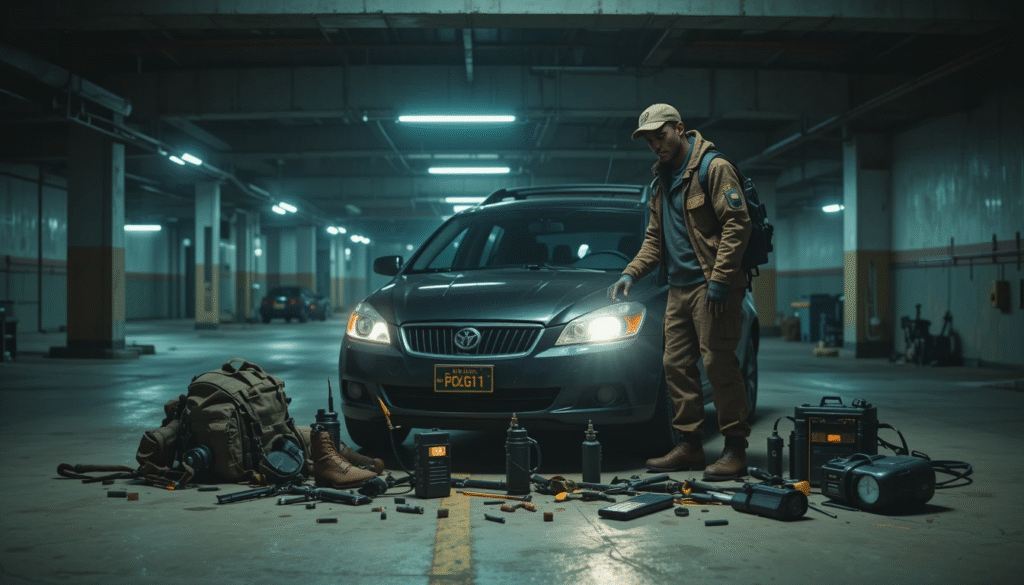
Home About Me Blog Mental Health Nature Decoded Disaster Preparedness Be Your Own Boss Self Defense featured Podcast Videos Shorts Self Defense Survival Motivation Herbal Remedies Live Streams Digital Dojo Digital Dojo Live Mental Health Hacks Meditation & Relaxation Sleep Sounds Self Defense Survival Lessons From Nature Primal Fitness Tech Review: Urban & Wilderness Tech for Survival Shop Get It On Amazon Self Defense Gear Prepper Gear Survival Garden Natural Healing Fitness Equipment Digital Downloads Stickers and Decals Mugs and Tunblers Apparel Supplements Studio Memberships Donations X Popular 5 EDC Gadgets That Will Save You In A City Emergency You’ll Find These 5 Gadgets Valueable Sooner Rather Than Later You ever think about what would happen if the city went dark? No power, no water, no help coming anytime soon? Most people don’t. But that’s the kind of thing I prepare for. Urban survival isn’t about living in fear — it’s about living ready. Today, I’m breaking down five urban survival gadgets that every single person should own. Trust me, when things get real, these tools could mean the difference between being stuck… and getting out alive. 1. Multi-Tool with Locking Blades When you’re walking around day to day, you can’t carry a whole toolbox with you — but a quality multi-tool is basically one in your pocket. I’m talking pliers, screwdrivers, scissors, wire cutters, and a blade you can trust. The locking blades keep you from cutting yourself when you’re applying force, and the more solid the build, the more abuse it can take in an emergency.In an urban setting, this could be the tool that gets you into a locked utility box, cuts through a seatbelt, or fixes a busted strap on your gear. 2. Compact Water Filtration System Clean water is survival 101 — but in a city emergency, the tap might be dry or contaminated. A pocket-sized water filter lets you safely drink from sources you’d never trust otherwise — public fountains, rainwater barrels, even questionable sinks in abandoned buildings.Get one that removes bacteria, parasites, and chemicals, because city water isn’t just about germs — it’s about the stuff leaking from pipes and old infrastructure. 3. Solar Power Bank When the grid is down, your phone isn’t just for TikTok — it’s your map, flashlight, emergency contact device, and survival library. A solar power bank keeps it alive without an outlet.Urban rooftops, balconies, or even sidewalks on a sunny day become your charging station. Get one with multiple USB ports and enough capacity to charge your phone several times over. 4. Tactical Flashlight A cheap flashlight will fail you when you need it most. You want one that’s waterproof, impact-resistant, and blindingly bright. Bonus points if it has a strobe mode for disorienting threats.In urban survival, light is both vision and security. It helps you navigate dark stairwells, basements, or streets, and 5. Portable Emergency Radio When the cell towers go silent, an emergency radio keeps you plugged into reality. Get one that works off multiple power sources — hand crank, solar, and batteries.You’ll get weather alerts, evacuation info, and updates that could save your life. It’s not just about hearing the news — it’s about knowing where the danger is and where the safe zones are. Final Thoughts Survival in the city isn’t about being paranoid — it’s about being prepared. Every one of these gadgets is small enough to carry or stash, but powerful enough to save your life when the streets get unpredictable. The truth is, emergencies don’t wait for you to “get ready.” They hit fast, and the people who make it through are the ones who already have the tools they need.So start building your kit now. Even if you can only add one gadget at a time, each one is another layer of protection between you and disaster. When the lights go out, the water runs dry, or the streets get dangerous… you’ll be glad you took this seriously. LISTEN NOW GEAR SHOP TWITCH DISCORD Follow on Spotify ADVERTISEMENT Learn More ADVERTISEMENT Learn More VISIT ME ON YOUTUBE! ADVERTISEMENT Learn More ADVERTISEMENT Learn More RELATED POST urbanwarriorsurvival.com 14 August 2025 Blog Disaster Preparedness featured 5 EDC Gadgets That Will Save You In A City Emergency urbanwarriorsurvival.com 13 August 2025 Blog Disaster Preparedness featured How to Survive a Flood in Your Area urbanwarriorsurvival.com 12 August 2025 Blog featured Mental Health 6 Reasons People Are Suffering From Mental Health Issues urbanwarriorsurvival.com 11 August 2025 Blog featured Self Defense These 8 reasons will make you consider learning knife combat for self defense. urbanwarriorsurvival.com 8 August 2025 featured Mental Health 7 Ways to Keep Calm in a Crisis urbanwarriorsurvival.com 30 July 2025 Disaster Preparedness featured When the Ground Shakes and the Ocean Roars: How to Survive an Earthquake Tsunami Social Networks Facebook Twitter Instagram B.Roc Survival Podcast Discord Patreon Pinterest Youtube Links List Help Center Community Forums Blog Meetups B.Roc Survival Inc. All rights reserved
How to Survive a Flood in Your Area
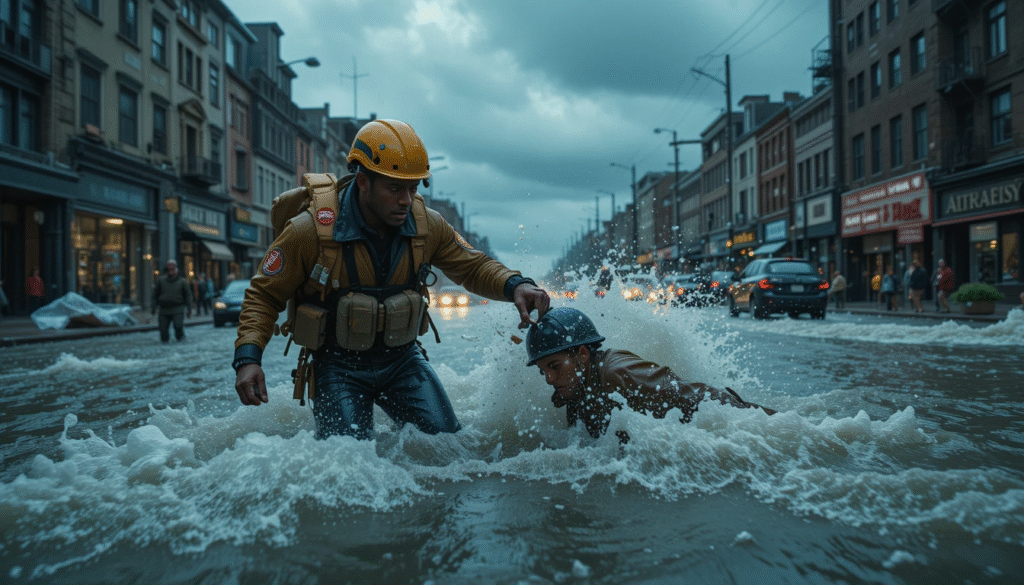
Home About Me Blog Mental Health Nature Decoded Disaster Preparedness Be Your Own Boss Self Defense featured Podcast Videos Shorts Self Defense Survival Motivation Herbal Remedies Live Streams Digital Dojo Digital Dojo Live Mental Health Hacks Meditation & Relaxation Sleep Sounds Self Defense Survival Lessons From Nature Primal Fitness Tech Review: Urban & Wilderness Tech for Survival Shop Get It On Amazon Self Defense Gear Prepper Gear Survival Garden Natural Healing Fitness Equipment Digital Downloads Stickers and Decals Mugs and Tunblers Apparel Supplements Studio Memberships Donations X Popular How to Survive a Flood in Your Area: What to Do When a Flood Warning Is Issued If you’re reading this, you either live somewhere that floods could happen… or they already have. I’m going to be real with you—floods are one of the most underestimated disasters out there. They don’t always come with a lot of warning, and they can turn deadly fast. So, let’s talk about how they work, what you need to watch for, and exactly how you can make it through. How Floods Work (and Why They Can Be So Deadly) Floods aren’t just “a lot of water.” They’re nature’s way of saying, “I’m in charge now.” They happen when more water comes in than the ground, rivers, or drainage systems can handle. That could be from: Heavy rain that doesn’t stop. Hurricanes or tropical storms pushing water inland. Snow melting faster than the rivers can handle. Dams or levees breaking. Here’s the part people forget: floodwater is not clean. It’s full of debris, chemicals, and sometimes sewage. It’s also heavy and powerful—just six inches of moving water can knock you off your feet, and two feet can sweep a car away like it’s a toy. What You Need Before the Flood Comes If you wait until the water’s at your doorstep, you’re already behind. You need your gear ready now. Emergency Go-Bag – Think waterproof backpack with the basics: food, water, flashlight, first aid kit, extra clothes, important documents in waterproof bags, and any meds you need. Portable Water Filter – If tap water gets contaminated, you’ll need a way to make it safe. Battery or Hand-Crank Radio – Floods can knock out cell service, so you’ll need updates the old-fashioned way. Cash – ATMs and card readers might not work. Sturdy Boots & Gloves – Floodwater hides sharp objects and debris. If a Flood Warning Hits – Here’s What to Do This is where a lot of people panic. You’re not going to be one of them. Get to Higher Ground Immediately – Don’t wait. Water rises faster than you think. Never Walk or Drive Through Moving Water – I don’t care if it “doesn’t look deep.” It only takes one wrong step to disappear. Turn Off Utilities – If you have time, shut off gas, electricity, and water to avoid fires and electrocution. Listen to Authorities – Evacuation orders aren’t suggestions. If they say go, you go. Watch for Secondary Hazards – Landslides, sinkholes, or even more flooding can follow. If You’re Caught in It Worst-case scenario—you’re surrounded by water. Here’s how you keep yourself alive. Find Something That Floats – Doors, barrels, even large plastic bins can save you. Avoid Flood Currents – If you’re in moving water, try to angle toward stable ground, not fight the current head-on. Don’t Drink the Water – It’s contaminated. Stay away from it as much as possible. Signal for Help – Bright colors, waving fabric, or a flashlight at night can make the difference. After the Flood – Stay Smart Surviving the flood is only half the battle. Once the water’s gone: Don’t go back inside until it’s declared safe. Avoid downed power lines. Wear gloves and boots for cleanup—floodwater residue is nasty. Throw out any food or drink that touched floodwater. Floods don’t care how tough you are or how long you’ve lived in your area—they can take out entire neighborhoods in hours. But if you understand how they work, prepare now, and stay calm when they hit, you’ll not only survive… you’ll be the one helping others get through it too. LISTEN NOW GEAR SHOP TWITCH DISCORD Follow on Spotify ADVERTISEMENT Learn More ADVERTISEMENT Learn More VISIT ME ON YOUTUBE! ADVERTISEMENT Learn More ADVERTISEMENT Learn More RELATED POST urbanwarriorsurvival.com 13 August 2025 Blog Disaster Preparedness featured How to Survive a Flood in Your Area urbanwarriorsurvival.com 12 August 2025 Blog featured Mental Health 6 Reasons People Are Suffering From Mental Health Issues urbanwarriorsurvival.com 11 August 2025 Blog featured Self Defense These 8 reasons will make you consider learning knife combat for self defense. urbanwarriorsurvival.com 8 August 2025 featured Mental Health 7 Ways to Keep Calm in a Crisis urbanwarriorsurvival.com 30 July 2025 Disaster Preparedness featured When the Ground Shakes and the Ocean Roars: How to Survive an Earthquake Tsunami urbanwarriorsurvival.com 28 July 2025 featured Self Defense 10 Ways Martial Arts Can Transform The Mind, Body, and Spirit For Survival Social Networks Facebook Twitter Instagram B.Roc Survival Podcast Discord Patreon Pinterest Youtube Links List Help Center Community Forums Blog Meetups B.Roc Survival Inc. All rights reserved
6 Reasons People Are Suffering From Mental Health Issues

Home About Me Blog Mental Health Nature Decoded Disaster Preparedness Be Your Own Boss Self Defense featured Podcast Videos Shorts Self Defense Survival Motivation Herbal Remedies Live Streams Digital Dojo Digital Dojo Live Mental Health Hacks Meditation & Relaxation Sleep Sounds Self Defense Survival Lessons From Nature Primal Fitness Tech Review: Urban & Wilderness Tech for Survival Shop Get It On Amazon Self Defense Gear Prepper Gear Survival Garden Natural Healing Fitness Equipment Digital Downloads Stickers and Decals Mugs and Tunblers Apparel Supplements Studio Memberships Donations X Popular 6 Reasons People Are Suffering From Mental Health Issues Here’s Several People Are Having Mental Issues, and How you Can Do Ssmething About It. In today’s fast-paced, hyper-connected world, mental health problems have become more prevalent than ever. Issues like anxiety, depression, and stress seem to be nearly universal, leaving many to wonder why so many are struggling. The truth is that society, as we know it, is not built for our human well-being. Society, expectations and standards lead us far from the natural ways we are meant to thrive. Here’s why most people suffer from mental health issues: 1. Disconnection from Nature In ancient time our ancestors lived in close harmony with nature. They spent their days outdoors, were physically active, and experienced the natural flow of life. In contrast, modern society has pushed us into urban environments, where concrete and artificial lighting dominate, disconnecting us from the natural world. What are the result? A rise in mental health issues like anxiety and depression, which are exacerbated by a lack of exposure to greenery, fresh air, and the grounding presence of nature. 2. Overstimulation and Information Overload Technology, while convenient, is a double-edged sword. We are constantly bombarded with information, social media updates, and a never-ending stream of notifications. This level of overstimulation puts our minds on high alert, contributing to feelings of stress and anxiety. Our brains are not designed to process the constant influx of information, which leads people to mental burnout and emotional exhaustion. People are not meant to be plugged in 24/7. 3. The Pursuit of Perfection In a society that celebrates unattainable standards of beauty, success, and productivity (Instagram cough cough), it’s no wonder so many people struggle with their mental health. Social media amplifies this pressure by showcasing false versions of peoples life that often don’t reflect reality. The constant comparison leaves people feeling inadequate, creating feelings of low self-worth, depression, and anxiety. The pursuit of perfection becomes a toxic cycle, leading people further from their true selves. 4. Lack of Purpose and Connection Humans are social creatures by nature, but modern society often isolates us. The fast-paced nature of work lives, the rise of digital communication over face-to-face interaction, and the breakdown of community have left many feeling disconnected. People no longer have the deep, supportive relationships and community bonds that promote mental well-being. The lack of genuine connection and purpose often leads to feelings of loneliness, which can spiral into severe mental health issues. 5. Chronic Stress from Work and Financial Struggles The modern work culture places high demands on productivity and performance. Most people are expected to work long hours, with little time for rest and relaxation. This chronic stress affects mental health, making individuals more susceptible to burnout, depression, and anxiety. Additionally, the constant pressure to keep up financially, while also meeting societal expectations, creates a state of perpetual worry and insecurity. 6. Lack of Mental Health Education Despite the growing awareness of mental health issues, society has done little to normalize mental health care. People often lack the knowledge or tools to manage their mental well-being effectively. In many cultures, there’s still stigma surrounding seeking help, and self-care practices are often seen as indulgent rather than necessary. Without proper education and resources, people suffer in silence, unable to break free from the destructive cycles that plague their mental health. Conclusion: We’re Not Meant to Live Like This The root cause of mental health issues for many lies in how society has shaped our lives. We have been pushed into an unnatural way of existing—overworked, overstimulated, disconnected, and always striving for an impossible ideal. To heal, we need to reconnect with ourselves, our communities, and the natural world. We need to challenge the systems that creates stress and disconnection, and instead, prioritize mental well-being and a balanced life. It’s time to stop living in a way that is not meant for us and start living authentically, with purpose and peace. LISTEN NOW GEAR SHOP TWITCH DISCORD Follow on Spotify ADVERTISEMENT Learn More ADVERTISEMENT Learn More VISIT ME ON YOUTUBE! ADVERTISEMENT Learn More ADVERTISEMENT Learn More RELATED POST urbanwarriorsurvival.com 12 August 2025 Blog featured Self Defense 6 Reasons People Are Suffering From Mental Health Issues urbanwarriorsurvival.com 11 August 2025 Blog featured Self Defense These 8 reasons will make you consider learning knife combat for self defense. urbanwarriorsurvival.com 8 August 2025 featured Mental Health 7 Ways to Keep Calm in a Crisis urbanwarriorsurvival.com 30 July 2025 Disaster Preparedness featured When the Ground Shakes and the Ocean Roars: How to Survive an Earthquake Tsunami urbanwarriorsurvival.com 28 July 2025 featured Self Defense 10 Ways Martial Arts Can Transform The Mind, Body, and Spirit For Survival urbanwarriorsurvival.com 15 July 2025 featured Mental Health 6 Simple Breathing Practices That Can Helped You Fight Depression Social Networks Facebook Twitter Instagram B.Roc Survival Podcast Discord Patreon Pinterest Youtube Links List Help Center Community Forums Blog Meetups B.Roc Survival Inc. All rights reserved
These 8 reasons will make you consider learning knife combat for self defense.

Home About Me Blog Mental Health Nature Decoded Disaster Preparedness Be Your Own Boss Self Defense featured Podcast Videos Shorts Self Defense Survival Motivation Herbal Remedies Live Streams Digital Dojo Digital Dojo Live Mental Health Hacks Meditation & Relaxation Sleep Sounds Self Defense Survival Lessons From Nature Primal Fitness Tech Review: Urban & Wilderness Tech for Survival Shop Get It On Amazon Self Defense Gear Prepper Gear Survival Garden Natural Healing Fitness Equipment Digital Downloads Stickers and Decals Mugs and Tunblers Apparel Supplements Studio Memberships Donations X Popular Knife vs. Gun: 8 Reasons Knives are a Better Option in Close Quarters These 8 reasons will make you consider learning knife combat for self defense. The classic adage, famously uttered by Sean Connery in the film “The Untouchables,” pits guns against knives with the timeless wisdom: “Don’t bring a knife to a gun fight.” Knife vs. Gun While this maxim holds its ground in many situations, it fails to address the nuances of close-quarters combat, where knives often emerge as the more favorable choice. In such confined scenarios, possessing an edged weapon can make all the difference between self-preservation and vulnerability. Let’s delve into eight compelling reasons why knives outshine guns when the battlefield narrows, potentially settling the age-old debate of knives versus guns once and for all. The 21-Foot Rule Law enforcement has long relied on the 21-foot rule, which posits that an assailant wielding a knife can cover 21 feet in the time it takes to draw and fire a gun. This rule underscores the immense pressure on someone trying to draw a firearm in such situations. Recent research from Minnesota State University-Mankato suggests that the actual distance covered can exceed 21 feet, making it essential to equip officers with edge tools as viable alternatives. No Line of Fire Firearms require a clear line of fire to be effective, a luxury seldom found in close quarters. In contrast, knives can be tactically deployed with precision in various ways, minimizing the risk of missing the target. If You Miss…: In cinematic depictions, individuals miraculously manage to draw and fire a gun in the nick of time to thwart an attack. Real-life encounters, however, often feature fast-moving adversaries who close in too rapidly for a drawn gun to be effective. Even if you do manage to fire, there’s no guarantee of hitting your assailant, rendering you defenseless as they encroach. Ammunition Not Needed Unlike firearms, knives are always “loaded,” ready for action no matter how many times they’re used. Fast Learner Almost anyone can wield a knife effectively with minimal training, as slashing and cutting with a blade are instinctive actions. In contrast, mastering the use of a firearm demands a steeper learning curve. No Warning, Just Action A knife’s deployment is swift and silent, lacking the need to load, manipulate safeties, or squeeze a trigger. This immediacy proves invaluable in high-stress crises, where time is limited, and maneuvering space is constrained. Knife vs. Gun: The Lethal Force Question Responding to an attacker with a firearm often leaves you with one stark option: employing maximum, sometimes lethal, force. A knife, while also lethal, offers a more versatile weapon capable of diverse defensive strategies. Better Defense: Effective self-defense starts with situational awareness. If confronted by a knife-wielding assailant, prioritizing your safety over drawing a weapon is paramount. Assess the distance between you and your attacker and focus on creating space while avoiding the initial assault. Attempting to draw a weapon without these precautions can lead to injury. As you evade the initial attack, prepare to draw your knife or defensive tool for tactical defense. These reasons collectively emphasize the effectiveness of knives in close quarters. While no one disputes the value of guns for security, the possession and mastery of a knife provide a broader range of options when your primary goal is self-preservation. Achieving the best chance of survival involves diligent practice until knife usage becomes second nature and muscle memory. Seek a proficient instructor, obtain practice knives, and commit to rigorous training. Versatile Utility: Knives in Close Quarters In close-quarters confrontations, knives offer a distinctive advantage beyond their immediate lethality. They can double as versatile tools for non-lethal purposes, such as cutting restraints or crafting improvised barriers. This adaptability, combined with their swift deployment and minimal reliance on ammunition, underscores the value of knives as not just weapons but multi-functional instruments in situations where quick decision-making can spell the difference between life and death. LISTEN NOW GEAR SHOP TWITCH DISCORD Follow on Spotify ADVERTISEMENT Learn More ADVERTISEMENT Learn More VISIT ME ON YOUTUBE! ADVERTISEMENT Learn More ADVERTISEMENT Learn More RELATED POST urbanwarriorsurvival.com 11 August 2025 featured Mental Health These 8 reasons will make you consider learning knife combat for self defense. urbanwarriorsurvival.com 8 August 2025 featured Mental Health 7 Ways to Keep Calm in a Crisis urbanwarriorsurvival.com 30 July 2025 Disaster Preparedness featured When the Ground Shakes and the Ocean Roars: How to Survive an Earthquake Tsunami urbanwarriorsurvival.com 28 July 2025 featured Self Defense 10 Ways Martial Arts Can Transform The Mind, Body, and Spirit For Survival urbanwarriorsurvival.com 15 July 2025 featured Mental Health 6 Simple Breathing Practices That Can Helped You Fight Depression urbanwarriorsurvival.com 13 July 2025 featured Nature Decoded The World Is Fair. Society Isn’t. And It’s Killing Civilization. Social Networks Facebook Twitter Instagram B.Roc Survival Podcast Discord Patreon Pinterest Youtube Links List Help Center Community Forums Blog Meetups B.Roc Survival Inc. All rights reserved
7 Ways to Keep Calm in a Crisis

Home About Me Blog Mental Health Decoded Disaster Preparedness Be Your Own Boss Self Defense featured Podcast Videos Shorts Self Defense Survival Motivation Herbal Remedies Live Streams Digital Dojo Digital Dojo Live Mental Health Hacks Meditation & Relaxation Sleep Sounds Self Defense Survival Lessons From Nature Primal Fitness Tech Review: Urban & Wilderness Tech for Survival Shop Get It On Amazon Self Defense Gear Prepper Gear Survival Garden Natural Healing Fitness Equipment Digital Downloads Stickers and Decals Mugs and Tunblers Apparel Supplements Studio Memberships Donations X Popular 7 Ways to Keep Calm in a Crisis Survival Psychology Sunday – Urban Warrior Survival Let’s be real — when disaster hits, most people’s first reaction isn’t bravery. It’s panic. The heart starts pounding, the brain scrambles, and logical thinking goes out the window. That’s when people make mistakes. Bad ones. Here’s the truth: your mindset is your most important piece of survival gear. If you can control your emotions in those first critical moments, you buy yourself time, and in survival, time is life. So let’s talk about 7 ways you can keep your cool when the world around you is losing it. 1. Control Your Breathing The very first thing panic steals from you is your breath. You start breathing fast and shallow, and that signals your brain to freak out even more — like pouring gasoline on a fire. Here’s what I do: combat breathing. Four seconds in, four seconds hold, four seconds out, four seconds hold. It sounds simple, but try it right now. You’ll feel your shoulders drop, your pulse slow, and your head clear. You can’t think your way out of panic until your body believes you’re safe enough to think. Your breath is the quickest way to trick your body into calming down. It’s not just breathing — it’s flipping the switch from chaos mode to survival mode. 2. Focus on One Small Task When everything’s going wrong, your brain wants to fix it all at once. That’s a trap. You’ll overload, freeze up, and lose valuable seconds. Instead, lock onto one small, concrete task. It could be as simple as “find the exit,” “check my gear,” or “get this person to safety.” You don’t have to solve the whole situation in one move — you just need to take the next step. Each little win you stack builds momentum, and momentum is the enemy of panic. You keep moving forward, you keep thinking clearly, and before you know it, you’re in a much better position than when you started. 3. Avoid Panic Talk Words are contagious. The wrong ones can spread fear faster than fire in a dry forest. If you start saying, “We’re screwed,” or “This is bad,” you’re not just convincing yourself — you’re convincing everyone else too. Flip the script. Use short, confident commands: “We’re moving now.” “Follow me.” “Here’s the plan.” Your tone matters just as much as your words. If you sound steady, people will match your energy. I’ve seen situations where one person’s calm voice held a whole group together until help came. Be that person. You don’t have to have all the answers — you just have to keep the room from falling apart. 4. Use Grounding Techniques When fear takes over, you can start to feel disconnected — like you’re watching things happen instead of being in control. That’s dangerous. You need to snap yourself back into the moment fast. Here’s a trick: the 5-4-3-2-1 method. Look for 5 things you can see. Touch 4 things you can feel. Listen for 3 things you can hear. Smell 2 things. Taste 1 thing. Why does this work? Because your brain can’t spiral into panic while it’s focusing on real, physical details around you. It pulls you out of the storm in your head and plants you firmly in reality, where you can make smart choices. 5. Keep Moving When panic hits, your fight-or-flight instinct sometimes malfunctions — and you freeze. You stand there, mind blank, as precious seconds tick away. That’s how people get hurt. Movement is your way out of that mental freeze. Even if you don’t know exactly what to do yet, take action. Scan your surroundings. Adjust your stance. Start heading toward a safer position. Your body in motion sends a signal to your brain: “We’re doing something about this.” And once your brain gets that message, your problem-solving skills kick back in. 6. Remind Yourself of Your Goal When chaos is everywhere, it’s easy to forget why you’re even fighting to stay calm. That’s when fear sneaks in and takes over. I always remind myself of my mission: “I’m getting out alive.” “I’m protecting my family.” “I’m reaching that safe zone.” Whatever your reason is, speak it to yourself, out loud if you have to. Your goal acts like a compass. No matter how wild the situation gets, you keep moving in the right direction. Fear might slow you down, but it won’t knock you completely off course. 7. Stay Hydrated It sounds basic, but in survival, the basics save lives. Even mild dehydration can mess with your thinking, make your heart race, and increase feelings of anxiety. And in a crisis, you can’t afford a foggy brain. If you can, drink water before you get thirsty. In high-stress situations, people often forget to do the simplest things, like take a sip. But staying hydrated is fuel for your body and clarity for your mind. Bottom line: Staying calm isn’t about pretending you’re not scared — it’s about controlling your fear so it works for you, not against you. If you can slow your breathing, focus on the next step, speak confidence, ground yourself, keep moving, hold onto your “why,” and stay hydrated, you’ll be the one in control when everyone else is losing it. And in survival? Control is everything. LISTEN NOW GEAR SHOP TWITCH DISCORD Follow on Spotify ADVERTISEMENT Learn More ADVERTISEMENT Learn More VISIT ME ON
When the Ground Shakes and the Ocean Roars: How to Survive an Earthquake Tsunami

Home About Me Blog Mental Health Decoded Disaster Preparedness Be Your Own Boss Self Defense featured Podcast Videos Shorts Self Defense Survival Motivation Herbal Remedies Live Streams Digital Dojo Digital Dojo Live Mental Health Hacks Meditation & Relaxation Sleep Sounds Self Defense Survival Lessons From Nature Primal Fitness Tech Review: Urban & Wilderness Tech for Survival Shop Get It On Amazon Self Defense Gear Prepper Gear Survival Garden Natural Healing Fitness Equipment Ebooks Stickers and Decals Mugs and Tunblers Apparel Supplements Studio Memberships Donations X Popular When the Ground Shakes and the Ocean Roars: How to Survive an Earthquake Tsunami Your Survival Starts the Second the Shaking Stops—Don’t Wait for the Wave 1. Understand What You’re Dealing With: The Earthquake-Tsunami Combo is No Joke When the earth moves and the ocean responds, you’re in a double-disaster. Earthquakes destabilize the land, and if they occur offshore, they displace a massive amount of water—triggering a tsunami. These tsunamis travel fast—up to 500 mph in the open ocean—and when they reach the shore, they slow down and rise, turning into towering walls of destruction. Understanding this chain reaction is key to reacting quickly. 2. The First 5 Minutes Are Everything: React Fast, Don’t Freeze Right after the quake, you have a very small window—sometimes just minutes—before a tsunami hits. Your instincts will scream at you to look around, help others, check your stuff. Ignore them. If you’re anywhere near a coastline and feel a strong quake or a long-lasting one (more than 20 seconds), assume a tsunami is coming and move. Your move: Don’t wait for sirens or alerts. Don’t check your phone first—grab your go-bag and go. Head to high ground—at least 100 feet above sea level or 2 miles inland. 3. Get Off the Beach—Fast This might sound obvious, but you’d be shocked how many people wander toward the water out of curiosity. If the sea suddenly recedes, exposing more beach than normal, that’s not a good thing—that’s the ocean pulling back before striking. It’s the tsunami’s version of pulling back a slingshot. Your move: Never walk toward the water. Never stop to take pictures. Don’t try to drive if you’re too close—foot travel may be faster through debris. 4. Your Go-Bag is Your Lifeline If you’re in a tsunami-prone area, your survival kit should be near the door or under your bed. Don’t waste time packing when the shaking stops. Your go-bag should already have: Sturdy shoes Water and a purifier Snacks/protein bars Flashlight & batteries First aid kit Emergency radio Copies of ID Cash Small towel or blanket Dust mask or bandana Bonus Tip: Keep a smaller “mini go-bag” in your car and workplace too. 5. Know the Terrain: Map Your Escape Routes Ahead of Time Before disaster hits, take a mental inventory of your surroundings. Find out: Where is the nearest hill or elevated land? How long does it take to reach it on foot? Are there designated tsunami evacuation zones or buildings? Your move: Print or screenshot evacuation maps. Walk your escape route at least once. Share the plan with your household. 6. Get the Alerts, But Don’t Rely on Them Tsunami warning systems exist, but they aren’t perfect. Cell towers can go down. Apps might lag. Sirens might not work. Recommended tools: NOAA Weather Radio Tsunami Alert apps (e.g., MyShake, QuakeAlertUSA) Text alert services for your area But again—if you feel a long quake and you’re near the ocean, don’t wait. Move. 7. Should You Drive or Run? Depends on Your Location If you’re already near your vehicle, and the roads are clear, you might be able to drive to higher ground. But remember: traffic jams are death traps during tsunamis. Most experts recommend running on foot unless: You’re already in the car with the engine running. You’re several miles from the shore and can drive away before roads jam. 8. Make Sure Everyone Has a Role: Family and Team Preparedness If you’ve got kids, roommates, or older family members, everyone should know the plan. Drill this: Where to meet after a quake Who grabs the go-bags Who checks on the neighbors What to do if you’re separated My tip: Have a rally point at a specific high-ground landmark. Don’t rely on phone calls—they might not go through. 9. If You’re Inside a Building, Follow the Drop-Cover-Hold Rule—Then MOVE During the quake: Drop down low Cover your head and neck Hold onto something sturdy After the quake: Evacuate immediately if you’re in a tsunami zone. Use stairs, not elevators. Watch for falling debris, glass, and power lines. Pro tip: Some tall buildings are tsunami evacuation points—know which ones in your area are built to withstand waves. 10. After the First Wave, It’s Not Over Tsunamis often come in multiple waves, and the second or third can be even bigger. Just because the water recedes doesn’t mean it’s safe to return. Your move: Stay on high ground for at least 12 hours unless local authorities say otherwise. Don’t walk through flood water—it can hide sharp objects, sewage, or live wires. Expect aftershocks—stay alert. 11. Stay Alive the Next 72 Hours: Post-Disaster Survival Mode The tsunami may be over, but now the real survival begins: Shelter may be limited or unsafe. Clean water could be scarce. Power will likely be out. Looting or chaos is possible. Your priorities: Find safe shelter Boil/purify water Avoid injuries Stay informed (radio, word of mouth) 12. Expect the Grid to Collapse Temporarily—Be Mentally Ready We often underestimate how fragile our systems are. When a tsunami wipes out coastal infrastructure: No ATMs No hospitals nearby No grocery deliveries No internet What I learned: Mental toughness is everything. Know that it’s gonna be rough—but survivable. Keep a cool head, help others, and stick to your plan. 13. Learn from Survivors: Real People, Real Lessons People who survived the 2004 Indian Ocean tsunami and Japan’s 2011 disaster all say the same thing: “The ones who lived… moved fast.” They didn’t hesitate. They didn’t
10 Ways Martial Arts Can Transform The Mind, Body, and Spirit For Survival
Home About Me Blog Mental Health Decoded Disaster Preparedness Be Your Own Boss Self Defense featured Podcast Videos Shorts Self Defense Survival Motivation Herbal Remedies Live Streams Digital Dojo Digital Dojo Live Mental Health Hacks Meditation & Relaxation Sleep Sounds Self Defense Survival Lessons From Nature Primal Fitness Tech Review: Urban & Wilderness Tech for Survival Shop Get It On Amazon Self Defense Gear Prepper Gear Survival Garden Natural Healing Fitness Equipment Ebooks Stickers and Decals Mugs and Tunblers Apparel Supplements Studio Memberships Donations X Popular 10 Ways Martial Arts Can Transform The Mind, Body, and Spirit For Survival 10 Martial Arts Habits That Will Keep You Alive When the World Falls Apart I didn’t step onto the mat looking for a philosophy—I was looking for an edge. I wanted to survive in a world that doesn’t care if you’re ready or not. I didn’t want to be a victim. I wanted to be prepared. But martial arts didn’t just teach me how to throw a punch or block an attack. It taught me how to think like a survivor. In training, I found confidence under pressure. In discipline, I found freedom. And in ancient techniques, I found tools that could save my life—and yours—if the world ever goes sideways. Here are 10 ways martial arts turned me into a warrior ready for the unknown—and how it can do the same for you. 1. Meditation Before Movement: Mental Prep Before the Storm Every class began with breath and stillness. At first, I didn’t get it—why sit still when we could be training to fight? But survival isn’t just physical—it’s mental. The ability to quiet your mind, assess danger, and act without panic is what separates survivors from statistics. Practicing mindfulness daily helps you stay calm when everything around you is chaos. If the grid went down tomorrow, you’d want your head clear, not cluttered. 2. Breathwork for High-Stress Survival Scenarios In a real fight—or disaster—panic can kill you. Martial arts taught me how to breathe through adrenaline. Sparring forces you to control your breath while being hit, pushed, or overwhelmed. That same breath control kicks in when you’re stuck in a tight space, injured, or running for your life. Panic shortens breath. Practice makes it automatic. Master your breath, master the moment. 3. Energy Awareness Through Kata: Reading Movement to Read Threats Kata isn’t just choreography—it’s pattern recognition. When you practice deliberate movement, you develop the ability to read energy, balance, and body cues in others. That translates to threat detection in real life: reading someone’s posture, tension, or intent before they act. In a crowd, during a standoff, or walking past a stranger—this awareness keeps you one step ahead. 4. Facing Fear Through Controlled Combat Most people freeze during confrontation. Martial arts forced me to feel fear on purpose—and move anyway. Sparring puts you in close-quarters chaos, but teaches you to keep thinking, breathing, adapting. That training shows up when you’re cornered, confronted, or facing injury in the wild. You don’t shut down—you scan, shift, survive. 5. Channeling Aggression Into Tactical Precision Survival isn’t about rage. It’s about control. Martial arts took my natural aggression and turned it into focused execution. You learn when to act—and when to wait. Whether you’re defending your home or escaping a trap, the ability to act with precision under pressure can save lives. Wild energy wastes time. Trained energy hits the target. 6. The Humility of Defeat Builds Resilience Getting slammed to the mat over and over teaches you one thing fast: adapt or perish. Survival is about resilience. You won’t always win the first round. Martial arts gave me a relationship with failure—and the strength to get up smarter. Out in the real world, setbacks happen. Food shortages, injuries, hostile people—what matters is your response. 7. Body Awareness = Injury Prevention & Efficient Movement Before training, I didn’t know how inefficient my movement was. Martial arts made me hyper-aware of posture, balance, and stress signals from my body. That awareness keeps you from blowing out a knee while running or pulling a muscle while lifting gear. In a survival scenario, the body is your most vital tool—if it breaks down, everything else does too. 8. Discipline Becomes Your Greatest Survival Tool Training when you’re sore, tired, or discouraged builds mental armor. That same discipline helps you wake up early to check your perimeter, ration food correctly, or keep walking when others quit. Martial arts made me do it anyway—and in survival, that mindset keeps you alive. Consistency outlasts chaos. 9. Learning to Respect Life Sharpens Your Judgment Knowing how to injure—or kill—makes you think twice before reacting. Martial arts taught me that survival isn’t about looking for violence, but about avoiding it unless there’s no other way. You develop judgment. In the wild or on the street, knowing when to fight and when to flee isn’t weakness—it’s wisdom. 10. Inner Peace Through Repetition Builds a Calm Under Fire Repeating moves thousands of times taught me something I never expected: peace. The same repetition that sharpens skill also calms the nervous system. When you’ve drilled a movement into muscle memory, you act without hesitation. That calm is golden during emergencies. Repetition isn’t just training—it’s programming for survival. Conclusion: Martial Arts is Survival Training in Disguise I didn’t learn martial arts to feel enlightened—I learned it to stay alive. But the byproduct was a sharp mind, calm breath, tactical awareness, and physical skill that I carry into every part of life now. In a real crisis, people panic. But if you’ve trained, your body remembers. You react with clarity, not chaos. Whether you’re prepping for societal collapse, wilderness emergencies, or just want to defend your family when things go bad—martial arts gives you the edge. It’s not about belts. It’s about being the weapon when tools fail and plans fall apart. So train. Move. Breathe. Repeat. The world might not give you a warning—but you can still be ready. LISTEN NOW GEAR
6 Simple Breathing Practices That Can Helped You Fight Depression
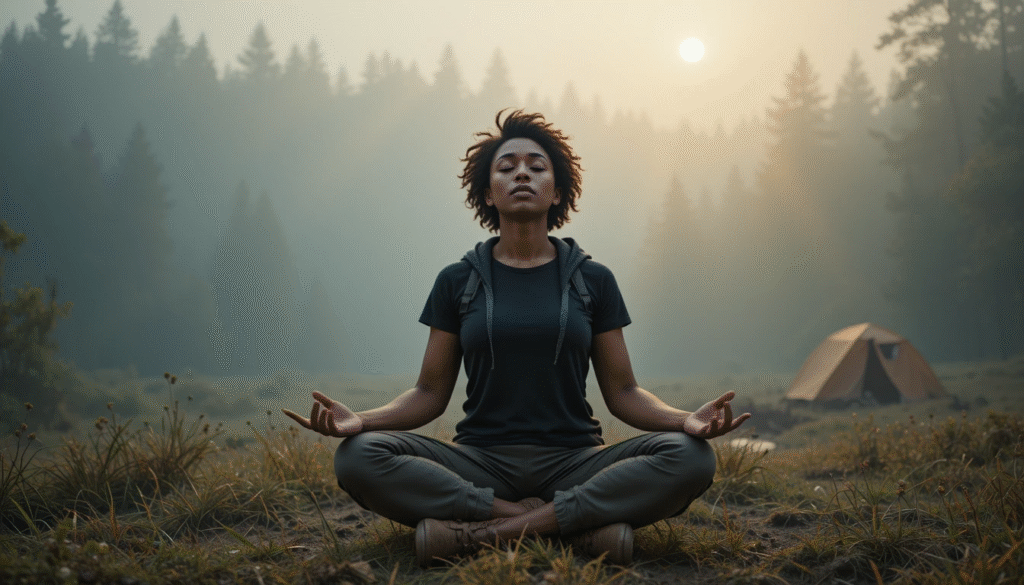
Home About Me Blog Mental Health Decoded Disaster Preparedness Be Your Own Boss Self Defense featured Podcast Videos Shorts Self Defense Survival Motivation Herbal Remedies Live Streams Digital Dojo Digital Dojo Live Mental Health Hacks Meditation & Relaxation Sleep Sounds Self Defense Survival Lessons From Nature Primal Fitness Tech Review: Urban & Wilderness Tech for Survival Shop Get It On Amazon Self Defense Gear Prepper Gear Survival Garden Natural Healing Fitness Equipment Ebooks Stickers and Decals Mugs and Tunblers Apparel Supplements Studio Memberships Donations X Popular 6 Simple Breathing Practices That Can Helped You Fight Depression Breathing Practices That Can Help You Climb Out of the Dark I’ve faced wild storms in the wilderness, but nothing compared to the chaos happening inside my own mind during my darkest days. Depression isn’t just sadness—it’s like walking through quicksand while the world moves around you. And when you’re trying to live like a warrior in a broken world, depression can be deadly. But I found a weapon—ancient, simple, and always with me: my breath. These six daily breathing practices didn’t just pull me out of the mental fog; they trained me to fight for my peace, regulate my emotions, and survive with clarity. Here’s how breathwork became my silent survival partner. 1. I Wasn’t Just Tired—My Mind Was Starving for Oxygen Before I even knew what breathwork was, I was walking around like a zombie. Low energy, low motivation, no spark. Turns out, I wasn’t just exhausted—I was oxygen-deprived. Shallow breathing was my silent killer. Like most people dealing with depression, I was unknowingly breathing in short, anxious gasps. That type of breathing signals your nervous system to panic, shut down, and freeze. Once I learned to retrain my breath, I started fueling my brain again—literally. With more oxygen, I felt clearer, faster, and more alive. Every deep inhale was like flipping a light switch in my head. 2. The Warrior’s Box Breathing Method This was the first real technique I committed to—and it came straight from the military. Navy SEALs use Box Breathing to stay calm under fire. If it works in warzones, it can work during a depressive episode. Here’s how it goes: Inhale for 4 seconds Hold for 4 seconds Exhale for 4 seconds Hold for 4 secondsRepeat for 5–10 minutes. I started using this every morning. I’d sit outside or in my room with the window open, set a timer, and box breathe. Some days I felt silly. Other days I felt strong. But every day, I felt more in control. That’s the power of intentional breath. It shifts you out of survival mode and into your parasympathetic nervous system—the state where real healing happens. 3. My Morning Pranayama Practice That Rewired My Brain I wasn’t raised with yogic traditions, but once I discovered Pranayama (ancient breath control from India), I realized it was a tool every survivor should know. I started simple with Nadi Shodhana—alternate nostril breathing. It balances the two hemispheres of the brain and slows down racing thoughts. It felt awkward at first, but I gave it 7 days—and then it became a daily ritual. Then I moved to Kapalabhati—“Skull Shining Breath.” It’s a fast, rhythmic exhalation practice that energizes the mind and clears fog. Think of it like push-ups for your lungs and brain. It shook me out of apathy and replaced my morning coffee. Both of these combined gave me sharper focus, emotional stability, and the kind of quiet confidence I hadn’t felt in years. 4. How I Broke the Spiral with Just 4 Seconds When you’re deep in it, depression talks to you. It tells you you’re worthless. It replays every regret. It drowns you in thoughts like: “What’s the point?” I learned to interrupt those spirals with breath. Whenever I caught myself slipping into the pit, I would immediately pause—and breathe in deeply for 4 seconds, then let it out slowly. I didn’t need a mat or incense. I could be in the middle of a grocery store, in my car, or sitting in a dark room. This short pattern was my mental “reset switch.” It told my nervous system, “You’re not dying. You’re not trapped. You’re here.” Over time, I could feel those spirals lose their power. The breath became a shield. 5. Breathing Through the Pain—Literally When you’re healing from trauma, you don’t just need strength—you need courage to sit with the pain. Breathwork gave me that. I started practicing Deep Diaphragmatic Breathing during moments of emotional heaviness. I’d lie flat on my back, one hand on my belly, one on my chest, and just breathe slowly—making sure my belly rose first, not my chest. Sometimes memories would come up. Sometimes grief hit hard. But I stayed with my breath. This is how I processed years of stored-up tension. Breath gave me a way to face the shadows without running from them. In survival, that’s key: not just escaping, but confronting. 6. The Breath-Survival Connection Here’s the truth: if you can’t control your breath, you can’t control your survival instincts. Panic, rage, shutdown—those all start in the breath. When the power grid goes out, when you’re stranded in the wild, when you’re trapped in a high-stress situation—your breath is your first line of defense. Now that I’ve made breathwork a daily practice, I react differently. My reflexes are sharper. I sleep deeper. My emotions don’t control me—I control them. In survival, breath is more than wellness. It’s a weapon. It’s the bridge between chaos and clarity. Survival Tips: Making Breathwork a Daily Discipline If you’re ready to start using breathwork to fight depression, here’s how I built it into my survival routine: Start small. 2 minutes a day is better than none. Build up over time. Set breath “triggers.” Before coffee, before bed, after workouts—tie breathwork to existing habits. Don’t overthink technique. Just start. Sit still and focus on breathing slower and deeper than usual. Use it in emergencies. Panic
The World Is Fair. Society Isn’t. And It’s Killing Civilization.
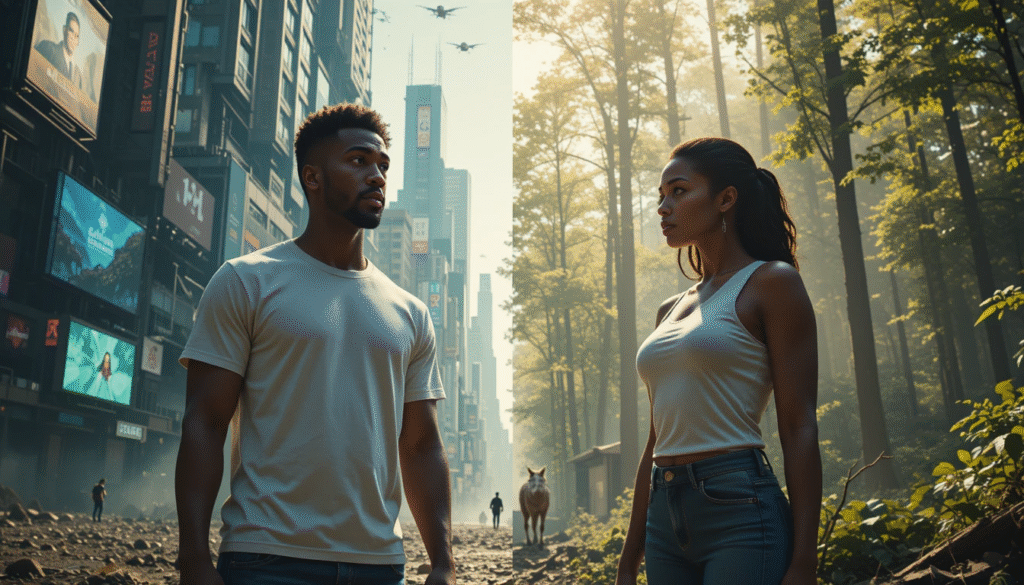
Home About Me Blog Mental Health Decoded Disaster Preparedness Be Your Own Boss Self Defense featured Podcast Videos Shorts Self Defense Survival Motivation Herbal Remedies Live Streams Digital Dojo Digital Dojo Live Mental Health Hacks Meditation & Relaxation Sleep Sounds Self Defense Survival Lessons From Nature Primal Fitness Tech Review: Urban & Wilderness Tech for Survival Tactical Wealth Shop Recommendations Self Defense Gear Prepper Gear Survival Garden Natural Healing Fitness Equipment Ebooks Stickers and Decals Mugs and Tunblers Apparel Supplements Memberships Donations X Facebook Instapaper Twitter Popular The World Is Fair. Society Isn’t. And It’s Killing Civilization Why Reconnecting with Nature and Reclaiming Your Mindset Is the Only Way to Survive a Dying Civilization We’re told from a young age that “life isn’t fair.” It’s one of those phrases used to shut us up, make us accept struggle, and fall in line with systems we never agreed to. But let me break something down for you: Life is fair.Nature is fair.It’s society that’s the problem. And society is what’s destroying civilization from the inside out. This article is not meant to comfort you. It’s meant to shake you. Wake you. Because if we don’t start thinking like survivors—mentally, spiritually, and physically—we’re done. The collapse won’t come with fire and brimstone. It’ll come with apathy, soft minds, and spiritual suicide. Let’s get into it. Nature Is Brutal, But Fair Go outside. Look at the wild. A lion doesn’t care about your feelings. A storm doesn’t change direction because it’s your birthday. A tree won’t grow where there’s no sunlight, no matter how bad you want it. But none of that is unfair. In fact, it’s the fairest system there is. In nature: The strong eat. The weak adapt—or they die. Every action has a consequence. There are no handouts, but there’s always opportunity. You know what else you get in nature? Freedom! Real freedom. No taxes. No algorithms. No credit scores. You survive based on skill, intuition, and grit. You live or die by your actual value—not how well you conform to systems built by people you’ve never met. Now contrast that with the world we’re living in today. Society Is the Scam Modern society is a masterclass in unfairness. It’s a twisted simulation where: Cowards lead the brave. Liars make the rules. People with power are rarely the most capable—they’re just the most obedient to the system. You work 40–60 hours a week, often doing things that don’t fulfill you, just to keep the lights on. Meanwhile, billionaires profit off your exhaustion while telling you to “invest in your mindset” or “manifest abundance.” It’s not just exploitation—it’s psychological warfare. Worse, you’re punished for trying to break free. Want to live off-grid? You’ll face regulations, zoning laws, surveillance, and judgment. Want to raise strong, resilient kids? Society calls it “toxic masculinity” or “conspiratorial.” Want to speak truth? You’ll be shadowbanned, ridiculed, and labeled. It’s not life that’s unfair—it’s the game we’ve been forced to play. Comfort Is the New Cage Civilization has become a padded cell. Uber brings food. Netflix brings distractions. Pharmaceuticals bring numbness. TikTok brings dopamine. Convenience is king—but it comes at the cost of your instinct. You forget how to hunt. How to build. How to protect. You even forget how to feel pain without medicating it. We’re witnessing a generation of men and women who’ve never had to fight for anything real—and it shows. They don’t know how to handle rejection, discomfort, or discipline. And here’s the worst part: That was done on purpose. The system doesn’t want warriors. It wants workers. It doesn’t want thinkers. It wants consumers. It doesn’t want you to thrive on your own—it wants you addicted, confused, and grateful for crumbs. We’re Deleting the Survival Instinct Every creature on Earth is born with survival instincts. But humans? We’re training it out of our kids. Teaching them to obey instead of observe. To conform instead of question. To wait for permission instead of act on intuition. That’s how civilizations die. Not from nukes or asteroids—but from losing the will to survive without permission. The average person: Can’t go a day without their phone. Panics if the power goes out. Needs GPS to find their way home. Doesn’t know how to purify water, build shelter, or grow food. Let that sink in. We’re the most technologically advanced society in history—and the most helpless. Mental Weakness Is a Choice Now Mental health issues are skyrocketing. And while some of it is biological, a lot of it is environmental—and spiritual. People are breaking down mentally not because life is hard—but because they were never taught how to be strong.They were taught: To avoid pain at all costs. To outsource responsibility. To seek validation instead of truth. And when the lies of society don’t match the truths of life, they crack. Depression sets in. Anxiety grows. Identity crumbles. But here’s what they don’t tell you: Strength is your birthright.And you can reclaim it. But not through pills or fake positivity. Through reconnection. To yourself.To nature.To discomfort.To truth. Urban Warriors See Through the Illusion This is where we come in. The ones who feel the glitch in the system. Who hear the ancient drum beating under all the noise. We’re not here to play pretend. We’re here to survive what’s coming—and rebuild after it falls. Being an Urban Warrior means: Training your mind like a weapon. Honoring your body like a temple. Studying nature like a scripture. Preparing for collapse—but thriving in freedom. We don’t want the old world back. We want something better. Built on truth, skill, spirit, and sovereignty. Survival Isn’t Just Physical—It’s Psychological Let’s be real: you could have all the gear, all the food, all the weapons—but if your mind is still enslaved, you’re just another pawn with a bug-out bag. That’s why Survival Psychology Sunday exists. We go deeper than fire starters and water filters. We talk about: How to break mental programming How to resist manipulation How to reclaim
8 Tips How to Survive a Nuclear Attack
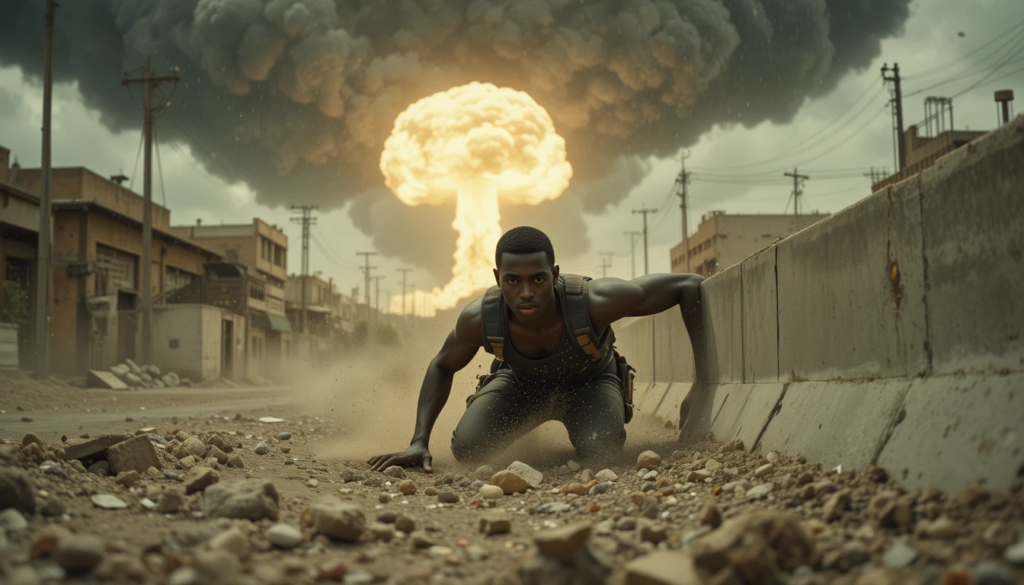
Home About Me Blog Mental Health Decoded Disaster Preparedness Living Off the Grid Be Your Own Boss Self Defense featured Podcast Videos Shorts Self Defense Survival Motivation Herbal Remedies Live Streams Digital Dojo Digital Dojo Live Mental Health Hacks Meditation & Relaxation Sleep Sounds Self Defense Survival Lessons From Nature Primal Fitness Tech Review: Urban & Wilderness Tech for Survival Tactical Wealth Shop Recommendations Self Defense Gear Prepper Gear Survival Garden Natural Healing Fitness Equipment Ebooks Stickers and Decals Mugs and Tunblers Apparel Supplements Memberships Donations X Facebook Instapaper Twitter Popular How to Survive a Nuclear Attack A No-Nonsense Survival Blueprint for When the Bomb Drops Let’s cut straight to it. If a nuclear bomb ever goes off, things won’t be like the movies. No time for dramatic slow motion or background music. Just a flash of light, a blast wave, and then silence. The scariest part? You don’t have to be at ground zero to feel the effects. Radiation, chaos, food shortages, civil collapse—it’s all real. But here’s the good news: survival is possible if you act fast, think smart, and stay grounded. This guide is your go-to playbook for staying alive when the world goes radioactive. Whether you’re in the heart of the city or the edge of nowhere, you’ll need more than just canned food—you’ll need mental strength, street smarts, and supernatural instinct. 1. React Fast to the Flash If you ever see a blinding white flash and you’re not instantly vaporized, don’t waste time asking questions. Drop immediately—face down, hands under your body, eyes shut tight. That flash means the blast is seconds away. Stay low. Don’t look back. After the initial wave, you’ll have anywhere from 30 seconds to a few minutes before the shockwave and heat reach you, depending on your distance from the epicenter. Use that time wisely—find cover, any cover. Concrete walls, underground parking garages, or behind thick stone structures. You don’t need a fancy bunker to survive the blast—you just need to get behind something that can shield heat and force. 2. Get Inside, Then Stay Inside If you survive the blast, your next enemy is fallout—radioactive particles that drop like ash. You need shelter, fast. The best places? Thick buildings, underground spots, or basements. Brick, concrete, and metal walls are your friends right now. Seal off windows and doors with whatever you’ve got—towels, duct tape, plastic sheeting. Fallout can start dropping within 10–15 minutes and stay deadly for 48 hours. Stay inside for at least 24–72 hours, depending on where you are and how bad it is. This is where prep comes in—if you’ve got food, water, and radios stored, you’ve already beat 90% of people out there. Think of your shelter like a cocoon: low light, low noise, and low exposure. 3. Filter the Air, Watch the Water Radiation is invisible but deadly, and it can sneak into your lungs or stomach if you’re not careful. If you don’t have a real air filtration system, improvise. Wet cloths over your nose and mouth. Hang damp towels over vents. Close chimney flues. Keep indoor air as clean as possible. When it comes to water—don’t trust the tap. Radiation can seep into municipal systems. Use bottled water only. If you’re desperate and have to use found water, filter it through charcoal and boil it, but even then, understand it won’t remove radiation—just dirt and bacteria. Stockpile clean water ahead of time or harvest rainwater with a clean tarp, away from fallout. 4. Decontaminate Before You Shelter If you were outside during or after the fallout, you’ve probably got radioactive dust on your clothes, hair, and skin. Don’t bring it into your shelter. Strip outside or right at the door. Bag your clothes. Wash yourself with soap and cold water—hot water opens your pores and lets radiation in. Scrub under nails, between fingers, and don’t forget your hairline. If you don’t have running water, use baby wipes, bottled water, or even rubbing alcohol on a cloth. Every bit of radiation you wash off matters. The less that stays on you, the longer you’ll live. 5. Build a Radiation Shield Zone You don’t need a million-dollar bunker to survive long-term—just layers between you and the radiation. In a basement, stack up books, boxes, water jugs, or even dirt bags along the outer walls to thicken your protection. The more mass between you and the outside world, the less exposure. Build a “core” area in the center where you sleep, eat, and spend most of your time. Think of it like a pillow fort—but the stakes are real. Even mattresses and canned goods can help. Every extra inch of shielding drops your radiation risk. This isn’t about comfort—it’s about lasting through the invisible storm. 6. Keep Track of Time and Radiation Time becomes your weapon in a nuclear scenario. Radiation decays fast in the first 24–48 hours. If you can make it three full days in your shelter, your survival chances skyrocket. Use a manual watch, not your phone. Mark days on the wall or track by candle use. If you’re lucky enough to have a radiation meter or dosimeter, use it before stepping out. If not, wait the full 72 hours and step out only briefly, and only with protective gear—gloves, long sleeves, and a mask. Keep windows closed. Move fast. Get what you need and get back. This ain’t the time to test your luck. 7. Stay Mentally and Spiritually Strong This kind of event isn’t just physical—it’s spiritual warfare too. Watching the world burn around you, hearing silence where there was once life, can break even the toughest minds. That’s why you’ve got to stay spiritually grounded. Pray. Meditate. Journal. Burn incense or sage to purify the energy in your space. Play calming music if you have power. This is about more than staying alive—it’s about staying you. The minute you let fear or despair take over, the battle is already lost. Survival is just as much about