How to Move Unseen When Streets Turn to War Zones
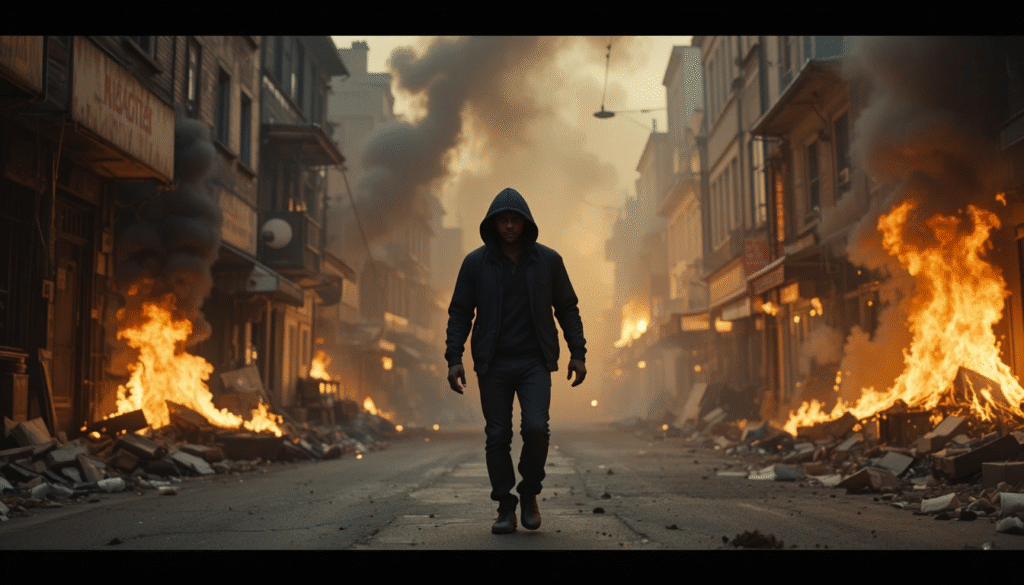
When the city loses control, everything changes in seconds. It’s like one minute you’re just walking home, and the next, it’s sirens, shouting, and smoke filling the streets. That’s when people stop thinking and start reacting—and that’s dangerous. Most folks freeze or panic because they’ve never been in real chaos before. What you’re gonna wanna do is learn how to move calm, quiet, and invisible—like you’ve already been through it before.
DOES MUAY THAI SUCK FOR SELF DEFENSE?
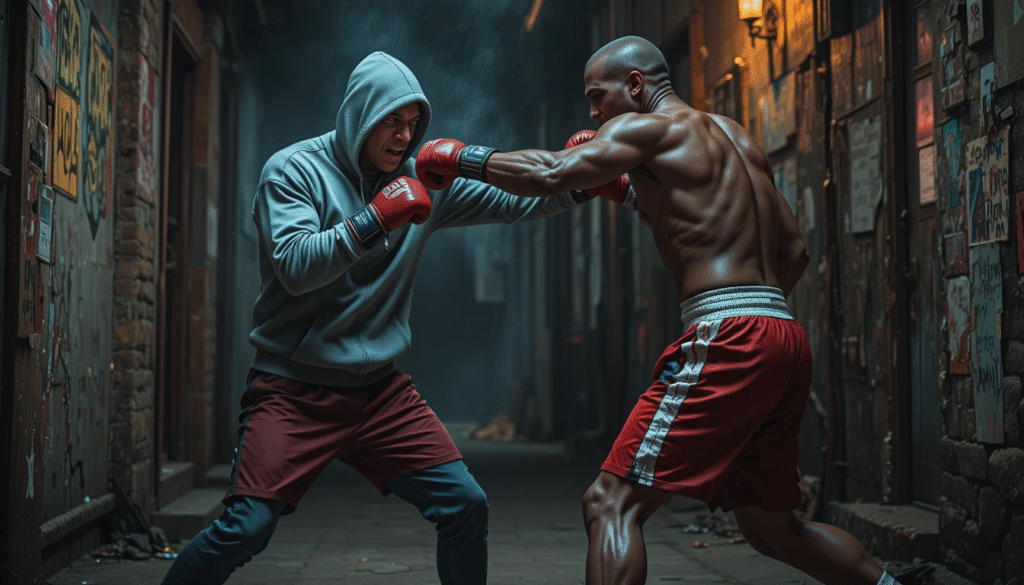
Home About Me Gallery Blog Mental Health Nature Decoded Disaster Preparedness Be Your Own Boss Self Defense featured Podcast Videos Shorts Self Defense Survival Motivation Herbal Remedies Live Streams Digital Dojo Mental Health Hacks Meditation & Relaxation Sleep Sounds Self Defense Survival Lessons From Nature Primal Fitness Tech Review: Urban & Wilderness Tech for Survival Shop Recommendations Self Defense Gear Prepper Gear Survival Garden Natural Healing Fitness Equipment Supplements Apparel Mugs and Tunblers Phone Cases Digital Downloads Studio CBP Courses Brand Building & Business Blueprinting Website Creation Creative Design Content Editing & Media Production Memberships Donations Calendar Chatroom Forum X Popular DOES MUAY THAI SUCK FOR SELF DEFENSE? Will Muay Thai Help You In a Self Defense Situtation Look, Muay Thai looks flashy, but the streets don’t give a damn about style points. What you’re gonna wanna know is how it works when you don’t have a ring, rules, or a referee. It’s brutal, close, and it can absolutely save your ass — if you train the right way. I’m gonna break it down in 8 sections so you can see the truth of Muay Thai in real-world survival. 1. Clinch Control Muay Thai clinch isn’t just for fancy sparring — it’s about controlling someone trying to crush you. You can stop strikes and create openings to knee or elbow without letting them land their shots. It also buys you time to disengage if the fight isn’t worth it. In the streets, being able to dictate range is survival, plain and simple. EXAMPLE: A bigger attacker rushes you in a narrow alley — you grab the clinch, trap their head, and drive a knee into their midsection while backing toward an exit. Bottom line: Clinch control lets you fight smart and create your escape. Check out my martial art gear recommendations 2. Knees and Elbows Knees and elbows are short-range wrecking balls you always carry on your body. They’re devastating if you hit the right spots, and don’t require much space to be effective. Unlike high kicks, you can deploy them even on uneven ground or inside a car. Using them correctly can end a fight fast and save you from unnecessary damage. EXAMPLE: Someone grabs your shoulders trying to overpower you — you drive a sharp elbow to the jaw, immediately forcing them to release. Bottom line: Elbows and knees turn minimal space into maximum damage. 3. Low Kicks Muay Thai low kicks aren’t about looking pretty — they’re about stopping movement. Hit the legs, and you reduce the attacker’s mobility, giving you an advantage. In real fights, slowing them down is often better than landing flashy head kicks. Legs carry the body, and disabling them changes the fight instantly. EXAMPLE: An aggressive attacker steps in — you sweep a low kick to their thigh and slow their advance, giving yourself room to back off. Bottom line: Low kicks cripple movement and create breathing room. Check out my martial art gear recommendations 4. High Kicks Are Risky High kicks look cool, but they leave you off-balance and exposed. On the street, uneven surfaces or a grab can make a spinning head kick deadly for you, not them. Don’t rely on flash — stick to strikes that keep your base solid. You need balance more than style when survival is the goal. EXAMPLE: Attempting a head kick on uneven pavement — the attacker catches your leg and you almost go down. Bottom line: High kicks are flashy, not reliable for survival. 5. Ground Vulnerability Muay Thai focuses almost entirely on stand-up striking. If the fight goes to the ground, you’re not as prepared as someone trained in grappling. Streets aren’t padded mats — falling can end the fight against you. Knowing when to disengage or transition to a ground escape is critical. EXAMPLE: After trading punches, a grappler takes you down — you scramble and get mounted because you never trained ground escapes. Bottom line: Striking alone won’t save you on the ground. Check out my martial art gear recommendations 6. Multiple Attackers Muay Thai is primarily one-on-one combat. Against multiple opponents, the style’s power becomes limited. You need to move, create distance, and pick fights smartly. Street survival is about avoidance and positioning, not just hitting harder. EXAMPLE: Two attackers close in on you while you’re on a sidewalk — you use low kicks and lateral movement to slip past and avoid getting surrounded. Bottom line: Awareness and movement beat pure technique in chaos. 7. Realistic Sparring Matters Sport-style Muay Thai can give you form, but street fights don’t play by rules. Realistic sparring with pressure and unpredictability is what teaches survival instincts. If you train like it’s a ring-only competition, you’ll get caught off guard. Street fighting isn’t elegant — it’s survival, ugly and raw. EXAMPLE: You hesitate expecting a “fair play” strike from your opponent — they hit anyway, leaving you stunned. Bottom line: Train chaotic, messy, and under stress to survive. Check out my martial art gear recommendations 8. Mental Toughness Muay Thai conditions more than your body — it builds a mindset. Being calm under pressure, knowing how to strike, and respecting distance are huge advantages. Even simple strikes become lethal when paired with focus and nerves of steel. Survival is as much mental as it is physical. EXAMPLE: In a sudden mugging, you stay calm, throw a clean knee, and step back to exit without losing your footing. Bottom line: Mental toughness turns skill into survival. Outro Conclusion: So, does Muay Thai suck for self-defense? Hell no. It’s brutal, efficient, and the techniques transfer straight to survival scenarios. But it ain’t perfect — you need low kicks, clinch mastery, awareness, and mental toughness. Blend it with ground escapes, multi-attacker strategy, and realistic sparring, and suddenly you’ve got a tool that can literally save your life. LISTEN NOW GEAR SHOP TWITCH DISCORD VIEW THIS ARTICLE ON YOUTUBE FOLLOW ON SPOTIFY ADVERTISEMENT Learn More ADVERTISEMENT Learn More ADVERTISEMENT Learn More ADVERTISEMENT Learn More VISIT ME
When the Grid Goes Dark
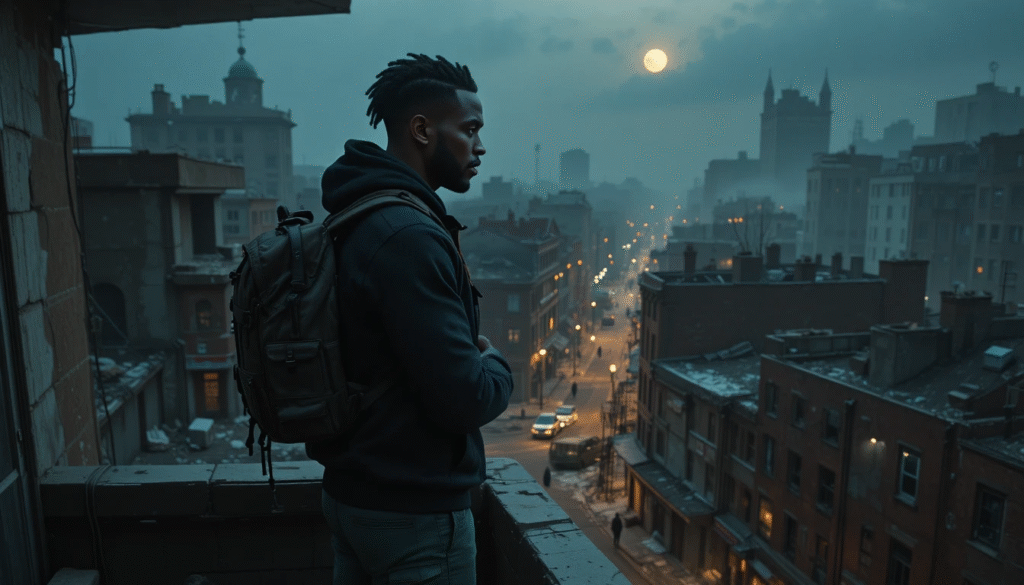
Home About Me Gallery Blog Mental Health Nature Decoded Disaster Preparedness Be Your Own Boss Self Defense featured Podcast Videos Shorts Self Defense Survival Motivation Herbal Remedies Live Streams Digital Dojo Mental Health Hacks Meditation & Relaxation Sleep Sounds Self Defense Survival Lessons From Nature Primal Fitness Tech Review: Urban & Wilderness Tech for Survival Shop Recommendations Self Defense Gear Prepper Gear Survival Garden Natural Healing Fitness Equipment Supplements Apparel Mugs and Tunblers Phone Cases Digital Downloads Studio CBP Courses Brand Building & Business Blueprinting Website Creation Creative Design Content Editing & Media Production Memberships Donations Calendar Chatroom Forum X Popular HOW TO SURVIVE WHEN THE GRID GOES DARK Surviving when power vanishes overnight. People think “power outage” means a few hours of inconvenience — candles, flashlights, maybe a dead phone. But when the grid really goes down, it’s not just your lights — it’s your entire way of life that disappears. No ATMs, no gas pumps, no hospitals running full power, no communication. The silence hits first, then the panic, then the violence. The smart ones? They already moved like the grid might never come back. That’s what this is about — how to think and move when the power that runs the modern world shuts off. 1. Understanding What the Grid Really Is Most people underestimate how fragile it all is. The power grid isn’t one machine — it’s millions of interconnected systems relying on perfect coordination. Take out a few key transformers or overload a few substations, and it’s game over for entire regions. What’s worse, you can’t just “flip it back on.” Restarting the grid can take weeks or months, not hours. People assume backup generators will save them — but those depend on fuel, which depends on the same grid for distribution. Imagine being stuck in a 30-story apartment when the lights cut out, elevators dead, phones fading, and no one coming up the stairs with answers. 2. The First 24 Hours The first day decides whether you stay ahead or join the panic. When power goes out, your first priority isn’t to light candles — it’s to secure information, water, and safety. Treat it like a full-scale crisis from the first minute, because by the time officials admit it’s serious, it already is. Many people waste time waiting for updates instead of moving; information delay kills faster than hunger. A family in Texas once lost power for just three days during a cold snap — by night two, water pipes burst, stores emptied, and roads froze solid. 3. Communication Collapse When the grid fails, so do the cell towers and the internet that keep people “connected.” Your lifeline is gone. You can’t call for help, can’t check the news, can’t verify rumors. In that silence, panic spreads faster than truth. You need alternate channels — radios, local meet points, and a team who knows what to do without a text message telling them. Most people think “I’ll just use my phone battery carefully.” Problem is, towers die long before your phone does. Picture walking out of your building and seeing everyone staring at dead screens — no service, no info, just fear and confusion. 4. Water: The Real First Priority When electricity dies, water pumps stop too. The taps dry up, toilets back up, and panic sets in. Within 24 hours, most people realize they’ve got a lot less drinkable water than they thought. Store water now, before you ever need it. If you’re caught unprepared, start collecting and purifying immediately. Many underestimate how fast city water systems fail without pressure or power — it’s not days, it’s hours. A man in Detroit once filled his bathtub the second power went down during a storm — that one move kept his family alive for a week. 5. Food and Refrigeration Everything in your fridge has a timer on it now. The moment the power cuts, the clock starts ticking. Prioritize eating perishables first and ration dry or canned goods later. Don’t open the fridge unless you have to — it holds the cold for only a few hours. You can bury sealed items underground or use natural cooling spots to preserve them longer. People think they can just “cook it all and store it.” Without cooling, cooked food spoils faster than raw. A couple in New Orleans lost power after a hurricane — they cooked their meat, stored it outside, and got food poisoning two days later. 6. Security Becomes Survival When lights go out, crime spikes instantly. No alarms, no cameras, no cops responding fast — just opportunity. You need to control your light discipline, sound, and visibility. Blackout curtains, minimal noise, and a plan for defense. Even good neighborhoods change fast when night lasts too long. People assume “my neighbors are cool” until resources get scarce. Desperation changes people overnight. Picture a dark street where everyone’s windows glow but yours stays black — you just became invisible while they became targets. 7. Heat and Light the Smart Way Candles cause more fires in blackouts than anything else. Learn to light your space with minimal risk — LED lanterns, solar lamps, and chemical light sticks. For warmth, body heat and insulation matter more than flames. A cold night in the dark is bearable with planning — deadly without it. People light too many candles or use propane heaters indoors — and end up suffocating or burning down their house. A prepper in Maine survived a week-long outage using just a tent inside his living room, sleeping bags, and one small camp stove outside. 8. Long-Term Adaptation If power doesn’t come back, you’re not just surviving — you’re rebuilding. You’ll need to think beyond batteries and flashlights. Bartering, gardening, local defense, and manual tools become the new grid. The mindset shift is brutal: from consumer to creator, from dependent to dangerous. The ones who adapt fast lead; the rest fade. Most people think the grid will always come back — but history shows
How to Master the Survival Squat
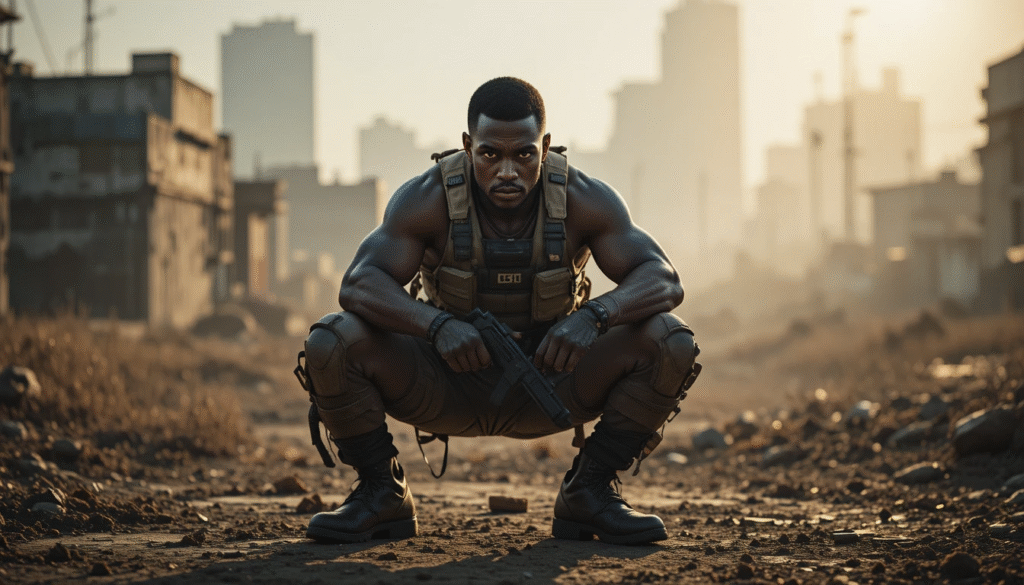
Survival isn’t about what looks cool, it’s about what works. In this breakdown of machete vs hatchet, we cut through the hype and show which blade really gives you the edge when survival gets real.
Why Boxing Sucks for Self-Defense
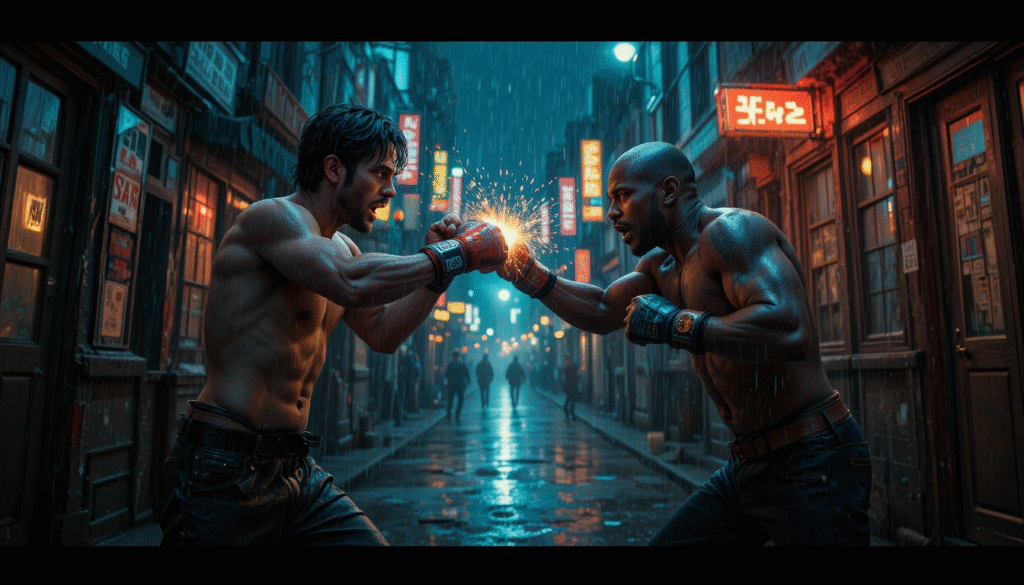
Survival isn’t about what looks cool, it’s about what works. In this breakdown of machete vs hatchet, we cut through the hype and show which blade really gives you the edge when survival gets real.
These 8 reasons will make you consider learning knife combat for self defense.
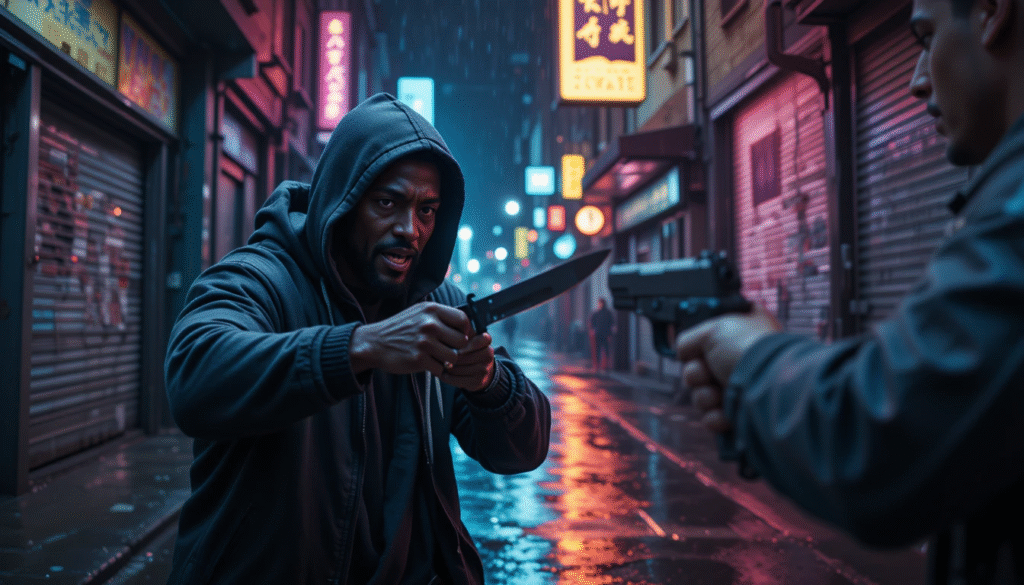
Home About Me Blog Mental Health Nature Decoded Disaster Preparedness Be Your Own Boss Self Defense featured Podcast Videos Shorts Self Defense Survival Motivation Herbal Remedies Live Streams Digital Dojo Digital Dojo Live Mental Health Hacks Meditation & Relaxation Sleep Sounds Self Defense Survival Lessons From Nature Primal Fitness Tech Review: Urban & Wilderness Tech for Survival Shop Get It On Amazon Self Defense Gear Prepper Gear Survival Garden Natural Healing Fitness Equipment Digital Downloads Stickers and Decals Mugs and Tunblers Apparel Supplements Studio Memberships Donations X Popular Knife vs. Gun: 8 Reasons Knives are a Better Option in Close Quarters These 8 reasons will make you consider learning knife combat for self defense. The classic adage, famously uttered by Sean Connery in the film “The Untouchables,” pits guns against knives with the timeless wisdom: “Don’t bring a knife to a gun fight.” Knife vs. Gun While this maxim holds its ground in many situations, it fails to address the nuances of close-quarters combat, where knives often emerge as the more favorable choice. In such confined scenarios, possessing an edged weapon can make all the difference between self-preservation and vulnerability. Let’s delve into eight compelling reasons why knives outshine guns when the battlefield narrows, potentially settling the age-old debate of knives versus guns once and for all. The 21-Foot Rule Law enforcement has long relied on the 21-foot rule, which posits that an assailant wielding a knife can cover 21 feet in the time it takes to draw and fire a gun. This rule underscores the immense pressure on someone trying to draw a firearm in such situations. Recent research from Minnesota State University-Mankato suggests that the actual distance covered can exceed 21 feet, making it essential to equip officers with edge tools as viable alternatives. No Line of Fire Firearms require a clear line of fire to be effective, a luxury seldom found in close quarters. In contrast, knives can be tactically deployed with precision in various ways, minimizing the risk of missing the target. If You Miss…: In cinematic depictions, individuals miraculously manage to draw and fire a gun in the nick of time to thwart an attack. Real-life encounters, however, often feature fast-moving adversaries who close in too rapidly for a drawn gun to be effective. Even if you do manage to fire, there’s no guarantee of hitting your assailant, rendering you defenseless as they encroach. Ammunition Not Needed Unlike firearms, knives are always “loaded,” ready for action no matter how many times they’re used. Fast Learner Almost anyone can wield a knife effectively with minimal training, as slashing and cutting with a blade are instinctive actions. In contrast, mastering the use of a firearm demands a steeper learning curve. No Warning, Just Action A knife’s deployment is swift and silent, lacking the need to load, manipulate safeties, or squeeze a trigger. This immediacy proves invaluable in high-stress crises, where time is limited, and maneuvering space is constrained. Knife vs. Gun: The Lethal Force Question Responding to an attacker with a firearm often leaves you with one stark option: employing maximum, sometimes lethal, force. A knife, while also lethal, offers a more versatile weapon capable of diverse defensive strategies. Better Defense: Effective self-defense starts with situational awareness. If confronted by a knife-wielding assailant, prioritizing your safety over drawing a weapon is paramount. Assess the distance between you and your attacker and focus on creating space while avoiding the initial assault. Attempting to draw a weapon without these precautions can lead to injury. As you evade the initial attack, prepare to draw your knife or defensive tool for tactical defense. These reasons collectively emphasize the effectiveness of knives in close quarters. While no one disputes the value of guns for security, the possession and mastery of a knife provide a broader range of options when your primary goal is self-preservation. Achieving the best chance of survival involves diligent practice until knife usage becomes second nature and muscle memory. Seek a proficient instructor, obtain practice knives, and commit to rigorous training. Versatile Utility: Knives in Close Quarters In close-quarters confrontations, knives offer a distinctive advantage beyond their immediate lethality. They can double as versatile tools for non-lethal purposes, such as cutting restraints or crafting improvised barriers. This adaptability, combined with their swift deployment and minimal reliance on ammunition, underscores the value of knives as not just weapons but multi-functional instruments in situations where quick decision-making can spell the difference between life and death. LISTEN NOW GEAR SHOP TWITCH DISCORD Follow on Spotify ADVERTISEMENT Learn More ADVERTISEMENT Learn More VISIT ME ON YOUTUBE! ADVERTISEMENT Learn More ADVERTISEMENT Learn More RELATED POST urbanwarriorsurvival.com 11 August 2025 featured Mental Health These 8 reasons will make you consider learning knife combat for self defense. urbanwarriorsurvival.com 8 August 2025 featured Mental Health 7 Ways to Keep Calm in a Crisis urbanwarriorsurvival.com 30 July 2025 Disaster Preparedness featured When the Ground Shakes and the Ocean Roars: How to Survive an Earthquake Tsunami urbanwarriorsurvival.com 28 July 2025 featured Self Defense 10 Ways Martial Arts Can Transform The Mind, Body, and Spirit For Survival urbanwarriorsurvival.com 15 July 2025 featured Mental Health 6 Simple Breathing Practices That Can Helped You Fight Depression urbanwarriorsurvival.com 13 July 2025 featured Nature Decoded The World Is Fair. Society Isn’t. And It’s Killing Civilization. Social Networks Facebook Twitter Instagram B.Roc Survival Podcast Discord Patreon Pinterest Youtube Links List Help Center Community Forums Blog Meetups B.Roc Survival Inc. All rights reserved
10 Ways Martial Arts Can Transform The Mind, Body, and Spirit For Survival
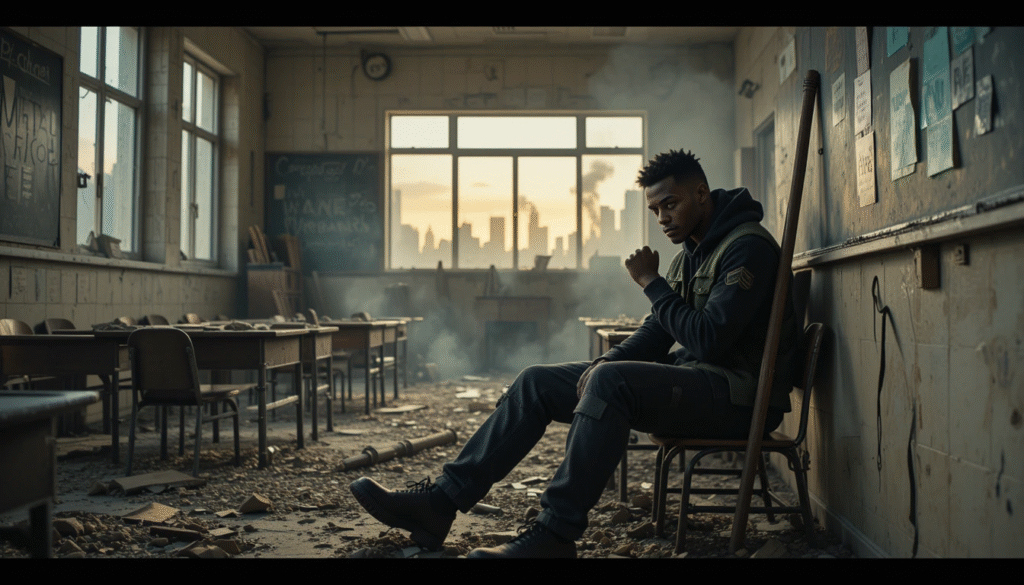
Home About Me Blog Mental Health Decoded Disaster Preparedness Be Your Own Boss Self Defense featured Podcast Videos Shorts Self Defense Survival Motivation Herbal Remedies Live Streams Digital Dojo Digital Dojo Live Mental Health Hacks Meditation & Relaxation Sleep Sounds Self Defense Survival Lessons From Nature Primal Fitness Tech Review: Urban & Wilderness Tech for Survival Shop Get It On Amazon Self Defense Gear Prepper Gear Survival Garden Natural Healing Fitness Equipment Ebooks Stickers and Decals Mugs and Tunblers Apparel Supplements Studio Memberships Donations X Popular 10 Ways Martial Arts Can Transform The Mind, Body, and Spirit For Survival 10 Martial Arts Habits That Will Keep You Alive When the World Falls Apart I didn’t step onto the mat looking for a philosophy—I was looking for an edge. I wanted to survive in a world that doesn’t care if you’re ready or not. I didn’t want to be a victim. I wanted to be prepared. But martial arts didn’t just teach me how to throw a punch or block an attack. It taught me how to think like a survivor. In training, I found confidence under pressure. In discipline, I found freedom. And in ancient techniques, I found tools that could save my life—and yours—if the world ever goes sideways. Here are 10 ways martial arts turned me into a warrior ready for the unknown—and how it can do the same for you. 1. Meditation Before Movement: Mental Prep Before the Storm Every class began with breath and stillness. At first, I didn’t get it—why sit still when we could be training to fight? But survival isn’t just physical—it’s mental. The ability to quiet your mind, assess danger, and act without panic is what separates survivors from statistics. Practicing mindfulness daily helps you stay calm when everything around you is chaos. If the grid went down tomorrow, you’d want your head clear, not cluttered. 2. Breathwork for High-Stress Survival Scenarios In a real fight—or disaster—panic can kill you. Martial arts taught me how to breathe through adrenaline. Sparring forces you to control your breath while being hit, pushed, or overwhelmed. That same breath control kicks in when you’re stuck in a tight space, injured, or running for your life. Panic shortens breath. Practice makes it automatic. Master your breath, master the moment. 3. Energy Awareness Through Kata: Reading Movement to Read Threats Kata isn’t just choreography—it’s pattern recognition. When you practice deliberate movement, you develop the ability to read energy, balance, and body cues in others. That translates to threat detection in real life: reading someone’s posture, tension, or intent before they act. In a crowd, during a standoff, or walking past a stranger—this awareness keeps you one step ahead. 4. Facing Fear Through Controlled Combat Most people freeze during confrontation. Martial arts forced me to feel fear on purpose—and move anyway. Sparring puts you in close-quarters chaos, but teaches you to keep thinking, breathing, adapting. That training shows up when you’re cornered, confronted, or facing injury in the wild. You don’t shut down—you scan, shift, survive. 5. Channeling Aggression Into Tactical Precision Survival isn’t about rage. It’s about control. Martial arts took my natural aggression and turned it into focused execution. You learn when to act—and when to wait. Whether you’re defending your home or escaping a trap, the ability to act with precision under pressure can save lives. Wild energy wastes time. Trained energy hits the target. 6. The Humility of Defeat Builds Resilience Getting slammed to the mat over and over teaches you one thing fast: adapt or perish. Survival is about resilience. You won’t always win the first round. Martial arts gave me a relationship with failure—and the strength to get up smarter. Out in the real world, setbacks happen. Food shortages, injuries, hostile people—what matters is your response. 7. Body Awareness = Injury Prevention & Efficient Movement Before training, I didn’t know how inefficient my movement was. Martial arts made me hyper-aware of posture, balance, and stress signals from my body. That awareness keeps you from blowing out a knee while running or pulling a muscle while lifting gear. In a survival scenario, the body is your most vital tool—if it breaks down, everything else does too. 8. Discipline Becomes Your Greatest Survival Tool Training when you’re sore, tired, or discouraged builds mental armor. That same discipline helps you wake up early to check your perimeter, ration food correctly, or keep walking when others quit. Martial arts made me do it anyway—and in survival, that mindset keeps you alive. Consistency outlasts chaos. 9. Learning to Respect Life Sharpens Your Judgment Knowing how to injure—or kill—makes you think twice before reacting. Martial arts taught me that survival isn’t about looking for violence, but about avoiding it unless there’s no other way. You develop judgment. In the wild or on the street, knowing when to fight and when to flee isn’t weakness—it’s wisdom. 10. Inner Peace Through Repetition Builds a Calm Under Fire Repeating moves thousands of times taught me something I never expected: peace. The same repetition that sharpens skill also calms the nervous system. When you’ve drilled a movement into muscle memory, you act without hesitation. That calm is golden during emergencies. Repetition isn’t just training—it’s programming for survival. Conclusion: Martial Arts is Survival Training in Disguise I didn’t learn martial arts to feel enlightened—I learned it to stay alive. But the byproduct was a sharp mind, calm breath, tactical awareness, and physical skill that I carry into every part of life now. In a real crisis, people panic. But if you’ve trained, your body remembers. You react with clarity, not chaos. Whether you’re prepping for societal collapse, wilderness emergencies, or just want to defend your family when things go bad—martial arts gives you the edge. It’s not about belts. It’s about being the weapon when tools fail and plans fall apart. So train. Move. Breathe. Repeat. The world might not give you a warning—but you can still be ready. LISTEN NOW GEAR
The Psychology of Combat: How Martial Arts Trains Your Mind for Real-World Challenges

Home About Me Tactical Feed Blog Mental Health Decoded Disaster Preparedness Living Off the Grid Be Your Own Boss Self Defense featured Podcast Videos Shorts Self Defense Survival Motivation Herbal Remedies Videos Self Defense Survival Motivation Videos Conspiracy Videos Meditation & Relaxation Digital Dojo Digital Dojo Live Tactical Wealth Shop Ebooks Stickers and Decals Mugs and Tunblers Apparel Supplements Affiliate Links Self Defense Gear Prepper Gear Survival Garden Natural Healing Fitness Equipment Memberships Donations X Facebook Instapaper Twitter Popular The Psychology of Combat: How Martial Arts Trains Your Mind for Real-World Challenges Master your mind, not just your moves. Martial arts isn’t just about kicks, punches, or takedowns. At its core, it’s a discipline that sharpens the mind as much as the body. In fact, some of the greatest benefits come from what happens between the strikes—the development of mental clarity, emotional control, and the ability to stay calm in the face of chaos. This is why martial arts has always been more than just self-defense; it’s psychological warfare training for the modern world. In today’s Martial Arts Monday, let’s dive into how martial arts shapes the mindset of a warrior—on and off the mat. 1. Mental Toughness Through Repetition and Discipline Martial arts thrives on consistency. Whether it’s throwing a jab a thousand times or practicing a kata until it becomes second nature, repetition builds not just muscle memory but mental endurance. Every session teaches you to push past mental fatigue, ignore distractions, and keep going when your body wants to quit. Benefits: Trains your brain to resist instant gratification Builds a mindset of persistence and patience Helps develop laser-sharp focus over time 2. Emotional Control Under Pressure In a sparring match or real confrontation, emotions can run wild. Fear, anger, anxiety—they all threaten to take control. Martial arts forces you to manage your emotions while under physical stress, teaching you to stay centered in chaos. How it helps: Teaches you to pause before reacting Increases awareness of emotional triggers Builds resilience in high-stress environments 3. The Breathing Advantage: Control Through the Breath Proper breathing is the hidden weapon in every martial artist’s arsenal. Deep, controlled breathing helps regulate the nervous system, calms the mind, and delivers oxygen to the brain when you need it most. This tool isn’t just for fights—it’s for job interviews, arguments, and everyday stressful moments. Breathing benefits include: Calms your fight-or-flight response Helps maintain clarity during conflict Improves endurance and timing 4. Situational Awareness and Strategic Thinking Martial arts isn’t just about brute force. It’s about reading your opponent, recognizing patterns, and making split-second decisions. Over time, this teaches you how to observe your environment more effectively and think multiple steps ahead—like a mental chess game. Real-world parallels: Helps you assess danger quickly and respond smartly Trains the brain to stay alert in unfamiliar settings Builds confidence in public and social situations 5. Applying Martial Arts Philosophy to Daily Life Most traditional martial arts come with deep philosophies—discipline, respect, humility, and integrity. These values aren’t just for the dojo. They’re guideposts for navigating life with intention and power. Examples: Using patience instead of aggression in conversations Showing respect even when you disagree Practicing humility while still standing your ground Conclusion: The Warrior’s Mindset Isn’t Just for Fighters Martial arts is a form of mental training that extends far beyond physical combat. It teaches you how to stay centered when life throws punches, how to respond instead of react, and how to carry yourself with quiet power. The more you train, the more you realize: it’s not just about winning a fight—it’s about mastering yourself. Follow on Spotify ADVERTISEMENT Learn More ADVERTISEMENT Learn More VISIT ME ON YOUTUBE! ADVERTISEMENT Learn More ADVERTISEMENT Learn More RELATED POST urbanwarriorsurvival.com 5 May 2025 Blog Disaster Preparedness The Psychology of Combat: How Martial Arts Trains Your Mind for Real-World Challenges urbanwarriorsurvival.com 4 May 2025 Blog Disaster Preparedness The Mindset You Need to Survive When SHTF urbanwarriorsurvival.com 3 May 2025 Blog Supernatural Survival What You Need To Do If Alien Disclosure Happens urbanwarriorsurvival.com 2 May 2025 Blog Primal Fitness Fitness and Nutrition Secrets for Survivalists You Need To Know urbanwarriorsurvival.com 26 April 2025 Blog Supernatural Survival What to Do If Alien Disclosure Happens: Stay Calm, Stay Ready urbanwarriorsurvival.com 25 April 2025 Blog Self Defense How To Train Like a Predator, Not Prey Address List 123, Any Street NorthYour City NameCountry Name. P.O 3554 +1 234 567 8902 Urban Warrior Survival Social Networks Facebook Twitter Instagram B.Roc Survival Podcast Discord Patreon Pinterest Youtube Links List Help Center Community Forums Blog Meetups B.Roc Survival Inc. All rights reserved
How To Train Like a Predator, Not Prey

Home About Us Blog Mental Health Decoded Worse Case Scenario Living Off the Grid Be Your Own Boss Self Defense featured Podcast Videos Shorts Self Defense Survival Motivation Herbal Remedies Videos Self Defense Survival Motivation Videos Conspiracy Videos Meditation & Relaxation Digital Dojo Digital Dojo Live Shop Self Defense Gear Prepper Gear Survival Garden Ebooks Mugs and Tunblers Stickers and Decals Apparel Supplements Contact Memberships Donations Privacy Policy X Facebook Instapaper Twitter Popular Train Like a Predator, Not Prey: Unlocking the Animal Within Unleash Your Inner Beast: Train Like a Predator, Not Prey. In the wild, the difference between a predator and prey isn’t just speed or strength—it’s mindset, movement, and presence. In today’s modern world, most people train like prey. They run on treadmills, zone out with headphones, and isolate muscles that were never meant to work alone. But you’re not like most people. You’re an Urban Warrior. A primal force. And to survive what’s coming, you need to move, think, and train like a predator. This is your guide to unlocking the animal within. 1. The Predator Mindset: Intent Over Instinct A predator doesn’t wander aimlessly—it stalks, plans, and strikes. This isn’t just about workouts; it’s about mental focus and purpose-driven movement. Train Your Mind Like a Hunter: Start every session with a mission: agility, power, endurance, or stealth Practice visualization before you move—see the hunt, feel the strike Train in silence sometimes to sharpen your internal awareness 2. Ditch the Gym Rat Routine: Move Like Nature Intended Predators don’t use machines. They climb, crawl, leap, drag, and strike. You need compound, functional movement that mimics real-world survival—not cable curls and crunches. Predator Movement Patterns: Crawl: bear crawl, lizard crawl, panther walk (engages core and coordination) Jump: broad jumps, single-leg bounds, box jumps (build explosive power) Climb & Hang: monkey bar work, rope climbs, tree climbs (develop grip + upper body) Strike & Evade: shadowboxing, heavy bag work, footwork drills 3. Train in Nature, Not Just the Gym The wild is your true training ground. Uneven terrain, weather, and real obstacles activate muscles and instincts machines can’t touch. Take It Outside: Trail runs over treadmill jogs Tree branches instead of pull-up bars River rock carries instead of kettlebells Sand, dirt, wind, and sweat—embrace the raw 4. Sprint Like You Hunt Forget long, slow cardio. Predators use short, violent bursts of energy to chase, strike, or escape. This builds fast-twitch muscle fibers, burns fat, and hardens your nervous system for action. Sprint Workouts: 6 x 40-yard sprints with 30 sec rest Hill or stair sprints (add weight once mastered) Shuttle runs with direction changes 5. Tap Into Your Inner Beast with Breath & Awareness Predators don’t panic—they breathe, observe, and control their energy. Use breathwork to anchor yourself, increase endurance, and recover faster. Breath Practices: Box breathing (inhale 4, hold 4, exhale 4, hold 4) before training Power breathing (Wim Hof style) to boost energy Nasal breathing during movement to stay centered and efficient 6. Lift With Purpose: Survival Strength Over Aesthetics It’s not about beach muscles—it’s about functional, primal power. You’re training to lift, drag, carry, and survive, not just flex. Primal Lifting Examples: Log or stone carries Sandbag shouldering and slams Farmer’s walks with heavy implements One-arm push-ups and pistol squats Unlock the Animal Within The truth is—you were never meant to live or move like prey. Inside your DNA is the memory of hunters, warriors, and wild souls. Training like a predator isn’t just a workout plan—it’s a way of life. It’s time to awaken that primal force. The streets may look civilized, but survival still favors the strong, the fast, and the focused. Your Next Move: Try this Predator Circuit:3 Rounds: 20-yard bear crawl 10 broad jumps 5 sandbag shouldering (each side) 3 pull-ups + 10-second dead hang 1-minute shadowbox finisher Cool down with: nasal breathing + 5-minute barefoot walk on natural ground. You’re not here to survive—you’re here to dominate.Train like a predator. Unlock the animal within. Follow on Spotify ADVERTISEMENT Learn More ADVERTISEMENT Learn More VISIT ME ON YOUTUBE! ADVERTISEMENT Learn More ADVERTISEMENT Learn More RELATED POST urbanwarriorsurvival.com 25 April 2025 Blog Self Defense How To Train Like a Predator, Not Prey urbanwarriorsurvival.com 24 April 2025 Blog Self Defense The Urban Survival Tool You Didn’t Know You Needed urbanwarriorsurvival.com 23 April 2025 Blog Primal Fitness How To Survive a Full-Blown Recession urbanwarriorsurvival.com 18 April 2025 Blog Primal Fitness 7 Best Workout Styles for Adventurous People Focused on Weight Loss urbanwarriorsurvival.com 16 April 2025 Blog Self Defense Top 9 Self-Defense Items Every Hiker Should Carry urbanwarriorsurvival.com 16 April 2025 Blog Natural Healing 15 Essential Items Every New Hiker Should Pack Address List 123, Any Street NorthYour City NameCountry Name. P.O 3554 +1 234 567 8902 Urban Warrior Survival Social Networks Facebook Twitter Instagram B.Roc Survival Podcast Discord Patreon Pinterest Youtube Links List Help Center Community Forums Blog Meetups B.Roc Survival Inc. All rights reserved
The Urban Survival Tool You Didn’t Know You Needed

Home About Us Blog Mental Health Decoded Worse Case Scenario Technology Financial Freedom Self Defense featured Podcast Videos Shorts Self Defense Survival Motivation Herbal Remedies Videos Self Defense Survival Motivation Videos Conspiracy Videos Meditation & Relaxation Digital Dojo Digital Dojo Live Shop Self Defense Gear Prepper Gear Survival Garden Ebooks Mugs and Tunblers Stickers and Decals Apparel Supplements Contact Memberships Donations Privacy Policy X Popular The Urban Survival Tool You Didn’t Know You Needed More than just light—this tool could save your life. Why a Tactical Flashlight Belongs in Every Urban Survival Kit In the world of survival, visibility is power. But in the urban jungle, it’s not enough to just see—you need to intimidate, escape, defend, and adapt. That’s where the tactical flashlight shines. This isn’t your average household flashlight. It’s a compact, rugged, multi-functional tool that can serve as your guide through a blackout, a weapon in a self-defense scenario, and even a charger in a grid-down situation. What Makes It “Tactical”? A real tactical flashlight is designed for high-stress, high-risk environments. It’s built for more than convenience—it’s built for survival. Here’s what separates a tactical flashlight from the cheap ones in your junk drawer: Blinding Lumens: Most tactical flashlights start at 1000 lumens, enough to temporarily blind an attacker or light up a dark alley or stairwell. Strobe & SOS Modes: These features disorient threats or signal for help in emergencies. Glass Breaker Tip: The reinforced bezel can smash through car windows, apartment glass, or barriers in case you’re trapped or need to get in (or out). Self-Defense Capabilities: Its solid aluminum body allows it to be used as a kubotan-style striking weapon in close encounters. Rechargeable Power Bank: Some models double as a power source for your phone or radio—vital during long-term power outages. Multiple Charging Methods: Look for flashlights that recharge via USB-C, solar panels, or even hand cranks. When the grid is down, versatility keeps you ready. Waterproof & Shockproof: Built to withstand drops, floods, and the chaos of real-world survival. Real Urban Scenarios Where It Saves the Day A tactical flashlight isn’t just for “what ifs.” These are real-world moments where this tool becomes a game-changer: Citywide Blackouts: Light your path, signal your position, and defend yourself—all with one tool. Car Accidents: Smash a stuck window, find a child or gear in the dark, or call for help with an SOS light. Late-Night Walks or Commutes: A bright beam and solid build act as a deterrent to threats or predators in dim parking garages or sketchy sidewalks. Protests, Riots, or Building Lockdowns: Tactical flashlights offer both protection and guidance when order breaks down. Bug-Out or Shelter-in-Place Situations: Keep one in your go-bag or nightstand for fast access when SHTF. How to Use It Like a Pro Don’t just carry it—train with it. A tool is only as good as the person holding it. Here’s how to integrate it into your daily readiness: Keep it in your EDC gear: Clipped to your belt, in your bag, or on your nightstand. Practice switching modes: Get comfortable using high-beam, strobe, and SOS in the dark. Use the glass breaker with force: Aim for corners of glass for easiest breaks. Charge it weekly: Don’t wait until an emergency. Make it a habit to check and top up your gear. Pair it with other EDC tools: Think knives, multitools, and compact radios—build your kit with synergy in mind. What to Look for When Buying One With hundreds of options online, here’s how to choose the right tactical flashlight for your survival needs: Minimum 1000 lumens brightness Rechargeable battery, preferably USB-C Glass breaker bezel (steel or tungsten preferred) IPX6+ waterproof rating Durable aerospace-grade aluminum body Strobe/SOS mode with a separate activation button Compact size that fits your hand but isn’t too small to use for striking Top Brands to Consider: Fenix – High-end, ultra-reliable Olight – Sleek designs with smart features Nitecore – Tactical and compact with insane brightness Streamlight – Trusted by law enforcement and EMTs Final Thoughts: Stay Lit, Stay Ready Urban survival isn’t about paranoia—it’s about preparation. In a crisis, you don’t get to choose what tools you have. You either have it, or you don’t. A tactical flashlight is one of those rare pieces of gear that earns its place in every setup. It gives you light, power, protection, and peace of mind—all in your pocket. So the question isn’t “Should I carry one?”It’s “Why haven’t I been carrying one already?” Ready to gear up?Check out my Tactical Flashlights Recommendations [click here] or shop the full Urban Warrior Survival Gear Guide to build your everyday edge. Follow on Spotify ADVERTISEMENT Learn More ADVERTISEMENT Learn More VISIT ME ON YOUTUBE! ADVERTISEMENT Learn More ADVERTISEMENT Learn More RELATED POST urbanwarriorsurvival.com 24 April 2025 Blog Self Defense The Urban Survival Tool You Didn’t Know You Needed urbanwarriorsurvival.com 23 April 2025 Blog Survival Fitness How To Survive a Full-Blown Recession urbanwarriorsurvival.com 18 April 2025 Blog Survival Fitness 7 Best Workout Styles for Adventurous People Focused on Weight Loss urbanwarriorsurvival.com 16 April 2025 Blog Self Defense Top 9 Self-Defense Items Every Hiker Should Carry urbanwarriorsurvival.com 16 April 2025 Blog Natural Healing 15 Essential Items Every New Hiker Should Pack urbanwarriorsurvival.com 15 April 2025 Blog Natural Healing Self-Healing for Survival: 10 Essential Techniques to Stay Healthy Off the Grid Address List 123, Any Street NorthYour City NameCountry Name. P.O 3554 +1 234 567 8902 Urban Warrior Survival Social Networks Facebook Twitter Instagram B.Roc Survival Podcast Discord Patreon Pinterest Youtube Links List Help Center Community Forums Blog Meetups B.Roc Survival Inc. All rights reserved