
When most people think about fitness, they picture a gym. Rows of machines. Mirrors. Protein shakes. Maybe somebody trying to add a little more weight to the bar than they can actually handle. There’s nothing wrong with that, but off-grid living demands a different kind of strength. It demands useful strength.
The reality is that living off the grid turns everyday life into physical work. Carrying water. Hauling firewood. Digging garden beds. Repairing fences. Maintaining equipment. Walking rough terrain. Building structures. None of these tasks care what your bench press is. They care whether your body can keep going when the work needs to get done.
A lot of people dream about becoming more self-reliant someday. They watch homesteading videos, survival channels, and preparedness content. But many forget one important truth: your body is one of your most important survival tools. If your body can’t keep up with the demands of an off-grid lifestyle, everything becomes harder.
The good news is that you don’t need expensive equipment or a fancy gym membership to build off-grid fitness. In fact, many of the best exercises are simple, practical movements that directly translate into real-world survival and self-reliance.
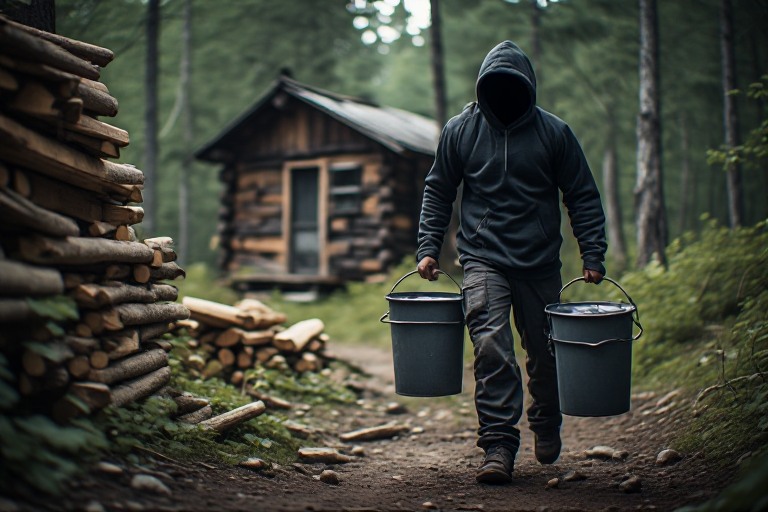
1. Loaded Carries
Loaded carries might be the single most useful exercise for off-grid living.
Think about how many things you’ll need to carry if you’re living independently. Water buckets. Firewood. Animal feed. Toolboxes. Fuel containers. Building materials. Harvest baskets from the garden. The list goes on and on.
What’s interesting is that carrying heavy objects isn’t just a grip exercise or a leg exercise. It’s everything at once. Your core works to stabilize your body. Your shoulders work to support the load. Your legs keep you moving. Your lungs and heart have to supply energy for the entire task.
Look, a lot of people train muscles separately. Real life doesn’t work that way. Real life requires multiple systems working together at the same time.
You don’t need fancy equipment either. Grab a couple of buckets and fill them with sand. Carry water jugs. Load up some bags. Use whatever you have available.
Tip: Walk 50–100 yards carrying challenging weight. Rest and repeat several times.
Why It Matters: Loaded carries develop practical strength that directly transfers to everyday off-grid tasks.

2. Rucking (Hiking with Weight)
If loaded carries are king, rucking is probably queen.
Rucking simply means walking with weight on your back. That’s it. Nothing fancy.
The reason it’s so valuable is because it combines strength and endurance into one activity. Off-grid life often requires long periods of movement while carrying supplies. Maybe you’re checking fences. Maybe you’re gathering firewood. Maybe you’re hiking to a water source. Whatever the situation, being able to move efficiently under load is a major advantage.
A lot of modern fitness programs separate cardio and strength training. Off-grid living doesn’t. Your body needs to perform both at the same time.
What you’re gonna wanna do is start small. Put 15 to 20 pounds in a backpack and go for a walk. Once that becomes easy, increase either the distance or the weight.
The goal isn’t speed. The goal is durability.
Tip: Aim for one or two weighted walks every week.
Why It Matters: Builds cardiovascular fitness, leg endurance, and mental resilience while preparing you for real-world movement.
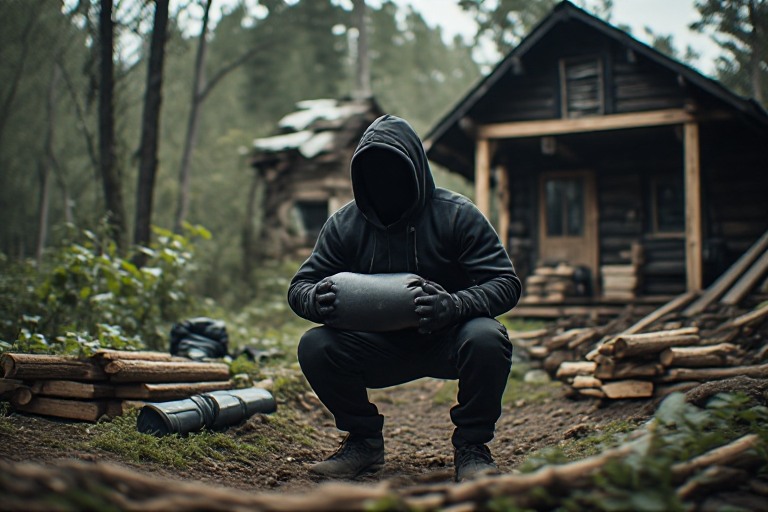
3. Squats
Every time you pick something up from the ground, you’re basically performing a squat.
Think about collecting firewood. Working in a garden. Lifting storage containers. Picking up tools. Filling buckets. Off-grid life involves constant bending and lifting.
Strong legs make every task easier.
Unfortunately, many people neglect lower-body training because they focus on upper-body appearance. The problem is that your legs are the engine of your body. Weak legs create limitations everywhere else.
Bodyweight squats are a great place to start. If you have access to weight, add sandbags, dumbbells, kettlebells, or even a loaded backpack.
One thing I like about squats is that they build strength while also improving mobility. That’s important because off-grid tasks often require awkward positions and uneven terrain.
Tip: Perform 3–4 sets of 10–20 repetitions depending on your fitness level.
Why It Matters: Strong legs improve lifting ability, endurance, balance, and injury prevention.
If you’re enjoying this article, check out the full Tactical Training Tuesday content on YouTube and join the Urban Warrior Survival community.
Get access to survival training, preparedness content, fitness strategies, and practical self-reliance skills. Don’t forget to grab your free monthly survival magazine and subscribe to the weekly newsletter at UrbanWarriorSurvival.com.
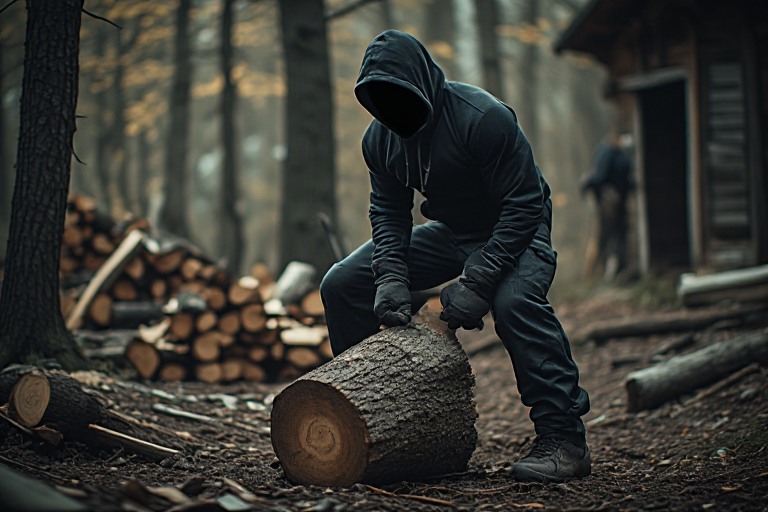
4. Deadlifts
If squats teach you how to lift from a lowered position, deadlifts teach you how to pick things up safely.
This matters more than people realize.
Back injuries are common because people lift incorrectly. One bad lift while moving firewood or carrying supplies can create problems that last for months.
Deadlifts teach proper mechanics.
They strengthen the glutes, hamstrings, lower back, core, and grip. More importantly, they teach your body how to generate power from the hips rather than placing excessive strain on the spine.
You don’t need a barbell either.
Sandbags, buckets, logs, rocks, and awkward objects all work perfectly well. In some ways, awkward objects may even be better because they resemble what you’ll actually encounter in everyday life.
The goal isn’t becoming a powerlifting champion. The goal is becoming capable.
Tip: Focus on perfect technique before increasing weight.
Why It Matters: Builds total-body strength while helping protect your back during physical labor.
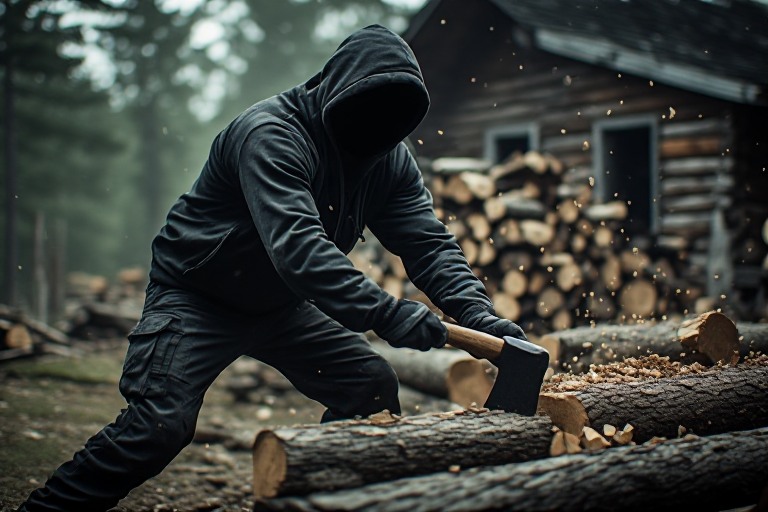
5. Chopping Movements
One of the biggest mistakes in fitness is only training forward and backward movements.
Life doesn’t happen in straight lines.
Chopping wood, swinging tools, digging, moving debris, and many survival tasks involve rotation. Your body needs to be strong in multiple directions.
This is where chopping exercises come in.
Medicine-ball slams, woodchopper cable exercises, resistance-band rotations, and sledgehammer workouts are all excellent options.
If you’ve ever spent an afternoon splitting firewood, you already know how demanding these movements can be.
They challenge your shoulders, core, hips, grip, and cardiovascular system simultaneously.
The added benefit is that rotational training often improves athleticism and injury resistance.
Tip: Train both sides equally to prevent imbalances.
Why It Matters: Develops practical power, rotational strength, and endurance for outdoor work.
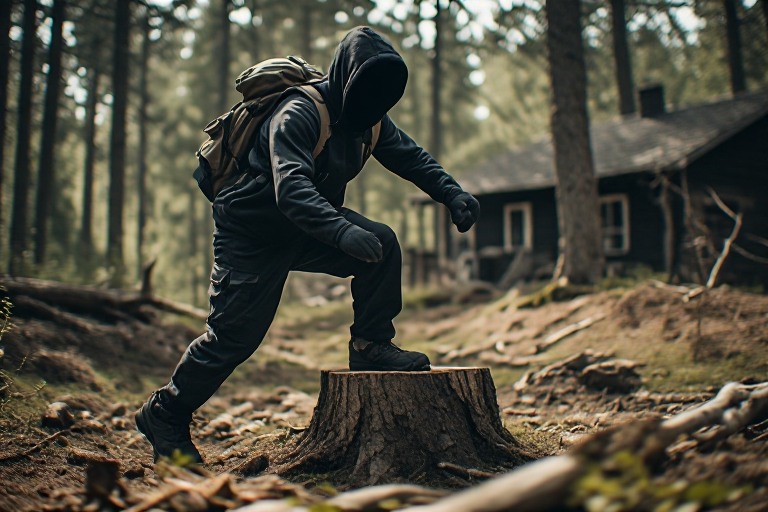
6. Step-Ups
Nature rarely gives you perfectly flat ground.
You’ll encounter hills, rocks, logs, ditches, slopes, and uneven surfaces. Your body needs to be prepared for all of it.
That’s why step-ups deserve a place in any off-grid training program.
They’re simple. Step onto a platform. Step down. Repeat.
But don’t let that simplicity fool you.
Step-ups build leg strength, balance, coordination, and endurance. They also closely mimic climbing hills and navigating difficult terrain.
One thing I really like about step-ups is that they’re easy on the joints while still delivering a great workout.
Use a sturdy box, bench, step, or even a large rock if you’re training outdoors.
Tip: Add a backpack or carry weight once bodyweight becomes easy.
Why It Matters: Improves terrain navigation and prepares your legs for real-world movement challenges.
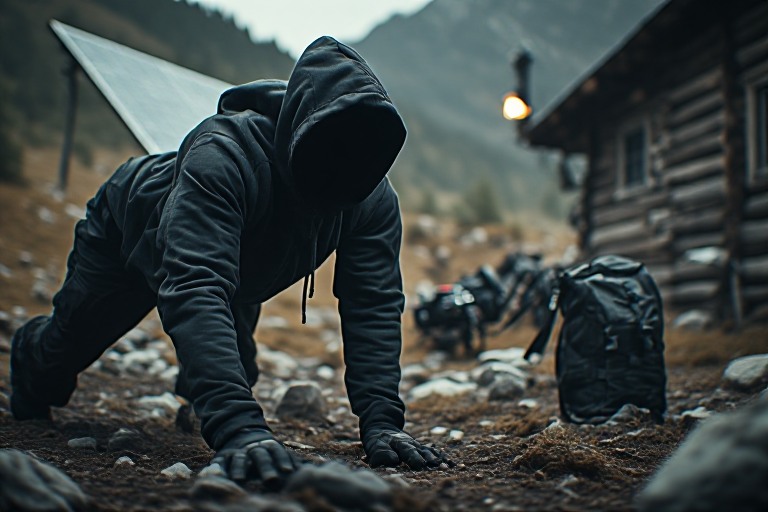
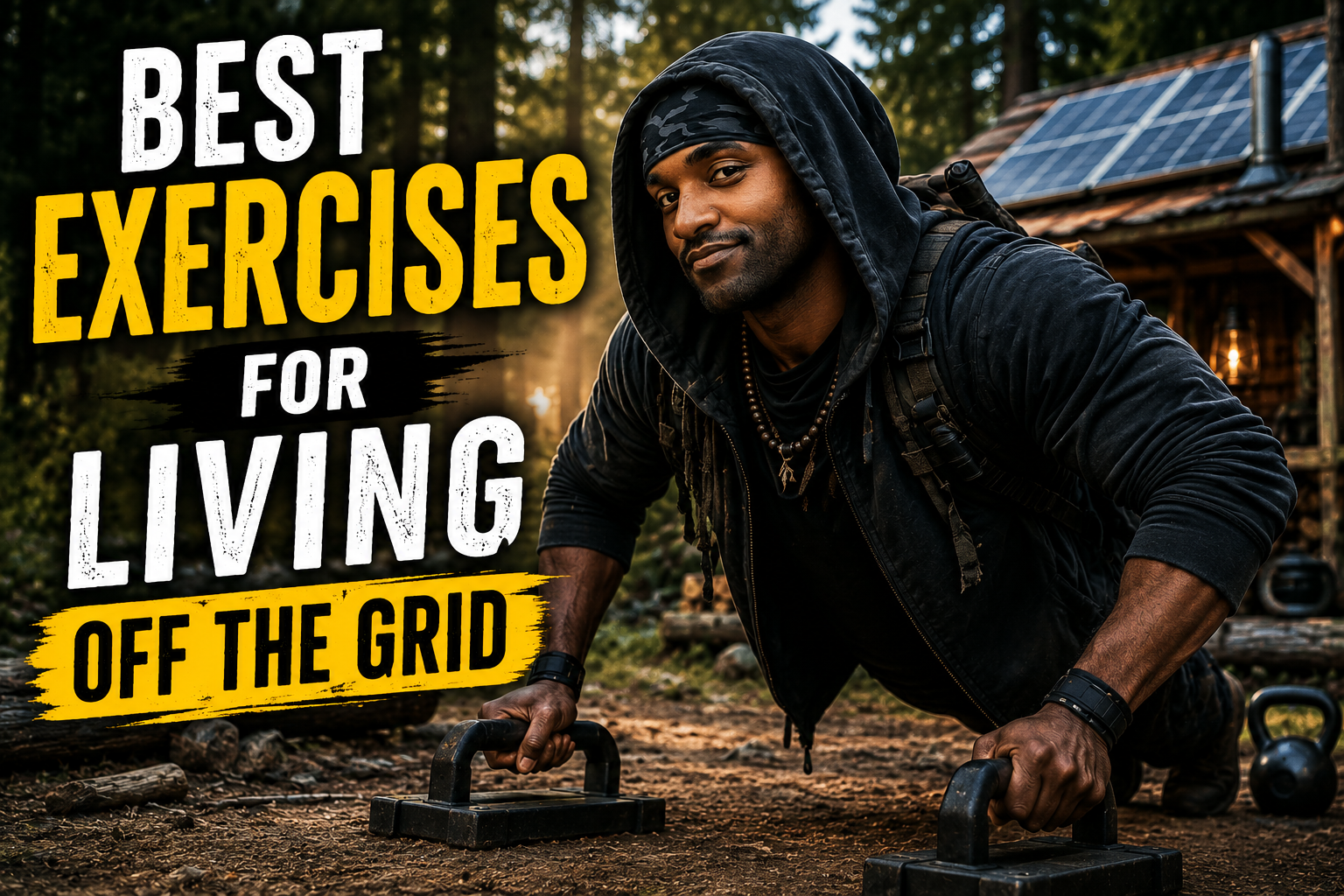
7. Push-Ups
Push-ups remain one of the greatest exercises ever created.
No equipment. No gym. No excuses.
They build chest strength, shoulder stability, arm endurance, and core control all at the same time.
Off-grid life includes pushing wheelbarrows, moving equipment, climbing obstacles, and performing countless tasks that require upper-body endurance.
Push-ups help prepare you for all of it.
What’s great is that they’re infinitely scalable. Beginners can perform incline push-ups against a sturdy surface. Advanced trainees can use weighted backpacks or more challenging variations.
Consistency matters more than complexity.
A person who performs push-ups regularly for years will likely gain more benefit than someone constantly searching for the latest fitness trend.
Tip: Focus on quality repetitions with full range of motion.
Why It Matters: Builds practical upper-body strength and muscular endurance.

8. Crawling
Crawling is one of the most overlooked exercises in fitness.
Most adults stop crawling when they’re toddlers. That’s a mistake.
Crawling develops shoulder stability, coordination, mobility, core strength, and full-body conditioning. It teaches your body how to move as a connected unit.
In survival situations, crawling may also become necessary. Navigating confined spaces, moving under obstacles, or staying concealed can require low-profile movement.
Even if you never need those skills, the physical benefits are tremendous.
Bear crawls are a great starting point. Forward crawls, backward crawls, and low crawls can all be added as your fitness improves.
Don’t be surprised if crawling feels harder than expected.
Many people discover weaknesses they didn’t know they had.
Tip: Add short crawling intervals at the end of workouts.
Why It Matters: Improves mobility, coordination, and full-body resilience.

Conclusion
Off-grid living isn’t about having the biggest muscles or the most impressive gym numbers. It’s about capability. It’s about having a body that can handle real work when real work needs to be done.
Loaded carries prepare you for hauling supplies. Rucking prepares you for covering distance. Squats and deadlifts build lifting power. Chopping movements develop rotational strength. Step-ups prepare you for uneven terrain. Push-ups build upper-body endurance. Crawling improves mobility and total-body function.
Together, these exercises create a foundation of practical fitness that supports self-reliance and preparedness.
Remember, skills matter. Knowledge matters. Equipment matters. But none of those things are nearly as useful if your body can’t support them.
When systems fail, your skills stay with you.
And your body is the tool that allows those skills to work.
Train accordingly.