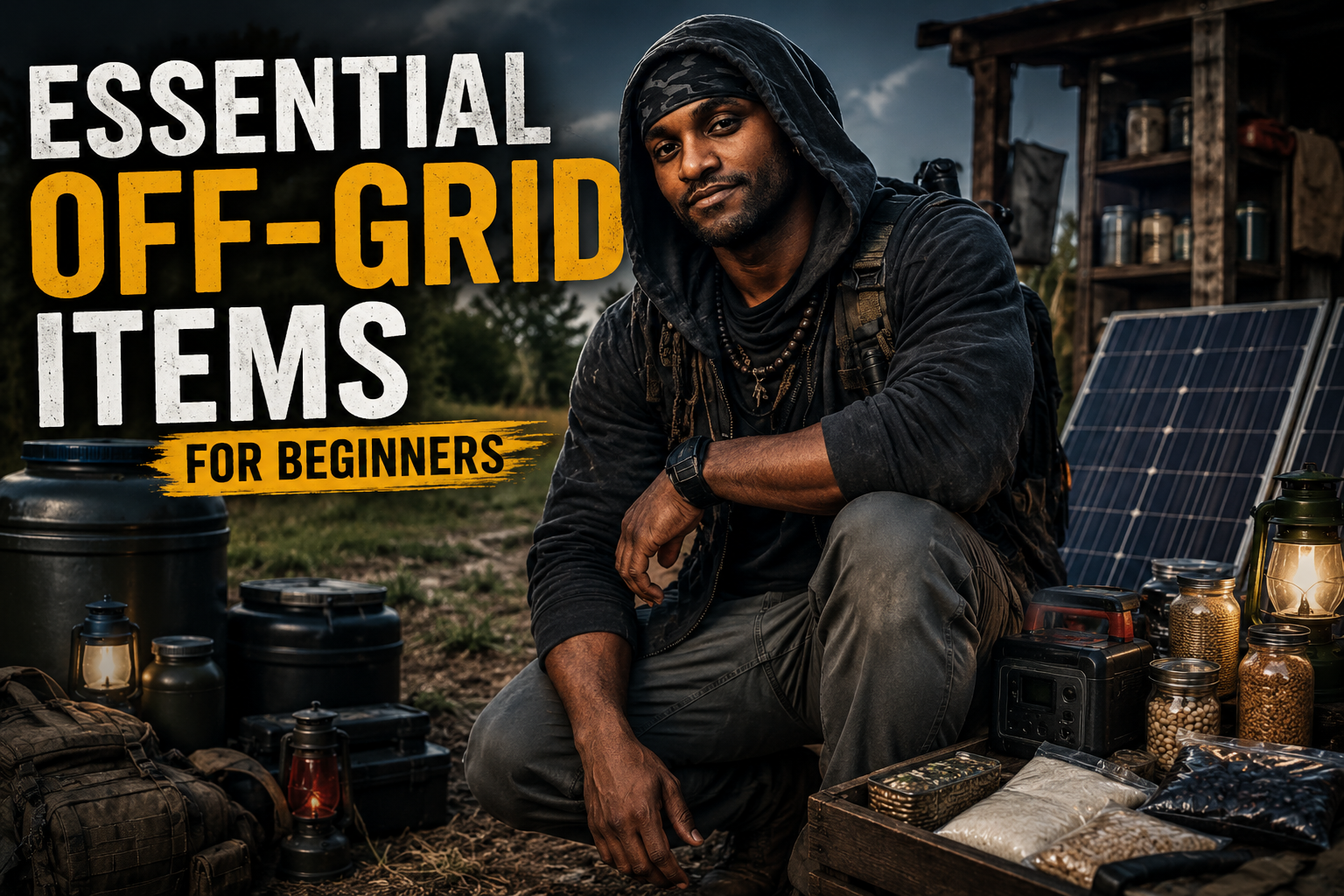
A lot of people hear the phrase “living off the grid” and immediately picture a cabin deep in the woods with solar panels and a giant garden. While that can be part of it, true off-grid living is really about independence. It’s about being able to take care of your basic needs without relying entirely on outside systems.
The reality is that most people are only a few missed paychecks, power outages, supply chain disruptions, or emergencies away from realizing how dependent they are on modern conveniences. You don’t have to disappear into the wilderness to benefit from off-grid skills and equipment. Starting with a few essential items can dramatically increase your self-reliance and preparedness.

1. Reliable Water Storage and Filtration
Water is your number one priority. You can survive weeks without food, but only a few days without water. Most beginners focus on food first, but water should always come before everything else.
When you’re living off-grid, you need a way to store water and a way to make questionable water safe to drink. Municipal water systems may not always be available, especially during emergencies.
Tip: Store water now while it’s easily available instead of waiting until you need it.
Why It Matters: Every survival plan fails if you run out of clean drinking water.
Recommended Items:
Water storage containers
Water filtration system
Portable water filter
Water purification tablets
Rain collection barrels
Collapsible water containers
2. Alternative Power Sources
Most people don’t realize how much they depend on electricity until the power goes out. Phones, lights, refrigeration, communication devices, and medical equipment all rely on power.
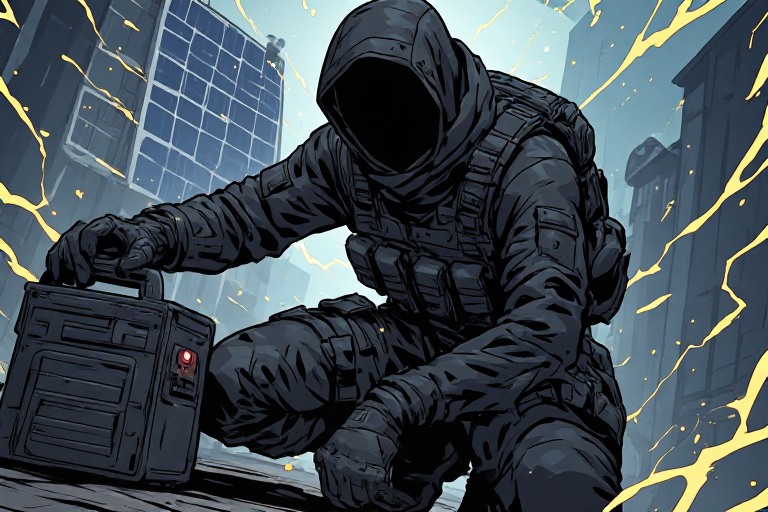
An off-grid setup doesn’t require a massive solar array on day one. Even a small portable solar generator can make a huge difference during an emergency.
Tip: Start small and build your power system over time.
Why It Matters: Power allows you to maintain communication, security, lighting, and essential daily functions.
Recommended Items:
Portable solar panels
Solar generator
Rechargeable batteries
Battery bank
USB rechargeable flashlights
Hand-crank emergency radio
3. Long-Term Food Storage
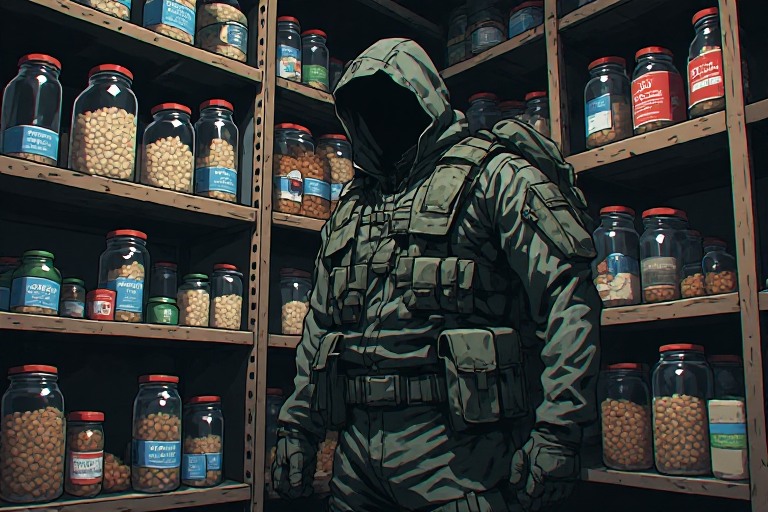
You don’t need a bunker full of freeze-dried food to get started. Focus on foods your family actually eats and gradually build your supply.
Many beginner preppers make the mistake of buying food they hate simply because it has a long shelf life.
Tip: Store what you eat and eat what you store.
Why It Matters: Food security reduces stress and gives you options when stores are empty or inaccessible.
Recommended Items:
Rice
Beans
Oats
Pasta
Canned vegetables
Canned meats
Peanut butter
Freeze-dried foods
Salt
Cooking oil
4. Off-Grid Cooking Equipment
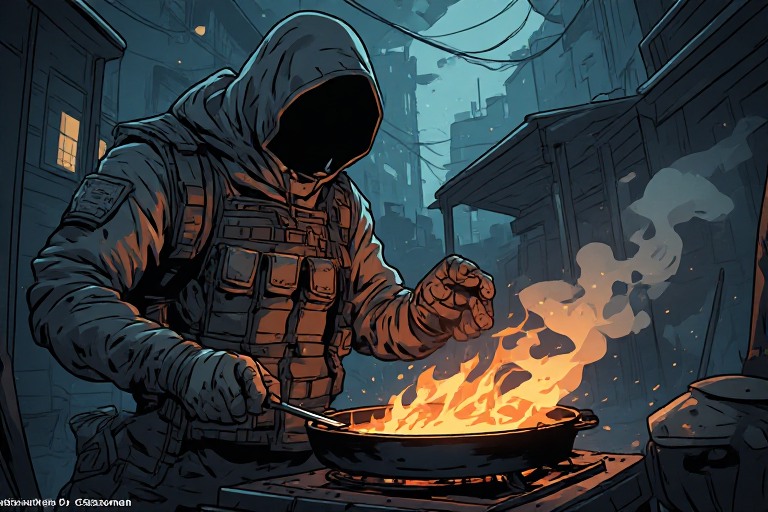
Having food means nothing if you can’t cook it. Most kitchens depend on electricity or natural gas.
You need at least one backup cooking method that can operate independently of public utilities.
Tip: Practice using your backup cooking system before an emergency.
Why It Matters: Hot food improves morale and allows you to prepare stored foods safely.
Recommended Items:
Camp stove
Rocket stove
Cast iron cookware
Propane supply
Fire starters
Outdoor grill
5. Lighting Solutions
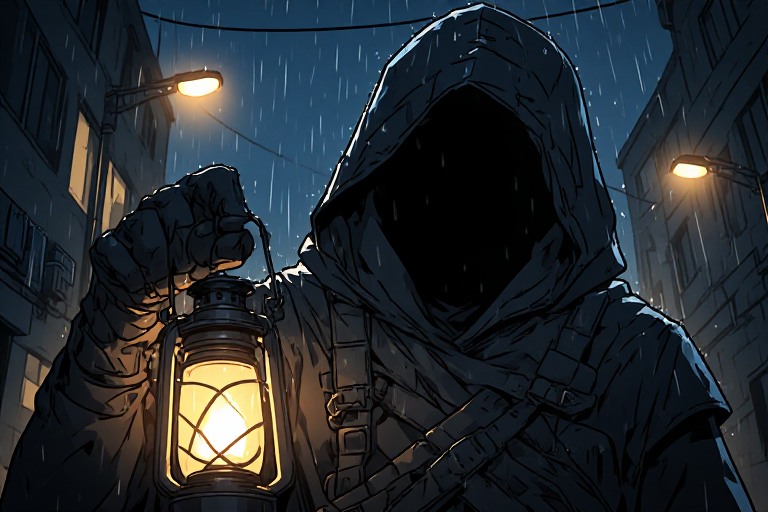
Darkness creates problems quickly. Injuries become more likely, security becomes harder, and simple tasks become difficult.
Good lighting should be layered with multiple backup options.
Tip: Keep lights in multiple locations around your home.
Why It Matters: Visibility improves safety, security, and overall quality of life.
Recommended Items:
LED flashlights
Headlamps
Solar lanterns
Rechargeable lights
Candles
Spare batteries
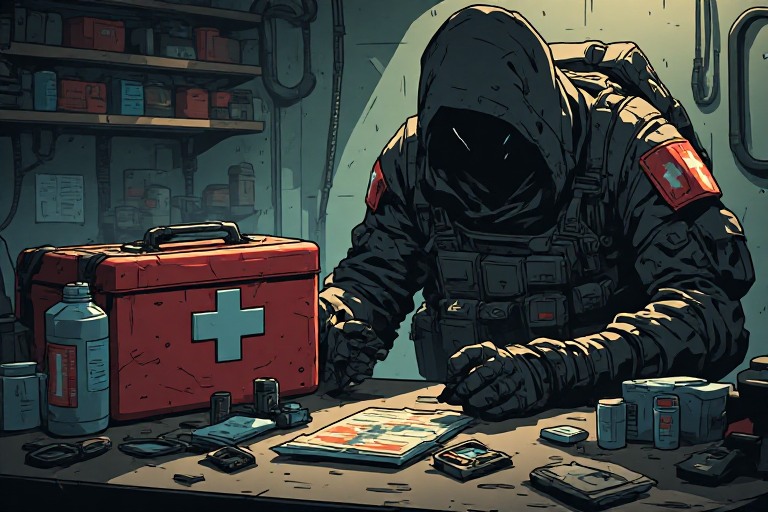
6. Medical and First Aid Supplies
Hospitals and pharmacies may not always be immediately accessible. A basic medical kit can handle many common injuries and illnesses.
Off-grid living often means being more responsible for your own healthcare needs.
Tip: Learn how to use your medical supplies instead of just buying them.
Why It Matters: Skills and supplies together can prevent minor problems from becoming major emergencies.
Recommended Items:
Trauma kit
First aid kit
Bandages
Antiseptic
Pain relievers
Prescription medication backups
Medical reference guide
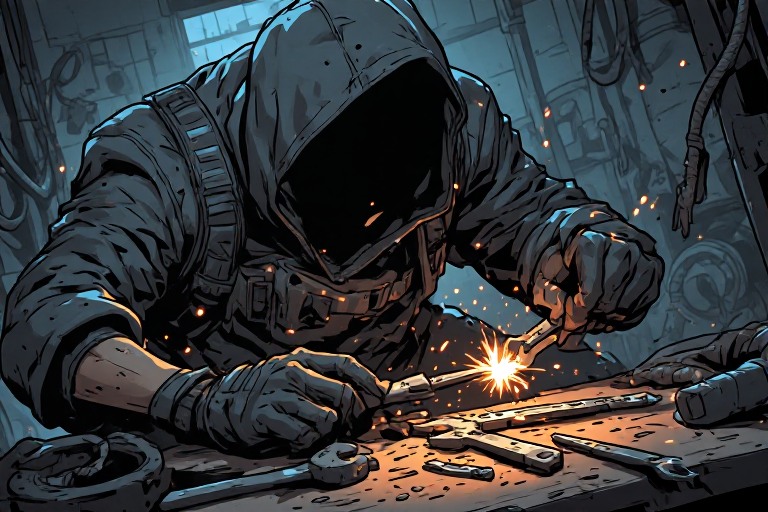
7. Tools for Maintenance and Repairs
Things break. When you’re off-grid, you become your own maintenance department.
Simple hand tools can solve hundreds of problems without needing outside help.
Tip: Buy quality tools once instead of replacing cheap tools repeatedly.
Why It Matters: Self-reliance depends on your ability to repair and maintain essential equipment.
Recommended Items:
Hammer
Screwdrivers
Adjustable wrench
Pliers
Hand saw
Hatchet
Multi-tool
Duct tape
Paracord
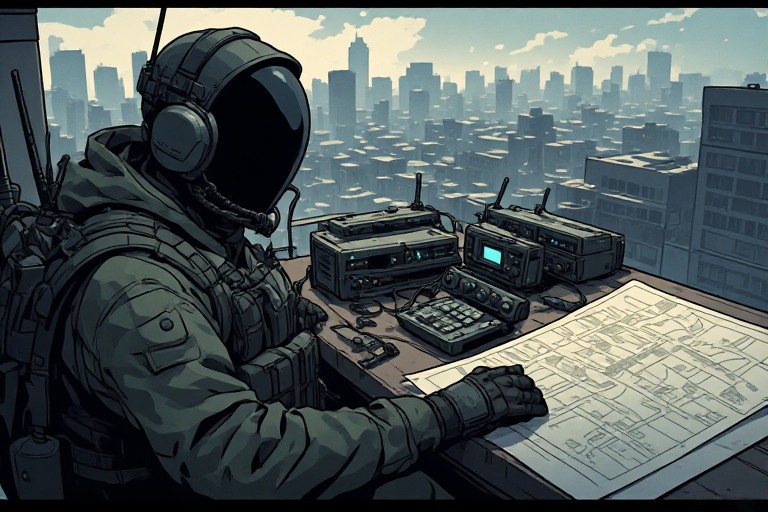
8. Personal Security and Communication
When systems fail, communication becomes extremely valuable. Knowing what’s happening around you allows you to make informed decisions.
Security is also a critical part of preparedness. Prevention is always better than confrontation.
Tip: Focus on awareness and preparedness before focusing on equipment.
Why It Matters: Information and security help you avoid problems before they become emergencies.
Recommended Items:
Emergency radio
Weather radio
Backup phone chargers
Whistle
Neighborhood communication plan
Maps of your area
Mid-Article CTA
Want more practical survival tips and preparedness training?
Watch the full Urban Warrior Survival videos on YouTube and download the Urban Warrior Survival Podcast on Spotify for weekly content covering self-reliance, urban preparedness, mental resilience, and real-world survival skills.
Conclusion
Living off the grid isn’t about becoming completely disconnected from society overnight. It’s about reducing your dependence on fragile systems one step at a time. Most beginners fail because they try to do everything at once. The better approach is to focus on the essentials: water, food, power, cooking, lighting, medical supplies, tools, and communication.
Every item you add to your preparedness setup increases your options during difficult times. Start small, build consistently, and focus on developing the skills to use your equipment effectively. Systems can fail. Skills stay with you.